.png)
Liquidation vs Wholesale for Resellers: Which Sourcing Strategy Builds a Better Business?
Liquidation vs wholesale for resellers covers two very different ways to buy stock that impact your profit and daily work. Wholesale involves buying new, brand-name goods from makers or sellers in set amounts at a fixed price. This offers a steady supply but needs more cash up front and has minimum order rules. In contrast, liquidation involves buying extra stock like returns or overstock at deep discounts on the resale market. Liquidation pallets can offer 50 to 90 percent off retail prices. However, they carry more risk because item condition and profit margins are not as steady as wholesale goods. Choosing the right path depends on your ability to handle returns and your need for a steady flow of goods. Most successful resellers use both ways to balance risk while looking for big profit wins on unique items.
Liquidation Vs Wholesale For Resellers: What Is Liquidation Sourcing?
Liquidation sourcing means buying excess retail goods at deep discounts through the secondary market. Stores sell customer returns, overstock, and shelf-pulls through auction platforms instead of traditional wholesale channels. Resellers can buy these lots for 50 to 90 percent off retail prices, making it a high-margin sourcing strategy for those who can handle mixed inventory conditions.
Liquidation sourcing is when you buy extra retail goods at deep discounts. Stores often have items they cannot sell at full price. This happens because of returns, extra stock, or changes in store shelf plans. These goods move to the secondary market where sellers buy them to flip for a profit. By buying liquidation pallets, you can get high-value items for pennies on the dollar.
The Scale of the Secondary Market
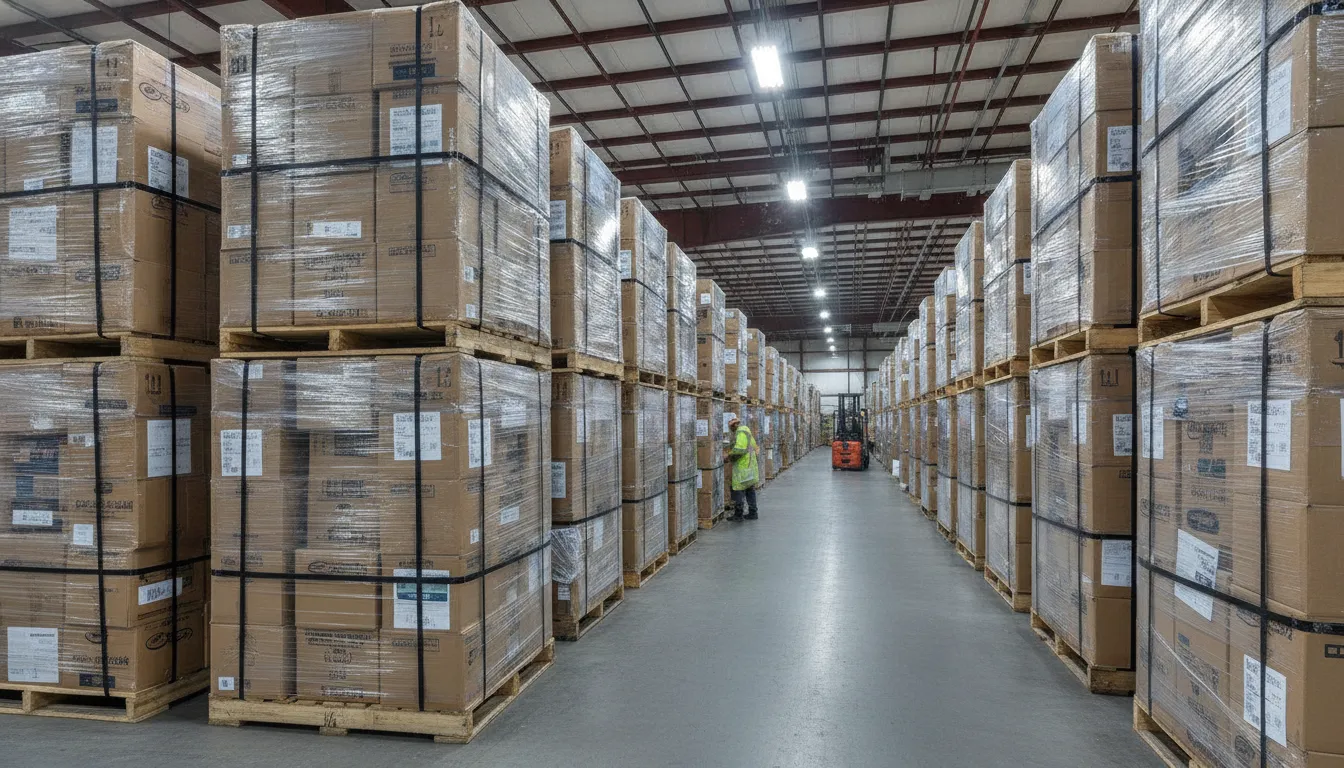
The flow of goods into the secondary market is massive. Most large retailers liquidate 95% of their excess inventory this way instead of sending it to landfills or holding clearance sales. In 2021, firms expected $761 billion in goods to return to stores and warehouses. This huge volume keeps the market full of new deals every day for those online pallet auctions.
The trade sector is a key part of the U.S. economy. It employs nearly 19 million workers across many roles. Handling this much stock requires smart choices about where the goods go next. Sites like QuickBidz help bridge the gap between big brands and local sellers.
Knowing Product Types and States
Liquidation covers many kinds of goods with mixed states:
- Shelf-pulls: Items removed from store shelves that did not sell. Usually still new with original tags and packaging intact.
- Customer returns: Items sent back by buyers. Condition can range from brand new to opened or lightly used.
- Overstock: Excess inventory retailers need to clear from warehouses. Typically new with full packaging.
- Salvage: Damaged or cosmetically imperfect goods sold at the steepest discounts for repair or parts recovery.
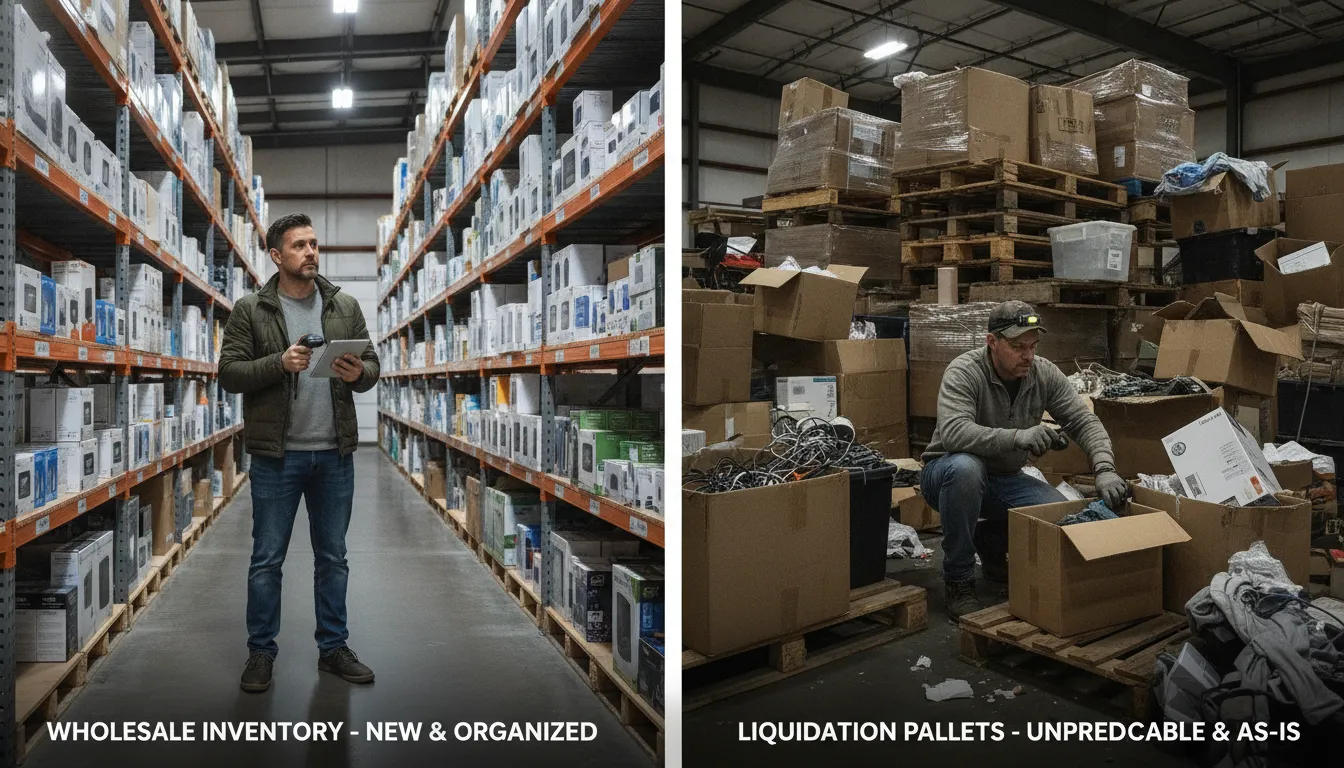
When using liquidation auctions, you must know what to expect. Unlike buying new wholesale goods, these lots have mixed states. QuickBidz offers a clear path to find these deals. You can see what is in each lot before you bid. This helps you plan your costs and your possible wins. Using smart working capital choices allows you to grow your resale business over time. By knowing the risks, you can turn a small buy into a big gain.
What Is Wholesale Sourcing?
Wholesale sourcing means buying new, brand-name goods directly from manufacturers or authorized distributors at fixed prices. This model provides predictable inventory, consistent product quality, and reliable supply chains. The trade-off is higher upfront costs, strict minimum order quantities, and lower per-unit profit margins compared to liquidation sourcing.
Traditional wholesale means buying new, brand-name goods from a maker or a distributor. For many people in the resale trade, this is the main way to stock a store. When you use wholesale sourcing options, you buy products in set amounts at a fixed price. This model is a big part of the U.S. economy. The wholesale and retail sectors employ about 19 million workers. It gives a steady path for shops that need the same items all the time.
Steady Stock and Price
One big plus of wholesale is that it is easy to predict. You get the same new items every time you order. This makes it simple to list goods on sites like Amazon or eBay. Since the items are new, you do not have to worry about damage or missing parts. Most wholesalers use a set price list. You know your costs before you pay. This helps you plan your gains without the surprises found in other models like liquidation.
Minimum Order Rules
The main hurdle for new resellers is the minimum order quantity, or MOQ. Most distributors will not sell you just one or two items. They ask you to buy a full case or spend a set amount of cash to get the low price. These MOQs help the seller move enough stock to stay in business. But they can tie up your cash. If you are just starting, these high costs can make it hard to try new goods or change your plans fast.
Reliable Supply Chains
Wholesale gives you a direct line to a steady flow of goods. You can often set up repeat orders to keep your shelves full. This steady supply is the main point when comparing liquidation vs wholesale for resellers. Liquidation depends on what shops return or do not sell. Wholesale relies on what plants are making right now. If an item sells well, you can just order more and keep your sales moving.
Liquidation vs Wholesale: Key Differences at a Glance
Choosing the right source for your resale business depends on your goals for cost and risk. Both models help you get goods to sell, but they work in very different ways. Resellers must weigh the deep discounts of liquidation against the steady supply of wholesale.
| Feature | Wholesale Sourcing | Liquidation Sourcing |
|---|---|---|
| Price Discount | 40-50% off retail | 50-90% off retail |
| Inventory Condition | New and consistent | Mixed (Returns/Overstock) |
| Order Minimums | High (Strict MOQs) | Low ($5 start bids) |
| Supply Stability | Predictable and steady | Variable and opportunistic |
| Startup Costs | Moderate to High | Very Low |
| Profit Potential | Steady but capped | High but varies |
Here is a quick breakdown of when each sourcing model works best:
- Choose liquidation when: You have limited startup capital, you can handle variable inventory conditions, and you want high-margin upside on individual deals.
- Choose wholesale when: You need consistent stock levels for an ecommerce store, you have the cash to meet MOQs, and you prefer predictable margins over treasure-hunt profits.
- Choose both when: You want to balance risk by using wholesale for core best-sellers and liquidation for opportunistic high-margin flips.
Comparing Price and Profit Margins
Wholesale buying involves getting new goods at a set price. This model is a core part of the wholesale and retail trade sector which supports millions of jobs. You get a clear discount, but your profit margins are often fixed. Most wholesale sources require you to buy large amounts at once through minimum order quantities.
Liquidation auctions offer a different path. You can find inventory at 50-90% off retail prices which can lead to higher margins. This makes it a strong choice for people looking for wholesale sourcing options with less upfront cash. But keep in mind that liquidation costs often include a buyer's premium of about 13% on top of the bid price.
Managing Risk and Inventory Stability
Success in resale requires smart working capital management to keep your business growing. Wholesale offers a very steady and predictable supply of new items. You know exactly what you will get in every shipment. This helps you plan your sales and keep your stock levels even over time.
Liquidation carries more risk because the product condition can vary. Items may be customer returns or overstock that did not sell in stores. While the risk is higher, the low entry price allows for more flexibility. Resellers who want more certainty can use a Buy Now option to lock in costs without waiting for an auction to end.
Comparing Costs and Profit Margins
The choice between liquidation and wholesale starts with your budget. Traditional wholesale often requires wholesale sourcing options with set prices and high order counts. You pay more for a steady supply of new goods. But if you want to grow your profit, you need to look at costs per unit. Liquidation can offer goods at 50-90% off retail prices. This makes it a high-margin choice for a reseller.
Upfront Sourcing Costs
Wholesale prices are fixed. You know what you will pay before you buy. Liquidation auctions work on a bid model with low entry points. At sites like QuickBidz, you can start bidding on pallets for as little as $5. This allows you to test new inventory with very little risk. If you need a set price and do not want to bid, you can use a Buy Now option. This provides immediate and predictable costs for your shop.
When you bid, you must track all fees. Every auction house has its own rules for buyers. The key costs to factor into your bid math include:
- Buyer's premium: Most online auctions charge about 13% on top of the winning bid price.
- Shipping or freight: Large pallets cost more to move across the country than locally.
- Sales tax: Applicable based on your state and the auction warehouse location.
- Inspection and grading time: Labor cost to sort, test, and photograph each item for resale.
If you bid $100, your total cost is $113 before shipping or tax. Always factor the 13% buyer's premium into your maximum bid to protect your margins.
Profit Margin Scenarios
The gap in profit between these two models is large. A reseller who spends $500 on wholesale goods might get 50 units at $10 each. If those items sell for $20, the gross profit is $500. But if that same reseller spends $500 on a liquidation pallet, they might get 100 units of mixed goods. Even with a 13% premium, the cost per unit stays low. If 70% of those items sell, the total profit can be much higher because the cost of entry was so low.
Cutting Overhead with Local Pickup
Shipping is the biggest cost for many resellers. Large pallets are heavy and expensive to move across the country. Wholesale shipping costs are often fixed, but they can eat your margin. You can save money by using local pickup options. Picking up your own inventory can cut your overhead. This helps you keep more of the profit from each sale. Many resellers search for online pallet auctions that offer pickup near their warehouse.
Product Quality and Consistency
The choice between wholesale and liquidation often comes down to how much risk you can take. Traditional wholesale offers a steady and predictable supply. You buy new items from a brand or distributor in fixed amounts. This makes it easy to know your inventory costs and profit margins before you buy. If you need a reliable stock of the same products, wholesale is a safe path.
Varied Inventory Conditions
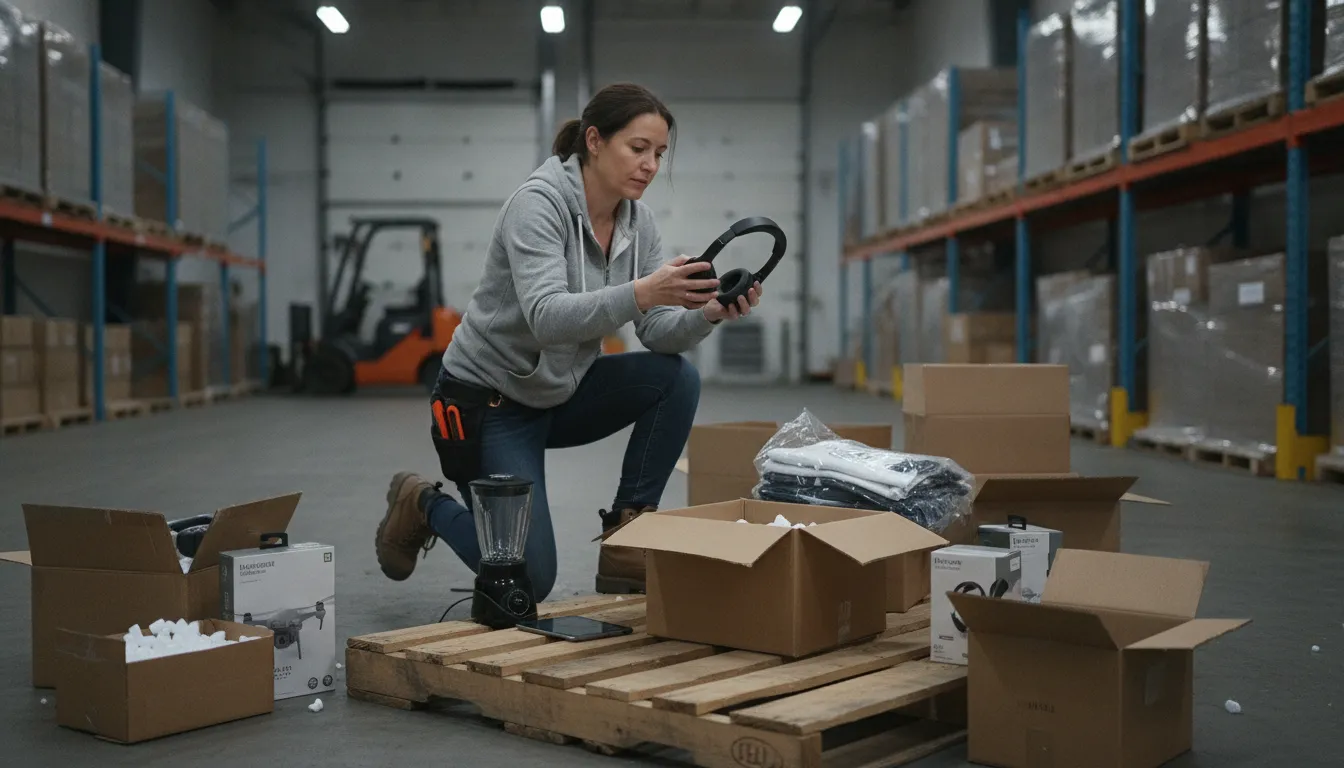
Liquidation works differently because it uses the secondary market. This stock often includes customer returns, overstocks, or items pulled from store shelves. Resellers must be comfortable with purchasing liquidation pallets where the product condition varies. You might find brand-new items in one lot and used goods in the next. This variety is common because about $761 billion in goods returned to stores and warehouses in 2021 alone.
Reliable Stock Versus the Treasure Hunt
Wholesale provides the same new items every time you order. This reliability helps you build a brand around specific products. In contrast, liquidation is like a treasure hunt. While it carries more risk, it also offers the chance for much higher profit. You must balance the need for a stable supply with the goal of finding high-value items at a low cost. Successful resellers often use both methods to keep their shelves full while hunting for big wins.
How to Manage Resale Risk
Managing risk is a key skill for any reseller. Use these strategies to protect your margins when sourcing through liquidation:
- Read manifest lists — Look for detailed lot descriptions that show what is inside each pallet before you bid.
- Check grading systems — Many platforms use condition grades. New or "like new" items are safest, while "salvage" lots carry the most risk.
- Start with small bids — Test a new source with a low-stakes purchase before committing more capital.
- Diversify across sources — Use both wholesale and liquidation so a bad pallet does not derail your monthly revenue.
How to Choose Between Liquidation and Wholesale
Choosing the right sourcing model depends on your goals and resources. While wholesale provides stability, liquidation offers a high-margin path for those ready to manage more risk. You must weigh your startup funds against your need for steady stock levels.
Check Your Startup Capital
Your available cash is the first factor to check. Traditional wholesale often has minimum order quantities (MOQs) that need a large upfront buy. If you are just starting, online pallet auctions let you start small. Some auctions begin with bids as low as $5, making it easy to test the market with little risk.
Strategic choices in how you manage funds will shape your growth. Higher levels of working capital can help a firm increase sales and get early payment discounts. You can read more about these strategies in this study on working capital. If your funds are tight, the lower entry cost of liquidation is often the best path.
Think About Risk and Quality
Risk and reward go hand in hand for resellers. Here is how the two models compare on key decision factors:
- Product consistency: Wholesale wins every time. New goods in every shipment with no surprises.
- Profit upside: Liquidation wins. Buying at 50-90% off retail leaves room for much higher margins.
- Time investment: Wholesale takes less time per unit. Liquidation requires grading, testing, and sorting mixed lots.
- Scalability: Wholesale scales more predictably. Liquidation depends on what inventory becomes available.
Look at Time and Shipping Costs
Time is a cost that many new resellers overlook. Sourcing from auctions may need more time for grading and sorting items. To save money, look for sourcing options near you. Choosing local pickup for purchasing liquidation pallets can cut your shipping costs. This keeps more profit in your pocket.
If you need speed and price certainty, look for a "Buy Now" option. This lets you get stock right away at a set cost instead of waiting for an auction to end. This is a good way to keep your shelves full when you need stock fast.
Frequently Asked Questions
Is liquidation or wholesale better for starting a resale business on a budget?
Liquidation is often better for those on a tight budget. Wholesale usually needs you to buy a lot of items at once to meet a set order size. This can cost thousands of dollars. Bidding on pallets lets you start with small loads and low bids. According to QuickBidz, you can find stock for 50-90% off retail prices. This low cost helps new sellers build stock without a huge upfront spend.
How does a buyer's premium affect the final cost of liquidation items?
A buyer's premium is a fee added to the winning bid price in an auction. Resellers must add this cost to their total math for goods. At QuickBidz, the standard premium is 13%. If you win a pallet for $100, your final price will be $113 before tax or shipping. Forgetting this fee can shrink your profit. Always check your max bid with this extra cost in mind to keep your business healthy.
Why do retail stores sell inventory through liquidation instead of wholesale?
Stores use liquidation to move extra items fast. This includes customer returns, shelf-pulls, and overstock. Wholesale deals usually involve new goods with set prices and steady supply. Retailers often sell 95% of their extra stock on the secondary market to clear shelf space. Data from B-Stock shows that about $761 billion in goods went back to stores in 2021. Liquidation helps these brands get cash back from unsold items.
How can resellers save money on shipping for liquidation pallets?
Shipping large pallets can be costly and eat into your gains. One of the best ways to save is to find local stock. Many sites like QuickBidz allow for local pickup at their yards. Picking up the goods yourself removes the high cost of truck delivery. This step is a major way to save for small shops. Cutting your costs this way lets you price your items well and keep more of your money.
Ready to source through liquidation auctions?
High wholesale prices and strict limits can slow your business growth and cause you to lose out on profit every single day. If you do not act soon, you will miss a chance for deep savings of up to 90 percent off retail prices. Every lot you skip is a deal that your rivals will take, so you must start your search for new stock today. Start now to beat the rush for the best items and get the most value for your cash right now. You should not wait until all the good deals are gone, and you can use our Buy Now option to lock in your stock fast.
Ready to request? Check our current stock to browse active liquidation auctions and start bidding.