.png)
Online Pallet Auctions: A Starter's Guide
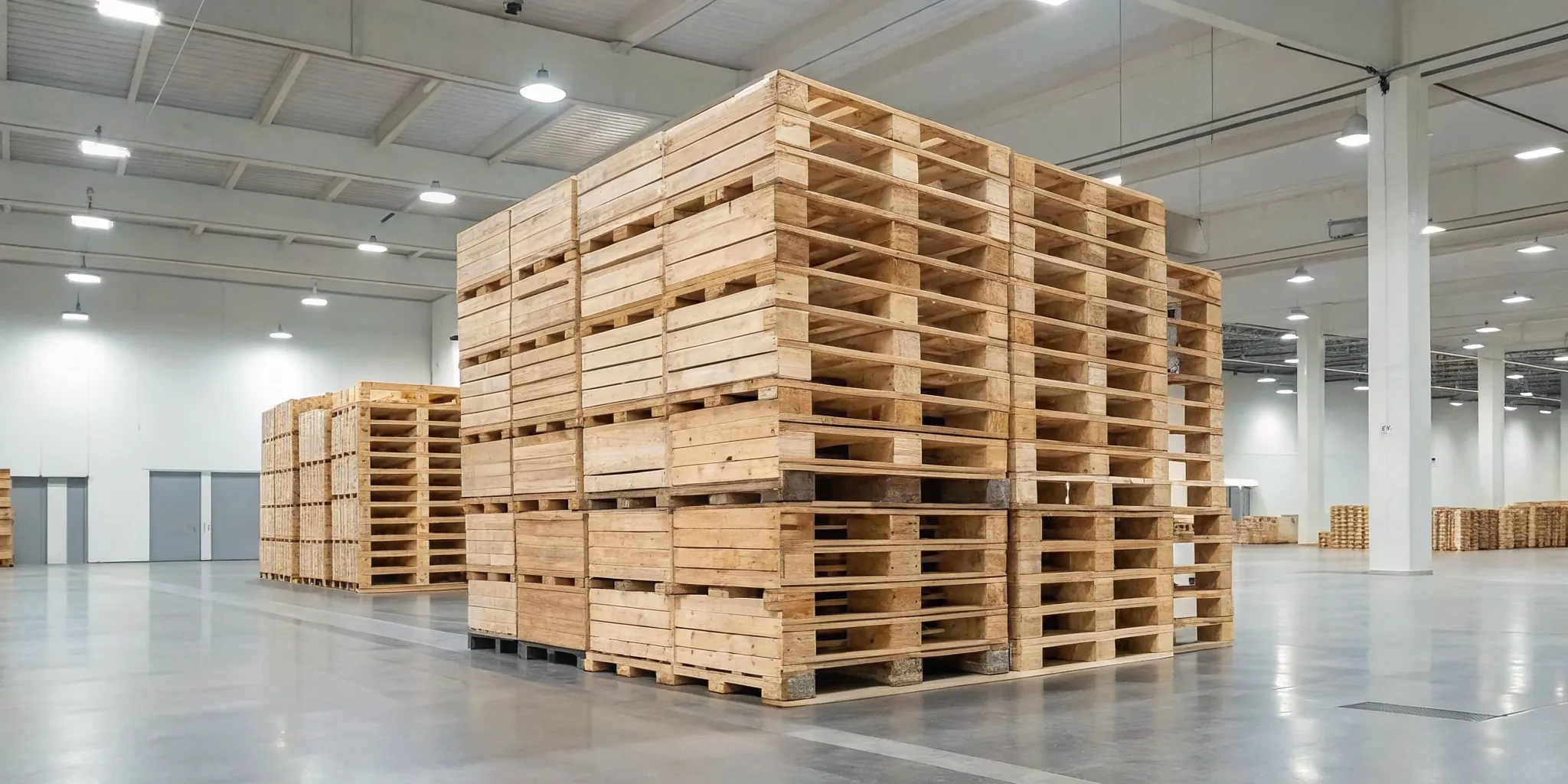 Finding great deals through online pallet auctions is an exciting way to get premium goods for less. But the high cost of shipping a heavy pallet across the country can quickly eat into your savings. That’s why finding a local auction partner is such a huge advantage. If you’re in the Dallas-Fort Worth area, you can get access to incredible liquidation inventory without the logistical headaches. You get the thrill of bidding on everything from luxury apparel to home goods, with the convenience of easy local pickup. This guide will show you how to find the best local auctions and start scoring amazing deals right in your own backyard.
Key Takeaways
- Plan your purchase carefully: Always set a total budget that accounts for extra fees, review product manifests and photos closely, and understand the platform's "as-is" sales policy to avoid surprises.
- Bid strategically to protect your budget: Prevent overspending by calculating your maximum bid based on the items' retail value and your profit goals. Once you set your limit, commit to it, even during a competitive bidding war.
- Minimize risk with a trusted source: Since most liquidation sales are final, protect your investment by working with a reputable auction platform and starting with smaller test purchases to get familiar with the process.
How Do Online Pallet Auctions Work?
If you've ever wondered where resellers find their inventory or how bargain hunters score incredible deals, the answer is often online pallet auctions. Think of it as a treasure hunt for grown-ups. These auctions are where businesses sell off excess inventory, customer returns, or overstocked items in bulk. Instead of buying one item at a time, you bid on an entire pallet of goods.
For anyone looking to start a small business or just find amazing deals on high-quality products, understanding this process is the first step. It’s a straightforward system that connects sellers with buyers who are eager to purchase items at a fraction of their retail price. The entire process happens online, making it accessible and convenient. You get to browse, bid, and buy from the comfort of your home, opening up a world of merchandise you might not find anywhere else.
The Auction Process
The core of an online pallet auction is simple: it’s a marketplace connecting businesses with buyers. Companies with surplus goods list their pallets on an auction site. These listings provide details about what’s inside, often including a manifest or photos. As a buyer, you can browse these auctions and place bids on the pallets that catch your eye. The bidding is competitive, and the person with the highest bid at the end of the auction wins the lot. This system ensures that the final price is determined by market demand. To see how it works in action, you can review the step-by-step auction process to get comfortable before placing your first bid.
What Kind of Products Can You Find?
You can find almost anything in a pallet auction. Because the inventory often comes from major retailers clearing out returned items, shelf pulls, or surplus stock, the variety is huge. You’ll see everything from high-end electronics and appliances to designer apparel and home furniture. It’s a fantastic way to source a wide range of products for resale or personal use. Many resellers build their entire business around the diverse product categories available through liquidation. Whether you're interested in tools, toys, or fitness equipment, there’s likely a pallet for it. The key is to check new listings frequently, as the inventory is always changing.
Common Auction Formats and Bidding
Most online pallet auctions use a competitive bidding system where you compete against other buyers to win. It’s important to know that items are often sold "as-is," which means you’re buying them in their current condition without a warranty. This is why paying close attention to the listing details is so important. A good auction listing will include a manifest, which is a list of the items included in the pallet. This document helps you understand exactly what you’re bidding on and assess its potential value, allowing you to make a much more informed decision before you commit to a price.
Why Choose Pallet Auctions Over Retail?
If you’ve ever felt the sting of paying full price for something, you know there has to be a better way. Pallet auctions offer a compelling alternative to traditional retail, whether you're hunting for personal deals or stocking inventory for your small business. Instead of browsing endless aisles, you can bid on curated lots of goods from major retailers, often securing them for a fraction of their original cost. This approach isn't just about saving money; it's a smarter way to shop.
The core appeal lies in the value. You gain access to a huge variety of products, from high-end electronics and designer apparel to everyday home goods, all at prices that retail stores simply can't match. For resellers, this model is a game-changer, providing a direct line to bulk inventory that can be turned into profit. For savvy shoppers, it’s an opportunity to get more for your money. By understanding how these auctions work, you can step away from the retail markup and start buying directly from the source.
Save Big on Premium Merchandise
The most obvious advantage of pallet auctions is the incredible savings. You can purchase high-quality merchandise at prices that are significantly lower than what you’d find in a store. Because these items are often overstock, shelf-pulls, or customer returns from major retailers, they are sold in bulk at a deep discount. This means you can acquire premium products for just a fraction of their retail value. It’s the ultimate way to stretch your budget, whether you’re furnishing your home or finding gifts for the whole family. You can see examples of the deals people score by checking out past auctions.
Find Unique Liquidation Inventory
One of the best parts of pallet auctions is the thrill of the hunt. You’ll find a diverse and often surprising mix of products that you wouldn’t typically see sitting next to each other in a retail store. Imagine finding a pallet that contains brand-name kitchen appliances, designer handbags, and popular kids' toys all in one lot. This variety comes directly from major retailers clearing out their inventory. This gives you access to a unique selection of electronics, home goods, and fashion that can be a goldmine for bargain hunters and resellers looking for something special.
Perfect for Resellers: Buy in Bulk
If you run a resale business, pallet auctions are one of the most efficient ways to source inventory. Buying in bulk allows you to acquire a large volume of products at a low cost per item, which is key to maintaining healthy profit margins. Instead of sourcing items one by one, you can secure an entire pallet of goods in a single transaction. This streamlines your buying process and gives you a steady stream of products to sell. Exploring dedicated pallet auctions is a cost-effective strategy that helps you stock your business with desirable inventory without breaking the bank.
Where to Find the Best Online Pallet Auctions
Once you’re ready to start bidding, the next step is finding the right auction site. The internet is full of platforms that connect buyers with liquidation inventory, but they aren’t all created equal. Some sites specialize in sourcing goods directly from major retailers, offering truckloads of specific product categories. These are often a great fit for established resellers who know exactly what they want.
Other platforms, like local liquidation houses, provide a more diverse mix of merchandise. You might find anything from high-end fashion and electronics to home goods and tools, all in one place. These can be fantastic for bargain hunters and small businesses who enjoy the thrill of the find and want the flexibility of local pickup. The best platform for you really depends on your goals, your budget, and the types of products you’re hoping to score. To help you get started, here are a few of the most popular and reliable places to find online pallet auctions.
Quickbidz - Premium Liquidation Auctions with Daily New Listings
If you’re in the Dallas-Fort Worth area, Quickbidz is your local source for incredible deals on premium merchandise. As an online auction platform from a local liquidator, we offer a unique advantage: you get access to a wide variety of high-value goods without having to deal with cross-country shipping. Our auctions feature everything from luxury brand apparel and electronics to home and garden items. With daily new listings and bids starting incredibly low, you can find amazing items for just a fraction of their retail price. It’s the perfect way to discover liquidation deals for your home or your resale business, right in your own backyard.
B-Stock Solutions
B-Stock is a major player in the liquidation world, connecting buyers directly with inventory from large retailers like Amazon, Walmart, Target, and Costco. The platform is designed for businesses looking to purchase bulk quantities of customer returns, overstock items, and trade-ins for resale. Because you’re buying directly from the source, you can find pallets and truckloads dedicated to specific categories, like electronics or apparel. It’s a solid option if you’re a reseller focused on a particular niche and need a consistent supply of inventory from well-known brands.
Direct Liquidation
Direct Liquidation is another online marketplace that auctions surplus inventory from top US retailers. The platform offers a wide range of product categories, including electronics, home goods, and apparel, often sold by the pallet or truckload. They provide detailed manifests for many of their lots, which gives you a clearer idea of what you’re bidding on. Direct Liquidation caters to businesses of all sizes, making it a versatile choice for anyone looking to source products for resale. Their auctions are competitive, but you can find some excellent deals on brand-name merchandise if you do your research.
Pallet Auctions
With over 50 years of experience, Pallet Auctions by Erkelens & Olson is a well-established name in the industry. This platform specializes in nationwide online auctions for lost freight, liquidation goods, and surplus inventory. Their weekly auctions attract a large network of buyers, making it a dynamic place to find deals. They handle a broad spectrum of products, so you never know what you might find. Their long history in the business gives them a level of expertise and reliability that many bidders appreciate, especially when sourcing goods from across the country.
What to Check Before You Bid
The thrill of an auction can be contagious, but the most successful bidders are the ones who do their homework. Before you jump in and place your first bid, taking a few minutes to prepare can make all the difference between scoring an amazing deal and ending up with buyer's remorse. A little bit of research protects your wallet and helps you bid with confidence. Think of it as your pre-flight checklist for auction success. By covering these four key areas, you’ll be ready to find incredible value in everything from liquidation pallets to individual items.
Read the Terms and Conditions
I know, I know, reading the fine print is never the most exciting part, but for online auctions, it’s non-negotiable. Every auction platform has its own set of rules, and you need to know what you’re agreeing to. Most liquidation auctions operate on an “AS IS, WHERE IS” basis. This means all items are sold in their current condition with no warranty. It’s up to you, the buyer, to assess the item’s state before bidding. Understanding the platform’s policies on payment, pickup deadlines, and potential fees is crucial. A quick read-through of the auction rules can save you from major headaches later on.
Review Product Manifests and Descriptions
A manifest is your best friend when buying pallets. This document lists the items included in the lot, giving you a clear idea of what you’re bidding on. A detailed manifest is your first tool for estimating the pallet’s potential value. Always scrutinize the manifest and compare it to the photos provided. For individual items, read the descriptions carefully. Look for details about condition, brand, and model. Some listings, like mystery boxes, won’t have a manifest, which adds an element of risk. For those, you’ll have to rely on the general description and your own judgment.
Calculate Your Total Cost
Your winning bid is just one part of the final price. To make sure you’re actually getting a deal, you need to calculate your total cost ahead of time. Start with the item's estimated retail value, then set a strict maximum bid for yourself. Don’t forget to factor in extra costs like the buyer's premium (a percentage added to your winning bid), sales tax, and any potential shipping or handling fees. Knowing these numbers beforehand helps you stay within your budget and ensures your great find remains a great deal. This is especially important for resellers who need to protect their profit margins on fashion or home goods.
Research the Platform's Reputation
Not all auction sites are created equal. The source of your liquidation inventory matters, as some suppliers are known for mixing in low-quality or damaged goods. Before you commit to bidding, do a little digging on the platform itself. Look for online reviews and see what other buyers are saying. A trustworthy site will be transparent about its process and provide clear, honest listings. You can get a good feel for a company by looking through its past auctions to see the types of products they sell and the prices they fetch. Finding a reliable auction partner is the key to long-term success.
Know the Risks of Buying Liquidation Pallets
Diving into the world of pallet auctions is exciting, but it’s smart to go in with your eyes wide open. While the potential for incredible deals is huge, buying liquidation inventory isn’t the same as a typical retail experience. Understanding the potential downsides is the first step to protecting your investment and making sure your bargain hunt is a success.
The biggest variable is that you’re often buying merchandise sight-unseen. This isn’t meant to scare you off, but to prepare you. The key is to work with a transparent auction partner and do your homework before you commit to a bid. Knowing the risks helps you develop a sharper eye for great opportunities and avoid the duds. Think of it as becoming a savvy investor instead of just a casual shopper. By being aware of the common pitfalls, you can create a strategy that minimizes surprises and helps you score the best possible deals on liquidation pallets.
Uncertain Product Quality and Condition
The most significant risk in buying liquidation pallets is the unknown condition of the items inside. Not all liquidation sources are created equal, and some pallets can be a mix of pristine products, customer returns, and damaged goods. The supplier you choose makes or breaks your potential for profit. A great supplier will provide clear descriptions and photos, but you should always be prepared for some level of variability. Before you bid, carefully read the product descriptions and understand the different condition grades used by the auction platform. This will give you a much better idea of what to expect and help you determine a pallet’s true value.
Hidden Fees and Unexpected Costs
The price you win a pallet for is rarely the final price you pay. It’s easy to get caught up in the excitement of bidding and forget to account for the extra costs that can eat into your profit margins. Most auction sites charge a buyer’s premium, which is a percentage added to your winning bid. You also need to consider shipping and handling fees, which can be substantial for a large, heavy pallet. Before you even place a bid, make sure you understand the auction platform’s fee structure and get a shipping estimate. Factoring these expenses in from the start helps you set a realistic maximum bid and ensures your great deal stays a great deal.
Limited (or No) Return Policies
Unlike your average retail store, most liquidation auctions have very strict return policies, if they have one at all. Many items are sold "as-is, where-is," which means all sales are final. This policy is part of what allows sellers to offer such deep discounts. Because you can’t fall back on a return if you’re unhappy with the purchase, your pre-bid research is absolutely critical. This is the trade-off for getting access to premium merchandise at a fraction of its retail cost. Always read the terms and conditions of the sale so you know exactly what to expect before you commit.
Common Mistakes to Avoid in Pallet Auctions
Pallet auctions are an incredible way to source inventory for a reselling business or find amazing deals on personal items. But just like any new venture, there’s a learning curve. It’s easy to get swept up in the excitement and make a few rookie errors. The good news is that most of these mistakes are completely avoidable. By knowing what to watch out for, you can protect your budget and make smarter bidding decisions from the start. Think of it less as a list of rules and more as a friendly guide to help you turn that pallet of goods into a profitable success.
Overbidding and Busting Your Budget
The final seconds of an auction are a rush, and it’s so easy to get caught up in the excitement of a bidding war. But letting your emotions take over is the fastest way to overspend. Before you even place your first bid, decide on your absolute maximum price. Remember to factor in the buyer’s premium, sales tax, and any potential pickup or shipping fees. Once you have that number, stick to it. Winning feels great, but it’s not a win if it destroys your profit margin. A smart bidder knows when to walk away.
Skipping Your Research
Jumping into an auction without doing your homework is a huge gamble. Not all liquidation companies are the same, so it’s important to find a trustworthy source. Spend some time looking into the auction platform’s reputation and read the fine print on their process. A reliable supplier will be transparent about where their merchandise comes from and what you can expect. Looking at a company’s past auctions can also give you a great feel for the types of products they offer and their typical final prices. A few minutes of research can save you from buying a pallet of unsellable inventory.
Not Testing Products Before Reselling
Once your pallet arrives, it’s tempting to immediately start listing items for sale. Before you do, take the time to inspect and test everything. Plug in electronics to make sure they power on, check clothing for any hidden damage, and assemble a piece of furniture to ensure all the parts are there. This step is non-negotiable for protecting your own reputation as a reseller. Selling a faulty product can lead to bad reviews and unhappy customers. A thorough quality check ensures you know exactly what you’re selling and can price it accurately.
Misunderstanding Product Condition Grades
The term "liquidation" covers a wide range of product conditions, from brand new overstock to customer returns with cosmetic damage. One of the biggest mistakes new buyers make is assuming everything is in perfect condition. Always read the auction manifest and product descriptions carefully. These documents are your best source of information about what’s on the pallet and its condition. Familiarize yourself with the grading system used by the auction house, whether it’s "New in Box," "Open Box," or "As-Is." This helps you set realistic expectations and bid accordingly on everything from home goods to fashion.
How to Get Started with Pallet Auctions
Ready to dive into the world of pallet auctions? It’s an exciting way to score incredible deals, but a little preparation goes a long way. Taking the time to get organized before you place your first bid will help you feel confident and make smarter decisions. Think of it less like a random treasure hunt and more like a strategic shopping trip. By following a few simple steps, you can set yourself up for success and avoid common beginner mistakes. Let's walk through exactly what you need to do to get started on the right foot.
Register and Set Up Your Account
First things first, you can't bid if you don't have an account. This is your ticket to the auction floor. Head over to the auction website and look for the registration page. You'll typically need to provide some basic contact information and set up a payment method. It’s a straightforward process that usually only takes a few minutes. Completing this step early means you’ll be ready to act fast when you find a pallet you love. For a detailed walkthrough, you can review the auction process to understand exactly what to expect from start to finish.
Set a Realistic Budget
This might be the most important step of all. It’s easy to get caught up in the excitement of a bidding war, so you need to go in with a firm budget. Your budget isn't just your maximum bid; it's the total amount you're willing to spend. Remember to factor in extra costs like the buyer's premium (a percentage-based fee added to your winning bid) and any potential shipping or transportation fees. Before bidding, research the estimated retail value of the items on the pallet. This will help you set a smart maximum bid that still leaves room for profit or savings.
Prepare for Your First Bid
Once your account is set up and your budget is in place, it's time to do your homework. Before you even think about bidding, carefully review the product manifest. This is the detailed list of everything included in the pallet. Scrutinize it. Does it list specific items, brands, and quantities, or is it vague? Look at all the provided photos and read the descriptions thoroughly to understand the condition of the goods. A reputable seller will provide clear information, helping you know exactly what you’re bidding on. This research is your best defense against surprises.
Bidding Strategies That Actually Work
Winning at online auctions isn't just about having the highest bid; it's about having the smartest one. Getting a great deal requires a bit of strategy and self-control. The thrill of a bidding war can be exciting, but it's easy to get carried away and end up overpaying. The most successful bidders go in with a clear plan. They know what an item is worth, how much they're willing to spend, and when to make their move. By developing a few key habits, you can avoid common pitfalls and consistently find incredible value. Let's walk through three practical strategies that will help you bid with confidence and walk away with a win you feel great about.
Time Your Bids for the Best Results
The final moments of an auction are often the most intense. Many experienced bidders practice "bid sniping," which is placing a bid in the last few seconds to catch competitors off guard. This can be an effective way to win without driving the price up too early. However, it's a risky move. A slow internet connection or a simple miscalculation could mean you miss out entirely. A less stressful approach is to place your best bid a few minutes before the auction closes. This gives you time to react if someone outbids you without contributing to a premature price hike. Before you even think about timing, make sure you've thoroughly reviewed the listing. Bidding on auction items often means you’re buying them "as-is," so you'll want to check out the photos and descriptions carefully. Looking at past auctions can also give you a feel for how items are typically priced.
Set a Max Bid (and Stick to It)
This is the golden rule of auction bidding. Before you place your first bid, you need to decide on the absolute maximum amount you are willing to pay and commit to it. It’s easy to get swept up in the excitement and bid just a little bit more, but that's how budgets get broken. To set your max bid, you need to do some homework. First, research the retail value of the items on the pallet to understand their potential worth. From there, decide on your ideal profit margin. Finally, be sure to account for extra costs like buyer's premiums and any potential shipping fees. Once you have that final number, that’s your limit. The bidding process is designed to be competitive, but your goal is to get a deal, not just to win.
Start Small with a Test Purchase
If you're new to buying liquidation pallets, it's wise to ease into it. Instead of going for a huge, high-value pallet on your first try, start with a smaller lot or a single item. A test purchase is a low-risk way to get familiar with the entire process, from bidding and payment to pickup and inspection. It helps you understand the quality of the merchandise and the accuracy of the descriptions without a major financial commitment. Look for pallets that are clearly manifested, meaning they come with a detailed list of contents. A manifest is your best tool for estimating the value of what you're buying and reduces the guesswork involved. By starting small, you can build your confidence and learn the ropes, setting yourself up for bigger and more profitable wins down the road.
How to Minimize Risks and Maximize Your Wins
Winning at pallet auctions isn't just about luck; it's about making smart, calculated moves. While there's always an element of risk when buying liquidation goods, you can significantly tip the odds in your favor. By being diligent and strategic, you can protect your investment and consistently find incredible value. The key is to approach each auction with a clear plan for vetting the platform, the products, and the price.
Research Every Platform Before Bidding
Not all liquidation sources are the same. Some suppliers are known for mixing in low-quality or damaged returns, leaving you with a pallet of items you can't sell. Before you place a single bid, spend time getting to know the auction site. Read reviews from other buyers, understand where they source their merchandise, and look through their past auctions to see the quality and types of products they typically offer. A reputable platform will be transparent about its inventory and have a track record of satisfied customers. This initial homework is your first line of defense against a bad buy.
Factor in All Potential Costs
Your winning bid is only part of the final price. To make sure your pallet is actually profitable, you need to account for all the extra costs before you even start bidding. This includes the buyer's premium (a percentage of the sale price), sales tax, and any shipping or transportation fees. Create a simple budget for each pallet you’re interested in. Know the item's estimated retail value, set a strict maximum bid for yourself, and subtract all the additional fees to see your potential profit margin. A clear understanding of the auction process and its associated costs prevents surprises and protects your bottom line.
Find a Reliable Auction Partner
Your success in pallet auctions often depends on the quality of your auction partner. A reliable platform operates with transparency, offering clear terms, responsive customer service, and consistent inventory. You want to work with a company that makes you feel confident in your purchase. Look for partners who provide detailed information and a straightforward bidding system. Building a relationship with a trustworthy source like Quickbidz means you can spend less time worrying about the platform’s integrity and more time focused on finding great deals. A great partner wants you to succeed so you’ll keep coming back.
Look for Detailed Product Information
Always look for a detailed manifest or product description and scrutinize it carefully. A manifest is a list of every item included in the pallet, often with quantities, brand names, and model numbers. Vague descriptions or a complete lack of a manifest are major red flags. The best platforms provide clear photos and as much detail as possible about the condition of the items, whether they are new, open-box, or returns. For example, when browsing electronics and appliances, you should be able to find specific information that helps you assess the pallet’s true value. The more you know, the better your bid will be.
Related Articles
Frequently Asked Questions
What does "as-is" really mean when I'm bidding? Think of "as-is" as the trade-off for getting such low prices. It means you are buying the item in its current state, without any warranties or guarantees. This is why it's so important to read the product descriptions and look at all the photos before you bid. The item could be brand new, have a dent, or be a customer return. The listing details are your best guide to understanding exactly what you're getting.
How do I figure out my total cost beyond the winning bid? Your winning bid is just the starting point. To get your final price, you'll need to add a couple of things. First is the buyer's premium, which is a small percentage-based fee that the auction house adds to the winning bid. You'll also need to account for local sales tax. By adding your bid, the buyer's premium, and tax together, you'll know your true total cost and can make sure the deal still fits your budget.
What's the best way to know what I'm actually buying in a pallet? Your most important tool is the manifest. A manifest is a detailed list of the items included in the pallet, often including brand names, quantities, and sometimes even model numbers. A good, detailed manifest takes most of the guesswork out of bidding. If a pallet doesn't have one, you'll have to rely on the general description and photos, which carries a bit more risk.
I won an auction! Now what do I do? Congratulations! After you win, the auction platform will send you instructions for the next steps. Typically, you'll first need to pay for your item through their system. After your payment is processed, you'll be given a timeframe to schedule a pickup. For local auctions, this usually means driving to their warehouse to collect your goods within a few days.
Is it better to start with a single item or a full pallet? If you're just starting out, I always recommend beginning with a smaller purchase. Winning a single item or a small, manageable lot is a great way to get comfortable with the entire auction process from start to finish. It's a low-risk way to learn the ropes, understand the product quality, and build your confidence before you invest in a full pallet.