.png)
4 Smart Places to Find $100 Wholesale Pallets
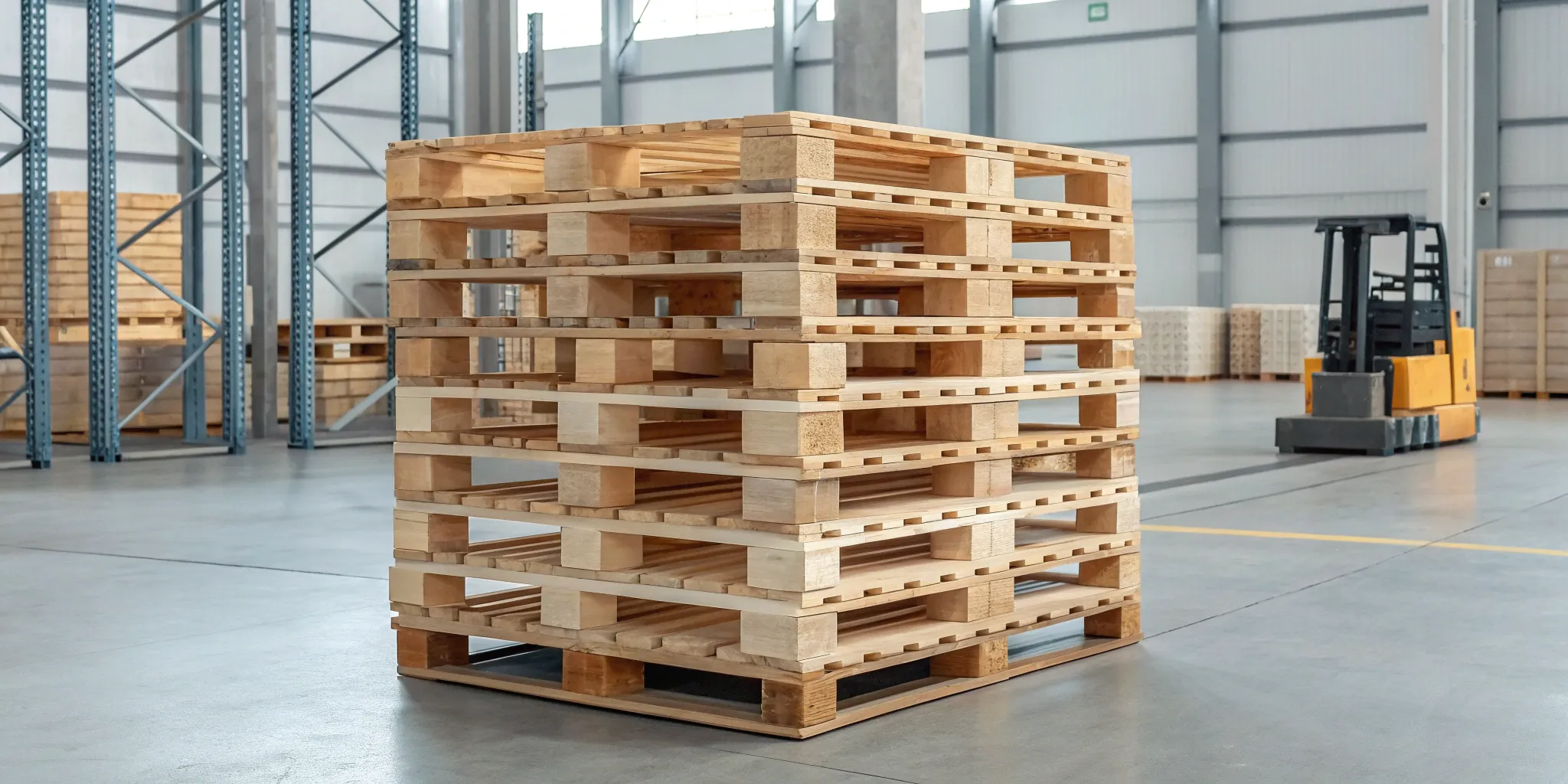 For entrepreneurs here in the Dallas-Fort Worth area, one of the biggest hurdles in reselling is the cost of shipping. Finding a great deal online often gets wiped out by expensive freight fees. That’s what makes sourcing locally so powerful. Finding $100 wholesale pallets right here in DFW means you can skip the shipping nightmare and pick up your winnings yourself, saving a huge amount of money. This guide is designed for local bargain hunters and business owners who want to tap into the inventory available in their own backyard. We’ll show you where to look and how to turn local auction finds into a profitable venture.
Key Takeaways
- Your Supplier is Your Most Important Asset: Your success in pallet flipping depends heavily on finding a trustworthy supplier. Always research seller reviews, insist on detailed manifests, and look for transparent policies before placing a bid.
- Look Beyond the Bid Price: The final price is more than just your winning bid. Remember to account for the buyer's premium, potential shipping fees, and your own time to accurately determine if a pallet is truly profitable.
- Start with a Plan, Not Just a Pallet: Before you buy, have a strategy. Start with smaller, manifested pallets to learn the ropes, and make sure you have the space and a plan for sorting and processing your inventory once it arrives.
What Exactly Are $100 Wholesale Pallets?
If you’ve been exploring the world of reselling, you’ve probably heard whispers of the legendary "$100 wholesale pallet." It sounds almost too good to be true—a giant stack of merchandise for the price of a nice dinner out. So, what’s the real story? First, let's clear up a common misconception. When you see a deal for a "$100 pallet," it might not be a massive 4x4 wooden pallet stacked high with boxes. More often, it’s what the industry calls a "wholesale lot" or a large box filled with a collection of items.
These lots are the backbone of the liquidation industry. Major retailers need to clear out space in their warehouses, so they bundle up customer returns, overstock items, and shelf-pulls to sell them off quickly. That’s where companies like Quickbidz come in, giving you a chance to buy this merchandise at a fraction of its retail value. The appeal is obvious: you get a large volume of inventory for a low initial investment. For resellers, bin store owners, or even just savvy bargain hunters, these pallets can be a goldmine. The idea is to acquire a diverse range of products without having to source each one individually, saving you time and money. But before you jump in, it’s important to understand what you’re actually buying and the potential risks and rewards involved.
What's Inside a Wholesale Pallet?
Think of a wholesale pallet as a mystery box on a much larger scale. The contents are typically a mix of items from a specific retailer or category. You'll often find products that are considered surplus, closeout, or customer returns. Surplus and closeout items are usually brand new, unsold products that a store needs to move to make room for new inventory. Customer returns, on the other hand, are exactly what they sound like—products that were purchased and then brought back. They could be in perfect condition, slightly used, or have minor defects. This mix is what makes buying pallets both exciting and a bit of a gamble, as the quality can vary.
How Pallet Pricing Works
The math behind pallet flipping can be incredibly appealing. Let's say you win an auction for a pallet at $100. If that pallet contains 100 individual items, your cost per item is just $1. If you can turn around and sell each of those items for an average of $5, your total revenue would be $500—a $400 profit before any selling fees or shipping costs. Of course, this is a simplified example. Some items might sell for $20, while others might be unsellable. The key is to look at the potential average sale price across the entire lot to determine if the initial investment is worth the potential return.
Pallet Categories Explained
Not all pallets are created equal. The items inside generally fall into a few main categories, and knowing the difference is key. "Overstock" or "shelf-pulls" are typically new items that never sold. "Customer returns" are products that have been purchased and returned; their condition can range from new in an open box to used or slightly damaged. Some pallets are specifically sold as "salvage" or "damaged," meaning the items are known to be defective and are best for people who can repair them or use them for parts. Understanding these distinctions helps you set realistic expectations for the quality of goods you'll receive and the work required to sell them.
Where to Find and Buy $100 Wholesale Pallets
Once you know what you’re looking for, the next step is finding it. The world of liquidation is vast, with several different avenues for sourcing pallets. Each has its own rhythm and rules, so it’s smart to get familiar with your options before you start bidding. From local warehouses to global online platforms, here are the most common places to find and buy wholesale pallets.
Online Auction Sites (Like Quickbidz!)
Online auction sites are fantastic starting points because they bring the thrill of the hunt right to your screen. Platforms like Quickbidz offer a steady stream of new inventory, letting you browse everything from electronics to fashion from the comfort of your home. The competitive bidding format means you can score incredible deals. The process is fast, too. You can win a pallet in the morning and have the items ready for resale by the afternoon. For local DFW shoppers, the convenience of picking up your winnings directly saves a ton on shipping costs and gets your inventory in hand even faster.
Direct Liquidation Marketplaces
Many major retailers run their own official liquidation programs to sell overstock and returned items directly to buyers. The Amazon Bulk Liquidation Store, for example, lets you buy lots directly from their warehouses. These items are typically a mix of customer returns, damaged goods, or simply extra stock they need to clear out. Buying directly from a retailer like this can sometimes give you a clearer idea of the inventory’s origin and what to expect. Other big-box stores have similar programs, offering a direct line to their surplus goods without a middleman getting in the way.
B2B Liquidation Platforms
Business-to-business (B2B) platforms are online marketplaces designed specifically for bulk inventory transactions. Sites like Simplelots connect businesses looking to offload overstock, clearance, and liquidation pallets with resellers searching for new inventory. These platforms aggregate products from a wide range of manufacturers and retailers, giving you a massive selection in one place. While they often cater to larger-scale buyers, you can still find deals on single pallets if you look closely. They are a solid option for sourcing specific types of products or exploring inventory from brands you might not find on other auction sites.
Local Warehouses and In-Person Auctions
Going to a local warehouse or in-person auction is the old-school way to source pallets. The main advantage is that you can sometimes see the pallets before you bid, though you usually can’t dig through them. However, this method comes with its own set of challenges. You’re often bidding without knowing the full condition of what’s really in the load. Plus, you need to account for extra costs like the buyer’s premium, which is a fee added to your winning bid. It’s a hands-on approach that can yield great finds, but the hidden costs and potential for duds can quickly eat into your profits if you’re not careful.
What to Look for in a Reputable Pallet Supplier
Finding a great pallet is only half the battle; finding a great supplier is what sets you up for long-term success. The world of liquidation can feel a bit like the Wild West, but a reputable supplier acts as your trusted guide. They operate with transparency, provide clear information, and understand that their success is tied to yours. Taking the time to vet a supplier before you place a bid is one of the smartest things you can do. It helps you avoid scams, manage your expectations, and build a relationship with a partner who can consistently provide quality inventory.
Think of it as a job interview, but you’re the one asking the questions. A trustworthy company will have clear processes and be upfront about how they operate. For example, they should be able to explain exactly how their auctions work, from placing a bid to picking up your items. Look for clear communication, a professional online presence, and a history of satisfied customers. These are the hallmarks of a supplier who is in it for the long haul, not just a quick sale. A little bit of research now will save you a lot of money and frustration down the road.
Check Seller Feedback and Reviews
Before you bid, do some digging. Customer reviews and feedback are your best source of on-the-ground intel. Look for what other buyers are saying about their experiences. A high positive feedback percentage is a great start, but also read through the comments. Are there recurring complaints about inaccurate manifests, difficult pickups, or poor communication? One or two negative reviews aren't necessarily a deal-breaker, but a consistent pattern of issues is a major red flag. Seeing a supplier’s history of past auctions can also give you a feel for the types of products they sell and the prices they fetch, showing a level of transparency.
Look for Clear Return Policies
In the liquidation industry, "as-is" and "all sales final" are standard terms. Most of the time, you won't be able to return a pallet if you simply change your mind or find a few more damaged items than you expected. However, a reputable supplier will have its policy stated clearly and prominently. The goal isn't to find a supplier with a generous return policy, but to find one that is honest. A company that hides its terms in the fine print is not one you want to work with. Transparency about their no-return policy is actually a sign of a straightforward and trustworthy business.
Insist on Detailed Product Manifests
A manifest is a list of what’s inside the pallet. It’s the single most important tool you have for making an informed purchase. While "mystery pallets" can sound exciting, they are a huge gamble. A professional supplier will provide a detailed manifest that lists the items, quantities, and often the model numbers or retail value. This information allows you to research the products and estimate your potential profit before you even place a bid. Always favor manifested pallets over blind ones, as they significantly reduce your risk and help you bid with confidence.
Verify Their Business History and Payment Security
A legitimate supplier is a real business, and they should be easy to verify. Look for a professional website, a physical address for pickups, and clear contact information. Be cautious of any seller who operates only through social media or asks for payment through unsecured methods like cash apps or wire transfers. A reputable auction site like Quickbidz will use secure payment processing to protect your financial information. A company with a verifiable history and secure systems is invested in its reputation and the safety of its customers.
What to Consider Before Buying Your First Pallet
Jumping into the world of pallet flipping is exciting, but a little planning goes a long way. Before you place that first bid, thinking through a few key details can be the difference between a profitable haul and a garage full of things you can’t move. It’s not about getting bogged down in details; it’s about setting yourself up for a win. By considering the condition of the items, your total costs, and the logistics of actually getting the pallet, you can bid with confidence and turn that stack of boxes into a successful side hustle or a major score for your small business. Let’s walk through the essentials so you’re ready to find the perfect pallet auction for you.
Decode Condition and Grade Classifications
First things first, you need to understand what you’re actually buying. Wholesale pallets are often filled with surplus inventory, closeout items, or customer returns, which means the quality can vary. Reputable sellers will use condition codes or grade classifications to give you an idea of what to expect. You might see terms like "New," "Like New," "Used," or "Salvage." It’s so important to read the auction listing carefully to understand these descriptions. This information helps you learn how the process works and set realistic expectations for the items you’ll receive, which directly impacts their resale value.
Calculate Your Total Costs (Including Shipping)
The winning bid price is just the starting point. To figure out if a pallet is truly a good deal, you have to calculate your all-in cost. This includes the bid price plus any additional fees, like a buyer's premium, sales tax, and, most importantly, shipping. Freight shipping for a large pallet can be a significant expense, so you need to factor that in before you decide how high you’re willing to bid. A great way to get a feel for final prices is to browse past auctions. Doing this quick math upfront ensures your potential profits don’t get eaten up by unexpected expenses.
Choose Between Manifested and Blind Pallets
You’ll generally encounter two types of pallets: manifested and blind (or mystery). A manifested pallet comes with a list detailing the items inside, including quantities and sometimes even model numbers. This is a fantastic option for beginners because it takes a lot of the guesswork out of the equation and allows you to research the value of the items beforehand. A blind pallet is exactly what it sounds like—a complete surprise. While the thrill can be fun and you might score big, there’s also more risk involved. For your first few purchases, sticking with manifested pallets is a smart way to learn the ropes.
Plan for Storage and Unloading
A pallet is big, bulky, and heavy. Before you even think about bidding, ask yourself: Where am I going to put this? Do I have enough space in a garage, a storage unit, or a stockroom to sort through everything? You also need a plan for getting it off the delivery truck. Most freight carriers assume you have a loading dock or a forklift. If you’re having it delivered to your home, you may need to request a truck with a liftgate for an extra fee or have a plan to unload the boxes by hand, quickly. Thinking through these logistics will save you a major headache on delivery day.
The Biggest Risks of Buying Wholesale Pallets
Finding a great deal on a wholesale pallet can feel like hitting the jackpot, but it’s smart to go in with your eyes wide open. While the potential for profit is real, the world of liquidation has its share of pitfalls. Understanding these risks ahead of time is the best way to protect your investment and avoid a truckload of disappointment. Think of it less as a warning and more as a game plan for making smarter bids.
The biggest hurdles you’ll face often involve the condition of the items, the history of the pallet, unexpected fees, and strict sales policies. Since most liquidation merchandise is sold without guarantees, what you see isn’t always what you get. Knowing how it works at a transparent auction house can make all the difference. Let’s break down the most common risks so you can learn to spot red flags and bid with confidence.
Damaged Items and Quality Issues
One of the most significant risks is the unknown condition of the products. Wholesale pallets are often filled with customer returns, shelf pulls, or overstock items, which means you could get anything from brand-new products to items that are broken or missing parts. Because these pallets are sold in bulk, you typically can’t inspect every single item. A pallet of electronics & appliances, for example, might contain a mix of perfectly functional gadgets and duds that are only good for parts. It’s the nature of the business, and preparing for a certain percentage of loss is a key part of a successful reselling strategy.
The Risk of Cherry-Picked Pallets
Have you ever heard the term "cherry-picked"? In the liquidation world, it means someone has already gone through the pallet and removed the most valuable items, leaving the less desirable goods behind. This is a huge risk, especially with unmanifested or mystery pallets from less-reputable sellers. As one reseller on Reddit noted, "I'd be pretty suspicious of a $100 pallet. At that price it's gonna be already cherrypicked." To avoid this, stick with trusted suppliers who provide clear photos and, when possible, detailed manifests. Buying from a source with a solid reputation for quality pallets is your best defense against getting someone else’s leftovers.
Watch Out for Hidden Costs
The price you win the bid at is rarely the final price you pay. It’s easy to get caught up in the excitement of an auction and forget to factor in the additional expenses that can eat into your profits. The most common hidden costs are the buyer's premium (a percentage added to your winning bid) and shipping or freight fees. You also have to consider the cost of your own time, labor for sorting, and fuel for pickup. Looking at the final prices on past auctions can give you a more realistic idea of the total investment required before you place your first bid.
The Challenge of "As-Is" and Final Sales
In the auction world, the phrase "as-is, where-is" is law. This means that all sales are final. There are no returns, refunds, or exchanges, even if the pallet is full of damaged goods. You are buying the entire lot in its current condition, whatever that may be. As one person on Quora explained, "A lot of the items on those pallets are going to be returned and damaged by customers or overstock and not sellable." Once you’ve won the bid, that pallet of home & furniture is yours to deal with, for better or for worse. This policy makes pre-bidding research and supplier vetting absolutely essential.
How to Evaluate Item Condition Before You Buy
Winning a pallet auction is exciting, but the real win comes from knowing you’ve bought something of value. Before you place that bid, it’s crucial to play detective and investigate the condition of the items you’re interested in. Since you’re often buying merchandise sight unseen, the information provided by the seller is your best tool for making a smart purchase. A pallet of "new" electronics is a completely different ballgame than a pallet of "customer return" housewares.
Understanding the difference can mean the distinction between a profitable flip and a garage full of unsellable inventory. The key is to look past the flashy brand names and focus on the details. By carefully reading descriptions, understanding the source of the merchandise, researching market demand, and looking for visual proof, you can significantly reduce your risk. This approach helps you bid with confidence and ensures you have a solid plan for turning those pallet goods into profit. Let’s walk through exactly how to assess a pallet’s condition before you commit.
Read Condition Descriptions Carefully
The single most important thing you can do is read the condition description for every pallet. Don’t just skim it—read it closely. Sellers use specific terms like "overstock," "shelf pulls," "closeouts," or "customer returns" to describe the merchandise. Each of these categories comes with different expectations for quality. For example, "overstock" items are typically brand new and in their original packaging, while "customer returns" can be a mixed bag of slightly used, damaged, or perfectly fine products. Reputable sellers will be transparent about this, so pay attention to the language they use. You can get a good feel for this by looking at past auctions to see how items are typically described.
Know the Difference: Returns vs. Overstock
Let's get more specific on the two most common types of liquidation inventory: customer returns and overstock. Overstock pallets are filled with new, unsold items. They’re a safer bet because the products are generally in perfect condition. Customer returns, on the other hand, are items that were purchased and then brought back to the store. The reason for the return could be anything from a broken part to the customer simply changing their mind. This makes them riskier, but they can also contain hidden gems and offer higher profit margins if you’re willing to sort, test, and repair items. Understanding this distinction is fundamental to sourcing liquidation inventory successfully.
Assess the Market Demand for the Products
An item’s condition doesn’t matter if no one wants to buy it. Before you bid, do a quick search for the products on the pallet manifest. Check sites like eBay, Facebook Marketplace, or Amazon to see what similar items are selling for. This research helps you estimate your potential profit and avoid pallets filled with outdated or undesirable products. For example, if you see a pallet of popular electronics & appliances, you can be more confident in its resale value than a pallet of obscure, off-brand gadgets. A little bit of market research upfront can save you a lot of headaches later.
Ask for Photos or an Inspection
Never bid on a pallet based on a generic stock photo. A trustworthy seller will provide multiple, clear photos of the actual pallet you’re bidding on. These images are your eyes on the ground, allowing you to spot any visible damage and get a general sense of the product mix and condition. For local auctions, some sellers might even allow for an in-person inspection before the auction ends, which is the best way to know exactly what you're getting. If the listing lacks clear photos, it’s a red flag. A transparent process, like the one outlined in our How It Works guide, should always include visual proof of the merchandise.
Common Mistakes to Avoid with $100 Pallets
Jumping into the world of wholesale pallets is exciting, but it’s easy to make a few missteps when you’re just starting out. A great deal can quickly turn sour if you’re not careful. Think of it like learning any new skill—a little bit of know-how goes a long way. By being aware of the common pitfalls, you can protect your investment and set yourself up for success from your very first bid. Let’s walk through the four biggest mistakes I see new buyers make and how you can sidestep them.
Skipping Supplier Research
One of the most common mistakes you can make is neglecting to do your homework on the supplier. It’s tempting to jump on a pallet that looks amazing, but if you don’t know who you’re buying from, you’re taking a huge risk. An unreliable seller could mean receiving poor-quality products or, in the worst-case scenario, losing your money entirely. Before you bid, take a few minutes to check out the seller’s reputation. Look for reviews, see how long they’ve been in business, and make sure their process is transparent. A trustworthy supplier will have a clear explanation of how their auctions work and won’t hide important details.
Overestimating Your Profit Margins
It’s easy to look at a pallet of high-end electronics and see dollar signs, but many new buyers overestimate their profit margins. The initial $100 price tag is just the beginning. You have to account for all the other costs that will cut into your potential profit, like shipping fees, auction premiums, and any expenses for repairing or cleaning items. To run a sustainable reselling business, you need a realistic picture of your numbers. Before you bid, do some quick math. Research the potential resale value of the items in the product categories you're interested in and subtract all the associated costs to see what your actual margin looks like.
Buying Too Much, Too Soon
When you find a great source for pallets, it can feel like you’ve struck gold. The urge to buy in bulk is strong, but it’s smarter to start small. Don’t rush into purchasing multiple pallets at once. You’ll make costly mistakes if you haven’t verified the supplier’s credibility or fully understood their policies. Buying one pallet at a time allows you to test the waters with a new supplier and get a feel for the quality of their merchandise. This measured approach helps you learn the ropes without putting too much of your money on the line right away. Once you’ve found a reliable source and understand the process, you can confidently scale up.
Forgetting to Calculate Total Costs
The price you win the pallet for is rarely the final price you pay. Many beginners forget to factor in all the additional expenses, which can quickly eat into profits. Shipping costs and buyer’s premiums are two of the most common overlooked fees. You also need to consider how you’ll get the pallet from the warehouse to your home or storage unit, which could involve renting a truck. Make sure you read the fine print and understand all the potential charges. A good supplier will outline these details in their help section or terms of service. Calculating your total cost upfront is the only way to know if a $100 pallet is truly a good deal.
How to Maximize Your Profit and Value
Turning a profit with wholesale pallets isn't just about finding the cheapest deal—it's about making smart, strategic buys. The most successful resellers have a system that helps them minimize risk and choose pallets with the highest potential return. It’s less about luck and more about developing a keen eye for value. By treating this as a business and not a lottery, you can create a reliable income stream.
The key is to move beyond the initial excitement of a low price tag and focus on the real numbers. This means understanding your total costs, knowing the market value of the items you’re buying, and finding suppliers you can count on. A little bit of homework upfront can save you from a garage full of unsellable inventory. The following strategies will help you refine your approach, so you can bid with confidence and consistently turn your pallet purchases into profit.
Start Small to Test Suppliers
When you’re just starting out, it’s tempting to go after a massive pallet that seems to promise the biggest reward. My advice? Hold back. Your first few purchases should be about learning the ropes, not risking your entire budget. Start with smaller, lower-cost lots to test a supplier. This is your chance to see if their item descriptions are accurate, what their product quality is really like, and how smooth their pickup process is. Rushing into a huge purchase without this knowledge is one of the fastest ways to lose money. Think of it as a low-risk trial run that provides valuable insight for your future, bigger buys.
Focus on Manifested Pallets
A "manifested" pallet is one that comes with a detailed list of its contents. An "unmanifested" or "blind" pallet is a total mystery. While the surprise can be thrilling, it’s a huge gamble for resellers. I always recommend sticking with manifested pallets, especially when you're new to the game. A manifest allows you to research each item's potential resale value before you even place a bid. This data is critical for accurately calculating your potential profit and avoiding the dreaded "death pile" of worthless inventory. You can make decisions based on facts, not just hope, which is a much better way to run your business.
Research Product Categories Before You Bid
A pallet loaded with designer clothing or high-end electronics seems like a guaranteed win, but it’s worthless if there’s no one to buy it. Before you get caught up in a bidding war, do some market research. Spend time on sites like eBay, Poshmark, or Facebook Marketplace to see what similar items are actually selling for. Understanding the demand for different product categories is essential. You might find that a pallet of everyday home goods has a faster and more reliable turnover rate than one with niche, high-tech gadgets. Always research the market first to ensure you’re buying inventory that people actually want.
Build Relationships with Reliable Suppliers
Finding a trustworthy supplier is one of the most valuable assets you can have as a reseller. When you find a company that provides quality pallets and accurate manifests, stick with them. Becoming a regular, familiar customer can open doors to better deals and insider information down the line. A good supplier will see you as a partner, not just a one-time buyer. This relationship helps you gain insights that you wouldn't get from just browsing listings. It builds a foundation of trust, which is essential for long-term success and helps you source inventory with much greater confidence.
So, Are $100 Wholesale Pallets Worth It?
The short answer is: they absolutely can be, but they aren't a guaranteed ticket to instant profit. The real value of a $100 pallet depends on what’s inside, how much work you’re willing to put in, and whether you have a solid plan for reselling the items. It’s a business model that rewards research and effort.
Think of it less like a lottery ticket and more like an investment in your own hustle. For resellers who understand the market and are prepared for the process of sorting, testing, and listing, these pallets can be an incredible source of inventory. Let's break down what you need to consider to decide if this is the right move for you.
Setting Realistic Profit Expectations
It’s easy to get excited by the math. If you buy a pallet for $100 with 100 items and sell each for just $5, that’s $500 in revenue. While scenarios like this are possible, it's important to stay grounded. Your actual profit depends entirely on the resale value of the specific items you receive. A pallet of customer returns might have a few duds, while a pallet of overstock fashion items could be full of brand-new merchandise. The key is to do your homework. If you're looking at a manifested pallet, research the products to estimate their market value before you even place a bid.
Weighing Your Time vs. Financial Return
The price you pay for the pallet is only the first investment. Your time is the second, and it's just as valuable. You’ll need to dedicate hours to sorting through your pallet, inspecting and cleaning items, testing electronics, taking photos, writing listings, and finally, packing and shipping orders. Don't forget that other costs, like platform fees, shipping supplies, and any buyer premiums, can also eat into your profits. You have to decide if the potential financial return is worth the time you'll spend turning those pallet goods into cash. For many entrepreneurs, the answer is a resounding yes.
When Wholesale Pallets Make Sense for You
So, who is the ideal pallet buyer? These deals are perfect for you if you have the physical space to store and process a large volume of goods, the time to dedicate to reselling, and a good understanding of your chosen product category. Since liquidation pallets often contain surplus, closeout, or customer return items, you also need a healthy tolerance for risk and the occasional imperfect product. If you're a small business owner seeking low-cost inventory, a dedicated reseller, or a serious hobbyist ready to level up, buying wholesale pallets could be a fantastic way to grow.
Related Articles
- Pallets | Quickbidz
- Pallet of Damaged Tv's (Parts)
- Pallet of Damaged Tv's (Parts)
- Whelping Box for Dogs,48 * 48 * 18in,with Pig Rails and Washable Pee Pad,for Small and Large Breed Puppies (Whelping Box with Pad)
- KHNR 5Packs Stackable Storage Bins with Lid, 36 Gal Closet Organizer and Storaging Drawer, Collapsible Storage Box with Wheels, Plastic Clothes Storage Cabinet Containers for Home, Office, Dorm
Frequently Asked Questions
What's the difference between a "$100 pallet" and a "wholesale lot"? That's a great question because the terms can be confusing. While you might picture a giant wooden pallet stacked high with boxes, a "$100 pallet" deal is often what the industry calls a "wholesale lot." This is typically a large box or a collection of boxes filled with merchandise, rather than a full-sized, freight-shipped pallet. The principle is the same—you're buying bulk inventory at a low cost—but the size and shipping logistics are much more manageable for someone just starting out.
How much space do I actually need to handle a pallet? Before you click "bid," you definitely need a game plan for storage. A standard pallet takes up about 16 square feet of floor space, but you'll need much more room than that to sort through everything. I recommend having at least a clear corner of a garage or a dedicated stockroom where you can unpack the items, inspect them, and organize them for listing. Don't forget you'll also need space for packing materials and shipping out your orders.
What's a manifest, and should I only buy pallets that have one? A manifest is simply a list of the items included in the pallet. It might detail product names, quantities, and sometimes even the original retail value. For anyone new to this business, I strongly suggest sticking to manifested pallets. It takes the guesswork out of buying and allows you to research the products' resale value beforehand. While mystery pallets can be fun, manifested pallets are a much smarter business decision because you can calculate your potential profit before you invest.
Can I return a pallet if the items are mostly damaged? In the world of liquidation, almost every sale is final and sold "as-is." This means you can't return a pallet, even if you find more damaged items than you hoped for. Reputable suppliers are very clear about this policy upfront. This is precisely why doing your research on the supplier and understanding the condition descriptions—like "customer returns" versus "overstock"—is so important. A good strategy is to factor in a certain percentage of unsellable items when you're calculating your bid.
Besides the bid price, what other costs should I expect? The winning bid is just your starting point. To get a true sense of your investment, you need to account for a few other expenses. Most auction sites charge a "buyer's premium," which is a percentage added to your final bid. You'll also need to pay sales tax. The biggest variable is often shipping; freight costs for a full pallet can be significant, which is why local pickup is such a great option. Factoring these costs in beforehand is key to making sure your purchase is actually profitable.