.png)
Quickbidz vs B-Stock vs Liquidation.com Comparison
Sourcing liquidation stock at the right price is the hardest part of running a resale business. You need a site that fits your budget and shipping needs to keep your profits high. Picking between national giants and local fast-movers depends on how much stock you can handle at once.
A Quickbidz vs B-Stock vs Liquidation.com comparison shows three different ways to buy retail returns and overstock goods. B-Stock works as a large B2B network where top retailers like Amazon and Walmart run private sales for bulk buyers. Liquidation.com is a national site that offers many types of goods for full-service bulk buying. QuickBidz is different because it focuses on fast daily flash auctions for small and medium sellers who need to move stock quickly. While national sites have high bids and shipping fees, QuickBidz offers local pickup in Texas and North Carolina to save you money. Sellers should pick between the huge scale of B-Stock and the speed of regional sites to grow their profits.
Quickbidz Vs B-stock Vs Liquidation.com Comparison: How Each Platform Works at a Glance
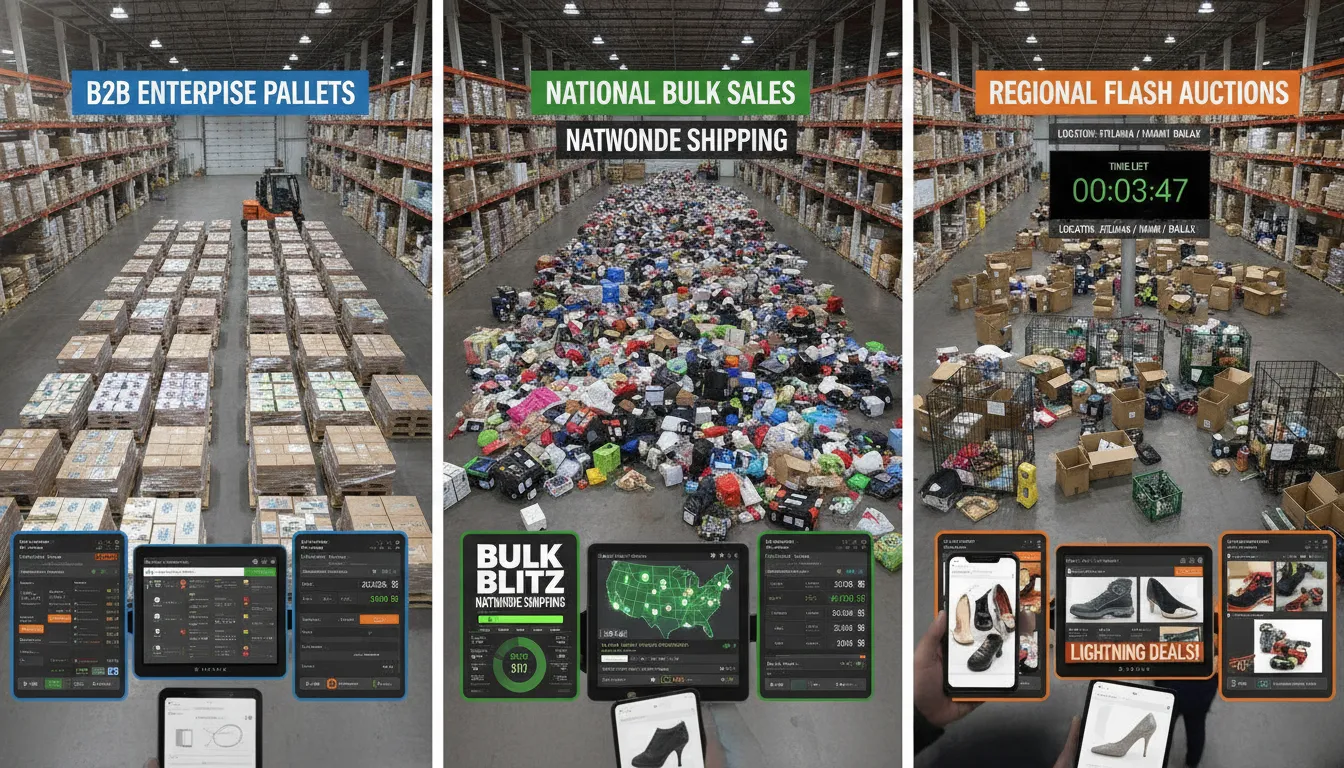
The liquidation market gives you three distinct ways to buy stock. QuickBidz runs daily flash auctions for fast inventory turnover. B-Stock powers private enterprise marketplaces for the largest U.S. retailers. Liquidation.com operates as a national bulk marketplace with broad category selection. Your choice depends on your volume needs, budget, and location.
- B-Stock runs a massive network of private auction sites for the biggest names in retail. Their system powers marketplaces for nine of the top 10 U.S. retailers, including Amazon and Walmart. Currently, B-Stock operates over 65 private marketplaces where large sellers move truckloads of goods directly to buyers.
- Liquidation.com is a full-service site that sells large pallets to a national audience. Most bids start at $100, and items come from a wide range of retail categories. Because they ship across the country, they serve resellers who need bulk volume but do not want to manage private store contracts.
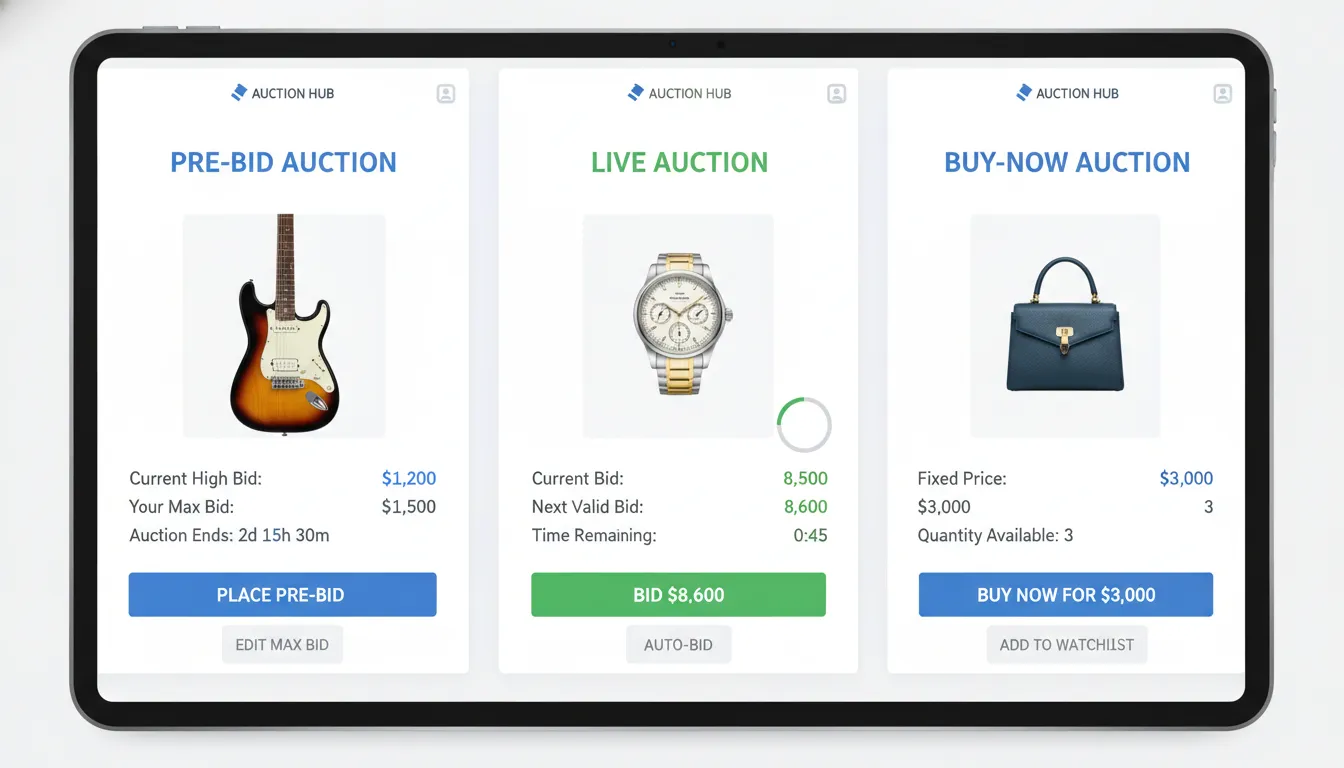
- QuickBidz is a fast-moving platform built for resellers in Texas and North Carolina. Unlike national sites that focus on bulk truckloads, QuickBidz uses daily flash auctions with bids starting at just $5. The site gives you three ways to buy: you can pre-bid, join a live bid, or use a "buy now" option for instant wins.
By comparing popular liquidation platforms, you can find the best fit for your budget and location.
How Do Pricing and Fees Compare?
Every liquidation platform has its own cost structure. QuickBidz uses low entry pricing with a transparent 13% buyer's premium. B-Stock and Liquidation.com require higher starting bids that can block small resellers from participating. The table below breaks down the key differences so you can calculate your true cost per lot.
- QuickBidz uses a clear fee plan where most lots carry a 13% buyer's premium added to the final bid. You will also see a small lot fee and state tax on your final bill. Starting bids begin at just $5, making it the most accessible option for small buyers.
- B-Stock has higher entry costs that can block new sellers. Starting bids often reach $1,000 or more for large lots. Research shows that competitive auction bidding can push a $1,000 starting bid up to $2,300 or more during the live phase.
- Liquidation.com starts many bids at $100, placing it between QuickBidz and B-Stock in terms of entry cost. Fees vary by item type rather than using a single premium percentage.
Most online B2B sites do not own the items they sell. Instead, they use fees to cover the cost of the work and the tech used to run the site. These fees help support the network of retail partners and ensure you have a steady stream of new goods to bid on every day.
One major advantage of QuickBidz is the Buy Now tool, which lets you skip the auction for some items. If you see an item you like at a fair price, you can buy it on the spot. This gives you a sure price that you will not find on B-Stock or Liquidation.com, where you must wait for the clock to run out. By using Buy Now, you can secure your stock and get back to selling faster.
| Feature | QuickBidz | B-Stock | Liquidation.com |
|---|---|---|---|
| Starting Bids | $5 and up | $1,000 for many lots | $100 and up |
| Standard Fees | 13% Premium Lot Fee | Changes by site | Changes by item type |
| Purchase Options | Pre-bid, Live, Buy Now | Auction only | Auction based |
| Payment Terms | Pay at pickup or online | Net 30 offered | Wire or credit card |
How Do Auction Formats and Buying Options Compare?
The way you buy inventory can be just as important as what you buy. QuickBidz uses a fast-paced flash auction model with three purchase paths. B-Stock and Liquidation.com rely on traditional timed auctions with fixed end times. Your preferred buying style should guide which platform fits your business best.
- QuickBidz stands out by giving you three ways to win a lot. You can place a pre-bid before the live event, join the live bid for a fast-paced game, or skip the wait with Buy Now. Auctions run on a flash schedule lasting just 10 to 48 hours, meaning you can find, bid on, and win items in a single day.
- B-Stock uses private marketplaces with daily drops at 1pm EST. Based on Stanford research, set end times can help a site make more money, but they make the buyer wait on a slow clock. This style is easy to track but lacks the speed that many small sellers need to stay stocked.
- Liquidation.com uses standard auction cycles with fixed end times. While they offer many goods, the slow pace can be hard for those who need to flip items fast. Buyers must choose when to jump in to avoid a high price when intense bidding competition pushes costs up as the clock ticks down.
If you need help getting started, check the QuickBidz bidding guide for tips on how to win more lots. You can also learn more in our liquidation auctions guide.
Inventory Quality, Categories, and Product Conditions
Buying stock at the right quality level is the most critical part of a reselling business. QuickBidz offers more than 6,000 listings across seven main product groups. B-Stock moves over 140 million units per year through private marketplaces. Liquidation.com covers a wide national range. Each platform uses different grading systems and lot sizes that affect your profit margins.
How these sites source their stock
- QuickBidz offers listings across categories including tools, home goods, electronics, and kids gear. You can buy single items or small lots to start small and grow over time. Products are sorted into three clear condition tiers: Brand New, Open-Box, and Pre-Owned.
- B-Stock runs more than 65 private marketplaces for names like Amazon and Target, selling more than 140 million units each year. These big sites often act as links rather than owners of the stock. You must be ready to buy in high volume.
- Liquidation.com gets stock from places like Wayfair and Overstock. They handle all sorts of products and serve buyers across the country. While a good source for big buys, QuickBidz gives you more detail at the item level. Which is helpful if you do not have a huge warehouse for storage.
Three tiers of product condition
- Brand New items are fresh from the shop and ready to sell at full retail price.
- Open-Box items may have been opened by a buyer but are still like new with minimal signs of handling.
- Pre-Owned items show some signs of use but offer the lowest cost. These are great for buyers who can clean or fix items for a higher resale price.
You can find electronics liquidation auctions and home goods across all three sites. Large sites use their own rules to grade stock, with some lots marked as salvage meaning items may be broken or missing parts. QuickBidz uses clear labels to help you see the risk, so you can buy with confidence. Always read the lot details before you place a bid on return auction sites.
Shipping, Pickup, and Logistics
Shipping costs can often make or break your profit margins in the resale trade. QuickBidz offers free local pickup at three hubs, while B-Stock and Liquidation.com rely on national freight networks. When comparing popular liquidation platforms, how you get your goods is as vital as what you pay for them.
- QuickBidz uses a regional model with free local pickup at three hubs in Fort Worth, Grand Prairie, and Charlotte. Picking up your items can save you 30% to 50% on shipping costs compared to national freight. You also get to inspect items before taking them to ensure they match the lot details.
- B-Stock and Liquidation.com work on a much larger scale with broad national reach. These sites use a large network of retail partners to move goods across the country. B-Stock also gives Net 30 payment terms to help high-volume buyers manage cash while they wait for stock to arrive.
- Long-distance shipping poses risks of damage that can hurt your gains. Major platforms act as middlemen and often do not own the goods they sell, as noted by Stanford research on B2B marketplaces. This can make claims for damage harder to file. By using a local platform with free pickup, you cut out the risk and ensure your goods arrive in one piece.
Which Platform Is Right for Your Business?
The right platform depends on your budget, storage space, and how much inventory you move each month. QuickBidz suits small-to-medium resellers who need daily fresh stock. B-Stock serves enterprise buyers handling truckload volumes. Liquidation.com works as a middle-ground option for growing resellers who need national variety.
- Best for Small to Mid-Sized Sellers: QuickBidz is the best choice for small-to-medium resellers who need fresh stock every day. With bids starting at $5, free local pickup at three hubs, and daily flash auctions paired with Buy Now options, you get flexibility without high freight costs. Start bidding on QuickBidz today.
- Best for Enterprise and Volume Buyers: B-Stock is built for large B2B buyers who want direct access to major retail loads. It powers marketplaces for nine of the top ten U.S. retailers like Amazon and Walmart. Ideal if you can handle $1,000 bids and truckload volumes with Net 30 payment terms.
- Best for Broad Category Selection: Liquidation.com works well if you want many items from different stores with national shipping. It offers more categories than some regional sites, but shipping fees can be high for single pallets. A solid middle ground for buyers who have outgrown small lots.
Frequently Asked Questions
How does Liquidation.com compare to B-Stock?
Liquidation.com is a large site where you can find goods from many sources in one place. In contrast, B-Stock is a network of separate stores run by large brands. According to EntreResource, B-Stock's network powers the sites for nine of the top ten stores in the U.S. This means B-Stock offers direct access to big brand stock, while Liquidation.com provides more choice through a single site.
Do I need a resale certificate to buy liquidation lots?
While rules vary, most sites ask for a valid resale form to waive sales tax on your orders. QuickBidz allows both businesses and people to bid, but having a certificate is helpful if you plan to sell the items for a profit. According to EntreResource, a resale license is a standard need for sellers using top sites. Always check the rules for each site to see what papers you need to upload before you start bidding.
How long do QuickBidz flash auctions typically last?
QuickBidz auctions are made for speed and usually last between 10 and 48 hours. These short windows allow for fast sales so you can get your stock quickly. In contrast, national sites may have cycles that last a full week or more. According to B-Stock, their private marketplaces operate on different schedules set by the brands. Short auction times help small sellers keep their cash moving and their stock fresh with new deals every day.
Which platform should a new reseller choose first?
If you are just starting out, QuickBidz is often the best choice because of its daily auctions and low starting bids. You can buy smaller lots to test your local market without spending a lot of money at once. B-Stock and Liquidation.com are great for growing your business later when you need full pallets. According to Select Liquidation, choosing the right site depends on your current budget and how much storage space you have.
Do B-Stock and Liquidation.com charge buyer premiums?
Yes, both platforms charge buyer premiums that vary by marketplace and item type. B-Stock's premium is set individually per private marketplace and can range from 10% to 18% depending on the retailer running the sale. Liquidation.com also charges a buyer premium that changes by product category. QuickBidz uses a flat 13% buyer's premium across all lots, making it easier to calculate your total cost upfront without surprises.
Start Bidding on Daily Flash Auctions to Grow Your Business
The best time to secure high-quality liquidation stock is right now. Every day you wait, other resellers are snapping up the best lots at the lowest prices. With QuickBidz, you get daily flash auctions, starting bids as low as $5, and free local pickup at three convenient locations in Texas and North Carolina.
Do not let expensive shipping fees and high minimum bids eat into your profits. QuickBidz gives you the flexibility to buy what you need, when you need it, at a price that makes sense for your business.
Ready to grow your resale business? Request your free QuickBidz account and start bidding on daily flash auctions today.