.png)
Business Liquidation Auctions: A Beginner's Guide
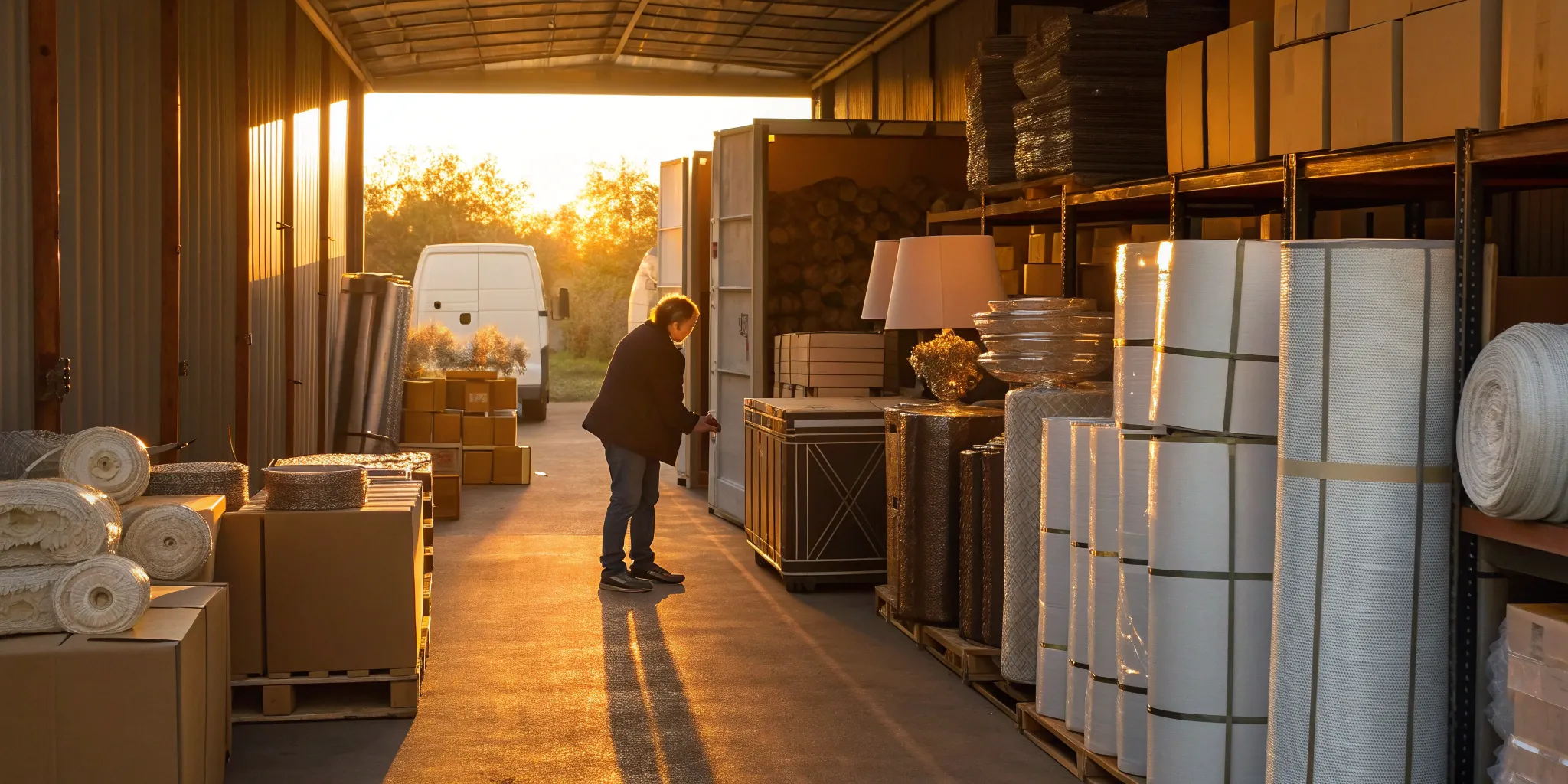 Ever wonder what happens to the inventory from a major retailer that closes a store, or the high-end equipment from an office that’s upgrading? It doesn't just disappear. Much of it finds its way into business liquidation auctions, creating a treasure trove for savvy shoppers. This is your chance to get your hands on brand-new, premium goods for a fraction of their retail price. From designer apparel and home appliances to tools and electronics, the variety is astounding. This guide will walk you through everything you need to know, from how these auctions work to the strategies that will help you win. It’s the ultimate secret to scoring incredible deals.
Key Takeaways
- Do your homework before you bid: Success starts before the auction begins. Always review the auction's terms, carefully study item descriptions and photos, and set a firm budget to ensure your winning bid is a true bargain.
- Access premium goods for less: Liquidation auctions are your ticket to scoring high-quality, brand-name items—from electronics to fashion—at a fraction of retail prices. They are open to everyone, offering a huge opportunity for both personal shoppers and business owners.
- Bid with your head, not your heart: Avoid overpaying by deciding on your maximum price before bidding starts and sticking to it. Remember to factor in extra costs like the buyer's premium and have a clear plan for payment and pickup after you win.
What is a Business Liquidation Auction?
Ever wonder what happens to all the stuff inside a store that’s closing down or an office that’s upgrading its equipment? Often, it ends up in a business liquidation auction. Simply put, a liquidation auction is a sale where a company’s assets—from office chairs and computers to brand-new inventory—are sold to the highest bidder. This usually happens when a business needs to generate cash quickly, perhaps because it's closing, downsizing, or just clearing out overstock.
For savvy shoppers and small business owners, this is a golden opportunity. It’s your chance to acquire high-quality goods for a fraction of their retail price. Instead of those items ending up in a landfill, they get a second life with someone who can put them to good use. Think of it as the ultimate treasure hunt, where the prizes are top-notch products at incredible prices. At Quickbidz, we specialize in bringing these treasures directly to you, from luxury fashion to home appliances.
How Do They Work?
The idea of an auction might seem intimidating, but the process is usually straightforward. Most liquidation auctions, especially online ones, follow a simple format. First, you register as a bidder. Then, the auction house lists items or lots (groups of items) that are up for grabs, complete with descriptions and photos. There’s typically a designated time for you to inspect the items, which is a step you should never skip.
Once the bidding opens, you can place your bids on the items you want. The auction runs for a set period, and whoever has the highest bid at the end wins. If you’re the winner, you’ll pay for your item and arrange for pickup. Every auction has its own set of rules, so it’s always a good idea to understand how the process works before you jump in.
Why Businesses Sell Their Assets
Businesses liquidate assets for all sorts of reasons, and it’s not always because of financial trouble. While closing down is a common reason, many healthy companies use liquidation as a practical way to manage their inventory and equipment. A business might be upgrading its technology and need to sell off old computers, or a retailer might have seasonal overstock they need to clear out to make room for new products.
For these companies, a liquidation auction is an efficient way to recoup value from assets they no longer need. This creates a win-win situation: the business frees up space and capital, and you get access to everything from tools and outdoor gear to home furniture at a fantastic price.
Common Myths About Liquidation Auctions
Let's clear up a few common misconceptions about liquidation auctions. One of the biggest myths is that everything being sold is old, broken, or undesirable junk. In reality, you can find a huge variety of high-quality, brand-name, and even new-in-box items. Businesses liquidate valuable assets, including excess inventory from major retailers, which is how you can score amazing deals on things you actually want.
Another myth is that these auctions are only for professional resellers or big-time business owners. Not true at all! Anyone can participate. Whether you’re a bargain hunter looking for a new TV, a DIY enthusiast stocking up on tools, or a small business owner furnishing an office, liquidation auctions are open to everyone. The key is to know what you’re looking for and bid smart.
What Can You Find at a Liquidation Auction?
Think of a liquidation auction as a massive treasure hunt where the map leads to incredible deals. The sheer variety of items is what makes it so exciting. You aren't just bidding on used or unwanted goods; you're often getting access to brand-new, overstocked inventory, shelf-pulls, or customer returns from major national retailers. One day you might find a pallet of designer handbags, and the next, a high-end espresso machine still in its box. The inventory is constantly changing, which means there’s always something new to discover.
For small business owners, this is a fantastic way to source high-quality inventory at a fraction of the retail cost. For individuals, it’s an opportunity to furnish your home, upgrade your electronics, or find tools for your next big project without breaking the bank. The key is to keep an open mind and check listings frequently. You can get a great sense of the possibilities by looking through the vast range of products available and checking out the results of past auctions to see what others have scored. From home goods and furniture to sports equipment and baby gear, the selection covers nearly every aspect of life. This isn't about sifting through junk; it's about finding genuine value on items you'd otherwise pay full price for. The thrill comes from the unpredictability and the satisfaction of landing a truly amazing deal.
Retail and Brand-Name Merchandise
If you love fashion and brand names but not the high price tags, liquidation auctions are your new best friend. This is where you can find everything from luxury brand-name apparel and designer shoes to everyday clothing from popular retailers. These items often come from store overstock or end-of-season clearances. For resellers, this is a goldmine for sourcing inventory with high profit margins. For personal shoppers, it’s a chance to build a premium wardrobe on a budget. You can also find health and beauty products, fitness gear, and accessories, often in brand-new condition.
Office Furniture and Equipment
Whether you’re a startup setting up your first office or just looking to create a more functional home office, liquidation auctions are a smart place to look. Businesses that are downsizing, relocating, or upgrading their equipment often liquidate their assets. This means you can find high-quality desks, ergonomic chairs, filing cabinets, and other essential office furniture for pennies on the dollar. It’s a budget-friendly way to create a professional and productive workspace without compromising on quality. Keep an eye out for bundles that can furnish an entire room in one go.
Electronics and Home Appliances
From the latest gadgets to essential home appliances, the electronics category is one of the most popular at liquidation auctions. You can find Smart TVs, laptops, tablets, gaming consoles, and sound systems from top brands. These items are often customer returns or open-box products that are in perfect working condition. The same goes for home appliances—think refrigerators, washing machines, air fryers, and vacuums. Bidding on these electronics and appliances can save you hundreds, or even thousands, of dollars compared to buying new from a retail store.
Tools and Industrial Machinery
For the DIY enthusiast, contractor, or hobbyist, the tools and outdoor equipment section is a dream come true. You can find everything from hand tools and complete socket sets to heavy-duty power tools like drills, saws, and sanders. These items often come from major hardware store liquidations, meaning you’re getting reliable, professional-grade equipment. It’s also a great place to find landscaping gear, gardening supplies, and outdoor furniture. Why pay full price for a tool you might only use for one project when you can get it at a deep discount?
Who Can Bid at a Liquidation Auction?
One of the biggest misconceptions about liquidation auctions is that they’re exclusive, members-only events for big-time resellers. The truth is, they’re open to just about everyone. Whether you’re a small business owner hunting for inventory, a startup furnishing your first office, or just someone who loves scoring an incredible deal on a new TV, you have a seat at the table. These auctions are designed to be an efficient and straightforward way for anyone to purchase goods. You’ll find a diverse crowd bidding, from seasoned business buyers to individuals just like you.
Individuals vs. Business Buyers
You don’t need a special license or a registered business to participate in most liquidation auctions. Individuals are welcome and make up a large portion of bidders. Maybe you’re looking for high-end fashion without the retail markup, searching for new appliances for a home remodel, or just want to find unique items for a fraction of the price. On the other side, business buyers often use these auctions to source inventory for their own retail stores, flea market stalls, or online shops. They might buy individual items or entire pallets of merchandise to restock their shelves, making liquidation a key part of their business strategy.
How to Register and Qualify
Getting started is simpler than you might think. The first step is always to register with the auction platform. At Quickbidz, this process is straightforward and gets you ready to bid in no time. You’ll typically provide some basic information to create an account, which acts as your virtual bidder's card. Before you place your first bid, it’s a great idea to read through the auction’s terms and conditions. Our How It Works page breaks down everything you need to know, from bidding rules to payment and pickup details. Being informed ensures you can bid with confidence and professionalism, making the whole experience smooth and successful.
Where to Find Business Liquidation Auctions
Once you’re ready to start bidding, you need to know where to look. Luckily, liquidation auctions are more accessible than ever, happening both online and in person. Finding the right venue often comes down to what you’re looking for and how you prefer to shop. Whether you’re a small business owner stocking up on inventory or a bargain hunter looking for a great deal on a new TV, there’s an auction out there for you. The key is to explore your options and find the platforms that consistently offer the kinds of products you want.
Online Platforms (Like Us!)
The easiest way to get started is with online auction platforms. Websites like ours at Quickbidz bring the auction house directly to you, letting you browse and bid from your computer or phone. This is perfect for busy people who can’t spend a day at a physical auction. You can find a huge variety of items, from electronics and appliances to high-end fashion, often sourced from major retailers. The convenience is unmatched—you can set bid reminders, watch items you’re interested in, and participate in multiple auctions at once without ever leaving home. It’s a straightforward way to access a wide range of products at competitive prices.
Local Auction Houses
If you prefer a more hands-on approach, local auction houses are a fantastic option. These are physical locations that host live liquidation events. The biggest advantage here is the ability to inspect items in person before you bid, which can be a huge plus when you’re buying used equipment or high-value goods. Attending a local auction is also a great way to connect with other buyers and get a feel for the market in your area. For small businesses and entrepreneurs, these events can be a goldmine for acquiring quality inventory and equipment directly from other local companies that are closing their doors.
Government Surplus Sales
Don’t overlook government agencies as a source for liquidated goods. Federal, state, and local governments regularly auction off surplus property they no longer need. This can include everything from office furniture and computers to vehicles and heavy machinery. These sales are a way for government bodies to recoup value from their assets, and for savvy buyers, they present an opportunity to get high-quality, durable items at a fraction of their original cost. You can typically find these auctions listed on dedicated government surplus websites, so it’s worth checking them out periodically to see what’s available.
The Pros and Cons of Liquidation Auctions
Liquidation auctions are an incredible way to find amazing products, but it’s smart to go in with your eyes wide open. Think of it like a treasure hunt—the potential rewards are huge, but you need to know what you’re looking for and how to spot the real gems. The excitement of the auction environment is part of the fun, but the most successful bidders are the ones who understand both the advantages and the potential challenges.
The biggest upside is, of course, the price. You can get high-quality, brand-name goods for a fraction of what they’d cost in a store. But you also need to be mindful of things like item condition and the competitive nature of bidding. By understanding the full picture, you can develop a strategy that lets you find fantastic deals on everything from home goods to electronics without any surprises. Let’s break down what you can expect.
Pro: Score Big Savings on Premium Goods
Let’s start with the best part: the incredible value. The primary reason people flock to liquidation auctions is the chance to acquire premium merchandise at deeply discounted prices. When a business needs to clear out inventory, they’re often more focused on speed than getting top dollar. This urgency creates a huge opportunity for you. You can find high-end fashion, brand-name appliances, and sought-after tools for pennies on the dollar. For resellers, this means higher profit margins. For personal shoppers, it means finally getting that luxury item you’ve been eyeing without breaking the bank.
Con: Item Condition and Return Policies
Here’s something to keep in mind: items at liquidation auctions are typically sold "as-is." This means the condition can vary. You might find items that are brand new in a slightly damaged box, store returns with minor cosmetic flaws, or used equipment. Because of this, return policies are often very limited or non-existent. It’s not like shopping at a big-box retailer where you can bring something back no questions asked. This is why it’s so important to read the item descriptions thoroughly and understand the auction’s specific rules and policies before you place a bid.
Con: Facing Off Against Other Bidders
You’re not the only one searching for a great deal. Auctions are competitive by nature, and you’ll be bidding against other savvy shoppers and small business owners. It’s easy to get caught up in the excitement and end up in a bidding war, which can drive the price up and blow your budget. The key to avoiding this is preparation. Before the auction even starts, decide on the absolute maximum price you’re willing to pay for an item and stick to it. A firm budget is your best defense against overspending in the heat of the moment.
How to Prepare for Your First Auction
Jumping into your first auction can feel like a mix of excitement and nerves. The key to walking away with a great deal instead of buyer's remorse is preparation. A little bit of homework before the bidding starts can make all the difference, helping you bid with confidence and a clear strategy. Think of it less like gambling and more like a calculated treasure hunt. By understanding the rules, knowing exactly what you’re bidding on, and having a firm budget, you put yourself in the best position to win the items you truly want at a price that makes sense for you.
Research the Auction and Its Rules
Before you even think about placing a bid, take some time to understand the specific rules of the game. Every auction is a little different. You’ll want to know the basics, like what payment methods are accepted, the schedule for picking up your items, and if there’s a buyer’s premium (a percentage added to your winning bid). At Quickbidz, we lay everything out on our How it Works page to make it simple. Reading the terms and conditions isn't the most exciting part, but it prevents surprises later. Knowing the rules ensures a smooth process from bidding to bringing your new items home.
Inspect the Items (Don't Skip This!)
Most liquidation items are sold "as-is, where-is," which means what you see is what you get. This makes inspection one of the most critical steps. For online auctions, this means carefully studying all the photos, reading the descriptions in full, and paying close attention to any notes about an item's condition. Are all the pieces included? Is there visible wear and tear? Understanding the true condition helps you determine an item's actual value and what it’s worth to you. This is especially important for categories like Electronics & Appliances, where functionality is key. Don't let the thrill of a potential deal cause you to overlook important details.
Set Your Budget and Stick to It
This is the golden rule of any auction. It’s incredibly easy to get caught up in the excitement of a bidding war and spend more than you intended. To avoid this, decide on your maximum price for an item before the auction begins and commit to it. Remember to factor in any extra costs, like the buyer's premium and sales tax, so you know your total out-of-pocket expense. Looking at past auctions can give you a good idea of what similar items have sold for. Having a firm number in mind helps you bid logically instead of emotionally, ensuring your winning bid is actually a win for your wallet, too.
Smart Bidding Strategies to Help You Win
Walking into an auction with a plan is the single best thing you can do to get a great deal. It’s not always about having the deepest pockets; it’s about being the smartest bidder in the room (or, in our case, on the screen). A little bit of strategy goes a long way in helping you score that pallet of brand-name goods or that perfect piece of furniture without overpaying. The thrill of the auction is real, but winning feels even better when you know you played your cards right.
Before you place a single bid, it’s important to understand how our auctions work. Every auction has its own rhythm and rules, and knowing them is your first strategic advantage. From there, you can build a bidding approach that fits your budget and your goals. Think of it less like a guessing game and more like a friendly competition where you have the inside scoop. These tips will help you develop a winning mindset and a practical plan for your next auction.
Understand the Auction Format
First things first: not all auctions are created equal. Each one has a specific structure, and understanding the rules is crucial for success. For example, some auctions have a "soft close," meaning if a bid is placed in the final moments, the clock will extend to give others a chance to respond. Others have a hard cutoff, where the highest bid wins the second the timer hits zero.
Always read the terms and conditions for the specific auction you’re interested in. Pay attention to details like bid increments (the minimum amount you must raise the bid by) and whether there are any buyer's premiums. Knowing these details prevents surprises and allows you to bid with confidence. Taking a few minutes to get familiar with the format for the different categories on our site will make you a much more effective bidder.
Time Your Bids for Maximum Impact
When should you place your bid? It’s the million-dollar question. Some bidders like to place a solid bid early to establish their position and potentially discourage competition. Others prefer to wait until the final seconds to "snipe" the win, hoping to catch others off guard. Both approaches have their merits.
Timing your bids strategically can help you secure the best deals. If you’re new, a great way to get a feel for the flow is by reviewing past auctions to see how bidding wars played out. A good middle-ground strategy is to set your maximum bid in the system and let it automatically bid for you. This way, you stay in the game without having to be glued to your screen, and it helps you stick to your budget.
How to Avoid Emotional Bidding
It’s easy to get caught up in the excitement of a bidding war. You see an item you really want, and the competitive spirit takes over. This is what’s known as "emotional bidding," and it’s the fastest way to overpay. The key is to separate the thrill of the chase from the actual value of the item.
Before the auction even starts, decide on the absolute maximum price you are willing to pay and write it down. This is your line in the sand. Being aware of your emotional triggers can help you make more rational decisions. If the bidding for popular items surpasses your limit, let it go. There will always be another auction and another great deal. Sticking to your budget is the ultimate win.
You Won! What's Next?
The thrill of placing the winning bid is fantastic, but what happens after the digital gavel falls? That moment of victory is exciting, but the post-auction process is just as important as the bidding itself. Don't worry, it's not complicated. Once you receive that "Congratulations!" notification, a few simple steps will get your new treasures from our warehouse to your home or business. It’s a straightforward process that usually involves paying for your items, arranging for pickup, and understanding the final cost. We've designed everything to be as smooth as possible so you can quickly get your hands on the great deals you just scored. Think of it as the final, easy leg of your bargain-hunting adventure. This section will walk you through exactly what to expect, so you feel confident from the final bid to the moment you load up your car. Knowing these details ahead of time helps you plan accordingly, especially if you've won larger items or multiple lots. Let's break down the simple steps to claim your winnings.
How to Pay for Your Items
After your win, the first step is to settle your invoice. Every auction platform has its own specific rules, so it’s crucial to read the terms and conditions before you even bid. Most online auctions, including ours, will have a clear and simple payment process outlined on their website. You’ll typically receive an invoice via email shortly after the auction closes. Be sure to check the payment deadline—it’s often within a day or two. Most platforms accept major credit cards, and the entire process is usually handled through a secure online portal. For a detailed walkthrough, you can always review the auction’s How it Works page to ensure you know exactly what to expect.
Arranging Pickup and Logistics
One of the best parts of local liquidation auctions is that you get your items quickly without waiting for shipping. After you’ve paid, you’ll need to arrange to pick up your winnings. The auction details will always specify the pickup location, dates, and times. Pay close attention to this schedule, as the pickup window can be tight. Plan ahead, especially if you’ve won large items like furniture, appliances, or entire pallets of merchandise. Make sure you bring a vehicle that’s large enough for your haul and consider bringing a friend to help with any heavy lifting. The auction staff is there to manage the process, but you’re responsible for loading your items.
Be Aware of Extra Fees
To be a smart bidder, you need to understand that your winning bid isn’t the final price you’ll pay. It’s standard practice for auction houses to add a couple of extra fees to the hammer price, and these should always be factored into your budget. The most common addition is the "buyer's premium," which is a percentage of the winning bid that goes to the auction house to cover their operational costs. You’ll also need to account for local sales tax. These fees are never hidden; they are always clearly stated in the auction’s terms and conditions. Reading the fine print ensures there are no surprises when you get your final invoice.
Common Mistakes to Avoid
Jumping into liquidation auctions is exciting, but it’s easy to make a few rookie mistakes that can turn a potential bargain into a bust. The most successful bidders I know are the ones who are patient, prepared, and know what pitfalls to look out for. By steering clear of these common errors, you can protect your wallet and make sure you’re consistently walking away with incredible deals. Think of it as your essential checklist for smart, strategic bidding.
Overestimating an Item's Value
It’s easy to get swept up in the thrill of the bid and imagine an item is worth more than it is. A common myth is that liquidation goods are either total junk or priceless treasures, but the reality is usually somewhere in between. Before you place a single bid, do a little homework. A quick search on Google or eBay for the same or similar items can give you a realistic sense of its market value. This simple step helps you set a firm budget and ensures you’re actually getting a deal, not just winning an item. Remember, the goal is to find high-value goods like home and furniture for pennies on the dollar, and that starts with knowing their true worth.
Skipping the Inspection
I can’t stress this enough: if you have the chance to inspect an item in person, take it. Photos and descriptions can be helpful, but they don’t always tell the whole story. Most local auctions, including ours, offer a preview day where you can see everything up close. This is your opportunity to check for scratches on a table, test an electronic device, or make sure a box of apparel is in the condition you expect. Skipping this step is a gamble. Taking ten minutes to verify an item’s condition is one of the smartest moves you can make and is a key part of how it works for savvy bidders. It’s the difference between confidence and hope.
Not Reading the Auction Terms
Every auction operates with its own set of rules, and ignoring them is a recipe for a headache. The auction terms contain critical information you need to know before you bid. This includes details on payment deadlines, accepted payment methods, buyer’s premiums (a fee added to your winning bid), and pickup schedules. Forgetting to read the terms could mean showing up to find you have to pay an unexpected fee or that you missed your narrow pickup window. Taking a few minutes to understand the rules ensures a smooth process from bid to pickup and helps you avoid any unwelcome surprises after you’ve already won.
How to Maximize Your Success
Winning consistently at liquidation auctions goes beyond just placing the highest bid. It’s about playing the long game with smart strategies that turn good deals into great ones. Whether you’re hunting for personal treasures or sourcing inventory for your business, a little preparation can make a huge difference. Think of each auction as an opportunity to refine your approach.
The most successful bidders don’t rely on luck. They understand the platform, they know what they’re looking for, and they have a clear plan for what comes next. By focusing on a few key areas, you can move from being a casual participant to a savvy buyer who knows how to spot value and win it. The three pillars of success are building good relationships, planning for your wins, and treating every auction as a learning experience. Mastering these will help you get the most out of every bid you place. If you're new to the process, a great first step is to understand exactly how it works on our platform.
Build a Relationship with the Auctioneer
It’s easy to forget, but there are real people managing the auctions you participate in. Building a positive, professional relationship with the auction team can make your entire experience smoother. This doesn’t mean asking for special favors; it means being a great customer. Communicate with clarity and honesty, ask questions respectfully, and make sure you fully understand the terms before you bid. When you’re known as a reliable and professional bidder, you’ll find that interactions, from asking for more information to scheduling your pickup, become much more straightforward. A little professionalism goes a long way in building trust.
Have a Plan for Your Winnings
The excitement of winning is fantastic, but it’s what you do after the auction that truly matters. Before you even place a bid, you should have a post-auction plan. If you’re buying a large piece of furniture, how will you get it home? If you’re a reseller who just won a pallet of merchandise, where will you store it, and what’s your strategy for listing and selling the items? Thinking through these logistics ahead of time prevents buyer’s remorse and ensures your great deal doesn’t turn into a costly headache. Your plan should cover transportation, storage, and, if applicable, your path to reselling for a profit.
Learn from Every Auction
Every auction, whether you win or lose, is a chance to learn. Before you jump in, spend some time just observing. Watch how auctions unfold for different categories and take note of how other people bid. You can gain valuable insights by reviewing past auctions to see what items sold for, which helps you understand the true market value. After an auction, reflect on your own bidding. Did you get swept up in the moment and bid more than you planned? Did you miss out because you hesitated? Analyzing both your wins and your losses will help you refine your strategy, making you a smarter, more confident bidder next time.
Related Articles
- How it Works | Quickbidz
- Quickbidz Liquidation Auctions
- Miscellaneous | Quickbidz
- About Us | Quickbidz
- Terms & Conditions | Quickbidz
Frequently Asked Questions
Is everything sold at these auctions used? Not at all! This is one of the biggest myths about liquidation. While you can find used items, a huge portion of the merchandise is brand-new overstock, shelf-pulls, or open-box customer returns from major national retailers. We are always transparent about an item's condition in the description, so you know exactly what you’re bidding on.
What happens if I can't pick up my items during the scheduled window? The pickup schedules are firm because we need to clear the space for the next round of amazing items. Before you place a bid, be sure to check the pickup dates and times to make sure you can make it. If you don't retrieve your items during the designated window, you may have to forfeit them without a refund, so planning ahead is key.
Do I need a business license to buy and resell items? You don't need any special license to register and bid with us—our auctions are open to everyone. If you plan to resell the items you win, you should look into your local and state requirements for operating a business. That process is separate from the auction itself, which anyone can participate in.
How can I be sure I'm actually getting a good deal? The best way to feel confident in your purchase is to do a little homework before you bid. A quick online search for an item can give you a good idea of its retail price. Based on that, you can set a maximum bid that you're comfortable with. A great deal is one that fits your budget, so sticking to your number is the smartest way to shop.
What does 'as-is' really mean? Can I return something if it's broken? "As-is" means you are buying the item in its current state, whatever that may be. This is why it's so important to carefully read the descriptions, look at all the photos, and inspect items in person when possible. Because of the deep discounts, all sales are final, and we don't accept returns. This is a key difference from traditional retail, and it's how we're able to offer such incredible prices.