.png)
Where to Buy Amazon Return Pallets: A Beginner's Guide
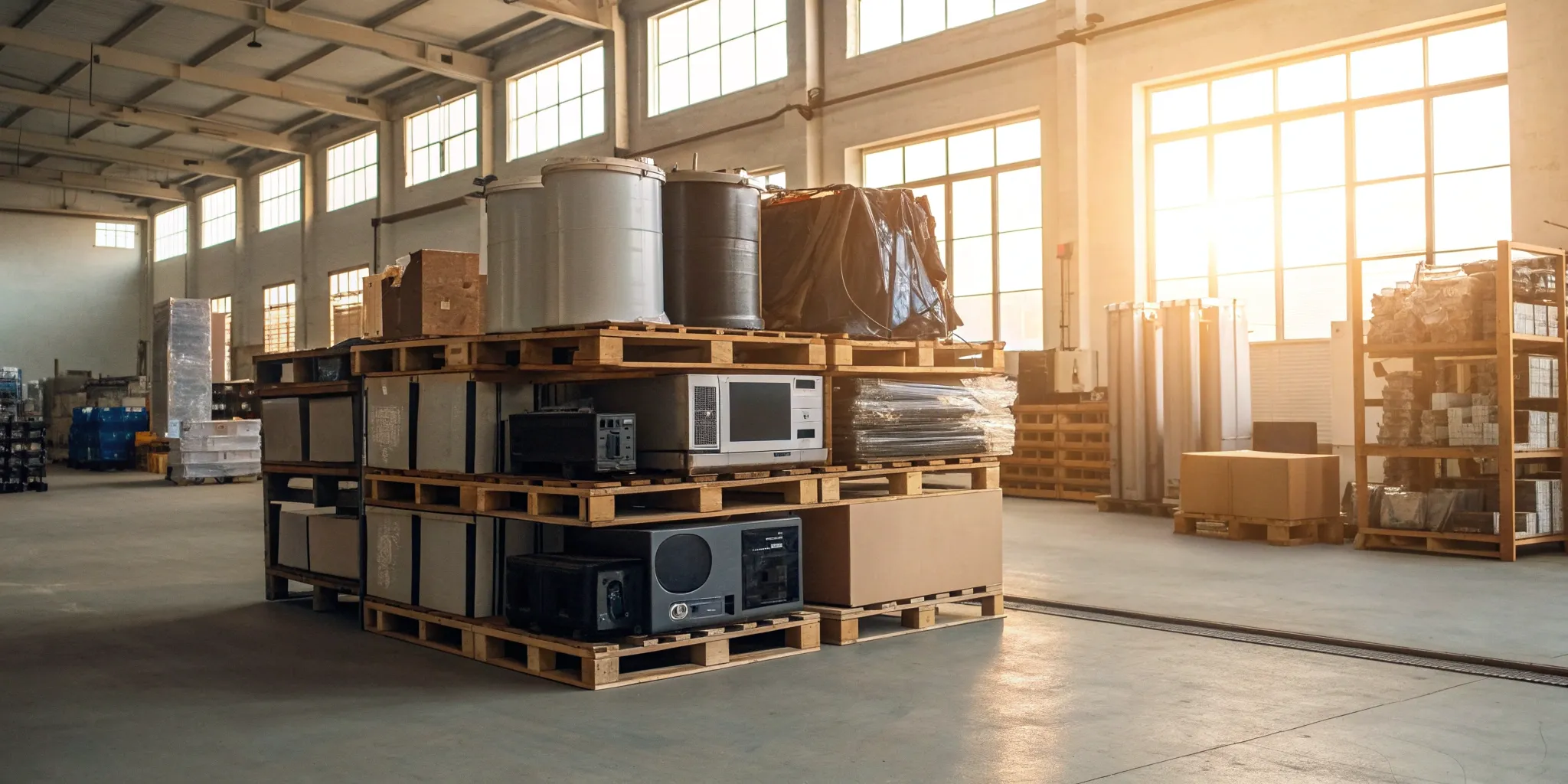 If you’re a reseller in the Dallas-Fort Worth area, you have a major advantage that others don’t: the ability to skip shipping costs. Shipping is often the biggest hidden expense in pallet flipping, capable of turning a great deal into a break-even situation. By sourcing locally, you can pick up your winnings yourself and keep that money in your pocket. For DFW entrepreneurs, the question of where to buy Amazon return pallets has a simple answer: right here in your own backyard. At Quickbidz, we provide a local source for premium liquidation auctions, giving you a direct line to incredible inventory without the massive freight bill.
Key Takeaways
- Bid with Your Head, Not Just Your Gut: The most successful resellers rely on data, not luck. Use the manifest to research an item's resale value and always calculate your total cost—including auction fees and shipping—to determine your maximum bid and protect your profit margin.
- Plan for Imperfection: Not every item in a return pallet will be a winner. A good rule of thumb is to expect 15-25% of the contents to be damaged or unsellable. Factoring this into your budget from the start helps you make smarter, more realistic purchasing decisions.
- Maximize Value After the Win: Your real work begins after the pallet arrives. Increase your return by making simple repairs, bundling smaller items into attractive packages, and selling products on the right platform, using local marketplaces like Facebook Marketplace to avoid shipping large items.
What Exactly Is an Amazon Return Pallet?
Think of an Amazon return pallet as a large, shrink-wrapped bundle of mystery goods. These are typically items that customers have sent back to Amazon for any number of reasons. They can also include overstocked products or clearance items that Amazon needs to move out of its warehouses. Instead of inspecting, repackaging, and relisting every single returned product, it's more efficient for Amazon to group them onto pallets and sell them at a steep discount.
This process creates a fantastic opportunity for small business owners, resellers, and savvy shoppers. By purchasing these pallets, you get access to a wide variety of merchandise for a fraction of its original retail price. It’s a bit of a treasure hunt, but for those willing to sort, test, and list items, the potential for profit is significant. The key is understanding what you’re buying and how the system works before you place your first bid on a liquidation auction. It's a business model built on volume and efficiency, both for Amazon and for the resellers who buy from them. You're essentially tapping into a massive stream of consumer goods that needs a new home.
What's Inside a Return Pallet?
A return pallet can contain just about anything Amazon sells. You might find a mix of electronics and appliances, clothing, books, home goods, or toys all in one lot. The condition of these items varies widely. Some products might be brand new in a damaged box, while others could be gently used, have cosmetic flaws, or be missing parts. It’s important to set your expectations. You’re buying a mixed bag, and not every item will be a winner. The goal is for the value of the good items to far outweigh the cost of the entire pallet, including the items you can't sell. This variety is part of the appeal—you never know what gems you might uncover.
How Does the Pallet System Work?
When a customer returns a product, it goes back to an Amazon fulfillment center. An employee performs a quick inspection. If the item is in perfect, unopened condition, it might go back on the virtual shelf. However, if the packaging is opened, the item shows any sign of use, or it’s simply not cost-effective to process, it gets routed for liquidation. These items are then sorted and grouped with other similar returns onto a large wooden pallet. From there, liquidation companies purchase these pallets in bulk and sell them to the public through online auctions. This gives you a direct line to the same inventory that was once sitting in an Amazon warehouse, creating a simple and effective way for Amazon to manage its returns.
Where Can You Buy Amazon Return Pallets?
Once you decide to get into the world of liquidation, the next big question is where to actually find these pallets. The good news is you have options, ranging from local auction houses to massive online marketplaces. The right choice for you depends on your budget, how much risk you're comfortable with, and whether you want to see the goods in person before you buy.
For beginners, starting with a reputable source is key. You want a platform that is transparent about what they’re selling and has a clear process for bidding and buying. Some sources specialize in specific categories like electronics or apparel, while others offer a wide mix of general merchandise. As you explore, you’ll find platforms that use an auction format, where you bid against other buyers, and others that offer pallets at a fixed price. We’ll walk through some of the most popular and reliable places to start your search.
Quickbidz: Your Source for Premium Liquidation Auctions
If you're in the Dallas-Fort Worth area, your best bet is to start local. At Quickbidz, we specialize in premium liquidation auctions, giving you a reliable source for purchasing high-quality return pallets. We focus on offering a wide variety of liquidation inventory, from luxury brand apparel and home goods to electronics and tools, making it easier to find products that fit your resale business. Because we're local, you can often save a fortune on shipping costs, which can eat into your profits when buying from national sites. Our auction platform is straightforward, and we pride ourselves on providing a trustworthy place for you to find amazing deals.
Other Platforms: B-Stock and Direct Liquidation
When you're ready to see what else is out there, several large online platforms are worth a look. B-Stock is a major online marketplace that connects retailers like Amazon directly with buyers. They use an online auction model to sell liquidation inventory, so you can bid on pallets from various sellers all in one place. Another well-known option is Direct Liquidation. They also provide a platform for buyers to access inventory from different major retailers, giving you a broad selection of products to choose from. These sites are great for comparing prices and seeing the sheer volume of goods available on the liquidation market.
Online Marketplaces: BULQ and BlueLots
If the auction format feels a bit intimidating at first, you might prefer online marketplaces like BULQ and BlueLots. These platforms often allow you to browse and purchase pallets directly at a set price, which makes the process feel more like traditional online shopping. They are known for being accessible and straightforward, often providing detailed manifests so you know exactly what you’re getting. This can be a great way to get your feet wet without the pressure of a bidding war. Many resellers start here to learn the ropes before moving on to auctions.
Local Finds: Auction Houses and Warehouses
For those who prefer a hands-on approach, nothing beats finding pallets locally. Buying local means you can sometimes inspect the items in person before you bid, which is a huge advantage. It also eliminates the surprise of hefty shipping fees. A simple search for "liquidation warehouses near me" or "Amazon return pallets DFW" can point you to local auction houses or bin stores. These places can be treasure troves for resellers who are willing to do a little digging. Being able to build a relationship with a local supplier is also a major plus for growing your business.
How to Choose the Right Return Pallet
Jumping into the world of liquidation pallets is exciting, but picking the right one requires a bit more than just a good eye for a deal. It’s about making a calculated decision to give yourself the best shot at turning a profit. Think of it as a treasure hunt where you get a few clues to guide you. By focusing on the right details, you can move past guesswork and start making strategic buys. The key is to understand exactly what you’re bidding on, who you’re buying it from, and what your total investment will be before you commit.
These three steps will help you choose pallets with confidence and set you up for reselling success. Learning how it works on any auction platform is your first step, but mastering these evaluation techniques is what will make you a pro.
Decode Condition Codes and Manifests
First things first, you need to learn the language of liquidation. Every pallet comes with a story, and that story is usually told through its condition code and manifest. Condition codes like 'New,' 'Like New,' 'Uninspected Returns,' or 'Salvage' give you a general idea of what to expect. 'New' is self-explanatory, but 'Uninspected Returns' means the items could be in perfect shape, slightly used, or broken—it’s a gamble.
A manifest, if provided, is your best friend. It’s a detailed list of the items on the pallet. This document helps you research the potential resale value of the contents so you can bid with a clear profit margin in mind. Looking at past auctions can give you a great feel for how different types of pallets are described and what they sell for.
Vet the Seller's Reputation
Knowing who you're buying from is just as important as what you're buying. A reputable seller provides clear descriptions, actual photos of the pallets, and transparent terms. Before you bid, do a little homework. Check for signs of a trustworthy business, like an active social media presence where they show off new inventory or genuine customer reviews.
Be wary of sellers who might "cherry-pick" the best items from a pallet before listing it for sale. A good liquidator is focused on moving volume and building long-term relationships with buyers, not making a quick buck by hiding the good stuff. Trustworthy sellers are happy to build a community around their business because they know it leads to repeat customers.
Calculate Your Total Cost (Shipping Included)
Your winning bid is only part of the equation. To figure out if a pallet is truly a good deal, you have to calculate your all-in cost. Shipping is the biggest variable here and can significantly eat into your profits, often adding $100 to $300 or more to your final price. This is where buying from a local auction house like Quickbidz gives you a huge advantage—you can pick up your pallets yourself and completely eliminate that massive shipping expense.
Add your winning bid to any auction fees and potential transportation costs. Once you have that total, compare it to the estimated resale value of the items on the pallet. This simple math will tell you if the investment is worth your time and effort.
Weighing the Risks and Rewards
Buying liquidation pallets can feel like a modern-day treasure hunt. While there’s definitely excitement in the unknown, it’s important to go in with a clear head. This isn't just about luck; it's a business model that comes with its own set of challenges and opportunities. Understanding both sides of the coin is the first step to turning a pallet of returned goods into a profitable venture. Before you place your first bid, let’s walk through what you can realistically expect—the good, the bad, and the time-consuming.
The Risks: Damaged Goods and Missing Parts
Let's get this out of the way first: not every item in a return pallet will be in perfect, ready-to-sell condition. It’s common for items to be brand new, but you’ll also find things that are lightly used, have cosmetic damage, or are missing parts. A good rule of thumb is to expect that 15-25% of a pallet’s contents might be damaged or unusable. For pallets labeled as "uninspected returns," that number can climb to 30%. This happens for many reasons—sometimes a box is damaged when a shipping label is removed, or a customer returns an item without all its accessories. Think of this damage rate as a built-in cost of doing business that you need to factor into your bidding price.
The Rewards: What's Your Potential Profit?
Now for the fun part. The reason resellers are drawn to liquidation is the incredible potential for profit. The core idea is simple: you’re buying inventory for a fraction of its retail value. Many resellers find they can acquire products for 30-70% off their original prices. This deep discount gives you a healthy margin to work with, even after accounting for the unsellable items. A smart goal is to aim to pay no more than 20-30% of the pallet's total Manufacturer's Suggested Retail Price (MSRP). By sticking to this guideline, you build a buffer that helps ensure you can make money. You can browse past auctions to get a feel for what pallets typically sell for.
The Reality: Factoring in Your Time and Effort
While the potential profit is appealing, it doesn’t happen automatically. Turning a pallet into cash requires significant hands-on effort. The process involves finding the right pallet, arranging for pickup, unboxing everything, and then sorting, testing, cleaning, and photographing each item before listing it for sale. This is a time-consuming job that goes far beyond just winning an auction. Successful sellers treat this like a real business, not a lottery ticket. They are patient, learn what sells, and create efficient systems for processing their inventory. The thrill of the find is real, but it’s the consistent work behind the scenes that truly builds a successful reselling business.
How Much Do Amazon Return Pallets Cost?
Let's talk numbers. The price of an Amazon return pallet can vary quite a bit, but most tend to fall in the $300 to $400 range. This is a common starting point for general merchandise pallets that contain a mix of different product categories. However, if you’re eyeing a pallet stacked with high-value items like electronics or brand-name appliances, you can expect the cost to climb, sometimes exceeding $1,000. The price you see is directly tied to the estimated retail value of the goods inside.
Think of it this way: you're paying for potential. A higher price usually signals that the pallet contains items with a higher resale value. The key is to understand what you're bidding on and what those items are truly worth on the secondary market. Before you jump in, it’s a great idea to look at what similar pallets have sold for in the past. You can browse through past auctions to get a real-world feel for pricing and see what kind of value people are getting for their money. This simple step can give you the confidence you need to place a smart first bid.
What Influences a Pallet's Price?
Several key factors determine the final cost of a pallet. First, the price is based on a steep discount from the Manufacturer's Suggested Retail Price (MSRP)—you can generally expect to pay 30% to 70% less than what the items originally sold for. Don't forget to account for shipping, which can add another $100 to $300 or more to your total cost. Finally, it’s important to go in with realistic expectations. Even a "good" pallet will have some duds. On average, about 15% to 25% of the items might be damaged, missing parts, or otherwise unsellable. Factoring this into your calculations from the start will save you from surprises later.
How to Set Your First Budget
Setting a budget is all about protecting your potential profit. Before you even think about bidding, you need to calculate your total estimated costs and compare them to the pallet's potential resale value. A solid rule of thumb for beginners is to bid no more than 40% of the pallet's total estimated retail price. For example, if a pallet’s contents are valued at $2,000, you wouldn’t want your final bid to go much higher than $800. This 40% guideline gives you a buffer to cover shipping fees, platform costs, and the value of any unsellable items, while still leaving room for you to make money. Understanding the bidding process and sticking to your budget is the smartest way to start.
How to Judge a Pallet's Quality Before You Bid
Bidding on a liquidation pallet can feel like a bit of a treasure hunt, but it shouldn’t feel like a total shot in the dark. With a little bit of homework, you can learn to spot the difference between a pallet full of profitable inventory and one that’s mostly duds. The key is to become a good detective and look for clues in the auction listing. Every pallet has a story, and the seller should provide enough information for you to piece it together.
Before you even think about placing a bid, you need to carefully examine the details. This means going beyond the one or two "hero" items you can see stacked on top. A trustworthy seller will provide clear photos from multiple angles, a detailed description, and ideally, a manifest listing the contents. Think of it this way: the more transparent the seller is, the more confident you can be in your bid. You can get a feel for what a good listing looks like by checking out past auctions to see the level of detail provided for different types of pallets. This initial research is what separates seasoned resellers from beginners who rely on luck alone.
Questions You Should Always Ask the Seller
Before you commit your money, make sure you’ve gathered all the facts. Start with the manifest, which is the single most important document in a pallet auction. This is a list of the items inside the pallet, and a good one will include product names, quantities, and sometimes even model numbers. If a manifest is available, read it carefully.
Next, scrutinize the photos. Are they clear and well-lit? Do they show all sides of the pallet? Look for signs of obvious damage, water stains, or poorly packed boxes. The photos and the manifest should tell a consistent story. If the seller doesn’t provide a manifest, ask if they can give you more details about the general contents or the source of the merchandise. Understanding the auction process and what information to expect is your first step.
Red Flags to Look Out For
The biggest red flag is a complete lack of information. If a seller provides blurry photos and a vague, one-sentence description with no manifest, you should be very cautious. Without a detailed list of what's inside, you’re bidding completely blind, and you could end up with a pallet of broken or useless items. Another major warning sign is a seller who has been accused of “cherry-picking”—that is, taking all the best items out of a pallet before putting it up for auction.
Do a quick check on the seller’s reputation. Do they have positive reviews from other buyers? Are they active and responsive on social media or their own website? A seller with nothing to hide will be transparent and easy to find. Be wary of listings that seem too good to be true or sellers who are hard to get in touch with.
What's a Normal Damage Rate?
It’s important to go into pallet buying with realistic expectations. These are often customer returns or liquidated stock, so not every item will be in perfect, ready-to-sell condition. Even in a great pallet, you should plan for a certain percentage of items to be damaged, missing parts, or otherwise unsellable. A good rule of thumb is to expect a 15% to 25% damage or loss rate.
For pallets sold as "uninspected returns," that rate can climb to 20% or 30%. This doesn't mean it's a bad deal; it just means you need to factor that potential loss into your bid. If you estimate the total retail value of a pallet is $1,000, calculate your bid based on 75% to 80% of that value to protect your profit margin.
How to Maximize Your Profit from Each Pallet
Winning a pallet auction is just the beginning. The real magic happens when you turn that big box of mystery goods into actual cash. Your profitability doesn't just depend on what you paid for the pallet, but on how strategically you sell its contents. A little bit of planning and effort can make a huge difference in your final numbers. Think of yourself not just as a reseller, but as a merchandiser. You’re taking a collection of disparate items and finding the best possible home for each one.
The key is to look at every item and ask, "How can I get the most value out of this?" Sometimes the answer is a quick clean and polish. Other times, it requires a bit more creativity. By developing a solid process for sorting, preparing, and listing your items, you can create a reliable system for turning those pallets into profit, one sale at a time. Let’s walk through a few proven strategies to help you get the highest return on your investment.
Repair, Refurbish, and Resell
One of the best ways to increase an item’s value is to give it a little TLC. Many products in return pallets are there because of a minor, fixable issue or cosmetic damage. Instead of selling them as-is, take a moment to see if a simple repair could drastically change the selling price. A scuffed wooden table from a Home & Furniture pallet might just need a light sanding and a fresh coat of paint to look brand new. An electronic device might have a loose wire that’s easy to solder back into place. Investing a small amount of time and money into these repairs can turn a $10 item into a $100 item, making it well worth the effort.
Bundle Items or Sell for Parts
Not every item is a home run, and that’s okay. The secret is to make even the low-value products work for you. A great way to do this is by bundling. If your pallet has several similar items, like a collection of baby toys, kitchen gadgets, or workout accessories, group them together into an attractive package. A buyer is often more willing to purchase a "lot" of related items than a single, inexpensive one. For products that are broken beyond a simple repair, consider selling them for parts. Gamers, mechanics, and hobbyists are always looking for specific components to fix their own equipment, and you can often make more by parting out a device than selling it whole.
Sell Across Multiple Platforms
Don’t limit yourself to a single marketplace. To reach the widest audience, you need to sell your items where the right buyers are looking. Smaller, shippable goods might do great on eBay, while larger items like furniture or appliances are perfect for local platforms like Facebook Marketplace or OfferUp. Selling locally is a fantastic strategy for anyone who buys pallets, as it completely eliminates the cost and hassle of shipping bulky products. You might even find success at local flea markets or consignment stores. By diversifying where you sell, you increase your chances of finding the perfect buyer for each item quickly and at the right price.
What Actually Sells from a Return Pallet?
Every pallet is a bit of a mystery box, which is part of the fun. But when you're running a business, you want to make sure your investment pays off. While you can find just about anything in a return pallet, some product categories consistently offer a better chance at profit. Knowing what to look for—and what to pass on—is the key to turning a pallet of returned goods into a successful resale venture. It’s less about luck and more about making an educated guess on what people are actually buying. Some of the top-selling product categories on major platforms include home goods, beauty, and clothing, giving you a great starting point for your search.
The Most Profitable Product Categories
Focus your bids on categories with steady demand. Home & Kitchen goods are often a safe bet, as people are always looking for small appliances, decor, and furniture. High-end fashion and beauty products also perform well due to their high resale value. While electronics can offer the highest profit margins, they also carry the most risk since items might need repairs. If you're comfortable testing and fixing gadgets, this category can be a goldmine. For a broad mix with a little bit of everything, you can explore all the different categories available.
Products to Skip for a Better ROI
To protect your bottom line, learn to spot red flags. Be cautious with pallets that seem to have a high percentage of visibly damaged goods—remember, a damage rate of around 15-25% is considered fairly normal. Items with lots of small, essential parts, like certain toys or furniture sets, are also risky because they often arrive with missing pieces, making them difficult to sell. It's also smart to avoid categories you know nothing about. If you can't test or verify an item's condition, you're just gambling, not investing. Stick with what you know, and you'll make smarter bids.
Ready to Buy Your First Pallet? Here's How
Jumping into the world of pallet flipping is exciting, but a little prep work goes a long way. Before you place that first bid, it’s smart to get your ducks in a row. Think of it as building a solid foundation for your new side hustle or full-time business. Taking care of a few key steps upfront will make the entire process—from bidding and buying to sorting and selling—much smoother. Let's walk through exactly what you need to do to get started on the right foot.
Set Up Your Reselling Business
First things first, you'll need an account with a liquidation company. Creating an account with us at Quickbidz is free and gets you access to all our auctions. Beyond that, it’s time to make your business official. Getting a business license and a resale certificate is a critical step. A resale certificate is especially important because it allows you to buy inventory, like our pallets, without paying sales tax on the purchase. You’ll collect sales tax from your own customers later when you sell the items. This simple document legitimizes your business and saves you money from day one.
Plan Your Storage and Workspace
It’s easy to underestimate just how much space a pallet of goods takes up. Before your first win arrives, you need a plan for where it’s going to live. This business requires a good amount of storage, so a clear garage, basement, or a dedicated spare room is ideal. You’ll need space not just to store the pallet, but also to unbox, sort, clean, test, and photograph every item. Keep in mind that many standard storage units don’t allow you to run a business from them, and the monthly fees can eat into your profits. Having a designated, functional workspace at home will make your workflow much more efficient.
Know the Legal and Tax Rules
Operating as a legitimate business protects you and helps you grow. Your business license and resale certificate are the cornerstones of this. These documents signal to suppliers and customers that you’re a serious seller. They also ensure you’re compliant with state regulations. As a reseller, you'll be responsible for collecting and remitting sales tax on the items you sell to your final customers. It’s a good idea to familiarize yourself with your local and state tax laws. The U.S. Small Business Administration is a fantastic resource for understanding all the requirements for getting your new venture off the ground legally.
Related Articles
- Pallets | Quickbidz
- Pallet of Damaged Tv's (Parts)
- Pallet of Damaged Tv's (Parts)
- About Sam Pires | Liquidation Expert | QuickBidz | Quickbidz
Frequently Asked Questions
Is buying a return pallet just a big gamble? It's more of a calculated risk than a pure gamble. While there's always an element of surprise, you can significantly improve your odds by doing your homework. A pallet from a reputable seller that includes a detailed manifest is far less of a risk than a mystery pallet with blurry photos. Think of it as an investment where your research on the seller and the pallet's contents directly influences your potential for a great return.
What's the biggest mistake beginners make when buying pallets? The most common mistake is forgetting to calculate the "all-in" cost. New buyers often get excited during a bidding war and focus only on the auction price. They forget to factor in auction fees and, most importantly, shipping costs, which can easily add hundreds of dollars to the final price. This single oversight can wipe out your entire profit margin before you've even opened the first box.
Do I really need a business license just to try this out? While you might be able to buy a pallet without one, getting your business set up properly from the start is the smartest move. A resale certificate, which you typically get after registering your business, allows you to purchase inventory tax-free. This saves you money on every pallet you buy. It also signals to suppliers that you're a serious reseller, which can open up better opportunities down the road.
How much space do I actually need to start reselling pallets? You'll need more space than you think. A standard pallet is 4 feet by 4 feet and can be stacked high with boxes. You need a clear area in a garage or a spare room not just for the pallet itself, but also for a dedicated workspace. This is where you'll unbox, sort, test, clean, photograph, and pack your items for shipment, so a little bit of elbow room is essential.
What's the real advantage of buying locally versus from a big national website? The biggest advantage is saving a fortune on shipping. Freight costs for a pallet can be incredibly expensive and can make or break your profitability. When you buy locally, you can often pick up the pallet yourself, completely eliminating that cost. In some cases, you may also get the chance to inspect the pallet in person before you bid, which is a huge benefit that online-only national sellers can't offer.