.png)
Your Complete Guide to Power Tool Auctions
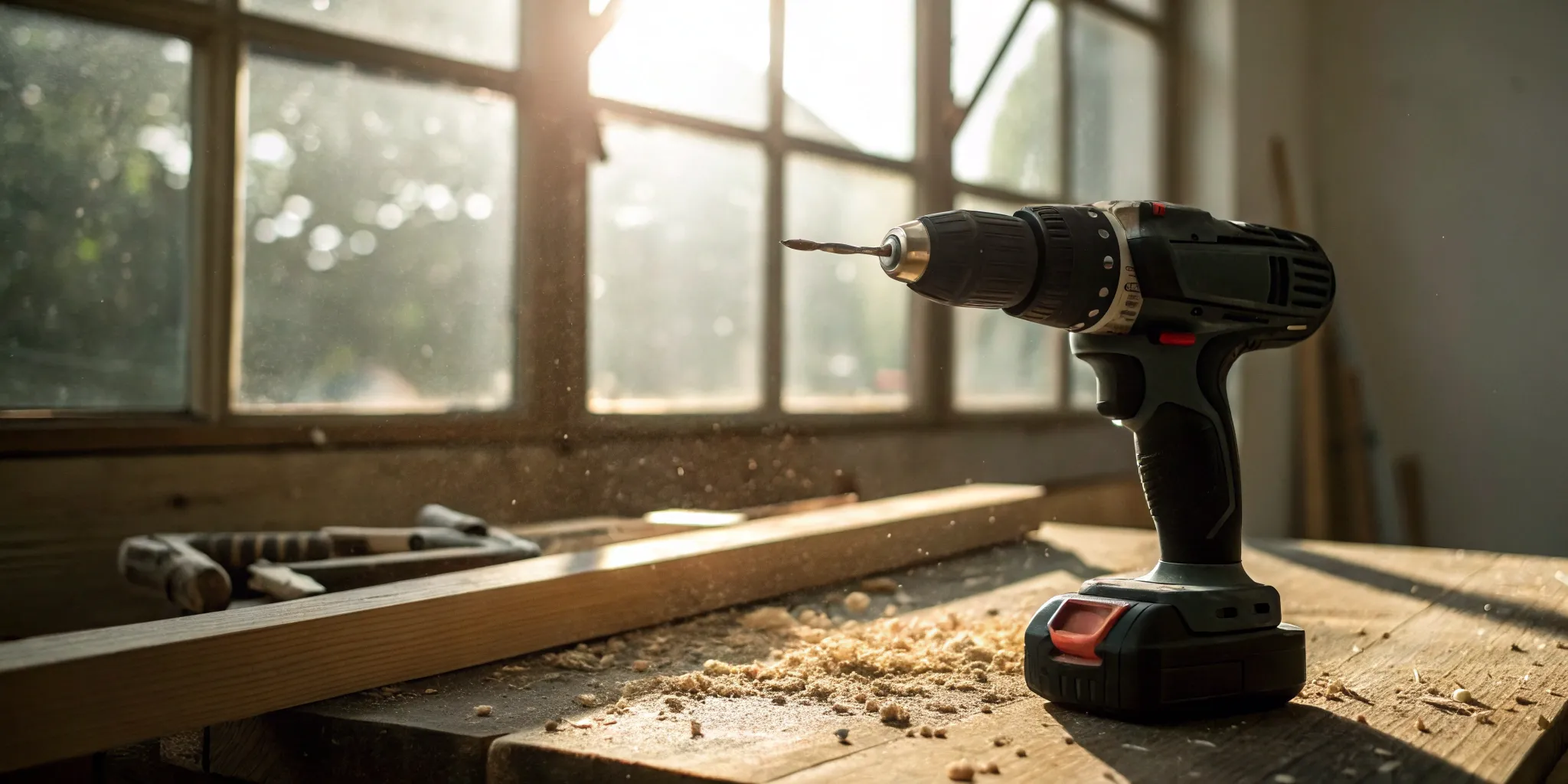
If you’re in the Dallas-Fort Worth area, you have a huge advantage when it comes to saving money on tools. While many people shop national auction sites and deal with high shipping costs, you have access to local pickups that make a great deal even better. This is the secret weapon for DFW bargain hunters. Local power tool auctions mean you can bid on heavy equipment or even entire pallets of tools without worrying about how you’ll get them home. You just win your bid and drive over to the warehouse. This guide is specifically for DFW locals who want to leverage this home-field advantage to build an amazing tool collection for less.
Key Takeaways
- Do Your Homework Before You Bid: The best deals are found through preparation. Before bidding, set a maximum price for yourself, research the tool's retail value, and carefully inspect the photos and descriptions to understand its condition.
- Auctions Are Your Ticket to Top-Tier Tools: You don't have to settle for budget brands. Auctions give you access to professional-grade equipment from names like DeWalt and Milwaukee for a fraction of what you'd pay in a store, letting you build a high-quality workshop for less.
- Stick to Your Budget to Guarantee a Great Deal: The easiest mistake is getting swept up in a bidding war and overpaying. A true win means getting an item at the right price, so always factor in fees and let an item go if the price exceeds your predetermined limit.
What is a Power Tool Auction?
Think of a power tool auction as a special sale where tools are sold to the person willing to pay the most. Instead of a fixed price tag like you’d see in a retail store, items are put up for bidding. You and other potential buyers place bids, and the highest bidder at the end of the auction wins the item. It’s a dynamic and often exciting way to shop, especially when you score a great deal. The main draw? You can get your hands on everything from drills and saws to heavy-duty construction equipment for a fraction of what they would cost brand new.
These auctions are a fantastic resource for both DIY enthusiasts looking to build out their home workshop and small business owners needing to equip their team without breaking the bank. The inventory often comes from store liquidations, overstock, or estate sales, which means you get access to a wide variety of items that you might not find elsewhere. It’s a smart way to get high-quality gear without the high-quality price tag. The whole process is pretty straightforward once you get the hang of it. You can learn more about how it works and see just how simple it is to start bidding and winning the tools you need for your next project.
The Different Kinds of Tool Auctions
Not all tool auctions are the same, and knowing the differences can help you find exactly what you're looking for. Liquidation auctions, like the ones we host at Quickbidz, often feature brand-new or like-new tools from major retailers that are clearing out excess inventory. You might also come across estate sales where a professional’s entire workshop is being sold, or even police auctions that sell recovered stolen goods. The selection can be incredibly diverse, ranging from basic hand tools and lawn equipment to specialized gear for construction or woodworking. You can find a great mix of items in our Tools & Outdoor category.
Auction vs. Retail: What's the Difference?
The biggest difference between buying at an auction and buying from a retail store is the price. At a retail store, the price is set. At an auction, the final price is determined by demand, which means you have the chance to score an incredible deal. You could win a high-quality, professional-grade tool for the price of a budget model from a big-box store. The trade-off is that most auction items are sold "as-is," without the warranties you'd get from a retailer. However, for savvy shoppers who do their homework, the savings are well worth it. You can check out some of our past auctions to see the kind of deals our customers have won.
What Kinds of Power Tools Can You Find?
One of the best things about power tool auctions is the incredible variety. You aren’t just looking at a handful of drills from one or two brands. Instead, you’ll find a massive selection of equipment that can handle any job, from a simple weekend project to a full-scale professional renovation. Auctions are a fantastic source for finding everything you need to build out your workshop, upgrade your gear, or even stock up for your contracting business.
The key is knowing what to look for. You’ll see a mix of tools for different skill levels, from beginner-friendly DIY equipment to heavy-duty, professional-grade machinery. You can find everything from basic hand tools to specialized power equipment and lawn care items. Whether you’re on the hunt for a specific brand you trust or just browsing for a good deal, you’re likely to find high-quality items that fit your needs. Exploring the Tools & Outdoor category is a great way to see the range of what’s typically available.
Popular Brands to Look For
If you’re looking for quality that lasts, tool auctions are the perfect place to score top-tier brands without the retail price tag. Keep an eye out for names that professionals trust, like DeWalt, Milwaukee, and Rigid. These brands are known for their durability, power, and reliable performance on the job site. Finding them at an auction means you can get your hands on equipment that’s built to withstand heavy use for a fraction of what you’d pay in a store. It’s a smart way to invest in your tool collection with gear that won’t let you down. You can browse all of our auction categories to see what brands are currently available.
Pro-Grade vs. DIY Tools
As you browse, it’s helpful to know the difference between pro-grade and DIY tools. Professional-grade tools are designed for heavy, daily use. They’re built with more robust materials and powerful motors to handle the demands of a construction site. DIY tools, on the other hand, are perfect for the home user who needs something for occasional repairs or weekend projects. They’re often more affordable and lighter-duty. Think about what you need—if you’re a contractor, investing in pro-grade is a must. If you’re a hobbyist, a DIY tool might be all you need. Auctions feature both, so you can find the right fit for your work and your wallet. Understanding how it works can help you bid confidently on the right items.
Common Tool Categories
The variety at a tool auction goes far beyond just drills and saws. You can find equipment across a wide range of categories to outfit your entire workspace. The most common categories include power tools like cordless drills, impact drivers, and circular saws, as well as essential hand tools like socket sets, wrenches, and hammers. You’ll also frequently find lawn and garden equipment, such as leaf blowers, trimmers, and mowers. Many auctions even feature workshop items like tool chests, air compressors, and safety equipment. It’s a one-stop shop for building your collection with everything you need for any project that comes your way.
How Do Tool Auctions Actually Work?
Jumping into a tool auction might seem a little intimidating at first, but the process is actually quite simple. Once you get the hang of it, you'll realize it's a straightforward and exciting way to get the tools you need without breaking the bank. It all boils down to three main steps: getting registered, placing your bids, and then paying for and picking up your new gear. Think of it as a treasure hunt where a great deal is the prize. Let's walk through exactly what you can expect.
Getting Registered and Placing Your Bid
Before you can start bidding, you’ll need to create an account on the auction site. This is almost always free and usually just takes a few minutes. You'll provide some basic information to get set up, and once you're registered, you have full access to browse the items up for auction. This is your ticket to the game. The whole process is designed to be simple, and you can typically find a page that explains exactly how it works before you even sign up. After you’re registered, you can start placing bids on any tools that catch your eye.
Bidding Online vs. In Person
While some auctions still happen in person, online bidding has become the most popular and convenient way to participate. Instead of driving to a location and spending your day there, you can bid from anywhere—whether you're at home, on a lunch break, or waiting in line at the grocery store. You can browse a huge selection of tools and outdoor equipment and place your bids without ever leaving the house. Online platforms let you watch the action in real-time, so you can stay on top of your bids as the auction clock counts down.
Paying for and Picking Up Your Winnings
So you won! That's the best part. After the excitement settles, the final steps are paying for your item and arranging to get it. Each auction has its own rules, so make sure you understand the payment methods they accept and, most importantly, the timeline for pickup. Liquidation auctions often have strict windows for you to collect your items, so plan ahead. If you're bidding with a local company, you can often just drive over to their warehouse to grab your winnings, which makes the whole process incredibly smooth. You can even check out past auctions to get a feel for the kinds of deals people score.
Why Buy Power Tools at an Auction?
If you've only ever bought tools from a big-box retail store, you might be wondering what the big deal is with auctions. The truth is, they offer some incredible advantages you just can't find anywhere else. It's not just about saving a few bucks; it's about getting smarter with your money and building a tool collection that can handle any project. From scoring professional-grade equipment to finding that one specific tool you've been searching for, auctions open up a whole new world of possibilities for DIYers and professionals alike.
Save a Ton of Money
Let's start with the most obvious benefit: the incredible savings. At an auction, you're not paying a fixed retail price; the final price is determined by the bidders. Many auctions start as low as $1, meaning you can snag high-quality tools for a fraction of what they’d cost brand new. This is a game-changer whether you're just starting your tool collection or you're a contractor looking to expand your inventory without draining your budget. The competitive bidding process is how it works, putting you in control of how much you spend.
Get Your Hands on Pro-Level Gear
Ever drooled over high-end, professional-grade tools but cringed at the price tag? Auctions are your ticket to owning the best brands in the business. You can find top-tier names like DeWalt, Milwaukee, Ryobi, and Stanley at prices that are actually within reach. This means you don't have to settle for lower-quality tools that might not last. Instead, you can equip your workshop with the same durable, reliable gear the pros use. Upgrading your toolkit with professional equipment makes your projects easier and delivers better results, all without the premium retail cost.
Discover a Huge Variety of Tools
Retail stores have limited shelf space, but auctions offer a massive, ever-changing inventory. One day you might find a complete set of cordless drills, and the next, a specialized welder or pipe bender. The sheer variety is one of the best parts of shopping at an auction. You can find everything from basic hand tools to heavy-duty power equipment, making it a one-stop shop for all your needs. Exploring the Tools & Outdoor category is like a treasure hunt where you’re almost guaranteed to find exactly what you need—and probably a few things you didn't even know you wanted.
How to Prepare for a Power Tool Auction
A little prep work before the bidding starts can make all the difference between scoring an amazing deal and going home with buyer's remorse. Walking into an auction prepared is your best strategy for success. It helps you stay focused, bid smart, and get the tools you actually need at a price you can afford. Think of it as your game plan for winning big.
Set Your Budget (and Stick to It)
This is the golden rule of any auction. It’s incredibly easy to get swept up in the excitement of a bidding war, but a firm budget is your anchor. Before you even look at the listings, decide on the absolute maximum you’re willing to spend on an item. Don’t forget to factor in the buyer’s premium and any applicable taxes. You should also understand the auction's terms, including any deposit requirements and the payment methods they accept. Once you have your number, write it down and commit to it. This single step will save you from overspending and ensure your great deal stays a great deal.
Research the Tools and Their Value
Jumping into an auction without doing your homework is one of the most common mistakes new buyers make. Take some time to research the tools you’re interested in. Look up the model numbers, find out what they sell for new, and read a few reviews to understand their capabilities and any common issues. For online auctions, carefully examine all the photos and read the descriptions. This will give you a better sense of the equipment’s true condition. Knowing the market value helps you recognize a genuine bargain and keeps you from overbidding on an item. Start by browsing the Tools & Outdoor category to see what’s available.
Keep an Eye on Auction Sites
The best deals don’t just fall into your lap; you have to find them. Make a habit of regularly checking your favorite auction websites for new listings. Many sites, including Quickbidz, add new items daily. If you're new to the auction scene, consider starting with something small. Bidding on one or two smaller items is a great way to get comfortable with the process without a lot of risk. You can also look at past auctions to see what similar tools have sold for. This gives you a realistic idea of final prices and helps you refine your bidding strategy for the items you really want.
What to Look for When Inspecting Tools
Scoring a great deal at an auction feels amazing, but it’s important to know exactly what you’re bidding on. Since most auction items are sold "as-is," taking a moment to inspect the tools is a crucial step you can’t afford to skip. While online listings on sites like Quickbidz offer photos and descriptions, nothing beats seeing the item for yourself if you have the chance. A thorough inspection helps you bid with confidence and avoid any unwelcome surprises when you get your new gear home. Think of it as doing your homework—a little effort upfront can save you a lot of headaches later.
Give it a Good Visual Once-Over
Your first step is a simple visual inspection. You can learn a lot just by looking closely at a tool. Start by evaluating the overall condition of the equipment. Take note of any obvious wear and tear, like deep scratches, cracks in the plastic housing, or significant rust on metal parts. Check the power cord for any frays or damage, as that could be a safety hazard. While a few scuffs are normal for used tools, major damage might suggest it was dropped or misused. Looking at items in our Tools & Outdoor category can give you a good idea of what to expect from quality secondhand equipment.
Test How it Works
Looks can be deceiving, so the next step is to test the tool's functionality if possible. You’ll want to test the equipment to ensure it is in working condition. If it’s a corded tool, ask if there’s an outlet where you can plug it in for a moment. For cordless tools, see if a battery is available to pop in. Turn it on and pay attention to how it runs. Listen for any unusual noises, like grinding or rattling, and feel for excessive vibrations. A motor that sounds like it’s struggling or smells like it’s burning is a major red flag. This quick functional test can reveal hidden issues that a visual check might miss and helps clarify the auction process.
Check for All the Parts and Pieces
A power tool is often only as good as its accessories. Before you place a bid, make sure all the essential components are included. Does that drill come with a battery and a charger? Does the miter saw have its blade guard and dust bag? Missing a key part can turn a fantastic deal into an expensive project, as you’ll have to track down and buy replacements. An on-site inspection gives you the best sense of the equipment’s true condition and completeness. Looking through past auctions can also help you see what parts typically come with certain tools, so you know what to look for.
Smart Bidding Strategies to Help You Win
Winning at a power tool auction isn't just about luck; it's about having a smart game plan. The thrill of the countdown can make it easy to get carried away, but going in with a clear strategy will help you score the tools you need without overpaying. Think of it less like a competition and more like a puzzle—you’re trying to find the perfect moment to place the right bid. With a little preparation, you can confidently place bids and walk away with high-quality gear for a fraction of the retail price.
Time Your Bids for the Best Chance
The timing of your bid can make all the difference. Some people swear by "bid sniping," which is placing your bid in the final seconds of the auction. This strategy can prevent a bidding war from driving up the price early on. However, it’s a bit of a gamble—a slow internet connection could mean you miss out entirely. Another approach is to place a strong, confident bid early to show you're a serious buyer. This can sometimes discourage more casual bidders. To get a feel for the flow, check out past auctions to see how prices escalate on similar items. This helps you understand an item's value and decide when the best moment to strike is.
Start Small to Get Comfortable
If you're new to the world of online auctions, it’s a great idea to start with smaller, less expensive items. Think of it as your training ground. Bidding on one or two smaller tools helps you get comfortable with the process without a major financial commitment. You’ll learn the rhythm of the auction, see how other people bid, and understand the checkout and pickup system firsthand. This experience is invaluable and builds the confidence you need to go after bigger-ticket items later. You can find great practice items in the Tools & Outdoor category or even among other miscellaneous goods to get your feet wet.
Don't Go Over Your Budget
This might be the most important rule of all: set a budget and stick to it. Before you even place your first bid, decide on the absolute maximum you're willing to pay for an item. It's incredibly easy to get caught up in the excitement of a bidding war and spend more than you intended. Remember to factor in any buyer's premiums or fees when setting your limit. Being financially prepared helps you stay disciplined and avoid overspending. You can learn more about the specific terms on our How It Works page. The goal is to get a fantastic deal, not just to win the auction at any cost.
What Are the Risks of Buying at Auction?
While scoring a fantastic deal at a power tool auction is a huge thrill, it’s smart to go in with your eyes wide open. Knowing the potential risks isn’t about scaring you off; it’s about equipping you to be a savvy bidder who consistently wins great gear without any surprises. The biggest hurdles you might face usually fall into three categories: understanding what "as-is" really means, accurately judging the condition of a used tool, and planning the logistics of getting your new treasures home.
Think of it this way: the more you know about the potential downsides, the better you can prepare. A little bit of prep work ensures you can focus on the excitement of the hunt and the satisfaction of a great find. By understanding the rules of the game, you can avoid common pitfalls and turn every auction into a winning opportunity. Let’s walk through the main things to keep in mind so you can bid with total confidence.
Understanding the "As-Is" Policy
You’ll see the phrase "as-is, where-is" on almost every auction listing, and it’s a big one to understand. It simply means that you are buying the item in its exact current condition, with no warranties or guarantees from the seller. Once your bid wins, that tool is yours—dings, quirks, and all. There are no returns or refunds if it doesn't work perfectly when you get it home. This policy is standard for liquidation auctions and is a key reason why prices are so low. This is why doing your homework and inspecting items before you bid is so important. Failing to do your checks could lead to some costly consequences, so always read the auction’s terms.
Dealing with Potential Wear and Tear
Most tools at auction have been used before, so a bit of cosmetic wear and tear is perfectly normal. The key is learning to spot the difference between a few scratches and a serious mechanical issue. Before you bid, take the time to evaluate the condition of each tool. Look for signs of heavy use, damage, or missing parts. If you can, test the tool to make sure it powers on and functions correctly. Neglecting to research an item's functionality is a common mistake new buyers make. Knowing the typical weak points of a certain brand or model can give you a huge advantage when you’re inspecting items in the Tools & Outdoor category.
Planning for Pickup and Transport
In the excitement of winning a bid, it’s easy to forget about the final step: getting your items home. Liquidation auctions require you to remove your purchased items within a strict timeframe, often just a day or two after the auction closes. Before you even place a bid, check the pickup schedule and location. Do you have a vehicle big enough to haul your winnings? This is especially critical if you’re bidding on larger equipment or entire pallets of goods. A little bit of logistical planning ahead of time saves a ton of stress later and ensures your auction experience is smooth from start to finish.
Where to Find the Best Power Tool Auctions
Knowing where to look is half the battle when it comes to scoring amazing deals on power tools. The right auction site can be a goldmine for everything from everyday drills to heavy-duty professional equipment. Whether you prefer the convenience of bidding from your couch or the thrill of a live local sale, there are plenty of places to find what you need. Your best bet is to explore a mix of online platforms and in-person events to see what works for you. Let’s walk through some of the top spots to start your search.
Score Big on Tools at Quickbidz
If you’re in the Dallas-Fort Worth area, your first stop should be Quickbidz. We offer a constantly changing inventory of hand tools, power tools, and outdoor equipment, giving you a fantastic opportunity to find quality gear at incredible prices. Because we source items from liquidation sales, you’ll find a unique mix of brand-name tools you won’t see anywhere else. You can browse our selection of tools and outdoor equipment from home and then easily pick up your winnings locally. It’s the perfect way to avoid high shipping costs and get your new tools in your hands faster.
Other Online Auction Sites
Beyond local options, several national websites are worth checking out. Platforms like Proxibid and GovDeals host a huge variety of tool auctions, featuring everything from individual power tools to large equipment lots from business liquidations. These sites are great if you’re searching for a very specific item or brand that might not pop up locally. Just remember to factor in shipping costs or travel time for pickup when you’re placing your bids, as these can add up quickly and affect the overall value of your deal.
Local Auctions and Estate Sales
Don’t forget to look for in-person opportunities right in your community. Estate sales and business liquidation auctions can be treasure troves for high-quality, well-maintained tools. When a workshop or contracting business closes down, they often sell off their entire inventory, which means you can acquire professional-grade equipment for a fraction of its original cost. If you’re new to the auction scene, start by bidding on a few smaller items to get a feel for the process before you go after that big-ticket table saw.
Common Mistakes to Avoid at Tool Auctions
Auctions are a fantastic way to get quality tools without paying retail prices, but it’s easy to get carried away in the heat of the moment. Knowing what pitfalls to look out for can make the difference between scoring an amazing deal and walking away with buyer's remorse. A little preparation goes a long way in making sure you feel great about your purchase.
The most successful bidders are the ones who go in with a clear plan and a cool head. They know their budget, they’ve done their homework on the items they want, and they understand the auction process inside and out. By avoiding a few common slip-ups, you can bid with confidence and build your tool collection for a fraction of the cost. Let’s walk through the biggest mistakes so you know exactly what to avoid.
Getting Caught Up in a Bidding War
It’s an easy trap to fall into. The clock is ticking down, you’re one-on-one with another bidder, and the competitive drive to win takes over. But letting emotions guide your bids is the fastest way to overspend. Success at an auction isn't just about winning the item; it's about winning it at the right price. Before you even place your first bid, decide on the absolute maximum you're willing to pay for a tool and stick to it. If the bidding surpasses your limit, let it go. There will always be another auction and another chance to find a great deal on the tools you need.
Forgetting to Inspect the Tools
Most auction items are sold "as-is, where-is," which means what you see is what you get. Bypassing your research is a gamble you don’t want to take. While you might not be able to physically hold an item from an online auction, you can still do a thorough inspection. Scrutinize every photo, read the description carefully, and look for any notes on the item's condition, functionality, or missing parts. Understanding an item's capabilities and potential flaws before you bid is crucial. This due diligence ensures the tool you win is the tool you actually want and can use for your projects.
Overlooking Hidden Fees
Your winning bid isn't always the final price you'll pay. Many auctions have additional costs that can catch you by surprise if you aren't prepared. The most common one is the "buyer's premium," a percentage of the winning bid that's added to your total. You'll also need to account for sales tax. Always read the auction's terms and conditions before you start bidding. This is where all fees are clearly outlined. Factoring these extra costs into your budget beforehand will help you understand the true price of an item and ensure your great deal stays a great deal. You can review past auctions to get a feel for final sale prices.
Related Articles
- Tools & Outdoor | Quickbidz
- POWER SHARE 8 in. 20-Volt Lithium-Ion Cordless Attachment Capable Electric Pole Chain Saw (Tool-Only)
- WORX WG896 12 Amp 7.5 Inch Corded Electric Lawn Edger & Trencher, Orange and Black
- Edward Tools Bolt Cutter 18” - Heavy Duty Forged T8 Steel Blade Cuts Steel Wire, Chain Link Fence, Metal Rods, Screws, Locks, Small padlocks Cutters Ergonomic Rubber Grip Handle
- Drywall Sander, 1000W Popcorn Ceiling Removal Tool, Automatic Drywall Sander with Vacuum Dust Collection, LED Light, 6 Variable Speed 800-2200RPM, Foldable & Extendable Handle,15Pcs Sanding Discs
Frequently Asked Questions
What does "as-is" really mean? Am I stuck with a broken tool if I win one? That's a great question, and it's the most important thing to understand about auctions. "As-is" means you're buying the item in its current state, without any warranties or return options. This is why the prices are so low. Once you win the bid, the tool is yours. To avoid any surprises, it's crucial to do your homework. Carefully review all the photos and read the descriptions in the online listing. If you have the chance to inspect items in person, take it. A little bit of prep work ensures you know exactly what you're bidding on.
Are the deals at auctions always better than retail sales? While auctions are known for incredible bargains, the final price depends on demand. You can often get professional-grade equipment for what you might pay for a budget model at a big-box store. However, it's smart to research the retail value of a tool you're interested in beforehand. This helps you recognize a true deal and decide on your maximum bid. The goal is to get high-quality gear for less, and knowing the market price is the best way to make that happen.
How does pickup work? Do I have to arrange for shipping? Since we're a local auction house in the Dallas-Fort Worth area, the process is very straightforward. After you win and pay for your item, you'll be given a specific window of time to come to our warehouse and pick it up. This is a huge advantage because you don't have to worry about expensive or complicated shipping arrangements. Just be sure to check the pickup schedule before you bid to make sure you can make it during the designated times.
Are these auctions just for professionals, or can a hobbyist find good tools too? Auctions are for everyone, from seasoned contractors to weekend DIY warriors. You'll find a huge range of equipment, including heavy-duty machinery for job sites and user-friendly tools perfect for home projects. In fact, auctions are a fantastic way for hobbyists to build a high-quality tool collection without the high-quality price tag. You can get the durable, reliable brands the pros use for a fraction of the cost.
I get nervous about bidding. What's a simple strategy to avoid overspending? It's completely normal to feel that way, especially with the excitement of a countdown. The single best strategy is to set your maximum price before the bidding even starts and commit to it. Decide the absolute most you are willing to pay for an item, factoring in the buyer's premium and tax. Write that number down. If the bidding goes past your limit, you have to be disciplined enough to walk away. Remember, there will always be another tool and another auction.