.png)
The Reseller's Guide to Mystery Box Pallets Wholesale
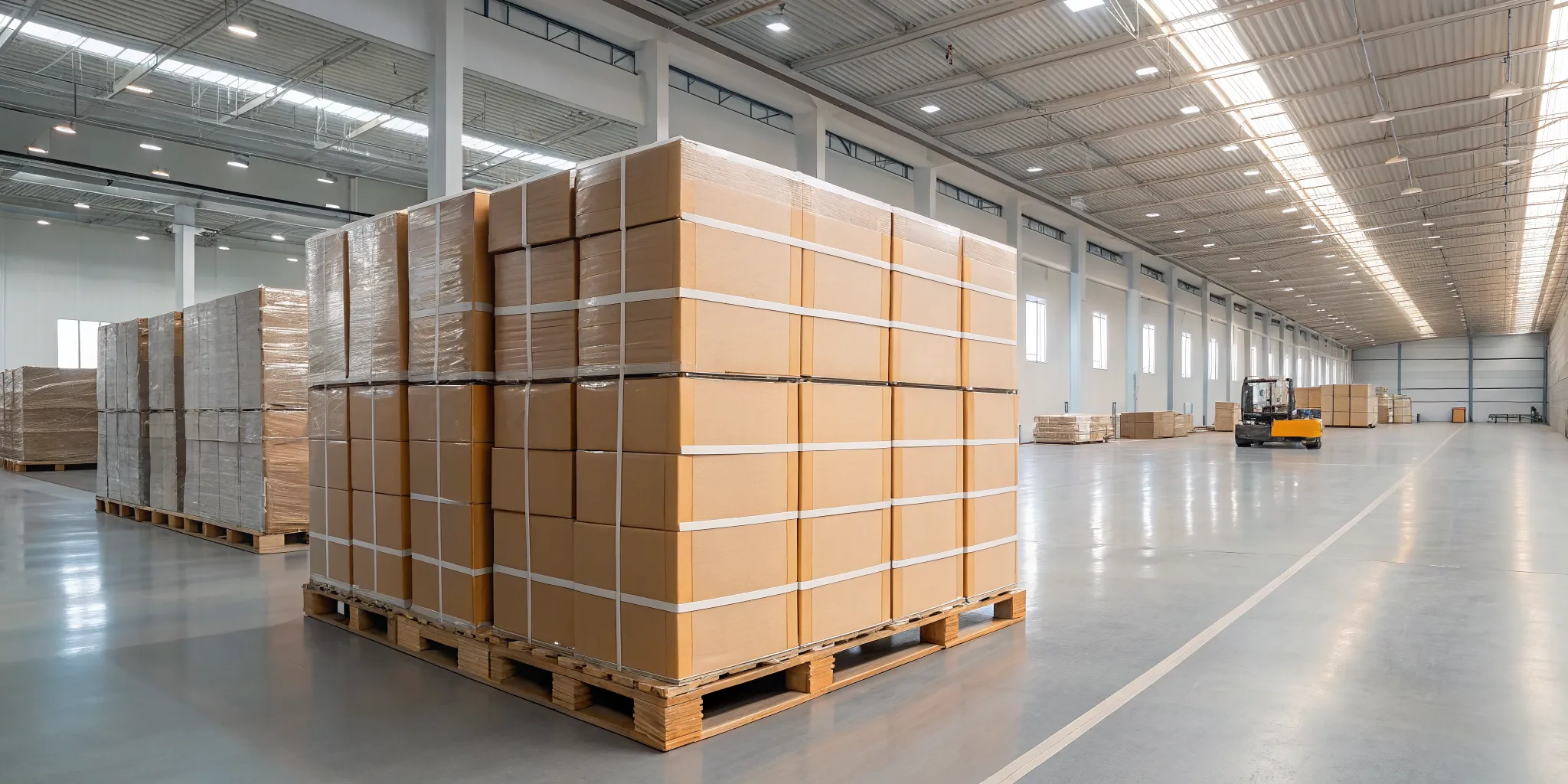
Buying a pallet of unknown goods can feel like a huge gamble. Is it a box of treasure or a pile of junk? The truth is, successful resellers don't rely on luck; they rely on strategy. By understanding how to evaluate mystery box pallets wholesale, you can turn a potential risk into a calculated business investment. This guide is designed to give you that strategy. We’ll cover the common mistakes to avoid, how to read a pallet manifest, and what to do when you find damaged goods, giving you the confidence to bid smartly.
Key Takeaways
- Do your homework before you bid: Protect your investment by carefully reviewing the pallet’s manifest, understanding the condition of the items, and verifying the seller's reputation to avoid costly surprises.
- Calculate your true costs for accurate pricing: Your final profit isn't just the sale price minus your winning bid; remember to factor in all expenses, including auction fees, transportation, and potential repair costs.
- Market your items strategically to sell faster: Use high-quality photos and honest descriptions on the right sales platforms, and create excitement with unboxing content to attract buyers and build a customer base.
What Are Mystery Box Pallets and How Do They Work?
If you’ve spent any time looking for reseller opportunities, you’ve likely come across the term “mystery box pallet.” It’s a popular way for entrepreneurs to acquire inventory, but it’s important to understand the model before you place your first bid. These pallets offer a fantastic opportunity to get high-quality goods for pennies on the dollar, but success comes from knowing how the system works and what to look for.
How the Business Model Works
Mystery pallets are exactly what they sound like: large boxes or pallets of merchandise you buy without knowing the exact contents. Think of it as a business-in-a-box, designed for resellers who want to turn a profit. The core idea is simple. You purchase a pallet at a deep discount, sort through the items, and then sell them individually for a much higher price. This model is perfect for new sellers, established small businesses, and anyone with a knack for finding hidden gems. By acquiring inventory this way, you can get a wide variety of products to sell without having to source each one separately. It’s a treasure hunt with a real business opportunity at the end.
Where Do These Pallets Come From?
You might be wondering where all this stuff comes from. These aren't just random items tossed together. Most mystery pallets are filled with overstock inventory and customer returns from major retail giants like Amazon, Target, and Walmart. When these big stores have too much of a product or need to clear out returned items, they sell them in bulk to liquidators. This is how you can find pallets packed with everything from electronics and appliances to designer clothing. It’s a win-win situation: retailers free up valuable warehouse space, and you get access to brand-name merchandise at a fraction of its original cost, ready for you to resell.
What's Inside a Wholesale Mystery Box Pallet?
Think of buying a mystery pallet as a treasure hunt for your business. The excitement comes from not knowing exactly what you’ll get, but the real value lies in the potential for high-profit items. These pallets are typically filled with customer returns, shelf pulls, or overstock inventory from major retailers. This means you could unbox anything from brand-new products in their original packaging to items with slight cosmetic damage.
The contents are incredibly diverse, which is perfect for resellers looking to stock a variety of goods. You might find a mix of different product categories all on one pallet, giving you a wide range of items to sell. While every pallet is different, they often contain merchandise that falls into a few common groups. Understanding these categories helps you decide which type of pallet best fits your resale strategy and target customers. Let's break down what you can typically expect to find inside.
Electronics and Tech
It’s common to find a mix of electronics and tech gadgets inside a mystery pallet. This category is a favorite for many resellers because of its high demand and potential for great profit margins. You could discover anything from small accessories like headphones, chargers, and smart home devices to larger items like speakers, kitchen appliances, or even gaming consoles. Since these items often come from big-box store returns, you might get products that are nearly new. Sourcing electronics and appliances this way can give you a competitive edge, allowing you to offer popular tech at a fraction of the retail price.
Fashion and Apparel
Fashion is another huge category you’ll frequently see in wholesale pallets. These can be a goldmine, especially if they contain branded clothing, shoes, or accessories. Finding well-known brands can lead to quicker sales and higher profits because customers are already familiar with the quality and style. A single pallet might contain a mix of men's, women's, and children's clothing, giving you a broad inventory from one purchase. If you have an eye for style and know what sells, reselling fashion items from a mystery pallet can be an incredibly rewarding part of your business.
Home Goods and Furniture
Pallets filled with home goods are perfect for resellers who cater to homeowners, renters, and decorators. These boxes often contain a wide assortment of items from major retailers, including everything from kitchenware and small appliances to bedding and decorative pieces. You might find sets of dishes, lamps, rugs, or even small furniture. The variety allows you to appeal to a broad customer base. Because home and furniture items are always in demand, they provide a steady stream of income for many resellers who source their inventory from liquidation auctions.
Health, Beauty, and Fitness
Don’t overlook the potential of health, beauty, and fitness products. This category can include a fantastic mix of items like skincare sets, makeup, hair styling tools, and fitness gear like yoga mats or resistance bands. These products are often new and sealed, making them easy to resell. Customers are always looking for deals on their favorite beauty brands or ways to support their wellness goals without breaking the bank. Offering a selection of health, beauty, and fitness products can help you attract a dedicated group of repeat buyers who are eager for a good deal.
Where to Buy Wholesale Mystery Box Pallets
So, you're ready to try your hand at pallet flipping. The big question is, where do you actually find these treasure troves? Finding a reliable source is the most important first step in building your resale business. Your goal is to find a supplier who offers quality goods at a price that leaves you plenty of room for profit. Let's look at a few great places to start your search, from local auctions to national liquidators.
Quickbidz Liquidation Auctions
If you're in the Dallas-Fort Worth area, your search can start and end with Quickbidz. As a platform that specializes in liquidation auctions, they offer a steady stream of mystery box pallets sourced from major retailers. You can find everything from high-end fashion and electronics to tools and home goods. The biggest advantage of a local source is the ability to skip hefty shipping fees by picking up your winnings directly. This is a huge benefit for keeping your costs down. You can browse their past auctions to get a feel for the types of pallets they feature and what they typically sell for.
Other Places to Find Wholesale Pallets
While a local supplier is ideal, it's also smart to see what other online liquidators offer. Companies like Up Liquidation and GRP Liquidations sell pallets and mystery boxes filled with returns and overstock from big-box stores like Amazon, Target, and Walmart. Exploring these national options can give you a better sense of market pricing and the variety of inventory available across the country. Just be sure to calculate shipping costs before you bid. Freight charges for a large pallet can be significant and will cut into your potential profit margin. Doing this research helps you make more informed bids, even when you decide to buy locally.
How to Find a Reputable Supplier
No matter where you decide to buy, doing your homework on the supplier is non-negotiable. A trustworthy liquidator will be transparent about what they're selling. They should provide a detailed manifest that lists the items on a pallet and offer clear product descriptions. Vague listings are a major red flag. Start by searching for pallet companies in your area and carefully read their reviews and ratings. A supplier with a clear process, like the one outlined in the Quickbidz How It Works guide, shows they value transparency and are committed to their customers' success.
How to Evaluate a Mystery Pallet Before You Buy
The thrill of a mystery pallet is undeniable, but a successful resale business is built on smart decisions, not just lucky guesses. Before you place a bid, it’s so important to do a little homework. Taking a few extra minutes to investigate a pallet can be the difference between scoring a profitable haul and ending up with a garage full of stuff you can’t sell. Think of it as making an educated investment rather than a blind gamble. It’s easy to get caught up in the excitement of an auction, but the most successful resellers are the ones who stay grounded and strategic.
A great pallet find starts with knowing what to look for. By focusing on three key areas, you can get a much clearer picture of a pallet’s potential value and avoid common pitfalls. You’ll want to carefully review the product manifest, understand the condition of the items you’re buying, and verify the seller’s reputation. These steps help you manage your risk and give you the confidence to bid on the pallets that are most likely to turn a profit for your business. It’s about shifting your mindset from hoping for the best to planning for success.
Read the Manifest and Description
The single most important piece of information you have is the pallet’s manifest. This is the detailed list of what’s included in the lot. A trustworthy liquidator will provide a manifest that gives you a clear idea of the contents, including item types, brands, and quantities. When you review our past auctions, you can see exactly how we list out the contents so you know what you’re bidding on. Pay close attention to the product descriptions for specific details. While some pallets are sold "unmanifested," which can be a fun surprise, they also carry a much higher risk. For your first few purchases, sticking to manifested pallets is a safer bet.
Understand the Condition Categories
Not all pallet merchandise is in the same condition, and this directly affects its resale value. Before you bid, you need to understand the condition categories listed by the seller. Items are typically sorted into groups like "New," "Open Box," or "Customer Returns." New items are ready to sell and will fetch the highest price. Open-box goods might just have damaged packaging, while customer returns could be perfectly fine or might need minor repairs. Always factor the item’s condition into your potential profit. For example, a pallet of returned electronics and appliances might offer a huge return, but only if you’re prepared to test and possibly fix a few items.
Check the Seller's Reputation and Reviews
Who you buy from is just as critical as what you buy. A reputable seller will be transparent about their process and the condition of their goods. Before committing to a purchase, take a moment to research the company. Do they have positive online reviews? Are they responsive to customer questions? A major red flag is a seller who guarantees high-value items in every unmanifested pallet; this is often too good to be true. You want to work with an established business that has a track record of satisfied customers. A trustworthy source for liquidation pallets will give you the confidence you need to build your resale inventory.
How Much Money Can You Make Reselling Pallet Items?
This is the question on every new reseller's mind. While there's no single answer, understanding the potential returns and the factors that influence them can help you set realistic goals for your pallet flipping business. Your success comes down to buying smart, knowing your costs, and finding the right buyers for your items. Let's break down what you can expect.
What's the Average Return on Investment (ROI)?
The profit potential in pallet reselling is what draws so many people in, and for good reason. Many resellers report returns of two to four times their initial investment, with some achieving profits of 100% to 300% or even more. Since you can often acquire general merchandise pallets for 50% to 90% below their total retail value, the margins can be significant. Of course, your actual profit depends entirely on what's inside the pallet and how much you can sell each item for. It's a numbers game, but one with a lot of potential upside if you're strategic.
Factors That Affect Your Profits
Your biggest variable for profit is the condition of the items you receive. It's crucial to remember that liquidation pallets can contain anything from brand new products to items that are damaged or unsellable. A pallet with a higher ratio of new, in-box items will naturally be more profitable than one filled with customer returns that need repairs or are missing parts. This is why it's so important to read the manifest and description carefully before you bid. Understanding the potential condition of the merchandise helps you evaluate the risk and place a bid that protects your profit margin from the start.
Watch Out for Hidden Costs
The price you win the auction for isn't your only expense. To get a true sense of your profitability, you need to account for other costs. Think about transportation fees to get the pallet from the warehouse to your home or storage unit. Since Quickbidz is local to the Dallas-Fort Worth area, you can often save big on shipping with local pickup. Also, consider marketplace listing fees, payment processing fees, and any storage costs. Don't forget the time and money you might spend testing electronics or making small repairs. Looking at what past auctions have sold for can help you budget for the pallet itself and these additional costs.
Know the Risks Before You Buy
Getting into pallet flipping is exciting, but it’s smart to go in with your eyes wide open. The incredible deals you can find are balanced by a few potential risks. Understanding these challenges is the first step to avoiding them and building a profitable resale business. Think of it as your business insurance policy; knowing what can go wrong helps you prepare so you can focus on the wins. From inconsistent merchandise to outright scams, being aware of the landscape is your best tool for success. Let's walk through the most common issues you might encounter and how to handle them.
Inconsistent Product Quality
One of the biggest gambles with mystery pallets is the condition of the items inside. Liquidation stock often includes customer returns, which means you can expect a certain portion of products to be broken, missing parts, or used. When a pallet is sold "as-is" or "untested," take that literally. You should plan for the time and cost of sorting through everything, testing electronics, and making minor repairs. A good strategy is to build a "loss leader" percentage into your budget to account for items that are unsellable. This way, you can properly dispose of damaged goods without it eating into your expected profits.
Counterfeit or Low-Quality Goods
When you see pallets advertised with high-end brand names, a healthy dose of skepticism is your friend. The world of liquidation can sometimes include counterfeit products or generic items that look similar to popular brands. This is a risk across the board, from private sellers to larger online marketplaces. Receiving a pallet full of fakes can be a major financial blow. The best way to protect yourself is to buy from a reputable source with a proven track record. Vetting your supplier is crucial to ensure you're getting authentic merchandise, like the items found in our past auctions.
"Final Sale" and Limited Returns
In the world of liquidation, "all sales are final" is the standard policy. Unlike regular retail, you can't simply return a pallet if you're not happy with what you find inside. This makes your pre-purchase research incredibly important. Because you’re often buying merchandise sight-unseen, you are accepting the risk that comes with it. This is especially true for unmanifested pallets, where the contents are a complete mystery. Understanding the seller's terms and conditions is non-negotiable. A transparent process, like the one outlined in our How It Works guide, helps you know exactly what to expect before you place a bid.
Scams and Untrustworthy Sellers
Unfortunately, where there's money to be made, there are scammers. The pallet resale industry is no exception. Be wary of sellers on social media or pop-up websites with deals that seem too good to be true. Red flags include a lack of reviews, vague product descriptions, and pressure to pay through unsecured methods like wire transfers or gift cards. These liquidation scams often result in you receiving a box of junk or nothing at all. Stick with established auction platforms that offer secure payment processing and have a physical location you can verify.
How Much Should You Spend on Your First Pallet?
Deciding how much to invest in your first pallet is a big step. It’s easy to get caught up in the excitement of a great deal, but going in with a clear budget is the smartest way to start your reselling business. Your budget depends on your personal finances and business goals. There’s no single right answer, but a little planning goes a long way. Remember to factor in potential extra costs like transportation and fees. Think of your first purchase as an educational experience; you’re not just buying inventory, you’re investing in learning the process. Let’s break down how to set a smart budget and decide whether to start small or go big.
Set a Realistic Budget
Before you place your first bid, decide exactly how much you're willing to spend. A good rule of thumb for any new venture is to only invest what you can comfortably afford to lose. While the goal is always to make a profit, your first pallet is a learning curve. You might find that some items are damaged or simply won’t sell. In fact, it's crucial to evaluate the quality of liquidation goods, as this will directly impact your bottom line. The great news is that liquidation merchandise can often be purchased for a fraction of its retail price, giving you a solid foundation for profit. Check out the past auctions on Quickbidz to get a feel for what similar pallets have sold for. This will give you a realistic idea of what to expect and help you set a budget that positions you for success without unnecessary risk.
Should You Start Small or Buy in Bulk?
When you're just starting, it can be tempting to buy a large pallet to maximize your potential inventory. However, I usually recommend starting smaller. Think of it as dipping your toe in the water before jumping in. Many liquidation sellers offer smaller mystery boxes that contain a random assortment of goods for a much lower entry price, often between $100 and $500. These are perfect for beginners because they minimize your financial risk while letting you practice sorting, listing, and selling. Once you have a few smaller buys under your belt, you can graduate to full liquidation pallets. These are larger, can cost anywhere from $300 to over $1,000, and often come with a manifest detailing the contents. This gives you a clearer picture of what you’re buying and is a great next step for resellers ready to handle more inventory. Starting small lets you learn the ropes, understand your market, and build your confidence before scaling up.
How to Market Your Resale Items
You’ve won the auction, sorted your pallet, and discovered some amazing treasures. Now comes the fun part: turning those finds into cash. Moving from buyer to seller means shifting your mindset. It's no longer just about finding a deal; it's about creating value for someone else. How you market your items is what will make or break your resale business, and it all starts with building a brand, even if you're just starting out. Do you want to be known for high-end fashion, hard-to-find electronics, or a mix of unique home goods? Your brand is your promise to the customer.
Having great products is a fantastic start, but you need a strategy to connect them with buyers. You don't need a massive marketing budget to succeed. With a bit of creativity, you can attract buyers and build a reputation as a go-to source for incredible deals. The most successful resellers focus on three key areas: building a loyal customer base, creating excitement around their products, and choosing the right sales channels. Think of it as a roadmap: find your people, get them excited about what you have, and make it easy for them to buy. The variety of product categories you can find in liquidation means you have endless opportunities to test what works for you and your audience.
Build Your Customer Base
Once you start making sales, focus on turning one-time buyers into repeat customers. The easiest way to do this is by providing a great experience, but you should also think strategically. If your pallet included a mix of designer handbags and power tools, you're talking to two very different audiences. Consider diversifying your offerings to attract a wider range of people. Keep track of what sells and who buys it. This data will help you understand what your audience loves, allowing you to source more of what they want. Building an email list or a dedicated social media following gives you a direct line to your best customers, so you can let them know when you get new Health, Beauty & Fitness items or other products they love.
Create Buzz for Your Products
The "mystery" of a liquidation pallet is your secret marketing weapon. Use it to create excitement before you even list an item for sale. Unboxing videos are incredibly popular on platforms like TikTok and Instagram Reels. Film yourself opening your pallets and share the thrill of discovery with your followers. This authentic content builds trust and gets people invested in your inventory. You can also partner with local micro-influencers for unboxing collaborations. For your most exciting finds, use email sequences or social media posts to tease the "reveal," creating anticipation for your next product drop. This makes shopping with you feel like an event, not just a transaction.
Use Social Media and Online Marketplaces
Your marketing efforts should lead customers to a place where they can easily buy from you. For most resellers, this means using a mix of online marketplaces and social media. Platforms like eBay, Facebook Marketplace, and Poshmark are designed for reselling and have built-in audiences searching for deals. The key to standing out is high-quality presentation. Take clear, well-lit photos from every angle and write detailed, honest descriptions. For items like Tools & Outdoor gear, be sure to list model numbers and conditions. As you grow, you can even explore selling on Amazon, which allows you to acquire goods at a fraction of retail and resell them for a profit on a massive scale.
Common Mistakes to Avoid When Buying Pallets
Buying liquidation pallets can feel like a modern-day treasure hunt, but it’s easy to get caught up in the excitement and make a few costly mistakes. Knowing what to look for and which red flags to avoid will protect your investment and set you up for a much more profitable resale business. Let’s walk through some of the most common traps so you can sidestep them like a pro.
Buyer Pitfalls and Red Flags
One of the biggest mistakes new resellers make is jumping into a purchase without fully researching the pallet's source or its actual condition. It's also crucial to look beyond the purchase price. Many forget to factor in hidden costs like shipping, transportation, and storage fees, which can quickly shrink your profit margins. Be especially wary of sellers offering unmanifested pallets with big promises of guaranteed high-value items like gaming consoles or designer bags. If a deal sounds too good to be true, it often is. A reputable seller is transparent, not just tempting.
Why You Need to Do Your Homework
Doing your homework is the best way to protect yourself. A trustworthy liquidator will always provide an accurate manifest that details what’s on each pallet, giving you comprehensive information about the products inside. Even with a manifest, you should set realistic expectations. Plan for a certain share of items to be broken, incomplete, or in need of a good cleaning. You need to budget time and money for testing items, finding replacement parts, or properly disposing of things you can’t sell. Recognizing these potential issues and knowing the signs of a less-than-reputable deal are essential skills for any successful reseller.
Best Practices for Reselling Your Finds
Once you’ve won your auction and brought your pallet home, the real fun begins: turning those goods into cash. Success in reselling isn't just about finding great deals; it's about smart strategy. By creating a solid plan for pricing, selling, and managing your items, you can build a profitable and sustainable side hustle or even a full-time business. Let's walk through the key steps to make the most of your finds.
Price Your Items for Profit
Your profit is more than just the selling price minus what you paid for the pallet. To truly understand your earnings, you need to account for every expense. Start by calculating your total acquisition cost, which includes the pallet price, auction fees, and fuel for pickup. Then, factor in listing fees, shipping supplies, and any time spent on repairs. To find your actual profit, you'll need to subtract all these costs from your total sales revenue. Research what similar items have sold for on sites like eBay or Poshmark to price yours competitively while still leaving room for a healthy margin. You can even review Quickbidz's past auctions to get a feel for an item's market value.
Choose the Right Sales Channels
Don't limit yourself to just one platform. The best place to sell a high-end kitchen appliance might not be the best place for a box of brand-name kids' toys. Spreading your inventory across different sales channels helps you reach more potential buyers. You can sell larger items like furniture locally on Facebook Marketplace to avoid shipping hassles. Niche collectibles and electronics often do well on eBay. For clothing and accessories, consider platforms like Poshmark or Depop. Experiment with a few options to see where you get the most traction for the types of products you source. Diversifying your sales approach can enhance visibility and sales opportunities.
Manage Your Storage and Inventory
Before you even bid on your first pallet, think about where you’re going to put everything. A pallet of goods can quickly take over a garage or spare room. Designate a specific area for your business where you can sort, clean, test, and photograph your items. An effective inventory system is also essential. A simple spreadsheet can help you track each item: what you paid for it, where it’s listed, and what it sold for. This process not only keeps you organized but also provides valuable data to help you make smarter buying decisions in the future. Properly managing your inventory of pallets is key to scaling your resale business efficiently.
Related Articles
Frequently Asked Questions
What's the most important thing to do before buying my first pallet? Before you even think about placing a bid, your most important job is to research the seller. A trustworthy liquidator will be transparent about their process and what they sell. Look for a company with a solid reputation, clear item descriptions, and a manifest that details what’s inside the pallet. This homework is far more important than hoping for a lucky find; it’s how you make a smart investment and protect yourself from buying a pallet full of junk.
How much money should I realistically set aside for my first purchase? A great way to start is by setting a budget you are completely comfortable with, keeping in mind that your first purchase is a learning experience. You can find smaller mystery boxes for a few hundred dollars, which is a perfect way to learn the ropes without a huge financial risk. For a full pallet, prices can range from $300 to over $1,000. Remember to also budget for extra costs like auction fees and transportation, as the final bid price isn't your only expense.
What if I get a pallet and a lot of the items are broken or unsellable? This is a normal part of the pallet reselling business, so it's best to plan for it. Since most liquidation merchandise is sold "as-is," you should expect that a certain percentage of your items will be damaged, incomplete, or need repairs. The most successful resellers build this into their business plan. They calculate a potential loss percentage into their pricing strategy, which ensures that a few unsellable items don't wipe out their overall profit.
Is it better to buy locally from a place like Quickbidz or from a national online liquidator? While national liquidators offer a wide selection, the shipping costs for a large pallet can be incredibly high and can seriously cut into your profits. The biggest advantage of buying from a local source like Quickbidz is the ability to pick up your winnings yourself. Eliminating freight charges means more money stays in your pocket. For anyone in the Dallas-Fort Worth area, starting locally is the most cost-effective way to get into the business.
I've got my pallet, now what? What's the best way to start selling? Once you have your pallet, the first step is to sort, clean, and test everything. Create an organized space to work. Then, focus on presentation. Take clear, well-lit photos of each item from multiple angles and write honest, detailed descriptions. For selling, start with platforms that are easy to use. Facebook Marketplace is excellent for selling larger items locally to avoid shipping, while sites like eBay and Poshmark are great for reaching a wider audience with smaller goods.