.png)
Mystery Box Pallets for Sale: A Buyer's Guide
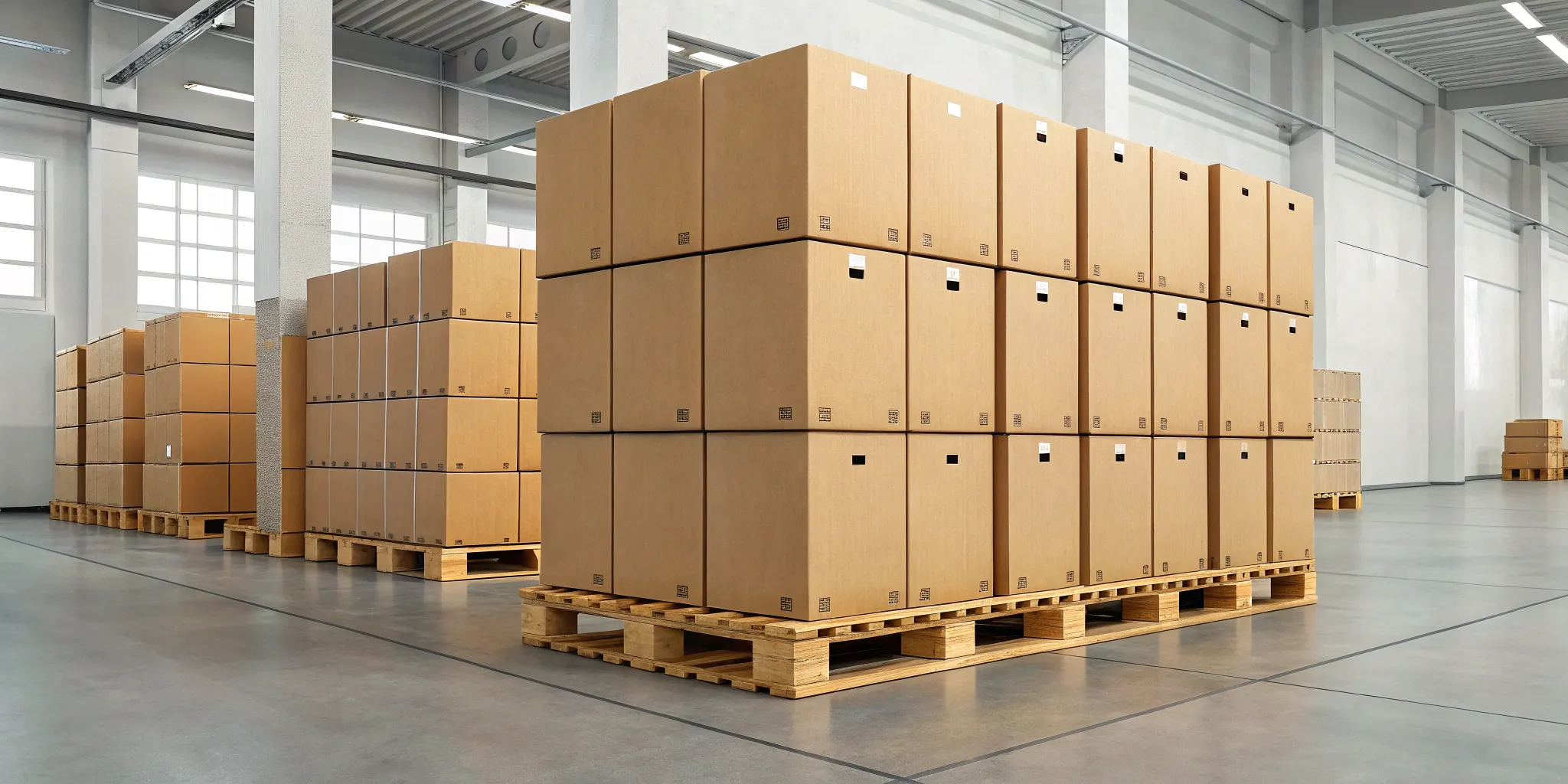 You’ve likely seen the unboxing videos online: someone cuts open a massive pallet of boxes and reveals a mountain of electronics, designer clothes, or home goods. These are mystery box pallets, and they are a legitimate way for resellers and bargain hunters to acquire merchandise for pennies on the dollar. These pallets are typically filled with customer returns or overstock inventory from big-box stores. For retailers, it’s a fast way to clear warehouse space. For you, it’s a direct pipeline to valuable goods. If you’re ready to learn how to find quality mystery box pallets for sale, this guide will show you where to look and how to make smart bids.
Key Takeaways
- Develop a clear strategy before you bid: Successful pallet buying is more about planning than luck. Budget for hidden costs like buyer's premiums and transportation, research the potential resale value of items, and be realistic about the time it takes to process everything.
- Start small and choose your seller carefully: For your first purchase, pick a smaller pallet to learn the process without a huge investment. Always vet your source by checking reviews and understanding their policies to ensure you're buying from a reputable seller.
- Create an efficient workflow for your inventory: Set up a dedicated space to sort, test, clean, and photograph your items as soon as the pallet arrives. Cataloging everything in a simple spreadsheet will help you stay organized, track your stock, and see your profits clearly.
What Are Mystery Box Pallets?
If you love the thrill of a treasure hunt, mystery box pallets might be your new favorite thing. Think of them as large, shrink-wrapped shipments filled with boxes of merchandise where the exact contents are a surprise. These aren't just random items thrown together; they are typically customer returns, shelf pulls, or overstock inventory from major retailers. For these big stores, it’s a fast way to clear out warehouse space. For you, it’s an opportunity to get a huge volume of goods for a fraction of their retail price.
For resellers, this is a popular way to source inventory. For savvy shoppers, it’s a chance to score incredible deals on products you can use, gift, or flip for a profit. The "mystery" is the exciting part. You could open a box and find high-end electronics, designer clothing, or popular home goods. While there’s always an element of chance, the potential to find valuable items is what makes bidding on liquidation pallets so appealing. It’s a business model built on finding hidden gems among everyday items.
How Do They Work?
The process is pretty straightforward. Large retailers package their unsold or returned goods onto pallets and sell them to liquidation companies. These companies then auction off the pallets to the public. As a buyer, you’ll bid on a pallet, often without a detailed list of every single item inside. The goal is to win the auction at a price low enough to ensure you can make a profit on the items you resell.
It’s smart to go in with a strategy. Many experienced pallet buyers use conservative assumptions and expect that a certain percentage of the items might be damaged, incomplete, or unsellable. Factoring this into your budget helps you make smarter bids and protects your bottom line.
What Types Can You Find?
The variety of mystery box pallets is huge, which means you can find one that fits your interests or business niche. Pallets are often sorted by category, so you can bid specifically on what you want to sell. You might find pallets dedicated entirely to electronics and appliances, filled with everything from smart home devices to kitchen gadgets. Other common types include pallets of clothing and accessories, home and garden supplies, or toys and games.
Some pallets contain a mix of general merchandise, which can be great if you enjoy selling a wide range of products. The items inside are usually from well-known brands, giving you a chance to acquire premium goods at a deep discount.
Where to Find Mystery Box Pallets
Finding mystery box pallets is easier than you might think once you know where to look. Whether you prefer the thrill of a live auction or the convenience of browsing online, there are several great places to source inventory for your resale business or just for the fun of discovery. The key is to find a source that fits your budget, location, and business needs. Let's walk through the most common options available to you.
Bid on Pallets at Quickbidz
If you're in the Dallas-Fort Worth area, your first stop should be a local one. At Quickbidz, you can bid on a variety of liquidation pallets, including mystery boxes filled with everything from high-end fashion to home goods. The auction format gives you a chance to snag a pallet at a competitive price. Since it’s local, you can also skip the hefty shipping fees that come with buying from national sites. Participating in auctions is straightforward, and you can see a wide range of inventory without leaving your home. It’s a great way to get your feet wet in the world of pallet buying.
Browse Online Liquidation Sites
Beyond local options, the internet is full of large-scale liquidation marketplaces. Websites like B-Stock and Liquidation.com act as middlemen for major retailers, offering pallets of customer returns and overstock items directly to buyers like you. These platforms let you filter by category, brand, and condition, which helps you find exactly what you’re looking for. While they offer a massive selection, remember to factor in shipping costs. Freight shipping for a pallet can be expensive, so it’s a critical part of your budget calculation when you’re bidding on these national sites.
Visit Local Auction Houses
For a more hands-on approach, check out the liquidation sales at local auction houses. This is an old-school method that still works wonders. Attending an in-person auction lets you feel the energy of the bidding process and sometimes even inspect the pallets before the sale begins. You can often find unique inventory that doesn't make it to online platforms. Plus, you’ll save on shipping by hauling your winnings home yourself. You can use online directories like AuctionZip to find auction houses and sale schedules in your area.
What's Inside a Mystery Box Pallet?
The real fun of buying a mystery box pallet is the surprise. You’re essentially on a treasure hunt, and you never know exactly what you’ll find inside. These pallets are usually a mix of customer returns, shelf pulls, and overstock items from major retailers. This means the contents can range from brand-new, in-box products to items with minor cosmetic damage or missing parts. The variety is part of the appeal and what makes it such an exciting venture for resellers and bargain hunters.
While every pallet is different, they are often sorted into general categories. This gives you a hint of what to expect, whether you’re bidding on a pallet of general merchandise or one focused on a specific niche. For example, you might find a pallet loaded with home goods, another with designer apparel, or a third packed with in-demand electronics. Understanding these common categories helps you target the pallets that best fit your resale business or personal interests, turning that big wooden box of unknowns into a calculated opportunity.
Electronics and Appliances
This is often the category that gets people’s hearts racing. An electronics pallet can feel like hitting the jackpot, with the potential to uncover high-value items that are perfect for resale. You might find anything from small gadgets like AirPods, Beats headphones, and JBL speakers to larger items like gaming consoles, laptops, or even kitchen appliances. Since many of these products are customer returns, it’s a good idea to have a plan for testing everything to see what works, what needs minor repairs, and what can be sold for parts. The profit potential in electronics and appliances makes them a consistent favorite among pallet buyers.
Fashion and Accessories
If you have an eye for style, a fashion pallet can be a goldmine. These are often filled with clothing, shoes, handbags, and accessories from well-known brands. It’s not uncommon for buyers to find designer purses from names like Coach or Michael Kors, popular footwear like UGG boots, or bundles of brand-name jeans. The items can be a mix of new-with-tags overstock and customer returns, so you’ll want to inspect everything for wear or damage. For anyone looking to stock an online boutique or a local consignment shop, a fashion pallet provides instant inventory with high resale value.
Home and Garden Goods
Home and garden pallets are incredibly versatile, offering a little something for everyone. These can contain a wide assortment of products, from small kitchen gadgets and home decor to bedding, furniture, and outdoor equipment. Because these items are useful in any household, they tend to sell quickly on platforms like Facebook Marketplace or at local flea markets. You’ll find a mix of brand-new overstock items and customer returns, which might have a dent or a scratch but are otherwise perfectly functional. Bidding on home and furniture pallets is a great way to source everyday products that are always in demand.
Health and Beauty Products
The health and beauty category is another profitable niche for resellers. These pallets can be packed with cosmetics, skincare products, high-end hair tools like the Dyson Airwrap, and fitness accessories. Many of these items, especially overstock, are brand-new and still in their original sealed packaging, making them easy to resell online. For customer returns, you’ll want to carefully check that products are unused and inspect for any damage to the packaging. With the right finds, a health, beauty, and fitness pallet can provide a fantastic return on your investment.
Weighing the Risks and Rewards
Buying mystery box pallets is an exciting venture, but it’s important to go in with your eyes wide open. Like any business investment, it comes with potential highs and lows. Understanding both sides of the coin helps you make smarter bids and manage your expectations. Think of it less as a lottery ticket and more as a calculated business decision where knowledge is your greatest asset. By weighing the potential for big wins against the realities of the work involved, you can build a strategy that works for you.
The Upside: Profit and Hidden Gems
The biggest draw of buying mystery pallets is the potential for incredible profit. Many resellers share stories of finding high-value items that make the entire pallet worth far more than what they paid. It’s the thrill of the treasure hunt; you might uncover designer apparel, brand-name electronics, or sought-after tools that can be resold for a significant return. Looking through past auctions can give you a real sense of the deals people find. The key is knowing that these hidden gems are out there, waiting for a savvy buyer to find them.
The Reality: Common Misconceptions
It’s easy to think of buying pallets as a form of gambling, but successful resellers treat it like a business. The idea that every pallet is a guaranteed goldmine is a common misconception. The reality is that it takes work. You’ll spend time sorting, cleaning, testing, and listing items. While the potential for profit is real, it’s earned through effort, not just luck. Understanding the auction process and having a plan for your inventory are what separate a successful venture from a risky bet.
The Investment: Hidden Costs and Time
Your investment goes beyond the final bid price. It’s smart to budget for hidden costs and the time it will take to process your pallet. A good rule of thumb is to assume about 25% of the items might be unsellable due to damage or being incomplete. You also need to factor in your time. Processing a pallet of 100 items can easily take 40 hours or more. This includes sorting, researching prices, taking photos, and creating listings. Thinking about these factors beforehand will help you choose the right pallets for your budget and schedule.
The Gamble: Damaged or Low-Quality Items
When you’re buying customer return pallets, you have to expect a mix of conditions. Many items may be broken, missing parts, or need some repair. It’s rare to find a pallet where everything is in perfect, ready-to-sell condition. This is the nature of liquidation. The low price you pay reflects this risk. Your ability to repair items or sell them for parts can turn what others see as junk into profit. Setting realistic expectations about item quality is crucial for avoiding disappointment and building a resilient resale business.
How to Choose a Reputable Seller
Finding the right mystery box pallet is exciting, but it’s just as important to find the right seller. The quality of your supplier can make or break your experience, influencing everything from the items you receive to the potential profit you can make. A trustworthy seller provides transparency and stands by their listings, while a questionable one can leave you with a pallet of unsellable junk. Taking a few extra minutes to vet your source is one of the smartest moves you can make to protect your investment and set yourself up for success.
Spot the Red Flags
When you’re evaluating a seller, trust your gut and keep an eye out for warning signs. A major red flag is a lack of transparency. If a seller uses blurry photos, offers vague descriptions, or doesn’t provide any details about the source or condition of the items, proceed with caution. Reputable sellers are upfront about what they’re selling, even if it’s a pallet of customer returns. Be wary of anyone creating a false sense of urgency or pressuring you to buy immediately. It’s also wise to be skeptical of deals that seem too good to be true. Some experts even suggest that when you buy liquidation pallets, you should assume a portion of the inventory will be unsellable. A seller who isn't clear about this reality might not be the most reliable partner.
Check Seller Ratings and Reviews
Before you place a bid, do a little digging into the seller’s reputation. A quick search can tell you a lot about what past customers have experienced. Look for reviews on their website, Google, or social media pages. Are customers generally happy with their purchases? Do they feel the pallet’s contents matched the description? Consistent negative feedback about item quality, shipping issues, or poor customer service is a clear sign to look elsewhere. On auction sites like Quickbidz, you can often view past auctions to see what similar pallets have sold for, which gives you a better sense of the seller’s inventory and typical value. A long history of satisfied customers is one of the best indicators of a trustworthy seller.
Understand the Return Policy
Liquidation merchandise is often sold "as-is, where-is," which means returns are not always an option. However, a reputable seller will have a clear, easy-to-find policy that outlines the terms of the sale. Before you commit to a purchase, take the time to read it. Understand their rules for situations where the pallet you receive is significantly different from what was advertised or if major items are missing. Knowing the policy upfront protects you from surprises later. If a seller has no return policy listed or the terms are confusing, think twice before bidding. Understanding how auctions work on a specific platform is key to avoiding any misunderstandings about the finality of your purchase.
Look for Clear Product Descriptions
Clarity is key when it comes to product listings. A great seller will give you as much information as possible so you can make an informed decision. Look for listings with multiple high-quality photos showing the pallet from different angles. The description should specify the product category, such as Home & Furniture or electronics, and note the condition of the goods (e.g., customer returns, shelf pulls, or overstock). Some sellers provide a manifest, which is a detailed list of the items on the pallet. While not always available for mystery boxes, a manifest is a huge plus. Vague descriptions with generic terms like "mixed goods" are a gamble, so prioritize sellers who put in the effort to show you what you’re bidding on.
What to Do After You Win a Pallet
The thrill of winning an auction is fantastic, but once the excitement settles, the real work begins. That massive pallet sitting in your garage or storage unit is full of potential, but it won't turn into profit by itself. This is the part of the process where a solid plan makes all the difference between a successful flip and a pile of clutter. Getting your pallet from a wrapped stack of boxes to a collection of sellable items requires a bit of muscle, a dose of realism, and a whole lot of organization.
Think of it as the ultimate unboxing, but with a clear business goal in mind. Before you even cut the plastic wrap, you should have a space cleared and a system ready. This isn't just about finding a corner for the boxes; it's about creating a workflow. You'll need areas for unboxing, testing, cleaning, photography, and storage. By breaking down the process into these manageable steps, you can systematically work through your inventory, identify the winners, and get them ready for their new homes. From sorting and testing to cleaning and listing, each stage is crucial for turning that initial investment into a healthy return. Let's walk through exactly what you should do after you bring your winning pallet home to set yourself up for success.
Prepare for the Heavy Lifting
First things first: processing a pallet is a physical job. You’ll need space to unload, unpack, and sort through everything. It’s also a significant time commitment. Don't expect to knock it out in a single afternoon. To set realistic goals, some reselling experts suggest factoring in about 40 hours of processing time for every 100 items you receive. They also recommend assuming that around 25% of the pallet's original value might be unsellable due to damage or other issues. Planning for this from the start helps you manage your time and energy without getting overwhelmed. Clear your schedule and be ready to put in the work.
Manage Expectations on Item Condition
Buying a mystery pallet is exciting because you never know what you'll get, but it's important to keep your expectations in check. Many seasoned resellers describe the experience as being "like gambling." You might find brand-new items, but you're just as likely to find products that are broken, missing parts, or need repairs. This is especially true for pallets of customer returns. Instead of hoping for a pallet full of pristine merchandise, prepare for a mix of conditions. This mindset will help you avoid disappointment and focus on finding the value in what you can salvage, repair, or sell for parts.
Sort and Catalog Your Inventory
Once you've unpacked everything, your next move is to get organized. A chaotic pile of products is impossible to work with, so you need a system. A helpful approach is to break down your pallets, itemize everything you've received, and separate your inventory by category. For example, put all the electronics in one pile, home goods in another, and so on. This method makes it much easier to see what you have, research prices, and decide where to sell each item. Creating a simple spreadsheet to catalog each product, its condition, and its estimated value can also streamline your entire resale process.
How to Maximize Your Resale Profit
Winning a pallet auction is an exciting first step, but the real success comes from turning that inventory into profit. This is where your inner entrepreneur gets to shine. With a solid plan, you can move your items quickly and get the best possible return on your investment. It’s all about working smarter, not just harder. From setting realistic expectations to organizing your stock, a little bit of strategy goes a long way in the resale business. Let’s walk through the key steps to turn your pallet of goods into a profitable venture.
Develop a Smart Selling Strategy
Before you list a single item, it’s helpful to create a selling strategy. A good plan starts with realistic expectations. When you evaluate your inventory, it's wise to use conservative assumptions. For example, you might find that about 25% of the items are unsellable due to damage or other issues. Factoring this in from the start helps you set accurate profit goals. Also, consider the time it takes to process everything. A good rule of thumb is to budget around 40 hours of processing time for every 100 items. This includes sorting, cleaning, testing, and photographing. Having a clear business plan helps you stay focused and make informed decisions.
Research Your Market and Price Items
Knowing what your items are worth is crucial for making a profit. Spend some time researching what similar products are selling for on sites like eBay, Facebook Marketplace, and Poshmark. This will give you a solid baseline for your pricing. A creative way to move inventory while keeping the perceived value high is to curate mystery boxes with some of your items. This creates a fun buying experience and can help you sell less popular products. You can also check Quickbidz’s past auctions to see what similar bulk lots have sold for, giving you insight into market demand.
Organize Your Inventory for Easy Sales
An organized workspace is an efficient one. Once you get your pallet, the first step is to break it down and itemize everything you’ve received. Creating a simple spreadsheet to catalog your items will help you track what you have, its condition, and where it’s stored. From there, separate your inventory by category, just like you see on the Quickbidz categories page. Grouping all the electronics, fashion, or home goods together makes it much easier to find, photograph, and list items for sale. This simple system will save you countless hours and headaches down the road.
Tips for Your First Pallet Purchase
Jumping into the world of pallet bidding is exciting, but a little preparation goes a long way. Going in with a clear strategy can make the difference between a profitable haul and a garage full of clutter. Think of your first purchase as a learning experience. These tips will help you make a smart, informed bid and set you up for success from the very beginning.
Start Small to Limit Your Risk
It’s tempting to bid on the biggest pallet you can find, dreaming of all the treasures inside. For your first time, however, it’s much smarter to start with a smaller, more manageable lot. This approach lets you learn the entire process, from bidding and pickup to sorting and selling, without a massive upfront investment. When you’re just starting, it’s wise to use conservative estimates. Assume that a portion of the items might be unsellable and that it will take time to process everything. A smaller pallet auction gives you the space to figure out your system and learn what to expect.
Plan Your Budget for Hidden Costs
Your winning bid is just one part of the total cost. To figure out your potential profit, you need to account for all the expenses that come after the auction ends. These can include a buyer's premium, transportation costs for getting the pallet home, and any fees associated with the selling platforms you plan to use. You might also need to buy packing and shipping supplies. A good way to stay on top of these expenses is to create a simple budget before you even place a bid. Knowing your all-in cost helps you bid more strategically and protects your profit margin.
Be Realistic About the Time Commitment
Buying a liquidation pallet is not a get-rich-quick scheme; it’s a hands-on project that requires real work. While some people compare it to gambling, you can definitely improve your odds with effort. Once you get the pallet home, you’ll need to dedicate time to unloading, sorting, and inspecting every single item. This involves testing electronics, cleaning products, researching prices, taking quality photos, and writing compelling descriptions for your listings. Be honest with yourself about how many hours you can realistically commit. Looking at past auctions can give you an idea of the types of items you'll be handling and the work involved.
Related Articles
- Pallets | Quickbidz
- Mystery Box 9442971
- Mystery Box 10031076
- MEBRUDY 9X6X2 Shipping Boxes, 25 Pack White Literature Mailer Corrugated Cardboard Box for Small Business Mailing Packaging
- 10 Sets Jewelry Box Painting Set for Kids with Stickers - Bulk Stockings & Birthday Goodie Bag Stuffer - Kids Party Favors Toy Return Gifts - Unfinished Wooden Treasure Boxes For Arts & Craft
Frequently Asked Questions
How much money do I really need to get started? Your total investment is more than just your winning bid. You should also budget for the buyer's premium, which is a small percentage added to the final price, and any transportation costs. If you're starting out, I recommend bidding on a smaller pallet to keep your initial costs low while you learn the ropes. This allows you to get a feel for the entire process without a huge financial commitment.
What if I get a pallet full of broken or useless items? This is the biggest and most valid concern for new buyers. The reality is that you should expect a certain percentage of items, especially in customer return pallets, to be damaged, incomplete, or unsellable. A good practice is to assume about 25% of the inventory might fall into this category and factor that potential loss into your bid. The profit comes from the remaining items, and sometimes you can even make money selling broken electronics for parts.
Is it better to buy from a local place like Quickbidz or a big national website? Both have their advantages, but for beginners, I often suggest starting local. National liquidation sites offer a massive selection, but the cost of freight shipping a pallet across the country can be surprisingly high and can quickly eat into your profits. Buying locally from a place like Quickbidz means you can pick up the pallet yourself, completely avoiding those hefty shipping fees and keeping your costs predictable.
Where is the best place to sell the items I find? There isn't one single best place; a smart strategy is to sell across multiple platforms. For smaller, shippable items like electronics or designer accessories, eBay is a great option to reach a national audience. For larger items like furniture or home goods, Facebook Marketplace is perfect for finding local buyers. If you get a lot of clothing, consider a specialized app like Poshmark.
How much time does it actually take to process a pallet? Be prepared to invest a good amount of time. Processing a pallet is a hands-on job that goes far beyond the initial unboxing. A solid rule of thumb is to budget about 40 hours of work for every 100 items. This includes sorting everything, cleaning and testing products, researching prices, taking good photos, and writing compelling sales listings for each item.