.png)
How to Find the Best Liquidation Pallets for Sale
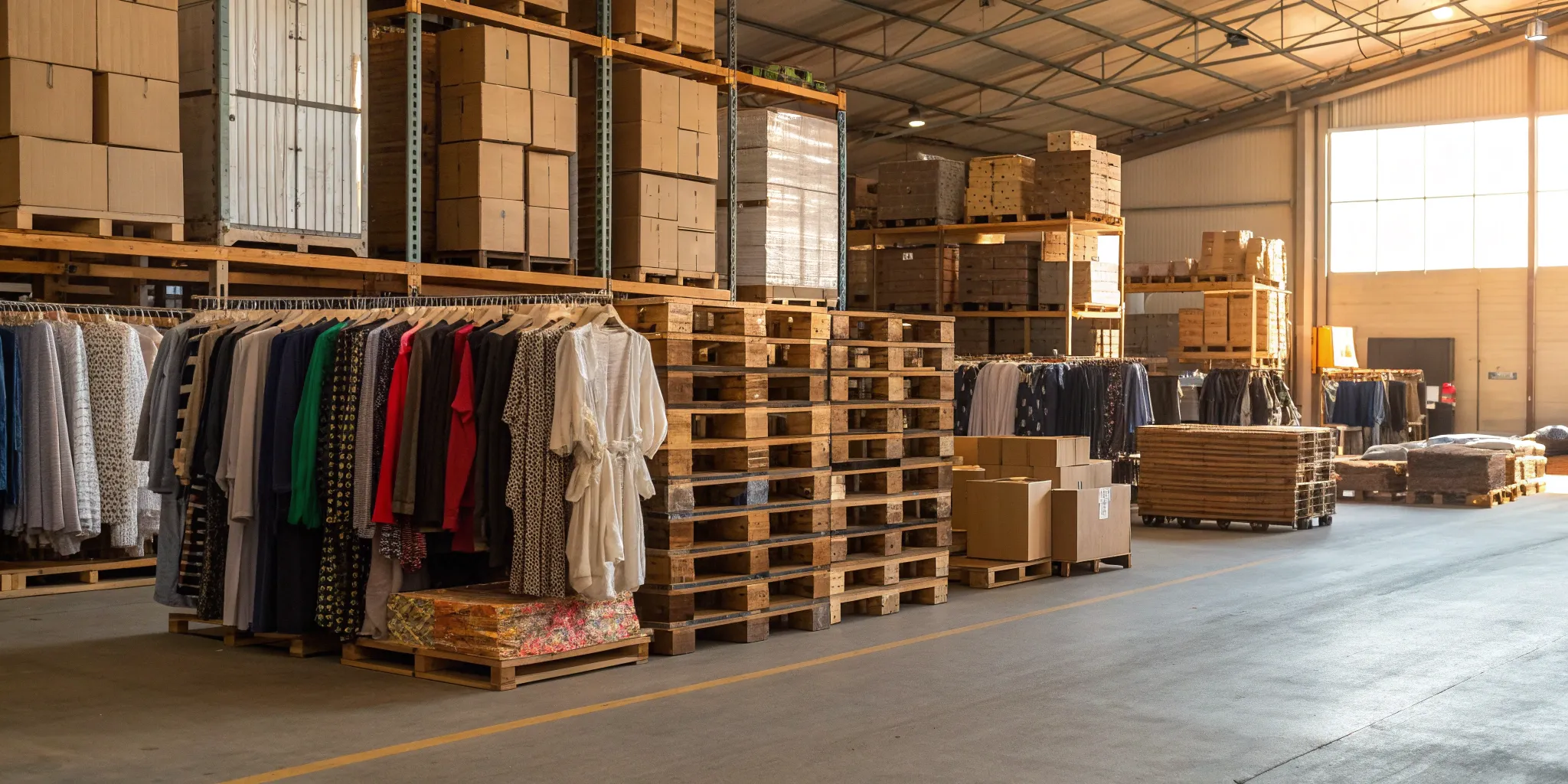 For anyone in the Dallas-Fort Worth area, one of the biggest hurdles to buying bulk inventory online is the astronomical cost of shipping. Finding a great deal on a pallet only to see your profits eaten up by freight fees is beyond frustrating. That’s why buying local is such a smart move. You get all the benefits of discounted, brand-name merchandise without the logistical headache. At Quickbidz, we offer local DFW shoppers and resellers access to top-quality liquidation pallets for sale right here in your backyard. This guide will show you how to leverage this local advantage to score incredible deals.
Key Takeaways
- Source Inventory for Less: Liquidation pallets are your ticket to acquiring brand-name goods directly from major retailers at a massive discount, giving you a competitive edge whether you're stocking a small business or just hunting for deals.
- Bid with a Strategy: The most successful buyers do their homework. Before bidding, always review the manifest, research the resale value of the items, and calculate all potential costs—like buyer's premiums and shipping—to ensure your purchase is profitable.
- Turn Your Haul into Cash: A profitable flip requires a plan. After you win, sort and test every item, choose the right sales platform for your products, and price them competitively by checking what similar items have recently sold for.
What Are Liquidation Pallets?
If you've ever wondered how small businesses and savvy shoppers score brand-name goods for pennies on the dollar, the answer is often liquidation pallets. Think of them as giant mystery boxes for grown-ups. These are large, shrink-wrapped bundles of products sold by retailers at a massive discount. Why? Big-box stores need to make space for new inventory, so they offload items that are overstocked, have been returned by customers, or are from a previous season. This process lets them clear their shelves and warehouses efficiently. For you, it’s a golden opportunity to acquire a high volume of merchandise for a fraction of its original retail price, whether you're stocking your own store or just hunting for incredible deals.
How the Liquidation Process Works
So, what happens to that coffee maker you returned or the seasonal decor that didn't sell? Major retailers gather these items—along with their overstock—and bundle them together. Instead of trying to sell each item individually, they package them into large pallets or even full truckloads. These bundles are then sold to liquidation companies or directly to the public through auctions. This is the core of how it works; it’s a win-win. Retailers recoup some of their costs and free up valuable space, while buyers get access to a huge amount of inventory at a steep discount. It’s the ultimate behind-the-scenes pass to retail savings.
The Different Types of Merchandise You Can Find
The beauty of liquidation pallets is the sheer variety. You truly never know what you might find. A single pallet could be filled with high-demand electronics and appliances, designer fashion, or sought-after home goods. The merchandise can range from brand new in the box to customer returns that might need minor repairs, which is why reading the description is so important. For resellers, this variety is fantastic because it allows you to source different types of products from one place. For bargain hunters, it’s a treasure hunt that can furnish your home or fill your closet for way less. Buying these pallets in bulk is where you’ll find some of the best deals.
Where to Find Liquidation Pallets for Sale
Once you’re ready to start sourcing inventory, you’ll find there are a few different places to look. The key is finding a reliable source that fits your budget and business goals. Some sellers specialize in certain categories, while others offer a mix of everything. You can find pallets through local auction houses, large online marketplaces, and even directly from major retailers. Each option has its own process, so it’s helpful to explore a few to see what works best for you.
Score Deals at Quickbidz Auctions
For anyone in the Dallas-Fort Worth area, starting local is a smart move. At Quickbidz, you can find liquidation pallets filled with customer returns and overstock items from major retailers. Because we're right here in DFW, you can skip the complicated and costly cross-country shipping fees that come with buying from national platforms. This makes it much easier to calculate your potential profit. Bidding on local pallets is a straightforward way to get high-quality merchandise for your business or personal use without the logistical headaches.
Exploring Other Liquidation Platforms
If you want to see what else is out there, several national online platforms also auction off bulk inventory. Sites like Direct Liquidation focus on surplus goods from major US retailers, offering everything from electronics to home goods. Others, like Liquidation.com, host auctions across a wide variety of categories, but you’ll need to create and verify an account before you can bid. For those looking for Texas-based options beyond DFW, Orotex Liquidation sells surplus goods by the pallet or truckload. These platforms can give you a broader view of the market.
Buying Directly from Retailers
Some major retailers have their own programs for selling returned and overstock items directly to the public. For example, Amazon bundles its returned products into pallets and sells them to liquidation companies and sometimes individual buyers. Similarly, Walmart runs its own liquidation marketplace where you can bid on truckloads and pallets of goods. This path can give you direct access to a retailer’s inventory, but it often requires a larger investment and the ability to handle bigger quantities of merchandise, so it’s typically a better fit for more established resellers.
What's Inside a Liquidation Pallet?
This is where the real fun begins. Opening a liquidation pallet is like a modern-day treasure hunt—you have a general idea of what’s inside, but the specifics are a surprise. The contents can range from brand-new, in-box items to customer returns and overstock merchandise from major retailers. This variety is what makes pallet buying so exciting and potentially profitable. Pallets are often categorized by product type, so you can bid on a pallet of just electronics or home goods if you have a specific niche. Other times, you’ll find mixed merchandise pallets that contain a little bit of everything, perfect for those who love variety.
The key is knowing what you’re looking for. Are you a reseller specializing in designer clothing, or are you trying to furnish your home on a budget? Understanding the different types of merchandise you can find will help you choose the right pallet. From high-end electronics and brand-name apparel to everyday household items and tools, the possibilities are vast. At Quickbidz, we see an incredible range of products come through our auctions, giving you plenty of opportunities to find exactly what you need—or discover a profitable new niche you hadn't considered before. Let's get into the most common categories you'll come across when you start bidding.
Electronics and Appliances
If you’re tech-savvy, electronics pallets can be a goldmine. These often contain a mix of items like TVs, laptops, speakers, kitchen gadgets, and other small appliances. You might find brand-new products, open-box returns, or items with minor cosmetic damage that are still perfectly functional. For resellers, this category offers the chance to acquire high-value inventory at a steep discount. For bargain hunters, it’s an incredible way to get the latest electronics and appliances for your home without paying retail prices. Just be sure to read the manifest carefully to understand the potential condition of the items you’re bidding on.
Fashion and Apparel
For those with an eye for style, fashion pallets are a dream come true. These are packed with clothing, shoes, and accessories from well-known brands. You can find everything from surplus inventory of last season’s trends to customer returns. This is an amazing opportunity for boutique owners or online resellers to stock their shops with a diverse range of fashion items. Imagine unboxing a pallet filled with designer jeans, brand-name sneakers, and stylish handbags. It’s a fast and cost-effective way to build an inventory that will have your customers coming back for more.
Home Goods and Furniture
Whether you’re flipping houses, furnishing a new apartment, or reselling online, home goods pallets offer incredible value. These can include anything from small decorative items, bedding, and kitchenware to larger pieces of furniture. Because you’re buying in bulk, you can get these items for a fraction of what they would cost in a retail store. It’s a fantastic way to source unique pieces for an interior design project or stock a booth at a local market. Keep an eye out for home and furniture pallets to find everything you need to create a beautiful and inviting space.
Mixed Merchandise: The Ultimate Treasure Hunt
If you love surprises and variety, then mixed merchandise pallets are for you. These are the ultimate treasure hunt, as they contain a wide assortment of products from different categories. One pallet could hold toys, tools, beauty products, and home decor all in one. While a manifest might give you a general idea of the contents, the exact condition and mix of items are part of the discovery. This unpredictability is what makes it so thrilling. You never know when you might uncover a hidden gem that makes the entire pallet purchase worthwhile. It’s a great option for general resellers or anyone looking for an exciting unboxing experience.
How to Evaluate a Pallet Before You Bid
Winning an auction is exciting, but the real win comes from knowing you got a great deal. Before you place that first bid, spending a little time evaluating the pallet can be the difference between a truckload of treasure and a pile of stuff you can’t move. This is where strategy comes into play. A smart bidder doesn’t just bid to win; they bid on the right pallets. By looking closely at the manifest, calculating your potential return, and accounting for all the costs, you can bid with confidence and set yourself up for a profitable flip or some serious personal savings. Let’s walk through how to size up a pallet like a pro.
Read the Manifest and Research Brands
Think of the manifest as your treasure map—it’s the list of everything included in the pallet. My best advice is to stick with "manifested pallets" whenever possible. While a mystery pallet can be a fun gamble, a manifested one lets you make an informed decision and seriously reduces the risk of surprises. Once you have the list, your research begins. Look at the brands included. Are they high-end names you recognize or generic labels? A quick online search for the specific items can give you a good idea of their original retail price and how popular they are. This simple step helps you understand the potential value you’re bidding on. You can even check out past auctions to see what similar manifested pallets have sold for.
Calculate Your Potential Profit
This is where you put on your business hat and do the math. For every item on the manifest you plan to resell, you need to figure out its potential market value. A great way to do this is to check what similar items are currently selling for on platforms like eBay, Poshmark, or Facebook Marketplace. Once you have a rough total for the pallet's resale value, you can start to see how high you can afford to bid. A good rule of thumb for many resellers is to aim for a profit of around 30-40% after all costs, but this can vary widely depending on the items. If you're looking at a pallet of home goods, for example, your research will tell you what you can realistically expect to earn.
Don't Forget to Factor in All Costs
Your final bid price isn't the only expense you'll have. To get a true picture of your potential profit, you have to account for every single cost associated with that pallet. This includes any buyer's premium, sales tax, and shipping or transportation fees to get the pallet from the warehouse to your home or storage unit. It’s also important to check the pickup policy. Some auction houses charge a storage fee if you don't retrieve your pallet within a certain timeframe—sometimes as much as $25 per day. These extra costs can add up quickly and eat into your profits, so always read the fine print. You can usually find these details on a company's help page before you ever place a bid.
The Risks vs. Rewards of Buying Pallets
Jumping into the world of liquidation pallets can feel like a real-life treasure hunt. The thrill of the unknown is part of the appeal, but it’s smart to go in with your eyes wide open. Like any business venture, buying pallets comes with its own set of potential highs and lows. The key is understanding both sides of the coin so you can make informed bids and turn a tidy profit. When you know what to look for and what to avoid, you can tip the scales in your favor and minimize the chances of ending up with a pallet full of duds. Let's break down what you can realistically expect.
The Reward: Big Profits and Major Savings
The biggest draw of buying liquidation pallets is, without a doubt, the potential for huge profits. You’re getting a large volume of merchandise for a fraction of its retail value, which sets you up for a great return on your investment. This business model of flipping liquidation pallets allows you to acquire a wide range of products to sell, from high-end electronics to designer apparel. For small businesses, this is an incredible way to stock your inventory without a massive upfront cost. For individual resellers, it’s a fantastic side hustle. When you source from a trusted company, you get a steady stream of products and a lower risk of unsellable items, which is a recipe for success.
The Risk: Understanding Product Quality and Condition
Here’s the reality check: liquidation pallets are almost always sold "as-is." This means the items haven't been individually inspected or tested, so you have to be prepared for some uncertainty. You might find items that are brand new in the box, while others could be customer returns with cosmetic damage, missing parts, or functional issues. A general rule of thumb is that a good portion of the items will be in working condition, but you should expect a mix of quality levels. The trick is to factor this into your bidding strategy. Looking at past auctions can give you a better sense of the types of products and conditions you might encounter.
Avoid These Common Buyer Mistakes
You can sidestep many common frustrations by doing a little homework before you bid. First, always research the market for the types of products on the pallet. Are the brands in demand? What are similar items selling for online? This helps you calculate your potential profit. Second, don't get so caught up in the excitement of the auction that you forget to read the manifest and look at the photos carefully. Finally, and most importantly, make sure you’re buying from a reputable seller. A trustworthy company will be transparent about how their process works and what you can expect. Checking the reputation of the company selling the pallets is one of the most important steps you can take.
How Much Do Liquidation Pallets Cost?
Asking how much a liquidation pallet costs is a bit like asking how much a car costs—the answer is, it depends! You can find pallets for as little as a few hundred dollars, while others packed with high-end electronics or designer goods can run into the thousands. The final price tag isn't just about what's inside; it's also shaped by how it's sold and a few extra costs you'll want to keep on your radar. Understanding these variables is the key to making sure you’re getting a great deal and not a financial headache. Let’s break down exactly what determines the price so you can bid with confidence.
What Determines a Pallet's Price?
The value of a pallet is all about what’s on it. A pallet of brand-name power tools will naturally command a higher price than one filled with unbranded home goods. The most significant price driver is the estimated retail value of the items combined. Liquidators often provide a manifest listing the contents and their original prices, giving you a baseline. The condition is another critical piece of the puzzle. A pallet of new, in-box overstock items is worth more than a pallet of customer returns, which could contain a mix of perfectly fine products and damaged goods. The more desirable the product categories, the higher the starting bid and final price will likely be.
Auction vs. Fixed-Price Pallets
You’ll generally find pallets sold in one of two ways: through an auction or for a fixed price. At Quickbidz, we use an auction model where you place bids against other buyers. This creates an exciting opportunity to snag a pallet for a fantastic price if you have a sharp eye and a solid strategy. The final cost is determined by demand, so you could walk away with a major win. Alternatively, some liquidators sell pallets for a set price. This method is straightforward—you know the cost upfront—but you might miss out on the thrill of scoring a deal that’s well below market value. Your choice depends on your buying style.
Watch Out for Hidden Fees
Your winning bid isn't the final number you'll pay, so it’s essential to account for extra costs before you get started. Most auction platforms, including Quickbidz, charge a buyer's premium, which is a percentage added to your winning bid. You’ll also need to factor in sales tax. The biggest variable is often logistics. If you can't pick up the pallet yourself, shipping and freight costs can add a significant amount to your total expense. Finally, be mindful of pickup deadlines. As our How It Works page explains, storage fees can apply if you don't retrieve your pallet within the specified timeframe. Always read the fine print to calculate your true total cost.
How to Spot a Reputable Liquidation Seller
Finding a great deal on a pallet is exciting, but it’s important to remember that not all liquidation sellers are created equal. The difference between a fantastic haul and a frustrating experience often comes down to the company you buy from. A little bit of research upfront can save you a lot of headaches later. Think of it as protecting your investment. You want to partner with a company that is transparent, professional, and has a solid track record.
The best sellers understand that their success is tied to yours. They want you to come back for more pallets, so they have an interest in providing a good experience. They are clear about what they’re selling, how their process works, and what you can expect. On the other hand, a shady operator might hide details, use vague descriptions, or make it difficult to understand their policies. Learning to tell the difference is the first step to becoming a savvy pallet buyer. Here are a few key things to look for to ensure you’re working with a trustworthy source.
Check Their Reputation and Transparency
Before you place a bid, do a quick background check on the seller. What are other people saying about them? Look for online reviews, testimonials, and any social media presence they might have. A company with a long history of positive feedback is always a good sign. Transparency is just as important. A reputable seller is an open book. They should be upfront about where their merchandise comes from and what you can expect. You can get a great sense of a company’s history by looking through their past auctions to see the types of products they consistently offer and how they present them.
Ask About Their Inspection Process
While you generally can’t inspect a pallet’s contents item by item before buying, you can—and should—inquire about the seller’s own inspection process. A reliable liquidator has a system for receiving and sorting truckloads of merchandise. They should be able to tell you how they categorize items and what terms like "new," "open-box," or "customer returns" actually mean. Understanding how it works gives you confidence that they aren't just blindly selling boxes of unknown goods. This insight helps you make a more informed bid and better predict the quality of the items you’ll receive.
Look for Clear Return Policies
This is a big one. The vast majority of liquidation merchandise is sold "as-is," which means all sales are final. This is a standard industry practice that allows for such deep discounts. However, a reputable seller will make this policy crystal clear. Their terms and conditions should be easy to find and understand before you ever commit to a purchase. If a seller is vague about their return policy or hides it in the fine print, consider it a red flag. Always know the rules before you play the game. You can usually find this information on a company’s help or FAQ page.
Your Guide to Reselling for Profit
Winning a pallet auction is a huge thrill, but the real excitement begins when you turn those goods into cash. Reselling your finds is where your hard work pays off, and with a smart strategy, you can build a profitable side hustle or even a full-time business. The process isn't complicated, but it does require a plan. It all comes down to three key steps: organizing your inventory, choosing the right place to sell, and pricing your items correctly.
Think of yourself as a curator. You’ve just acquired a unique collection of items, and now your job is to get each piece to the right home. Some items might be perfect for a quick flip on a local marketplace, while others could fetch a higher price on a specialized platform. By taking a methodical approach, you can maximize your return on every pallet you win. We’ll walk through how to sort your merchandise, where to list it, and how to price it for a healthy profit. This is your roadmap to turning those liquidation pallets into a steady stream of income.
Sort and Test Your Merchandise
Once your pallet arrives, the first thing you should do is an inventory check. Open every box and sort your items into categories. A good system is to create three piles: one for items ready to sell, one for items that need minor repairs or cleaning, and one for anything that’s broken or not worth selling. Be thorough during this stage. For electronics, plug them in and test their functions. Check clothing for any stains or tears. This initial quality control step is crucial because it helps you write accurate product descriptions and build trust with your future customers. Knowing exactly what you have and its condition is the foundation of a successful resale business.
Pick the Right Platform to Sell On
Where you sell your items can make a big difference in your final profit. You have plenty of options, so choose the platform that best fits your products. For new-in-box items, Amazon FBA can be a great choice, as they handle storage and shipping for you. If you have open-box or gently used goods, eBay is a fantastic marketplace with a massive audience. For fashion and apparel, consider platforms like Poshmark or Depop. Don’t forget about local options like Facebook Marketplace or Craigslist, which are perfect for larger items like home goods and furniture where you want to avoid shipping costs. Selling items from liquidation pallets often allows you to offer lower prices, which helps you stand out from the competition.
Price Your Items for Maximum Profit
Pricing is part art, part science. Your goal is to find the sweet spot that attracts buyers while leaving you with a solid profit margin. Start by researching what similar items have recently sold for on your chosen platform—this is often called checking "comps." This gives you a real-world baseline for what customers are willing to pay. When you set your price, remember to factor in all your costs. This includes the initial cost of the pallet (divided by the number of sellable items), marketplace fees, payment processing fees, and any shipping and packaging supplies. A good rule of thumb is to aim for a profit of 30-40% on each sale to make your effort worthwhile.
Related Articles
Frequently Asked Questions
What condition should I expect the items to be in? Since liquidation pallets are typically sold "as-is," you should be prepared for a mix of conditions. You'll likely find brand-new items, open-box customer returns that are perfectly fine, and some products that might have cosmetic flaws or need minor repairs. The best approach is to factor this variety into your bidding strategy, assuming that a certain percentage of the items may not be sellable. This is the trade-off for getting merchandise at such a deep discount.
Do I need a business license to buy and resell these items? You don't need a special license to bid on and purchase pallets from Quickbidz for personal use. However, if your goal is to resell the items for profit, it's a smart move to look into your local and state requirements. Often, you'll need to register your business and obtain a seller's permit to collect sales tax. A quick check with your local small business administration office can give you clear guidance.
How do I physically get my pallet after I win an auction? Once you've won an auction, you'll need to arrange for pickup from the warehouse. Because Quickbidz is local to the Dallas-Fort Worth area, you can save a lot on shipping by picking it up yourself. You'll need a vehicle large enough to handle a pallet, like a pickup truck or a box truck. Be sure to check the pickup schedule and deadlines, as storage fees can apply if you don't retrieve your pallet within the specified time frame.
What's the difference between a manifested and a mystery pallet? A manifested pallet comes with a detailed list of its contents, which often includes item names, quantities, and sometimes even the original retail value. This allows you to research the products and calculate your potential profit before you bid, which significantly lowers your risk. A mystery pallet, on the other hand, has no itemized list, making it a complete surprise. It can be a thrilling treasure hunt, but it's also a bigger gamble.
Is it better to start with a specific category or a mixed pallet? This really depends on your goals and expertise. If you have a deep knowledge of a certain area, like electronics or fashion, starting with a specialized pallet allows you to use your skills to your advantage. If you're new to reselling or enjoy variety, a mixed merchandise pallet is a fantastic way to learn the ropes. It lets you experiment with different types of products to see what sells best for you without committing to a single category.