.png)
Electronics Returns Auction: A Beginner's Guide
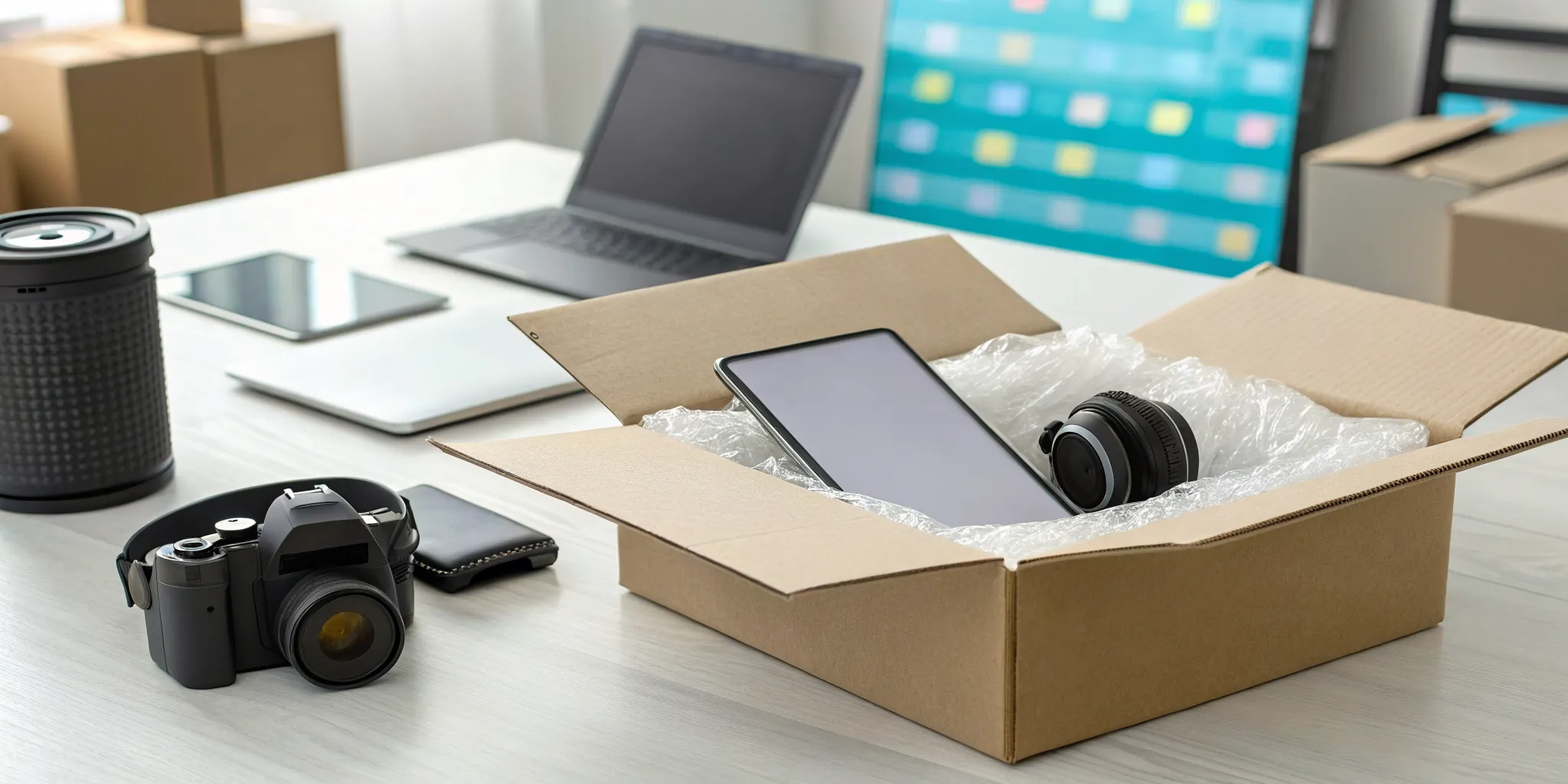
There’s a unique thrill that comes with finding an amazing deal, and an electronics returns auction is like a modern-day treasure hunt for tech lovers. These auctions are filled with a huge variety of products returned to major retailers, from the latest smart home devices to powerful gaming consoles and premium appliances. You never know what you might uncover in the listings. Whether you’re bidding on a single item or an entire pallet, the potential for scoring high-value goods for pennies on the dollar is very real. This guide will give you the map to navigate this exciting world.
Key Takeaways
- Bid with a clear plan, not just emotion: The most successful bidders do their homework. Before an auction starts, research the market value of the items, read the full description and manifest, and set a firm budget that includes all potential fees.
- Prepare for the post-auction process: Winning is just the beginning. Have a system ready for testing every item you receive, since returned electronics can have unknown conditions. A plan for handling repairs or selling non-working items for parts is essential.
- Create listings that build buyer trust: To maximize your profit as a reseller, focus on creating detailed and honest product listings. Use clear photos that show an item's true condition, write accurate descriptions, and price your products competitively based on research.
What is an Electronics Returns Auction?
Ever wonder what happens to that tablet or pair of headphones someone returns to a big-box store? Often, they end up in an electronics returns auction. These auctions are a fantastic way for resellers and savvy shoppers to buy items like smartphones, laptops, and gaming consoles at a fraction of their retail price. Instead of sitting in a warehouse, this inventory is bundled into lots and sold to the highest bidder. It’s a treasure hunt where you can find incredible deals on electronics, whether you’re looking to stock your own small business or just score a personal upgrade without breaking the bank.
How Do They Work?
The process is pretty straightforward. Major retailers gather all their customer-returned electronics and sell them in bulk to liquidation companies. Those companies then sort the items and list them on an online auction platform, like Quickbidz. You can browse the listings, see what’s available, and place bids on the items you want. Sometimes you’re bidding on a single high-value item, and other times you might bid on an entire pallet of mixed electronics. The auction process is designed to be simple, allowing you to purchase returned inventory directly from an online marketplace and have it ready for pickup.
What Kinds of Electronics Can You Find?
The variety is what makes these auctions so exciting. You can find almost any type of consumer electronic good you can think of. This includes everything from the latest smartphones and tablets to laptops, smartwatches, and high-end headphones. You’ll also see larger items like TVs, sound systems, and kitchen appliances. The inventory often includes a mix of brand-new items in unopened boxes, open-box customer returns, and sometimes even pallets of liquidated stock. Browsing the electronics and appliances category is like a digital treasure hunt; you never know what amazing deals you’ll uncover.
Why Are These Items Returned?
It’s easy to assume returned electronics are broken, but that’s rarely the whole story. People return items for all sorts of reasons. Sometimes, a product is missing a specific feature the customer thought it had, or maybe they just experienced buyer's remorse. Other common reasons include minor cosmetic damage to the product or its packaging, or it could have been an unwanted gift. While some items may have a functional issue, many are in perfect working condition. Reputable auction sites are transparent about an item's state, so you’ll know what you’re bidding on before you commit.
Why Bid on Returned Electronics?
If you've ever wondered whether bidding on returned electronics is worth it, the answer is a resounding yes. For bargain hunters and aspiring resellers alike, these auctions are a fantastic source for high-quality goods without the retail price tag. Beyond the obvious savings, you’re also getting a chance to build a profitable side hustle or simply score amazing products for yourself. It’s a smart way to shop, giving you access to items you might not otherwise consider and contributing to a more sustainable way of consuming. Let's break down the biggest advantages.
Enjoy Significant Savings
The most compelling reason to bid on returned electronics is the incredible value. These items are often sold for a fraction of their original retail price. Because they can't be put back on store shelves as "new," retailers need to move them quickly, creating an opportunity for you to save big. Electronics auctions are a smart way for resellers to buy items like mobile devices, laptops, and accessories in bulk at low prices. Whether you’re looking for a new personal laptop or stocking up on inventory for your business, you can find amazing deals in our Electronics & Appliances auctions.
Get Access to Top Brands
Don't assume that returned items are all off-brand or undesirable. Major retailers are constantly cycling through inventory, which means a steady stream of customer returns from some of the biggest names in the industry. You can find everything from high-end headphones and smart home devices to premium kitchen appliances from brands you know and trust. This gives you a chance to own or resell top-tier products without paying premium prices. You can get a feel for the kinds of brands that show up by looking through our past auctions.
Create Reselling Opportunities
For anyone interested in e-commerce, electronics returns auctions are a goldmine. The business model is simple: buy low and sell high. You can purchase a single high-value item or an entire pallet of mixed electronics, then resell the individual items for a profit. Buying returns offers a great way to make money by splitting up the pallet and reselling the items individually on platforms like eBay, Facebook Marketplace, or your own website. Our pallets are a popular starting point for many local resellers looking to build their inventory.
Make an Eco-Friendly Choice
Bidding on returned electronics is also a sustainable choice. Every year, tons of electronic waste ends up in landfills, even when the products are still perfectly functional. By purchasing returned items, you’re giving them a second life and preventing them from becoming e-waste. This practice is a key part of the circular economy, which focuses on reusing and recycling resources instead of disposing of them. It’s a simple way to reduce your environmental footprint while getting the products you want at a great price.
Where to Find Electronics Returns Auctions
Once you’re ready to start bidding, the next step is finding a reliable auction platform. The right website will make the process straightforward and transparent, giving you the confidence to place bids and find amazing deals. While a quick search will show you many options, they aren't all created equal. Knowing what to look for will help you find a trustworthy source for returned electronics, whether you're shopping for yourself or sourcing inventory for your business.
What Makes an Auction Platform Trustworthy?
A trustworthy auction platform prioritizes clarity and support. Look for sites that provide detailed product descriptions, clear photos, and a straightforward bidding process. When you’re bidding on electronics, it’s important to know exactly what you’re buying. A good platform will offer transparent information about item conditions, helping you understand what you're getting before you commit. You should also look for accessible customer service and a clear outline of all rules and fees. This transparency helps you avoid bidding on the wrong lots and ensures you have a positive experience from start to finish.
Find Your Next Deal on Quickbidz
For those in the Dallas-Fort Worth area, Quickbidz is your local source for incredible deals on returned electronics. Electronics auctions are a smart way for resellers to buy items like laptops, gaming consoles, and smart home devices in bulk at low prices. At Quickbidz, you can browse a constantly updated selection of electronics and appliances from top brands. Because we’re local, you can skip the shipping headaches and pick up your winnings directly. Whether you’re hunting for a personal gadget or stocking your resale shop, our auctions give you a direct path to high-quality items without the high price tag.
How to Vet Other Auction Sites
When exploring other auction sites, apply the same standards. You will find many electronic goods in online auctions, including customer returns and liquidated stock, often sold on pallets. Before you bid, check for reviews from other users and look for a history of past auctions to see what items have sold for. Many people buy from these sales for personal use, but they also offer a great way to make money by reselling items individually. Make sure you fully understand the platform’s fees, shipping policies, and return process before placing a bid. A little research upfront can save you a lot of trouble later.
How to Evaluate an Auction Lot
The secret to scoring an amazing deal at an electronics auction isn’t just about placing the winning bid; it’s about knowing exactly what you’re bidding on. It’s easy to get caught up in the final seconds of an auction, but the real work happens before you even place your first bid. Taking the time to properly evaluate a lot helps you bid with confidence and ensures the items you win are exactly what you expected. By looking closely at the details, understanding the condition of the products, and doing a little math, you can turn a good find into a truly profitable one.
Read the Manifest and Product Descriptions
Think of the auction manifest as your treasure map. This document lists everything included in the lot, from model numbers and quantities to specific notes about the items. Don’t just skim it; read every line carefully. The description will give you the critical details you need to research the products and understand their value. For example, a listing for a pallet of electronics and appliances might specify the brands and whether the items come with accessories. Paying close attention to these details helps you avoid surprises and make an informed decision, ensuring you know exactly what you’re buying before you commit.
Understand Product Condition Grades
Not all returned items are created equal, and that’s where condition grades come in. These grades tell you the state of the products in a lot. Common conditions include New, Open-Box, Used, or Salvage. Understanding these grades is essential because they directly impact an item's value and functionality. An "Open-Box" TV might be practically new, while a "Salvage" laptop is likely best for parts or requires significant repairs. Knowing the difference helps you filter for lots that match your needs, whether you’re looking for a personal-use gadget or inventory for your resale business.
Calculate Your Total Costs and Potential Profit
Your winning bid is only part of the total cost. Before you decide on your maximum bid, be sure to factor in all the additional expenses. This includes the buyer’s premium (a percentage-based fee added to your winning bid), shipping fees or the cost of gas for local pickup, and any potential repair costs for used items. If you plan to resell, subtract these total costs from your estimated resale value to see your potential profit. This simple calculation will help you stay on budget and ensure the pallets you bid on are a smart financial move.
Research the Market Value
Once you know what’s in the lot and its condition, it’s time to do some market research. Look up the items from the manifest on sites like eBay, Facebook Marketplace, and Amazon to see what they are currently selling for. This step is crucial for setting a realistic maximum bid. If a specific gaming console is selling for $150 used, you’ll know not to bid more than that, especially after factoring in fees. Researching the market value is what separates casual bidders from savvy buyers who consistently find valuable deals and turn them into profit.
Avoid These Common Beginner Mistakes
Jumping into your first electronics auction is exciting, but it's easy to get swept up in the action and make a few rookie errors. The thrill of the hunt can sometimes overshadow the practical side of bidding. A little preparation goes a long way in making sure your experience is profitable and fun, not frustrating. Think of it like this: the best bidders aren't just lucky; they're strategic. They know their numbers, they understand the rules, and they don't let a bidding war derail their entire plan.
By being aware of the most common pitfalls, you can approach each auction with confidence. It’s all about knowing what to look for and what to avoid. From setting a firm budget to understanding the fine print, a few simple habits can make a huge difference. Let’s walk through the four biggest mistakes beginners make and how you can sidestep them to bid like a pro from day one. This isn't about taking the fun out of it; it's about making sure the fun leads to a great deal.
Set a Realistic Budget
The fast pace of an auction can create a sense of urgency, making it tempting to bid just a little bit higher to win. Before you even look at an auction, decide exactly how much you are willing to spend and stick to it. This number should include not just your maximum bid but also any potential fees, taxes, and shipping costs. It can be tempting to bid on large lots in electronics auctions, but buying more than you can sell is a costly mistake. Creating a budget beforehand removes emotion from the equation and ensures you don’t end up with a win that actually feels like a loss.
Start Small Before You Scale
While the idea of winning a huge pallet of electronics is appealing, it’s wise to ease into the process. Start small. Bid on individual items or smaller lots before tackling entire pallets. This approach lets you learn the ropes of the auction process, from bidding and payment to pickup and inspection, without a major financial commitment. This builds confidence without risking large sums of money. Once you have a few successful auctions under your belt and understand the workflow, you can confidently move on to bigger opportunities. Think of your first few purchases as your training ground for the major leagues.
Understand All Platform Fees
Your winning bid is rarely the final price you’ll pay. Most auction platforms have additional costs you need to factor into your budget. These often include a buyer's premium, which is a percentage of the winning bid, as well as processing fees and local taxes. Before you place a bid, make sure you understand the platform’s complete fee structure. You can usually find this information on a page explaining how it works or in the site's FAQs. Knowing these extra costs ahead of time helps you calculate your true total investment and determine if a lot is actually a good deal for you.
Read the Auction Terms and Policies
Every auction listing has its own set of rules, and assuming they are all the same is a common mistake. Take a few minutes to read the full description and the specific terms for the item you’re interested in. Pay close attention to details like payment deadlines, pickup windows and locations, and the policy on returns or disputes. Some auctions are "as-is, where-is," meaning you get what you see with no guarantees. By checking the auction details and planning your bids, you can avoid this common mistake and any unwelcome surprises after you’ve already won.
What Are the Risks Involved?
Let’s be real: scoring amazing deals on electronics auctions comes with a few potential bumps in the road. Knowing what to look out for is the best way to protect your wallet and make smart bids. It’s not about being scared off; it’s about being prepared. When you bid on returned or liquidated items, you’re stepping into a world where things aren’t always brand-new and perfect.
The biggest risks usually fall into four categories. First, you’re often dealing with items where the exact condition is a bit of a mystery. They could be flawless, or they could need some work. Second, these products almost never come with a manufacturer's warranty, so if something goes wrong, you’re on your own. Third, the thrill of a bidding war can sometimes lead you to overpay if you’re not careful. Finally, you have to think about the logistics of actually getting your hands on your winnings, especially if you’re buying in bulk. By understanding these challenges upfront, you can create a strategy that minimizes surprises and helps you focus on finding those incredible bargains.
Dealing with Unknown Item Conditions
One of the biggest variables in electronics auctions is the condition of the items. You’ll find a mix of everything, from pristine, open-box products to customer returns that might have cosmetic flaws or functional issues. Some items might be brand new overstock, while others could be shelf pulls or part of a liquidation pallet that needs sorting and testing.
This is why reading the auction details is so important. Platforms like Quickbidz provide manifests and condition grades to give you a clearer picture of what you’re bidding on. Pay close attention to terms like "New," "Like New," "Used," or "Salvage." Understanding these descriptions helps you manage your expectations and avoid bidding on the wrong lot for your needs. Always factor in the possibility that some items may require repair or can only be used for parts.
Working Without Manufacturer Warranties
When you buy electronics through a returns auction, you’re almost always buying them "as-is." This means they don’t come with the original manufacturer's warranty. If a brand-name laptop or high-end appliance stops working a week after you get it, you can’t just call up customer service for a replacement. This lack of a safety net is a key reason why the prices are so low.
Before you place a bid, accept that you are the warranty. If you’re buying for personal use, consider if you’re comfortable with the risk. If you’re a reseller, you’ll need to decide how you’ll handle returns or defective items for your own customers. Factoring in potential repair costs or losses from non-working items is a crucial part of making a profitable bid on electronics and appliances.
Handling Competitive Bidding
The excitement of an auction is part of the fun, but it can also be a risk. It’s incredibly easy to get swept up in a bidding war and end up paying more than you intended. One of the most common mistakes beginners make is letting emotions drive their bids, leading them to overpay and erase any potential profit or savings.
The best way to handle this is to do your homework before the auction starts. Research the item’s market value and decide on your maximum bid ahead of time. Set a firm budget and stick to it, no matter what. Remember, another great deal will always come along. It’s better to walk away from one auction than to win an item at a price that hurts your bottom line. Understanding how the auction works can also prevent you from making a costly error.
Managing Shipping and Logistics
You won the bid, congratulations! Now, how do you get your items? Shipping and logistics are often an overlooked cost and effort. For a single item, it might be straightforward, but for larger lots or entire pallets, it gets more complex. Shipping fees, especially for heavy or bulky electronics, can quickly add up and should be calculated into your total cost before you even bid.
If you’re local to the Dallas-Fort Worth area, you might be able to save a lot by picking up your items in person. But you still need a plan. Do you have a vehicle large enough to transport everything? Where will you store it all once you get it home? Thinking through these practical steps is essential. You need to have a clear plan for receiving, sorting, and storing your winnings before you click that "bid" button.
Tools You'll Need to Succeed
Jumping into electronics auctions without a plan is like going on a road trip without a map. You might get somewhere interesting, but you’ll probably waste a lot of time and money. To really make the most of these opportunities, it helps to have a few key tools in your back pocket. Think of these as your success kit, designed to help you bid smarter, manage your inventory, and connect with others who know the ropes. With a little preparation, you can turn a fun hobby into a profitable side hustle.
Use Price Comparison Tools
Before you place a single bid, you need to know what an item is actually worth. This is where price comparison comes in. Electronics auctions are a fantastic way for resellers to acquire items like laptops and accessories at low prices, but only if you know the potential resale value. Spend some time researching what similar items have sold for recently. A great way to do this is to check sold listings on eBay, which gives you real-world data on what buyers are willing to pay. This simple step helps you set a maximum bid and ensures you leave enough room for profit after fees and shipping.
Set Up a Budgeting System
It’s incredibly easy to get caught up in the excitement of a bidding war. That’s why having a budget is non-negotiable. It can be tempting to bid on large lots, but buying more than you can realistically process and sell is a costly mistake. Create a simple spreadsheet or use a budgeting app to track your spending. For each auction, note your maximum bid, the final price, and any associated fees. This helps you stay disciplined and make decisions based on data, not emotion. A clear budget for your small business will keep your reselling venture healthy and growing.
Get the Right Testing Equipment
When you buy returned electronics, you’re dealing with a mixed bag. Some items will be in perfect condition, while others might be damaged or in need of repair. Having the right equipment on hand lets you quickly sort, test, and diagnose your winnings. You don’t need a full-blown electronics lab, just a few basics. A universal power adapter, a set of common charging cables (USB-C, Lightning, Micro-USB), and a multimeter are great starting points. This simple toolkit allows you to verify if an item powers on and functions correctly, which is crucial for determining its resale value.
Learn from Online Communities
You don’t have to figure everything out on your own. There are huge communities of resellers who are happy to share their knowledge and experiences. Joining a group like the r/Flipping subreddit or other online forums can be incredibly valuable. You can ask for advice on specific products, learn about new selling platforms, and get tips on everything from shipping to repairs. Many people in these communities are successfully splitting up pallets and reselling items individually. Learning from their successes and mistakes can save you a lot of headaches and help you build your business faster.
You Won the Auction! Now What?
That rush of seeing "You Won!" is fantastic, isn't it? Congratulations! You’ve successfully placed the winning bid, and a new batch of electronics is heading your way. But the process isn't over just yet. The moments after the auction closes are just as important as the bidding itself. This is where you turn your winning bid into a real, tangible asset, whether it's for personal use or for your resale business.
Think of this as the final leg of the race. Now it’s time to handle payment, arrange for pickup or delivery, and get ready to see exactly what you’ve scored. A smooth post-auction process sets you up for success and makes the entire experience much more enjoyable. Let’s walk through the essential next steps to take after you’ve won.
Pay for Your Items
Once the auction ends, the first step is to complete your purchase. When you place a winning bid, you’re entering a commitment to buy the items. This is why it’s so important to set a firm budget before you even start bidding. Having a clear price in mind helps you stay on track and ensures you can comfortably cover the cost.
Most auction platforms, including Quickbidz, make the payment process straightforward. You’ll typically receive an invoice with the final amount, including any buyer’s premiums or taxes. Be sure to pay promptly to avoid any issues with your account or delays in getting your items. You can find specific details about payment timelines and methods on the auction site’s how it works page.
Arrange for Shipping and Inspection
After your payment is processed, it’s time to get your electronics. You’ll need to arrange for either local pickup or shipping. If you’re local to the Dallas-Fort Worth area, picking up your items from Quickbidz is a great way to save on shipping fees and get your hands on your winnings faster.
For resellers, this step is especially critical. The sooner you get your items, the sooner you can inspect, test, and list them for sale. Many people buy liquidation pallets to break them down and sell the items individually, so efficiency is key. Check the auction details for pickup windows and shipping options, and make your arrangements as soon as you can.
Test Everything When It Arrives
Once your items are in your possession, the real fun begins: discovery. It’s essential to test every single item thoroughly. The condition of customer returns can range from brand new in an open box to non-functional and best used for parts. You won’t know what you have until you plug it in, power it on, and check all its features.
For example, a gaming console might turn on, but does the disc drive work? Does it come with controllers? A coffee maker might look perfect, but does it actually brew? Create a systematic process for testing your electronics and appliances so you don’t miss anything. This inspection phase is crucial for determining an item’s value and your next steps.
How to Handle Defective Items
It’s inevitable: some items just won’t work as expected. Don’t get discouraged. Dealing with defective products is part of the liquidation game. Instead of seeing it as a loss, think of it as another opportunity. Can the item be easily repaired? Sometimes a simple fix is all it needs to be fully functional again.
If it’s beyond repair, consider selling it for parts. Many technicians and hobbyists look for specific components and are willing to buy non-working electronics. You can also bundle a defective item with a working one as a "bonus" or simply disclose its condition and sell it "as-is" at a steep discount. Having a plan for these items helps you recover some of your cost and minimize losses.
How to Maximize Your Reselling Profits
Winning a pallet of returned electronics is exciting, but the real win comes when you turn that inventory into profit. The steps you take after the auction closes are what separate a fun hobby from a successful reselling business. It’s all about having a solid process for testing, listing, and selling your items strategically. By putting in a little effort upfront, you can ensure you get the best possible return on your investment. This means carefully checking each device, creating listings that attract buyers, choosing the right place to sell, and pricing your products to move. This post-auction phase is where your research and hard work truly pay off. It's less about the thrill of the bid and more about the satisfaction of seeing a return. Let's walk through the essential steps to handle your auction wins like a pro and make sure your efforts translate into real income.
Test and Refurbish Your Electronics
The first thing you should do with your new inventory is test everything. Electronics from returns auctions can range from brand new to needing repairs, so you can't make assumptions. Plug items in, charge them, and check all their core functions. For items that don't work, see if it's a simple fix. Sometimes a new battery or a loose connection is all it takes to bring a device back to life. Learning some basic electronic repair skills can dramatically increase your profits, turning a "for parts" item into a fully functional product you can sell for a much higher price.
Create Product Listings That Sell
Your product listing is your sales pitch, so make it a good one. Start with clear, well-lit photos from every angle, and be sure to capture any scratches or cosmetic flaws. Honesty is key here. In your description, be upfront about the item's condition. Use clear titles with the brand, model number, and key features. A detailed description that explains what’s included (like chargers or accessories) and what you’ve tested helps build trust with buyers. A great product listing not only attracts more interest but also reduces the chances of a customer being unhappy later.
Choose the Best Sales Channel
Where you sell your items matters just as much as how you list them. Different platforms cater to different buyers. For high-demand electronics like smartphones or laptops, eBay can connect you with a massive audience. For larger items like TVs or appliances from our Electronics & Appliances category, local marketplaces like Facebook Marketplace or OfferUp are great for avoiding hefty shipping costs. Don't be afraid to experiment. You might find that certain items sell faster or for a higher price on one platform over another. The goal is to find the best sales channel for each specific product you're selling.
Price Your Items for a Great Return
Pricing is a balancing act between attracting buyers and making a solid profit. Before you list an item, research what similar products in the same condition have recently sold for. eBay's "sold listings" filter is a fantastic tool for this. Tally up all your expenses for the item, including the initial auction cost, shipping supplies, and marketplace fees. Your final price should cover all these costs and leave you with a healthy profit margin. Using a simple reseller profit calculator can help you see your potential return and price your items with confidence.
Ready to Win Your First Electronics Auction?
Feeling the excitement? Winning your first auction is a huge thrill, and it's completely within your reach. With a little preparation, you can place your bids with confidence and snag an incredible deal. Let's walk through a few final steps to make sure your first experience is a great one.
Know Your Goal Before You Go
First, decide what you want to achieve. Are you hunting for a new laptop for yourself, or are you sourcing inventory for a resale business? Your goal shapes your entire strategy. If you're buying for personal use, you can focus on specific items you need. If you plan on reselling, you'll need to think like your future customers. Many people find success when they resell the items individually from a larger lot. Knowing your end game helps you filter through listings and bid only on what makes sense for you.
Start Small to Win Big Later
While a pallet of electronics might seem like the ultimate prize, it’s wise to start with a single item or a very small lot. This approach lets you learn the auction process from start to finish without a huge financial risk. You’ll get a feel for placing bids, making payments, and arranging for pickup on a manageable scale. Think of it as your training ground. This method builds confidence and prepares you for tackling those larger, more complex lots down the road when you’re ready to scale up.
Read Every Detail
The key to a successful purchase is in the details. Don't just scroll through the photos; take the time to read the full product description and any attached manifests. Pay close attention to the condition grades, as they tell you exactly what to expect from the item, whether it's "new in box" or "used-good." Understanding these details is crucial, as it helps you avoid bidding on the wrong lots and ensures there are no surprises when you get your item. A few minutes of reading can save you a lot of headaches later.
Bid with a Plan
It’s easy to get caught up in the fast-paced energy of an auction. That's why you should always go in with a clear budget. Decide the absolute maximum you're willing to pay for an item before you place your first bid, and remember to factor in any platform fees or pickup costs. Sticking to your number prevents overspending and ensures your great deal stays a great deal. Once you have your plan, you're ready to explore the latest electronics and appliances auctions and find your first win.
Related Articles
- Electronics & Appliances | Quickbidz
- 10410464 Gaylord of Electronics
- Electronic Turbo Solenoid Valve
- Circuit boards
- ERP DG94-00520A Range Igniter
Frequently Asked Questions
Are most of the electronics in these auctions broken? That’s a common concern, but the answer is no. While you will find items that need repairs or are best for parts, many products are returned for simple reasons. Sometimes it’s just buyer’s remorse, minor cosmetic damage to the box, or an unwanted gift. The key is to carefully read the product description and understand the condition grade provided for each lot, which will give you a clear idea of what to expect.
What's the most important thing to do before placing my first bid? Before you do anything else, do your research. This means looking up the market value of the items in the lot to understand what they currently sell for. Use this information to set a firm maximum bid for yourself. This single step prevents you from getting caught up in the excitement and overpaying, ensuring your winning bid is actually a great deal.
Is it better to start with a single item or a whole pallet? I always recommend starting with a single item or a small lot. This approach lets you learn the entire auction process, from bidding and payment to pickup and testing, without a huge financial commitment. Once you’ve successfully managed a few smaller wins and feel comfortable with the system, you can confidently move on to bidding on larger pallets.
What is a "buyer's premium" and how does it affect my total cost? A buyer's premium is a standard fee at many auction houses. It's a percentage of the winning bid that is added to your final total. For example, if you win an item for $100 and there's a 10% buyer's premium, your cost for the item will be $110 before any taxes. It's essential to factor this fee into your budget when you decide on your maximum bid.
Can I see the items in person before I bid on them? Generally, online liquidation auctions don't offer in-person previews of the items. The business model relies on moving a high volume of inventory quickly. This is why it's so important to rely on the tools provided in the listing, such as detailed photos, product manifests, and clear condition descriptions. These resources are your best guide for evaluating a lot before you place a bid.