.png)
Your Guide to Designer Clothing Liquidation Pallets
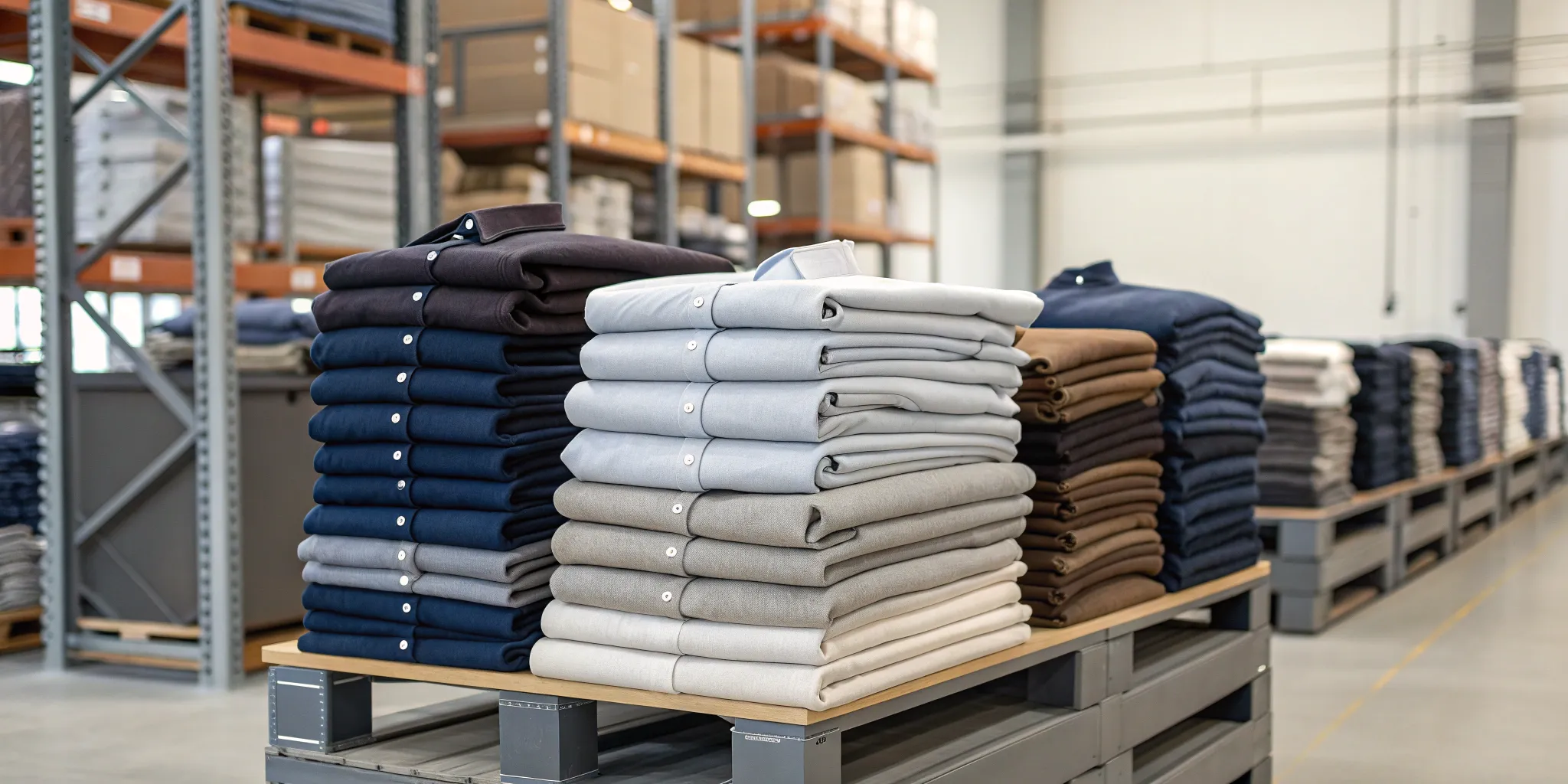 For resellers here in the Dallas-Fort Worth area, one of the biggest hurdles in buying bulk inventory is the astronomical cost of shipping. That’s what makes sourcing local designer clothing liquidation pallets such a game-changer. You get all the benefits of deeply discounted, high-end fashion without watching your profits get eaten up by freight fees. At Quickbidz, we see local entrepreneurs turn these pallets into thriving businesses every day. This guide will show you exactly how they do it, from choosing the right local auction to strategies for selling your finds right here in our community.
Key Takeaways
- Vet Your Supplier Like a Business Partner: Your profitability depends on the quality and authenticity of your inventory. Prioritize transparent suppliers who provide detailed manifests and have direct relationships with major retailers to protect your investment from the start.
- Do the Math Before You Bid: A great pallet is only great if it's profitable. Always analyze the manifest, research the current resale value of the items, and calculate your final cost-per-item—including all fees and shipping—to ensure the numbers work in your favor.
- Plan Your Sales Process from Start to Finish: The real work begins after the pallet arrives. Create a system for sorting inventory, taking high-quality photos, writing compelling descriptions, and listing items on the right platforms to move products efficiently and maximize your return.
What's in a Designer Clothing Liquidation Pallet?
So, you’ve heard the buzz about designer clothing liquidation pallets and you’re wondering what all the fuss is about. Think of it as the ultimate treasure hunt for fashion lovers and resellers. These are large shipments of apparel and accessories from high-end brands, sold at a fraction of their retail price. But what exactly is inside, and where does it all come from? Let's pull back the curtain.
The Kinds of Items You'll Find
Imagine unboxing a pallet filled with high-end designer clothes, handbags, and accessories from brands you’d normally see in major department stores. That’s the magic of a designer pallet. The contents can range from everyday luxury apparel like jeans and sweaters to statement pieces like cocktail dresses and outerwear. You might also find a mix of accessories, including designer purses, scarves, belts, and sometimes even shoes. The specific items vary from one pallet to the next, which is part of the excitement. You could be stocking your boutique with sought-after fashion pieces or finally snagging that designer handbag you’ve been dreaming of, all for pennies on the dollar.
How the Liquidation Process Works
You might be picturing a giant mystery box, and sometimes that’s true! But often, these pallets are "manifested." A manifest is simply a detailed list of every single item inside the pallet. It will typically tell you the brand, item type, size, and sometimes even the original retail price. This list helps you understand exactly what you’re bidding on, taking a lot of the guesswork out of the purchase. Pallets come in various sizes, containing anywhere from a hundred to several hundred units. Whether you prefer the predictability of a manifested pallet or the thrill of a surprise, understanding the process helps you make a smarter bid on pallets that fit your needs.
Where This Inventory Comes From
This isn't random, discarded clothing. The inventory in designer pallets comes directly from major retailers and well-known brands. It’s usually a mix of overstock, which is brand-new merchandise that didn't sell during the season, and shelf-pulls, which are items taken off the sales floor to make room for new products. Sometimes, pallets include customer returns, which can range from items that are practically new to those with minor defects. Because these goods come from legitimate retail channels, you’re getting authentic products. The key is to source from a trusted platform that has direct relationships with these retailers. This ensures you get a quality assortment and know exactly how it works.
Weighing the Pros and Cons of Designer Pallets
Buying designer clothing pallets can feel like a treasure hunt, and for many resellers, it’s the fastest way to stock their shops with high-value inventory. The potential for a huge return on your investment is definitely real. But like any business venture, it’s not a guaranteed win. You’re buying goods sight-unseen, which comes with its own set of risks.
The key is to go in with your eyes wide open. Understanding both the exciting possibilities and the potential pitfalls will help you make smarter buying decisions. Before you place your first bid, let’s walk through the major pros and cons so you can decide if this sourcing strategy is the right fit for your business. It’s all about weighing the risk against the reward and knowing what to expect from that very first pallet that lands on your doorstep.
Pro: High Potential for Profit
The number one reason resellers get into designer pallets is the incredible potential for profit. The business model is simple: you acquire high-end apparel and accessories for a fraction of their retail price and then sell them to shoppers looking for a great deal on luxury goods. Because designer items hold their value far better than fast fashion, your profit margins can be significant. A single pallet can provide enough inventory to generate revenue for weeks or even months, making it an efficient way to stock your business and see a quick return on your initial investment.
Pro: Score Premium Brands for Less
Pallets give you access to a world of premium brands you might not be able to afford through traditional wholesale channels. You can find sought-after labels from major department stores, giving your business instant credibility. When customers see you carry recognizable and desirable fashion brands, it builds trust and attracts serious buyers. This is a fantastic way to build a reputation as a go-to source for discounted designer finds. Instead of starting from scratch, you get to leverage the built-in demand that these famous brands already have.
Con: Questions of Quality and Authenticity
This is the biggest risk in the liquidation game. While most suppliers are legitimate, some less-than-trustworthy sellers might "cherry-pick" a pallet, removing the best items and replacing them with junk before shipping it to you. There's also the risk of receiving items that are damaged, stained, or in poor condition. Authenticity can also be a concern. That’s why it’s absolutely critical to buy from a reputable source that is transparent about the condition of their items. Doing your homework on the supplier is just as important as researching the pallet itself.
Con: The Inventory is a Mixed Bag
When you buy a pallet, you get the good, the bad, and the "what am I going to do with this?" Not every piece will be a bestseller. You can expect a mix of styles, seasons, and sizes, and some of them simply won’t be popular with your target audience. A pallet might contain a few hero items from a great brand alongside filler from less desirable ones. Successful resellers have a plan for this. They factor the less-desirable inventory into their overall cost and find creative ways to sell it, like in bundles, mystery boxes, or clearance sales. Looking at the manifests for different pallets can give you a better idea of the typical mix.
Con: Limited or No Returns
Liquidation sales are almost always final. Because you’re buying in bulk at such a deep discount, the supplier’s policy is typically "as-is." This means if you’re unhappy with what you receive, you can’t just send it back for a refund. This policy protects the supplier, but it puts all the risk on you, the buyer. It highlights why the initial steps are so important: you have to vet your supplier, carefully read the manifest, and understand the auction platform’s rules. Before you commit, make sure you read the fine print and understand exactly how it works.
Find and Vet Reputable Suppliers
Finding a reliable source for designer clothing pallets is the most important step in building your resale business. The right supplier provides authentic goods and transparent manifests, while the wrong one can leave you with a pile of unsellable items. The key is to do your homework and approach every potential source with a healthy dose of skepticism. By following a clear vetting process, you can protect your investment and build a partnership with a supplier you can trust for the long haul. Let’s walk through the steps to find and qualify the best suppliers for your business.
Start with Verified Auction Sites
Your safest bet is to begin with established, verified auction platforms. These sites act as a middleman, offering a layer of security and a consistent process for bidding on overstock and returned merchandise. They often have a public track record and a system for handling transactions, which reduces your risk. For example, you can browse through our pallet auctions to see exactly what kind of merchandise is available and how the bidding process works. Starting here helps you get familiar with the market in a more controlled environment before exploring other sourcing options.
Explore Direct Retailer Partnerships
Ever wonder where liquidation sites get their inventory? Many, including us, work directly with major retailers. These big-box stores need to offload customer returns, shelf-pulls, and seasonal overstock, so they partner with liquidation companies to sell these goods in bulk. Sourcing from a supplier with these direct partnerships is a huge advantage. It means you’re more likely to get authentic, brand-name clothing that has a clear history. It’s one of the best indicators that a supplier is legitimate and has access to quality inventory.
Check Out Wholesale Marketplaces
Beyond auction sites, you’ll find various wholesale marketplaces that list designer clothing pallets. These platforms can be a great resource for discovering new suppliers and comparing prices on goods from famous brands. However, they often feature a wide range of independent sellers, so the quality and reliability can vary significantly. Think of these marketplaces as a directory—they connect you with sellers, but it’s still up to you to thoroughly vet each one individually. Use them to gather leads, but don’t skip the crucial background checks on any new supplier you find.
Know the Red Flags to Avoid
Unfortunately, the liquidation world has its share of shady operators. Finding trustworthy wholesalers for designer clothing can be tricky, and many of the top results in a search engine might not be reputable. Be on the lookout for red flags like unprofessional websites, a lack of contact information, or prices that seem too good to be true. Vague item descriptions or a refusal to provide a detailed manifest are also major warning signs. If a supplier is pressuring you into a large purchase or their communication is poor, it’s best to walk away.
Place a Small Test Order First
Once you’ve found a supplier that seems promising, don’t jump in with a massive order. The smartest way to test the waters is to start with a small purchase. This could be a single mystery box or a small case pack instead of a full pallet. This approach minimizes your financial risk and gives you a firsthand look at the supplier’s product quality, shipping speed, and customer service. If the small order goes smoothly and the items match their description, you can feel more confident about placing a larger order in the future.
Read Reviews and Check Reputations
Before you spend a single dollar, do some digging into the supplier’s reputation. Go beyond the testimonials on their own website. Search for the company’s name on YouTube and add terms like “unboxing” or “review” to see real customers sharing their experiences. You can also check for reviews on third-party sites and see if they have a history of complaints. A transparent supplier will often showcase their history, allowing you to review past auctions to get a feel for the products they’ve sold and the prices they’ve fetched.
Choose the Right Designer Pallet
Finding the right designer pallet is part art, part science. With so many options available, it’s easy to feel overwhelmed. But a little bit of research before you place a bid can make all the difference between a profitable haul and a pallet of duds. The key is to move past the excitement of the big brand names and dig into the details. By carefully evaluating the manifest, understanding the true costs, and researching the market, you can make an informed decision that sets your reselling business up for success. Think of it as your pre-flight checklist before taking off. A strategic approach will help you bid with confidence and consistently find pallets that are packed with value, turning your bargain hunting into a predictable, profitable venture.
Analyze the Manifest Details
The manifest is your single most important tool when choosing a pallet. This document lists every item inside, often including details like the brand, item type, size, and original retail price. Always prioritize manifested pallets over unmanifested or "mystery" boxes, as they remove a huge amount of guesswork. Take your time to read through the entire list. Are the items a good mix of sizes and styles? Do the brands align with what your target customers are looking for? A detailed manifest allows you to start calculating your potential return on investment before you even spend a dime. You can see examples of these details on past auctions to get a feel for what to look for.
Assess the Brands and Item Conditions
A pallet filled with high-end brands like Michael Kors, Nike, or Madewell can be incredibly profitable, but only if the items are in good condition. The manifest should specify the condition, such as "new with tags," "shelf pulls," or "customer returns." Customer returns carry the most risk, as they might have defects, while new items are much easier to sell at a higher price point. Do a quick search on the brands included. Are they popular and in-demand, or are they from past seasons that might be harder to move? Focusing on pallets with recognizable fashion brands in sellable condition is the safest bet for new resellers.
Factor in Shipping and Hidden Fees
Your winning bid is rarely the final price you’ll pay. Before you get caught up in a bidding war, make sure you understand all the associated costs. Shipping a pallet can be expensive due to its size and weight, so always check the shipping estimate first. One of the best ways to manage this cost is by choosing a local auction house like Quickbidz, where you can pick up your pallet in person and save hundreds on freight fees. Also, be aware of the "buyer's premium," a percentage added to your winning bid. You can learn more about how fees and pickup work by reading the auction site's How It Works page.
Research Current Market Demand
Just because an item has a designer tag doesn't guarantee it will fly off your shelves. Trends change quickly, so it's crucial to research the current market demand for the items on the manifest. Spend some time on resale platforms like Poshmark, Mercari, or eBay. Search for the specific brands and styles in the pallet and, most importantly, filter your search to see the "sold" listings. This shows you what buyers are actually paying for these items right now. If you see that similar items are selling quickly and for a good price, it’s a great sign. This research helps you avoid pallets loaded with outdated inventory that will be difficult to sell.
Calculate Your Total Investment
To know if a pallet is truly a good deal, you need to calculate your cost per item. This simple formula is a must-do for every pallet you consider: (Winning Bid Buyer's Premium Shipping Costs) ÷ Number of Items = Your Cost Per Item. For example, if your total cost is $500 for a pallet with 100 items, your cost per item is $5. This number is your baseline. It helps you understand the minimum you need to sell each piece for to break even. When you’re looking at pallets, knowing this number will give you the confidence to bid smartly and protect your profit margin.
Estimate the Potential Resale Value
Once you know your cost per item and have researched market demand, you can estimate your potential profit. Go back to the sold listings you researched and find the average selling price for the items in your pallet. Let's say your cost per item is $5, and you see that similar items are consistently selling for $25. That’s a potential profit of $20 per item. Multiply that by the number of sellable items in your pallet to get your total potential profit. Be realistic here—not every item will be a winner. But this final step helps you determine if a pallet is a worthwhile investment for your business.
Maximize Your Profit from Every Pallet
Winning a pallet auction is an exciting first step, but the real work—and the real profit—begins once that pallet arrives at your door. Turning a bulk purchase into a successful revenue stream requires a solid plan. It’s more than just unboxing; it’s about strategically sorting, pricing, marketing, and selling each item to get the best possible return on your investment. Think of yourself as a curator. Your job is to take a collection of goods and find the right home for each piece.
This process involves creating a system. You'll need to inspect and categorize every item, research its market value, and decide where and how you’ll sell it. Some items might be perfect for a quick flip on an online marketplace, while others could be bundled together for a local sale. By developing a clear strategy before you even cut the shrink wrap, you can move inventory efficiently and ensure every item contributes to your bottom line. The goal is to transform that single pallet purchase into multiple, profitable sales.
Create Your Sales and Marketing Strategy
Before you list a single item, you need a plan. Who are you selling to? Your strategy should be built around your target customer. If you’ve scored a pallet of high-end designer apparel, your audience is likely bargain hunters who crave luxury brands but not the luxury price tag. Your marketing should speak directly to them. Focus on the value you’re offering—premium items at a significant discount. This approach helps you attract eager buyers and can lead to faster sales and higher profits. Knowing your customer helps you price items effectively and market them in a way that resonates.
Choose the Best Platforms to Sell On
Where you sell your items is just as important as what you sell. Different platforms cater to different audiences and product types. Online marketplaces like eBay, Poshmark, and Mercari are fantastic for reaching a broad national audience, especially for clothing and accessories. For local buyers in the Dallas-Fort Worth area, Facebook Marketplace and OfferUp are great for selling larger items like furniture or electronics to avoid shipping hassles. You could even consider setting up your own pop-up shop or renting a booth at a local market. Experiment with a few different selling channels to see which ones work best for your inventory.
Master Your Product Photos and Descriptions
In online reselling, your photos and descriptions do all the selling for you. Clear, well-lit photos from multiple angles are non-negotiable. Be sure to capture any flaws or unique details. Your description should be just as thorough. Don't just list the item; tell its story. Make sure to mention the designer brand, the original retail price, and how much the customer is saving. Use descriptive keywords that buyers are likely to search for. You can look through past auctions to see how successful listings are presented and get ideas for your own.
Build a Loyal Customer Base
The key to long-term success in reselling is turning one-time buyers into repeat customers. This starts with great service: ship items quickly, package them securely, and communicate clearly. But it goes beyond that. Pay attention to what your customers are buying. If you notice a trend, you can source future pallets with those preferences in mind. Consider starting an email list or a social media page to announce new inventory drops. Offering small perks, like a discount on a future purchase, can also encourage loyalty and keep your customers coming back for more.
Avoid These Common Reselling Mistakes
Not all liquidation sources are created equal. A common pitfall is buying from wholesalers who "cherry-pick" pallets, removing the best items and leaving you with the undesirable leftovers. You should also be wary of pallets advertised as "new" or "shelf pulls," as these items can sometimes be in poor condition. The best way to avoid these issues is to work with a transparent and reputable supplier. At Quickbidz, we pride ourselves on a straightforward process where what you see is what you get. Understanding how it works and sourcing from a trusted platform is your best defense against a bad buy.
Understand and Follow Brand Policies
When you're dealing with designer goods, authenticity is everything. There's always a risk of encountering fakes in the liquidation world, so it's crucial to be confident in your ability to tell real from counterfeit. This means doing your homework on brand-specific details, like stitching, hardware, and labels. Sourcing from a supplier you truly trust minimizes this risk significantly. Additionally, be aware of any brand policies regarding reselling. Some brands have restrictions, and it's always best to operate ethically and within the rules to protect your business and reputation.
Related Articles
Frequently Asked Questions
How do I know what I'm actually getting in a pallet? The best way to know what you're bidding on is to focus on "manifested" pallets. A manifest is simply a detailed inventory list that tells you the brand, item type, size, and quantity of everything inside. This takes the guesswork out of the equation. While unmanifested or "mystery" pallets can be tempting, they are a much bigger gamble. Sticking with a manifested pallet allows you to research the items and calculate your potential profit before you ever place a bid.
What are the biggest unexpected costs I should plan for? Your winning bid is just the starting point. The two main costs to factor in are the buyer's premium, which is a small percentage added to your final bid, and shipping. Freight shipping for a large pallet can be quite expensive, so you should always get an estimate beforehand. One of the easiest ways to manage this is to source from a local auction company where you can pick up the pallet yourself, saving you a significant amount on delivery fees.
What's the best way to avoid getting a pallet full of damaged or unsellable items? This all comes down to your supplier. The most important thing you can do is thoroughly vet where you're buying from. Look for companies that are transparent about their process and have direct partnerships with major retailers. A reputable source will provide clear manifests that note the condition of the items, whether they are new, shelf-pulls, or customer returns. This honesty is the best defense against ending up with a pallet that doesn't meet your expectations.
I'm new to this. What kind of pallet should I start with? If you're just starting out, it's smart to begin with a smaller, manifested pallet. Choose one that features brands you recognize and that have a strong resale market. This approach minimizes your initial financial risk and gives you a chance to learn the entire process, from sorting and listing to selling and shipping, on a more manageable scale. Once you get a feel for the workflow and see a return, you can confidently move on to larger purchases.
What do I do with the items in the pallet that just won't sell? It's a normal part of the business that not every single item will be a bestseller. Successful resellers have a plan for this from the start. You can bundle less desirable items together into a low-cost package, create your own small mystery boxes, or run a final clearance sale. Think of these items as part of your overall inventory cost and get creative. The goal is to recoup your cost on these pieces so you can reinvest in your next profitable pallet.