.png)
The Ultimate Guide to Clothing Pallets for Sale
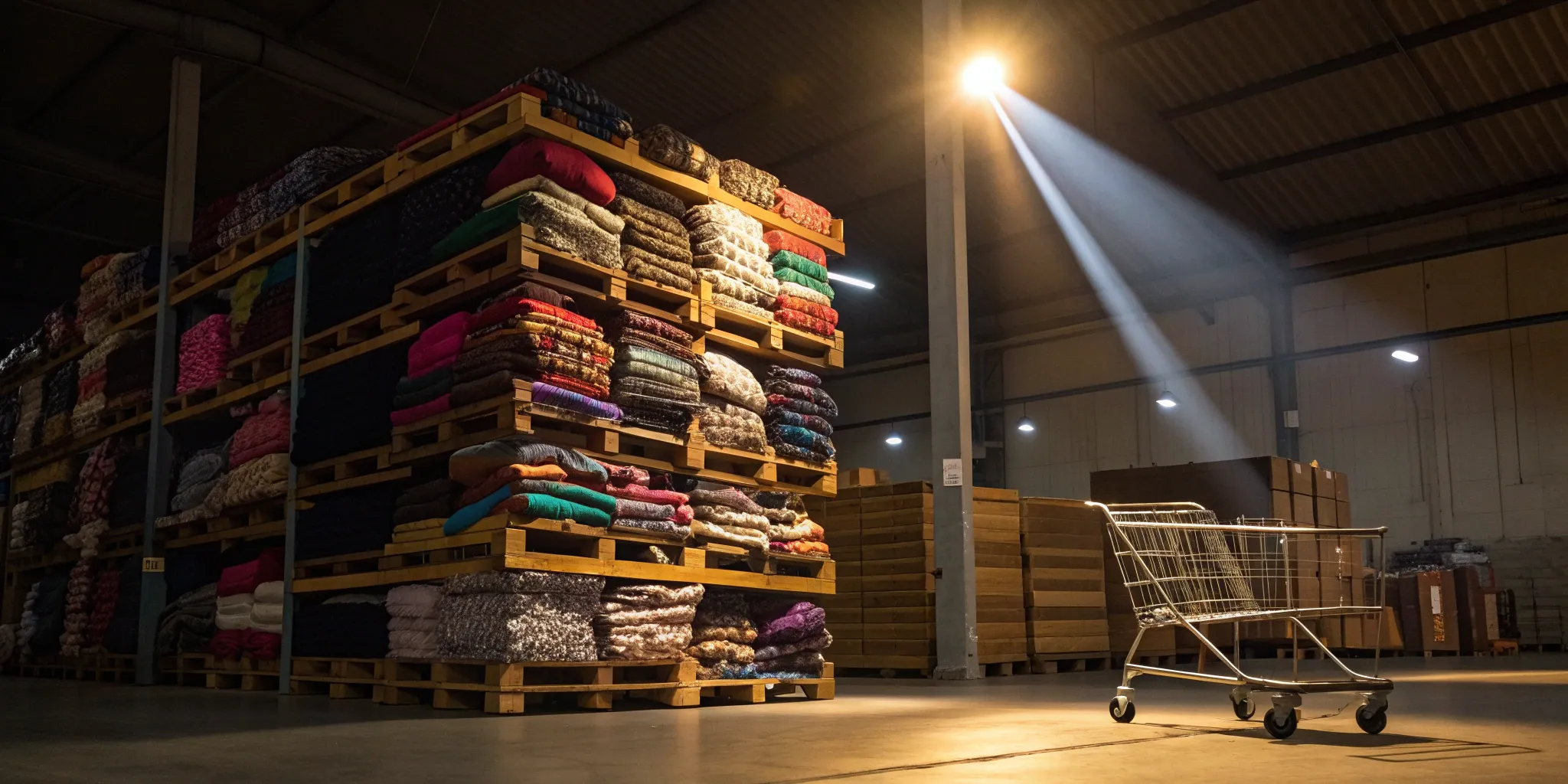
There’s a unique thrill that comes with the resale business—the treasure hunt. It’s the feeling of finding that amazing designer piece at a bargain price. Now, what if you could multiply that feeling by a hundred? That’s what it’s like to open your first clothing pallet. These bulk lots are the ultimate treasure chests for resellers, often filled with brand-new, tagged apparel from major retailers. While the mystery is part of the fun, you don't have to go in blind. We'll show you how to strategically find and bid on clothing pallets for sale, so you can turn that excitement into a real, sustainable profit for your business.
Key Takeaways
- Find a supplier you can trust: Your business is only as good as your inventory source. Do your homework by checking a supplier's track record, reading customer reviews, and understanding their policies to ensure you're partnering with a reliable company.
- Know what you're bidding on: The key to profitability is making informed purchases. Always analyze the manifest to understand the contents, research the actual resale value of the items, and set a firm budget before placing a bid.
- Master your sales process: Winning the pallet is just the beginning. Maximize your profit by taking professional photos, pricing items based on market research, and providing excellent customer service to turn one-time buyers into loyal fans.
What Are Clothing Pallets?
If you've ever wondered how small boutiques and online resellers stock their shops with amazing inventory, clothing pallets are often the answer. Think of them as a treasure chest for entrepreneurs. A clothing pallet is a large, wholesale quantity of apparel sold in bulk. These aren't just random assortments of used clothes; they typically consist of brand new items, overstock from major retailers, or shelf-pulls—merchandise that was on display in a store but never sold.
For anyone looking to start or grow a resale business, buying clothing pallets is a game-changer. It allows you to acquire a substantial amount of inventory at a fraction of the retail price, which is key to turning a healthy profit. Instead of sourcing items one by one, you get a ready-made collection of fashion to offer your customers. It’s an efficient and cost-effective way to build your business from the ground up.
What's Inside a Typical Pallet?
Opening a clothing pallet for the first time is an exciting experience. Each one is different, but you can generally expect a diverse mix of styles, sizes, and items designed to appeal to a broad customer base. The real value often lies in the brands. Many liquidation pallets are filled with apparel from well-known and even high-end designer labels. This variety means you can cater to different tastes and price points, whether you're selling online, at a local market, or in your own storefront. The goal is to get a wide-ranging inventory in one simple purchase.
How the Bidding Process Works
Getting your hands on a pallet is straightforward, especially through an auction platform. The process is designed to be simple: you find a pallet you’re interested in and place a bid. You’ll be bidding against other potential buyers, and when the auction timer runs out, the highest bidder wins the lot. It’s a dynamic way to purchase inventory, and the competitive nature of bidding often means you can secure incredible deals. To get comfortable with the specifics, it’s always a good idea to review the platform’s rules and guidelines on how it works before you jump in.
Where to Buy Clothing Pallets for Resale
Once you’re ready to jump in, the big question is: where do you actually find these pallets? Finding a reliable source is the most important step in building a successful resale business. You need a supplier who offers quality inventory at a price that leaves you room for profit. The world of liquidation can seem a bit like the Wild West, but with a little guidance, you can find reputable sources that will become your go-to partners. Think of it like building a relationship; you want a supplier you can trust for consistent quality and transparent communication.
Your options generally fall into three main categories: local liquidation auctions, large online wholesale platforms, and buying directly from retailers. Each has its own pros and cons, depending on your business model, location, and the type of inventory you’re looking for. For example, local auctions are great for saving on shipping, while online platforms offer a wider selection. Buying direct can offer the best prices but may require more volume. Let's walk through the best places to start your search so you can bid with confidence and stock your store with amazing finds.
Why Choose Quickbidz Liquidation Auctions
For resellers in the Dallas-Fort Worth area, Quickbidz is a fantastic place to start. Our platform is built specifically for sourcing high-quality goods at a fraction of the retail cost. We offer a steady stream of liquidation pallets filled with apparel from well-known brands, giving you direct access to desirable inventory. The auction format means you can snag incredible deals, often for just pennies on the dollar. Because we're local, you can also save on shipping by picking up your winnings directly. It’s a straightforward way to get your hands on great merchandise without the hassle of dealing with distant, unknown suppliers.
Other Online Wholesale Platforms
Beyond local auctions, the internet is full of wholesale platforms that specialize in clothing pallets. Marketplaces like eBay offer a massive variety of pallets from countless sellers, where you can find everything from designer brands to bulk lots of everyday wear. Other sites, like DNC Wholesale, focus specifically on brand-name apparel, selling pallets from popular names like Ralph Lauren and Calvin Klein. These platforms are great for comparing prices and finding specific types of inventory. Just be sure to do your homework and check seller reviews before you commit to a purchase, as quality and reliability can vary.
Buying Direct from Retailers
Did you know you can often buy liquidation pallets straight from major retailers? Many big-box stores and department stores have programs to offload their overstock, shelf-pulls, and customer returns directly to resellers. This route can be a goldmine because you’re cutting out the middleman, which can lead to even better prices. It might take a bit more research to find these programs—you’ll often have to look on the B2B or corporate sections of a retailer’s website. But the effort can pay off with access to consistent, high-quality inventory directly from the source.
What Kinds of Clothing Come in Pallets?
One of the most exciting parts of buying clothing pallets is the sheer variety you can find. Think of it as a giant treasure chest sourced directly from major retailers and department stores. Because these pallets are often made up of overstock, shelf-pulls, or customer returns, the contents can range from everyday basics to high-end designer labels. You might open a pallet to find a mix of women's dresses, men's shirts, children's clothes, and accessories all in one go.
The specific items you'll get depend entirely on the pallet's source. A pallet from a high-end department store will look very different from one sourced from a big-box retailer. This is great news for resellers because it means you can find pallets that fit your specific niche. Whether you specialize in vintage-style finds, athletic wear, or luxury fashion, there’s likely a pallet out there that matches what your customers are looking for. The key is to understand what you're bidding on and to manage your expectations for a fun and profitable experience.
Discover Brand Name and Designer Apparel
If you dream of stocking your shop with sought-after labels, clothing pallets are one of the best ways to do it without the high upfront cost. Many pallets come directly from major department stores clearing out inventory, which means they are often filled with brand-name and designer apparel. It’s not uncommon to find pieces from well-known brands like Michael Kors, Ralph Lauren, Calvin Klein, and Tommy Hilfiger.
These items are typically shelf-pulls or end-of-season overstock, meaning they are new with tags but are no longer being sold in stores. For a reseller, this is the sweet spot. You get brand-new, authentic merchandise at a fraction of the retail price, allowing you to offer your customers incredible deals while still turning a healthy profit.
Find Seasonal Clothing and Accessories
Clothing pallets are also a fantastic way to stock up on seasonal inventory ahead of time. Retailers need to clear out space for new collections, so they often liquidate past-season items in bulk. This means you can acquire a large volume of winter coats in the spring or swimwear in the fall, giving you plenty of time to prepare for the upcoming shopping season.
You can find pallets dedicated to specific seasons or even holidays. Imagine getting a pallet full of cozy sweaters and jackets right before the cold weather hits, or fun graphic tees featuring popular characters just in time for back-to-school shopping. By planning ahead and watching the available categories, you can keep your inventory fresh and relevant all year long.
Explore Mixed Merchandise Options
Not all pallets are neatly sorted into specific categories. Many are sold as "mixed merchandise," offering a wide assortment of items in a single lot. These pallets can contain anything from 15 to over 500 pieces, including a blend of men's, women's, and children's clothing, plus accessories like hats, scarves, and handbags. The condition can also vary, though most liquidation clothing is brand new.
Bidding on a mixed pallet is the ultimate treasure hunt. While it can feel like a bit of a gamble, especially if it's unmanifested (meaning there's no itemized list), the potential reward is huge. You could discover a few high-value designer pieces hidden among everyday basics, instantly making the entire pallet a profitable investment.
How Much Do Clothing Pallets Cost?
If you’re asking how much a clothing pallet costs, the honest answer is: it depends. There’s no flat rate for a pallet of clothes. The final price you pay at auction is shaped by what’s inside, how much information you get upfront, and the story behind the items. Think of it less like buying a product with a price tag and more like making a strategic investment. The good news is that with a little know-how, you can learn to spot a great deal and understand exactly what you’re paying for. Let’s break down the key factors that influence the cost, so you can bid with confidence and find pallets that fit your budget and business goals.
What Determines a Pallet's Price?
Three main things determine a pallet's price: the brands, the condition, and the sheer volume of items. A pallet stacked with well-known designer fashion will naturally have a higher starting bid than one filled with unbranded basics. Condition is another huge factor. Are the items new with tags, shelf pulls with minor cosmetic issues, or customer returns that might need some TLC? New, ready-to-sell merchandise will always command a higher price. Finally, quantity matters. A taller, more densely packed pallet simply contains more inventory, which adds to its overall value. Keep these three elements in mind as you browse, and you’ll get a much clearer picture of a pallet’s worth before you place your first bid.
Manifested vs. Unmanifested: What's the Difference?
You’ll often see pallets described as "manifested" or "unmanifested," and it’s crucial to know the difference. A manifested pallet comes with a detailed inventory list, telling you exactly what’s inside—item descriptions, quantities, and sometimes even retail values. This transparency helps you calculate your potential profit and bid more accurately. Unmanifested pallets, on the other hand, are a total mystery. You might get a general category description, but the exact contents are unknown until you open it. While they can sometimes be cheaper, they carry more risk. Looking at past auctions can give you a great feel for how different types of manifested pallets are presented and what they ultimately sell for.
Don't Fall For Common MSRP Myths
When you see a manifest, you’ll often find an MSRP listed. MSRP stands for Manufacturer’s Suggested Retail Price, and here’s a pro tip: take it with a grain of salt. This number represents the item's original, full retail price, which is rarely what it’s worth in the resale market. Liquidation items are sold at a fraction of their initial cost for a reason. A high MSRP can look impressive, but it doesn’t guarantee high profit. Instead of focusing on the MSRP, do your own research. Look up similar items on resale sites to find their current market value. A transparent bidding process is about the real value, not an inflated retail price from last season.
How to Find a Reputable Clothing Pallet Supplier
Finding the right supplier is one of the most important steps in building a successful resale business. Think of it as choosing a business partner—you want someone reliable, transparent, and invested in providing quality goods. A great supplier can be your ticket to consistent, high-quality inventory, while a questionable one can leave you with unsellable items and a lot of frustration. The key is to do your homework before you place a bid. By looking into a company's history, listening to other buyers, and understanding their policies, you can protect your investment and set yourself up for success. Let's walk through the three essential checks you should always perform.
Check Their Track Record and Experience
A supplier's history can tell you a lot about what to expect. Look for companies that have been in the business for a while and have a consistent record of selling quality merchandise. An established supplier has likely refined its sourcing process and understands the nuances of the liquidation market. One of the best ways to gauge this is by looking at their sales history. Reputable auction sites will often showcase their past auctions, giving you a clear picture of the types of clothing pallets they've sold and the prices they've fetched. This transparency allows you to see their experience in action and helps you make a much more informed decision before you commit your money.
Read Customer Reviews and Demand Transparency
Customer reviews are your secret weapon. They offer an unfiltered look into the real experiences of other resellers who have purchased from the supplier. While a company’s website will highlight its best features, reviews will tell you the whole story—the good, the bad, and the in-between. A common mistake new buyers make is skipping this research step. Look for patterns in the feedback. Are customers consistently happy with the quality? Is the customer service helpful? Also, seek out suppliers who are transparent about their process. A trustworthy company will clearly explain how it works, from bidding to pickup, leaving no room for surprises.
Understand Their Return Policies and Support
Before you even think about bidding, get familiar with the supplier's return policy. While many liquidation sales are "as-is," the policy itself can be very revealing. A supplier with an extremely restrictive or non-existent return policy might not be confident in the quality of their pallets. On the other hand, a company with clear, fair policies for handling significant discrepancies or damages shows that they stand behind their products. This isn't about being able to return items you simply don't like; it's about having recourse if the pallet is wildly different from its description. Knowing what support is available if something goes wrong provides a crucial safety net for your business.
How to Judge Pallet Quality Before You Bid
Bidding on a clothing pallet can feel like a treasure hunt, but a little detective work beforehand can make all the difference between finding gold and getting stuck with duds. The key is knowing what to look for before you place your bid. By paying close attention to the pallet’s origins, understanding its contents, and spotting potential warning signs, you can make smarter decisions that protect your investment and set your resale business up for success. Think of it as doing your homework—it’s the most reliable way to ensure the pallet you win is the one you actually want.
Know the Pallet's Source and Condition Grade
The first question you should ask is, "Where did this stuff come from?" The pallet's source says a lot about its potential quality. Merchandise from a high-end department store will naturally be different from a discount retailer's returns. Reputable auction platforms are transparent about the process they use to acquire their inventory. You should also pay close attention to the condition grade. Pallets are often categorized as "new," "shelf pulls" (items removed from store shelves), or "customer returns." Each grade comes with different expectations. Customer returns, for example, have a higher chance of containing used or damaged items, while shelf pulls are often in near-perfect condition.
How to Read a Manifest for Profit Potential
If a pallet comes with a manifest, consider it your roadmap. A manifest is a detailed list of every item inside the pallet, often including quantities, descriptions, and sometimes even the original retail price (MSRP). Taking the time to review this document is one of the most important steps you can take. It allows you to research specific items, estimate their resale value, and calculate your potential profit margin before you even bid. Ignoring the manifest is a gamble that can lead to unexpected losses. You can review past auctions to get a feel for how items are typically listed and what information is provided.
Spotting Potential Red Flags
It’s important to manage your expectations. A common mistake is assuming every item in a pallet will be brand new and ready to sell. Liquidation inventory is often a mix of conditions, so be prepared for some items to have minor flaws, missing tags, or signs of being tried on. One subtle clue to quality can be the original store's return policy; retailers with stricter policies often have fewer damaged goods in their return pallets. Be wary of listings with blurry photos, vague descriptions, or no manifest. A trustworthy seller will provide clear details to help you bid with confidence on their fashion pallets.
Is Buying Clothing Pallets Worth It? The Benefits vs. Risks
Deciding to buy clothing pallets is a big step, and it’s smart to weigh the pros and cons before you place your first bid. Like any business venture, it comes with exciting potential and a few challenges. The key is knowing what to expect. For many resellers, the rewards of sourcing inventory this way far outweigh the risks, especially once you learn the ropes. Let’s break down what you can realistically expect.
The Upside: High Profit and Instant Inventory
The biggest draw of buying clothing pallets is the potential for high profit margins. You’re acquiring brand-name apparel and other goods for a fraction of their retail price. Because you’re buying in bulk, the cost per item is significantly lower than sourcing pieces individually. This gives you more room to price your items competitively while still making a healthy profit on each sale.
Beyond the financial benefit, you get an instant inventory. A single pallet can stock your online store, fill your booth at a local market, or kickstart your reselling business overnight. Instead of spending weeks hunting for individual items, you get a diverse collection of clothing ready to be sorted, listed, and sold. This saves you an incredible amount of time and lets you focus on what matters most: marketing and selling.
The Risks: Quality Issues and Unsold Stock
Let’s be real: not every item on a pallet will be a home run. Liquidation inventory often includes a mix of customer returns, shelf-pulls, and overstock items. This means you might find clothing with minor defects, missing tags, or signs of wear. Part of the process is sorting through everything to assess its condition. It’s crucial to factor in a certain percentage of unsellable items when you’re calculating your potential profit.
Another risk is getting stuck with inventory that just won’t sell. Fashion trends move quickly, and a pallet might contain styles or sizes that aren’t in high demand with your specific audience. This is why understanding how the process works and reading manifests carefully is so important. It helps you make a more educated guess about the pallet’s contents and avoid overestimating your profit margins.
Busting Common Pallet-Buying Myths
A couple of myths can trip up new buyers, so let’s clear the air. First, don’t get too hung up on the Manufacturer's Suggested Retail Price (MSRP). While a high total MSRP can look impressive, it’s often an inflated number. Your profit is based on the actual price you can sell the items for, not a suggested retail value. A quick look at past auctions can give you a much better sense of a pallet's real-world market value.
Second, many people assume that "customer returns" automatically means "damaged goods." The truth is, many items are returned for simple reasons, like the customer ordered the wrong size or just didn't like the color. You’ll often find products that are brand new, sometimes even in their original, unopened packaging. These items are pure gold for resellers.
Common Reseller Challenges and How to Solve Them
Let’s be real: reselling is an exciting venture, but it’s not without its challenges. From keeping up with what’s cool to making sure you’re not overspending, every reseller faces a few common hurdles. The good news is that with a bit of strategy, you can handle these challenges and build a stronger, more profitable business. Think of these not as roadblocks, but as lessons that will make you a smarter buyer and seller. We’ll walk through some of the most frequent issues resellers face and give you actionable steps to solve them, so you can focus on what you do best—finding amazing deals and turning them into profit.
Staying Ahead of Fashion Trends
One of the biggest anxieties for a clothing reseller is getting stuck with a pile of inventory that nobody wants. Fashion moves fast, and today’s must-have item can become yesterday’s news in a flash. The key isn’t to perfectly predict every trend but to buy smarter. This is where liquidation pallets can be your secret weapon. They often contain a mix of items, including timeless pieces and brand-name apparel that hold their value longer than fast-fashion fads. To stay current, spend some time on social media to see what styles are gaining traction, then look for those silhouettes or brands in fashion pallet manifests. Focus on acquiring quality, recognizable brands at a great price—that’s a business model that never goes out of style.
How to Handle Supplier Reliability
Your success as a reseller is directly tied to the quality of your supplier. An unreliable source can lead to pallets filled with damaged goods, inaccurate manifests, and a lot of frustration. Building a resilient business means finding a partner you can trust. Start by doing your homework. Look for suppliers with a proven track record and transparent operations. Can you see their past auctions to get a feel for what they sell? Do they have a clear, straightforward process? A reputable supplier will be open about where their merchandise comes from and what you can expect. Establishing a relationship with a dependable source like this is one of the most important investments you can make in your business.
Manage Your Budget and Quality Control
It’s incredibly easy to get caught up in the excitement of an auction and overspend. Many beginners make the mistake of only looking at the potential retail value without factoring in all the associated costs. To avoid this, set a firm budget for every pallet you bid on and stick to it. Remember to account for your final bid price plus any auction fees, transportation costs, and selling platform fees. When you’re starting out, it’s wise to begin with smaller pallets to learn the process without a huge financial risk. For quality control, always read the manifest carefully and pay close attention to the condition grades provided by the seller. This research is your best defense against surprises and the key to ensuring your purchase is a profitable one.
How to Maximize Your Profit on Resale Clothing
Winning a pallet auction is just the beginning—the real magic happens when you turn those items into cash. The key to a successful resale business isn't just buying low; it's about selling smart. With the right approach, you can move your inventory quickly and build a reputation that keeps customers coming back for more. It takes a bit of effort to sort, clean, photograph, and list your items, but creating a streamlined process will make all the difference. Let's get into the actionable steps you can take to make your clothing resale venture a profitable one.
Market Your Finds Like a Pro
Your product presentation can make or break a sale. Before listing anything, make sure every piece is clean, steamed, or ironed to look its best. Great photos are non-negotiable. Use natural light whenever possible, take pictures from multiple angles, and include close-ups of important details like brand tags, unique patterns, or any flaws. Write clear, honest descriptions that include the brand, size, material, and condition. Think about what you would want to know as a buyer. Highlighting the quality and value you sourced from fashion pallets helps customers see the amazing deal they’re getting.
Choose the Best Platforms and Pricing Strategies
Where you sell your items is just as important as how you present them. Different platforms attract different buyers. Poshmark and Depop are great for trendy and brand-name apparel, while eBay can reach a broader audience. For larger items or local sales, Facebook Marketplace is an excellent choice. To set your prices, research comparable sold listings ("comps") for each item on your chosen platform. This gives you a realistic idea of what buyers are willing to pay. Consider offering bundle discounts to encourage larger purchases and clear out inventory faster. Sourcing high-value goods from liquidation pallets gives you the margin you need to price competitively and still make a great profit.
Build a Loyal Customer Base
Turning one-time buyers into repeat customers is the secret to long-term success. It all comes down to providing a great experience. Ship your orders quickly and package them with care—a little tissue paper or a handwritten thank-you note goes a long way. Be responsive and friendly when answering questions. You can also create a social media account to showcase new inventory and announce sales, giving your followers the first look at your latest finds. When you consistently offer great products and top-notch service, you build trust and a loyal following. Understanding how Quickbidz works will help you maintain a steady stream of fresh inventory to keep those customers engaged.
Ready to Start? Your First Steps
Feeling the excitement? Once you’ve won your first auction, the real work—and the real fun—begins. Turning that pallet of clothing into profit requires a bit of planning. Before you place your next bid, let’s walk through two key steps that will set your resale business up for success from day one.
Find Smart Storage and Inventory Solutions
Your first pallet will arrive, and suddenly, your living room is a warehouse. Before that happens, designate a clean, dry space to process your inventory. This could be a spare room, a cleared-out garage, or a small storage unit. When you source your inventory, it’s essential to sort and store your items properly to maintain their quality. Managing your stock effectively is about more than just space; it’s about organizing your products to minimize costs and maximize accessibility. A simple spreadsheet can help you track each item, its cost, and what you plan to sell it for. This small step makes it much easier to see your profits grow with every pallet you win.
Build Supplier Relationships to Scale Your Business
As your business grows, you’ll want a consistent source for quality goods. Building a strong relationship with a reliable supplier is the key to creating a resilient and profitable business model. When you find a source you can trust, you spend less time worrying about product quality and more time focused on selling. Look for suppliers who are transparent about their process and provide clear information about their merchandise. Understanding how it works from the start helps you adapt your buying strategies and ensures a steady supply of great products. This foundation of trust is what allows you to confidently scale your operations.
Related Articles
Frequently Asked Questions
I'm just starting out. Should I bid on a manifested or unmanifested pallet? If you're new to the world of liquidation, I strongly recommend starting with a manifested pallet. A manifest gives you a detailed list of what's inside, which takes a lot of the guesswork out of your first purchase. It allows you to research the items, estimate your potential profit, and bid with much more confidence. Think of it as learning with a roadmap. Once you get a feel for the process, you can decide if the treasure hunt of an unmanifested pallet is right for you.
What's the real difference between "shelf-pulls" and "customer returns"? This is a great question because it directly impacts the condition of the items you'll receive. Shelf-pulls are brand new items that were simply removed from a store's shelves to make room for new inventory. They might have been tried on or have minor cosmetic issues from being handled, but they've never been purchased. Customer returns are items that someone bought and then brought back. While many returns are in perfect, unused condition, this category has a higher chance of containing items with minor wear, defects, or missing tags.
How much money do I really need to get started with my first pallet? There's no single magic number, as the final price of a pallet can range from under a hundred dollars to several thousand. The best approach is to set a firm budget for yourself before you even start looking. Decide the absolute maximum you're willing to spend on your first go, and stick to it. It's often wise to start with a smaller, lower-cost pallet to learn the process without a huge financial commitment. Remember to factor in not just your winning bid, but any auction fees and transportation costs as well.
What if I get a pallet with damaged items or things I just can't sell? It's important to go into this business knowing that not every single item will be a winner. That's just the nature of liquidation. You should plan for a small percentage of your inventory to be unsellable due to damage or other issues. The key is to buy the pallet at a low enough price that even with a few duds, the profitable items more than make up for it. For the items you can't sell, you can get creative by bundling them, donating them for a tax write-off, or using them for practice with repairs or photography.
Besides the pallet itself, what other costs should I budget for? Your winning bid is the main expense, but it's not the only one. Always be aware of a "buyer's premium," which is a small percentage fee that the auction house adds to your final bid. You also need to plan for getting the pallet home, whether that's paying for shipping or accounting for gas and your time for a local pickup. Finally, think about the costs of reselling, such as shipping supplies to send items to your customers and the selling fees charged by platforms like Poshmark or eBay.