.png)
A Guide to Clothing Pallet Auction Sourcing
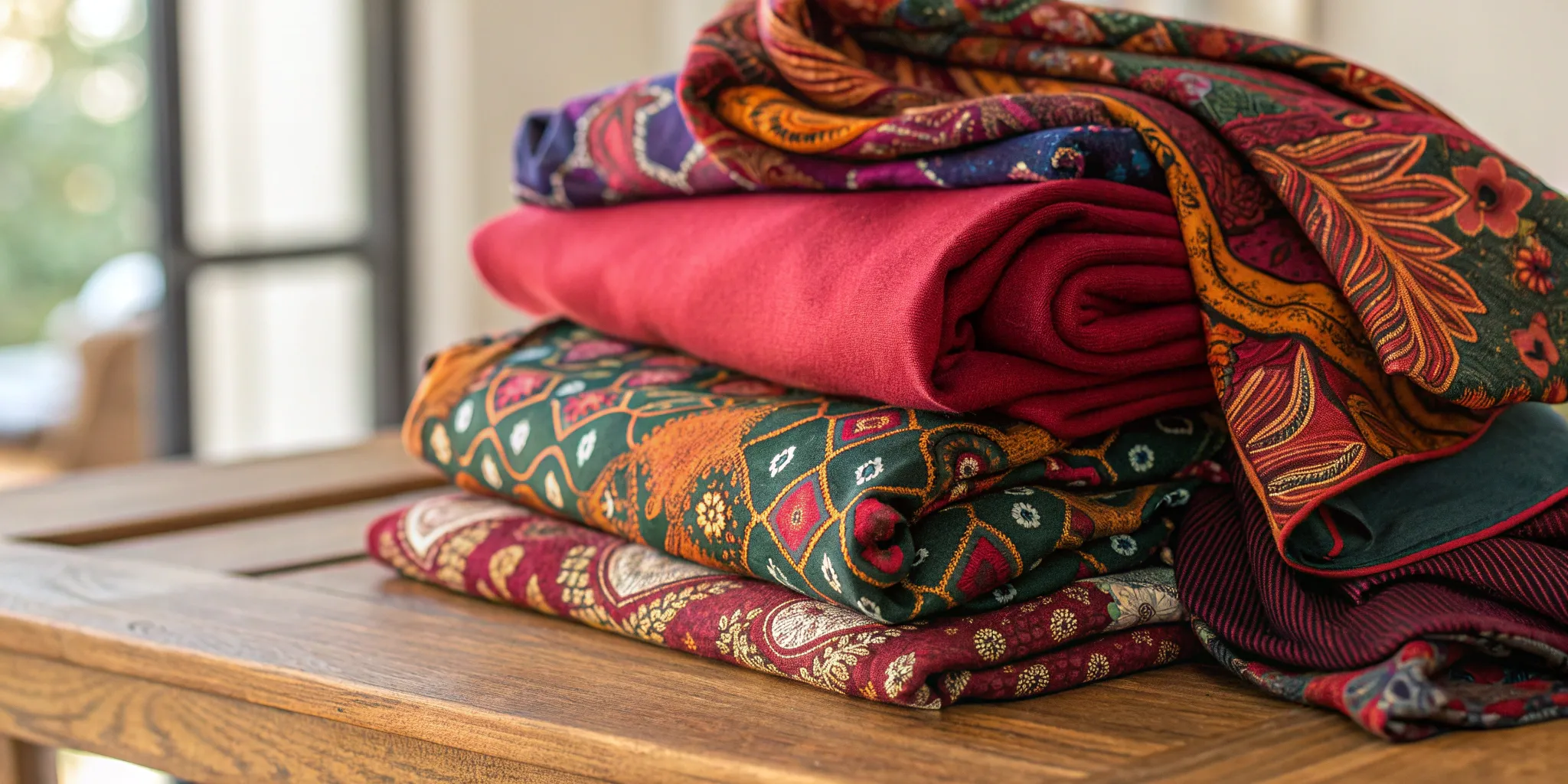 If you live in the Dallas-Fort Worth area and love a good deal, you have a unique advantage that many resellers and shoppers across the country don’t: local access. Instead of paying hefty shipping fees for a pallet from a faraway warehouse, you can find incredible inventory right in your own backyard. A local clothing pallet auction means you can often pick up your winnings yourself, saving you a ton of money. At Quickbidz, we bring these opportunities directly to the DFW community, offering a smarter way to stock your boutique, supply your side hustle, or simply fill your family’s closets for less.
Key Takeaways
- Pallet auctions offer bulk apparel for less: They are a direct way to acquire large volumes of overstock and returned clothing, giving you access to inventory at a fraction of its retail price.
- A smart bid is a researched bid: Always review the pallet's manifest and condition grades to understand exactly what you're buying, and set a maximum bid based on your calculated potential profit.
- Develop a clear resale strategy: Your profit depends on an organized process for sorting inventory, pricing items competitively based on market value, and listing them on the right online platforms.
What Are Clothing Pallet Auctions?
Have you ever walked through a department store and wondered what happens to all the clothes that don't sell? Or where customer returns end up? The answer is often liquidation, and for savvy shoppers and resellers, that’s where the magic happens. Clothing pallet auctions are where retailers sell off large quantities of this apparel—from overstock and shelf-pulls to returned merchandise—to the public. These items are bundled together, stacked on a wooden pallet, and sold as a single lot.
For anyone looking to start a resale business or just score an incredible deal on clothing, this is a game-changer. Instead of buying one item at a time, you get access to a massive volume of inventory at a fraction of the original retail cost. It’s a direct line to the kind of merchandise that can stock a boutique, an online store, or your family’s closets for years to come. At Quickbidz, we bring these opportunities directly to you, offering a variety of clothing pallets filled with potential treasures. It’s one of the most effective ways to acquire high-value goods for pennies on the dollar.
How Do Clothing Pallet Auctions Work?
The process is simpler than you might think and works just like a traditional auction, only online. You browse the available clothing pallets and find one that catches your eye. Once the auction begins, you place a bid on the entire lot. You’ll be competing against other bidders, and the price will increase as more people place their bids. The person with the highest bid when the timer runs out wins the pallet. It’s an exciting and fast-paced way to shop. To get started, you just need to register, find a pallet you love, and jump into the action. For a full walkthrough of the bidding and payment process, you can check out our detailed How It Works guide.
What's Inside a Clothing Pallet?
This is the most exciting part—the unboxing! A clothing pallet is typically a mix of items, and the contents can vary widely. You might find designer jeans, brand-name activewear, kids' clothing, or seasonal apparel. The condition of the items can also range from brand new with tags to gently used customer returns or pieces with minor cosmetic flaws. The best pallets are "manifested," which means they come with a detailed list of every single item included in the lot—brand, size, quantity, and sometimes even the original retail price. This manifest removes the guesswork, so you know exactly what you’re bidding on. It’s the perfect way to find specific fashion pieces to build your inventory or refresh your wardrobe.
What Types of Clothing Can You Find in Pallet Auctions?
If you’re picturing a giant box of mismatched, out-of-style clothes, it’s time to update that image. Clothing pallet auctions are one of the best-kept secrets for boutique owners, online resellers, and serious bargain hunters. These pallets are typically sourced from major retailers as overstock, shelf-pulls, or customer returns, which means the contents are far more valuable than you might think. The fun part is that every pallet is a bit of a mystery, but they generally fall into a few exciting categories.
You can find everything from everyday basics to high-end fashion from well-known brands. Think of it as a treasure hunt where you’re almost guaranteed to find something great. The key is knowing what to look for and understanding the potential of what’s inside. Whether you're looking to stock your Poshmark closet, open a local shop, or just completely revamp your family’s wardrobe for a fraction of the cost, clothing pallets offer a direct line to quality inventory. It’s a fantastic way to acquire a large volume of apparel without dealing with traditional wholesale markups.
Designer and Luxury Finds
Yes, you can absolutely find designer and luxury items in clothing pallets. While it’s not a guarantee for every box, it’s surprisingly common to uncover high-end pieces mixed in with other apparel. These items often come from department store liquidations, where overstock or last season’s designer goods are cleared out to make room for new inventory. Finding just a few premium brand items can often cover the cost of the entire pallet, making everything else pure profit. This variety allows you to cater to a more discerning audience and command higher prices for your best finds. You can even check out past auctions to get a feel for the kinds of brands that have come through before.
Seasonal and On-Trend Pieces
Another common misconception is that liquidation pallets are full of outdated clothing. In reality, many pallets are packed with seasonal and on-trend items. Retailers constantly rotate their stock to keep up with fashion cycles, so items from the current or most recent season frequently end up in liquidation. This is a huge advantage for resellers because you can get timely inventory that customers are actively searching for right now. Imagine buying a pallet in the spring and finding it full of summer dresses, shorts, and swimwear. You can immediately list those items and meet consumer demand without having to wait for a seasonal shift. It’s a great way to keep your shop’s categories fresh and relevant.
A Mix of Sizes and Styles
One of the biggest benefits of buying clothing pallets is the sheer variety of sizes and styles you’ll receive. Instead of being limited to a specific size run, you’ll get a diverse assortment that can appeal to a much wider customer base. A single pallet might contain everything from petite to plus sizes, along with a mix of casual wear, professional attire, and even athletic gear. This is perfect for building a well-rounded inventory from a single purchase. For resellers, this means you can cater to different demographics and style preferences all at once, making your shop a one-stop destination. Exploring clothing pallets is an efficient way to source a little something for everyone.
Why Buy Clothing Pallets?
Whether you're a seasoned reseller looking for fresh inventory or a fashion lover who wants a designer wardrobe without the designer price tag, clothing pallets are a game-changer. Buying in bulk through liquidation auctions gives you access to a massive volume of apparel at a fraction of the retail cost. It’s an exciting way to discover new brands, stock your shop with sought-after items, and find unique pieces you won’t see everywhere else. Beyond the thrill of the hunt, buying
Score Big Savings
The most obvious reason to buy clothing pallets is the incredible value. We’re talking about acquiring apparel for pennies on the dollar. Because these items are often retail overstock, shelf pulls, or customer returns, you can get them for up to 95% off their original retail price. This means you can fill your closet or stock your online store with high-quality fashion from well-known brands for a fraction of what you’d typically pay. For personal shoppers, it’s a budget-friendly way to experiment with new styles. For resellers, these deep discounts create the perfect opportunity for a healthy profit margin.
A Goldmine for Resellers
If you run a resale business, sourcing inventory is your biggest challenge. Clothing pallets solve that problem by giving you direct access to a large volume of merchandise from major retailers. Instead of spending hours hunting through thrift stores, you can acquire a curated lot of items in one go. This is your chance to stock up on everything from luxury brand apparel to everyday basics. Of course, success comes from choosing the right pallets. Doing your homework on the manifest and condition of the items helps you avoid unsuitable products and ensures you’re investing in inventory your customers will love.
Shop More Sustainably
In a world of fast fashion, buying liquidation clothing is a powerful way to make a more sustainable choice. Each year, tons of unsold clothing and customer returns end up in landfills. When you buy a clothing pallet, you’re giving those items a second life and participating in a more circular economy. You’re not just getting a great deal; you’re actively reducing waste and lessening the environmental impact of the fashion industry. It’s a win for your wallet and a win for the planet, allowing you to build a business or a wardrobe that you can feel good about.
How to Judge a Pallet's Quality Before You Bid
Bidding on a clothing pallet can feel a bit like a treasure hunt—exciting, but you’re never 100% sure what you’ll find. The key to turning that gamble into a smart investment is doing your homework before you ever place a bid. Not all pallets are created equal, and a little bit of research can be the difference between scoring a goldmine of designer finds and ending up with a box of unsellable duds. It's easy to get caught up in the thrill of the auction, but the most successful buyers are the ones who approach it with a clear plan.
Making an informed decision is all about knowing what to look for. You need to learn how to read the listings like a pro, understand what the different product conditions actually mean for your bottom line, and be confident that you’re buying from a source you can trust. It’s less about luck and more about strategy. By focusing on the details in the description, decoding the condition grades, and vetting the seller, you can significantly reduce your risk and increase your chances of winning a pallet that’s packed with profitable inventory. Let’s get into how you can assess a pallet’s quality and bid with confidence.
Read the Fine Print: Descriptions and Manifests
The single most important document in a pallet auction is the manifest. Think of it as the pallet’s ingredient list. A “manifested” pallet comes with a detailed spreadsheet listing every item inside. This list typically includes the brand, item type, size, style number, and sometimes even the original retail price. This information is invaluable because it removes most of the guesswork. You can research specific items, check their resale value on sites like Poshmark or eBay, and calculate your potential profit before you bid. On the other hand, an “unmanifested” pallet is a complete mystery box. While the thrill can be tempting, the risk is much higher. For resellers and anyone trying to build a reliable inventory, sticking to manifested pallets is the smartest way to protect your investment and know exactly what you’re getting.
Decode the Condition Grades
The items in liquidation pallets come from various sources, so their condition can range from brand new to slightly used or damaged. Understanding the terminology sellers use is crucial for managing your expectations. Buying products in the wrong condition is an easy mistake to make, so pay close attention to these grades. Common conditions you’ll see include New/Overstock, which are unsold items, often in their original packaging. Shelf-pulls are items that were on display in a retail store and may show minor signs of handling. The trickiest category is Customer Returns. These can be a mixed bag, from items that are practically new to those that are broken or well-worn. Understanding these grades helps you accurately assess a pallet’s value and decide how much you’re willing to bid.
Vet the Seller: Reputation and Reviews
Where you buy your pallet is just as important as what’s inside it. The world of liquidation has its share of shady operators, so it’s essential to buy from a reputable seller or platform. A trustworthy seller will provide clear, accurate descriptions, high-quality photos, and transparent policies regarding payment, shipping, and handling fees. Before you bid, take a moment to check out the seller’s reputation. Look for customer reviews or testimonials. Do they have a history of successful sales and satisfied buyers? A platform that showcases its past auctions gives you a chance to see the quality of merchandise they typically handle and builds confidence. Sticking with established, professional liquidators ensures you have a much smoother and more secure buying experience.
Where to Find the Best Clothing Pallet Auctions
Knowing what you want is one thing; knowing where to find it is the key to scoring amazing deals. The world of liquidation auctions is vast, with options ranging from massive online marketplaces to local warehouses right in your neighborhood. The best source for you depends on what you’re looking for, how much you want to buy, and how hands-on you want to be. For DFW locals, you have some fantastic options right at your fingertips. Let's walk through the top places to start your search for the perfect clothing pallet.
Right Here at Quickbidz
We might be a little biased, but we believe the best place to start is right here. At Quickbidz, we specialize in bringing incredible deals directly to the Dallas-Fort Worth community. We run daily online auctions where you can find a wide variety of clothing pallets and mystery boxes, often featuring high-end brands and sought-after styles. Because we're local, you can often save on complex shipping arrangements. Our platform is designed to help resellers find quality inventory to turn a profit and help bargain hunters stock their closets for less. We make the process straightforward so you can focus on finding those hidden gems.
Other Top Liquidation Platforms
While we love our local community, there are several large-scale national platforms worth knowing about. Sites like B-Stock operate as massive online marketplaces where major retailers and brands offload their excess and returned inventory. These platforms are great if you're looking for very specific types of merchandise or want to buy in larger volumes directly from the source. You can find everything from apparel to electronics. Just be sure to factor in potentially higher shipping costs, as the inventory could be coming from anywhere in the country. These sites are a good option for experienced resellers looking to scale.
Local Auction Houses and Warehouses
Don't underestimate the power of a good old-fashioned local search. Beyond Quickbidz, the DFW area has other local auction houses and liquidation warehouses that might not have a huge online presence. These spots can be goldmines for unique inventory and offer the chance to build relationships with suppliers. Some even allow you to inspect the pallets in person before you bid, which is a huge advantage. Look for places with predictable weekly auction cycles, as this helps you plan your sourcing trips. A quick search for "liquidation warehouses in Dallas-Fort Worth" can uncover some local spots you never knew existed.
What to Expect When You're Bidding
Jumping into an auction can feel like a thrill ride. The countdown timer, the competition, the rush of placing a last-minute bid—it’s exciting! But winning consistently isn't about luck; it's about having a solid game plan. When you know what to expect, you can bid with confidence and avoid the common pitfalls that trip up newcomers.
The key is to stay cool and strategic, even when the auction heats up. Think of it less like a gamble and more like a calculated investment. By understanding the auction process, keeping an eye on the total cost, and bidding with your head instead of your heart, you set yourself up for success. Let’s walk through how to approach bidding so you can snag those amazing deals.
Auction Formats and Timing
At Quickbidz, you can bid on items just like you would at a regular auction, but from the comfort of your couch. Each item has its own listing with a clock ticking down. You place your bid, and if you’re the highest bidder when time runs out, the pallet is yours. It’s a straightforward process, but timing is everything. Some people like to place their highest possible bid early on and let the system work for them, while others prefer to watch and "snipe" a bid in the final seconds. There’s no single right way, so find a rhythm that works for you. Just be sure you understand the auction rules before you start.
Watch Out for Hidden Costs and Shipping Fees
Your winning bid is a big part of the final price, but it’s not the only part. It’s so important to factor in the extra costs before you decide on your maximum bid. These can include a buyer's premium (a percentage of the winning bid), sales tax, and, of course, shipping. For something as large as a clothing pallet, shipping can be a significant expense. Since we're based in the Dallas-Fort Worth area, local pickup is often a great way to save money. Always read the auction details carefully to get a full picture of the final cost. This helps you avoid any surprises and ensures your great deal stays a great deal.
Smart Bidding Strategies to Win
Getting caught in a bidding war is easy, but it’s also the fastest way to overpay. The smartest bidders do their homework first. Before you even think about placing a bid, research the items on the pallet. A good rule of thumb is to estimate the total retail value of the contents, then decide on a maximum bid that’s around 50%–60% of that value. This leaves you with a healthy profit margin. Once you have that number, stick to it. It’s tempting to go just a little higher, but a disciplined strategy is what separates profitable resellers from hobbyists. Check out our fashion category to start practicing your valuation skills.
The Common Challenges of Buying Pallets
Winning a pallet auction is exciting, but the journey doesn't end there. Like any great bargain hunt, buying liquidation pallets comes with its own set of hurdles. Knowing what to expect can help you turn potential pitfalls into profitable opportunities. From items that don't quite match the description to the sheer volume of inventory you suddenly have to manage, being prepared is your best strategy.
The biggest challenges usually fall into three categories: the quality of the items you receive, the legitimacy of the seller you're buying from, and the work that comes after the win. It’s a business of managing expectations. While every pallet has the potential for amazing finds, it might also contain items that are damaged, out of season, or just not a good fit for your customers. But don’t let that discourage you. With a bit of know-how, you can handle these challenges and build a successful resale business.
Dealing with Quality Surprises
The most common hurdle in buying clothing pallets is the element of surprise. Since you're often buying merchandise sight-unseen, you might find that the quality is inconsistent. A pallet can be a mix of brand-new items, customer returns with minor defects, and pieces that are unsellable. This is the nature of liquidation. It's important to remember that most liquidation goods are sold "as-is," meaning there's often no warranty or return policy. To protect yourself, carefully read the manifest and description before you bid. Understanding the condition grades and the seller's terms is crucial. This helps you set realistic expectations and avoid the mistake of paying too much for unsuitable products.
How to Avoid Scams
Unfortunately, the growing popularity of pallet flipping has attracted some dishonest sellers. Pallet liquidation scams often lure buyers with promises of "premium" or "high-value" merchandise from major retailers, only to deliver a box of junk. A major red flag is an unverified website with no physical address or local presence. Always vet your source. Look for established sellers with a proven track record and transparent business practices. A trustworthy auction platform will have clear terms, customer reviews, and a history of past auctions you can review. Sticking with reputable, local sources like Quickbidz is one of the best ways to ensure you get what you pay for.
The Big Sort: What Happens After You Win
Once your pallet arrives, the real work begins. Sorting, testing, and inventorying your items is a time-consuming but essential step. Budget at least one to two hours per pallet just for the initial triage. You'll need to inspect each piece of clothing, separate items by category, identify any flaws, and prepare them for sale. This is also when you'll set your pricing strategy. To do this effectively, you need to understand customer demand for the brands and styles you've acquired. Having a plan for organizing, pricing, and listing your inventory will make the entire process smoother and more profitable.
How to Calculate Your Potential Profit
Winning a pallet is exciting, but the real win comes when you turn that inventory into cash. Before you even place a bid, it’s smart to run the numbers to see if a pallet is a good investment for your reselling business. This step separates the hobbyists from the pros. A little bit of math upfront can save you from a bad buy and is the key to building a profitable side hustle or full-time gig.
Think of it like creating a simple business plan for each pallet you’re considering. You need to know your potential income, your total expenses, and what you can realistically expect to pocket at the end of the day. This isn’t about complex spreadsheets or needing a business degree; it’s about having a clear financial picture so you can bid with confidence and price your items for success. When you know your numbers, you can avoid getting caught up in the thrill of the auction and make strategic decisions that pay off. Let’s break down how to figure out your potential profit, step by step.
Estimate Your Resale Value
First, you need a solid idea of what the items in the pallet are worth to an actual buyer. A great starting point is to price items at about 50% to 60% of their original retail value. This discount is what makes your listings attractive and helps you move inventory quickly. To get an even more accurate estimate, do some market research. Check what similar items are selling for on platforms like Poshmark, Mercari, or eBay. You can also review Quickbidz’s past auctions to see what similar lots have sold for. This gives you a real-world baseline for what people are willing to pay right now.
Factor in All Your Costs
Your profit is what’s left after you subtract all your expenses from your total sales. The winning bid is just one part of the equation. Be sure to account for every cost associated with getting the pallet and selling its contents. This includes the purchase price, any buyer’s premium, shipping or transportation fees to get the pallet home, and potential storage costs. Don’t forget the smaller expenses that add up, like packing supplies, cleaning materials, and the selling fees charged by whatever platform you use to resell. Understanding the entire process, including fees, is crucial, so be sure you know how it works on the auction site you’re using.
Set a Realistic Profit Margin
Once you have your estimated resale value and a complete list of your costs, you can determine a realistic profit margin. This is the sweet spot where you’re making enough money to justify your time and effort while still offering a competitive price to your customers. A good goal for many resellers is to at least double their initial investment. For example, if you spend $500 on a pallet and all associated costs, you’d aim to make at least $1,000 in sales. Your margin will depend on the items, brand demand, and condition, so be prepared to be flexible.
The Best Ways to Resell Your Finds
You’ve won your pallet and sorted through your treasures. Now for the fun part: turning those amazing finds into profit. Selling your items is a mix of art and science, but with a solid strategy, you can move your inventory quickly and efficiently. The key is to figure out where your ideal customers are shopping, how to price your items competitively, and how to present your stock in a way that makes people want to click "buy." It might seem like a lot at first, but breaking it down makes the process much more manageable. Let's get into the practical steps for reselling your clothing pallet finds and making your investment pay off.
Sell Online and on Social Media
Your living room doesn't have to be your permanent warehouse. The best way to reach a wide audience is by selling online. Marketplaces like Poshmark, Mercari, and eBay are fantastic for individual clothing items, especially designer or brand-name pieces. For local sales without shipping hassles, Facebook Marketplace is a go-to. Don't forget social media, either. You can build a loyal customer base by posting high-quality images of your items on Instagram. Engage with followers through stories and comments to show off new inventory and create a community.
Price Your Items to Sell
Pricing can feel tricky, but it doesn't have to be a guessing game. Start by researching what similar items have recently sold for. A quick search for "sold listings" on eBay or Poshmark will give you a realistic market value. As a general rule, pricing items at about 50% to 60% of their original retail value is a great starting point. Remember to factor in your costs, including the pallet price and platform fees. Be prepared to adjust your prices as you go. If an item gets attention but no buyers, you might be priced too high.
Manage and Bundle Your Inventory
Once sales start rolling in, staying organized is crucial. Create a simple system to track your items so you can find them easily when it's time to ship. A spreadsheet or dedicated app can work wonders. To move items faster and increase your average sale, consider bundling. Grouping similar items, like three graphic tees or a set of baby clothes, creates an attractive offer for buyers. This is also a fantastic way to sell less popular items by pairing them with more desirable ones. An effective inventory management strategy is essential for keeping your business running smoothly.
Top Tips for Pallet Auction Success
Winning a pallet auction is just the first step. Turning that win into a real profit takes a bit of strategy and know-how. Think of it as leveling up your bargain-hunting game. With a few smart practices, you can consistently find pallets that are packed with value and avoid the ones that are more trouble than they're worth. These tips will help you bid with confidence and build a thriving resale business, one pallet at a time. It’s all about working smarter, not just harder, to make sure every auction you participate in has the best possible outcome for your bottom line.
Research Brands and Market Demand
Before you place a single bid, do your homework. The most successful resellers know exactly what their customers are looking for. A pallet overflowing with designer jeans is only a great deal if people are actually buying that brand. Spend some time on resale sites like Poshmark or eBay to see what brands are trending and what they’re selling for. Understanding customer demand is vital. This research helps you estimate a pallet’s potential value and ensures you don’t get stuck with inventory that won’t move. Once you know the retail value, you can price your items competitively—often around 50% of their original price—to attract buyers while still making a healthy profit.
Start Small, Then Scale Up
It’s tempting to go for the biggest pallet right out of the gate, but it’s wiser to ease into it. Buying the wrong products in large quantities is an easy mistake to make when you’re new to the game. Start with a smaller, more manageable pallet or even one of our miscellaneous mystery boxes. This approach lets you learn the ropes without a huge financial risk. You’ll get a feel for inspecting items, sorting inventory, and creating listings. Once you’ve mastered the process and have a few successful flips under your belt, you can confidently scale up to larger, higher-value pallets and increase your earning potential.
Build Relationships with Sellers
In the world of liquidation, who you know can be just as important as what you know. Building a good relationship with auction sellers like us at Quickbidz can pay off. We get to know our regular customers and can sometimes offer a heads-up on exciting new inventory. Beyond the auction house, connect with other resellers. Joining online forums or local DFW reseller groups can be an incredible source of support and information. These reseller communities are fantastic for sharing tips on everything from sourcing to shipping. Networking helps you stay on top of industry trends and learn from the experiences of others, making you a more savvy and successful buyer.
Related Articles
Frequently Asked Questions
What if my pallet has damaged items? Can I get a refund? This is one of the most common concerns, and it's important to go in with clear expectations. Most liquidation merchandise is sold "as-is," which means sales are final. The low prices reflect the risk that some items may have flaws or be damaged. The best way to protect yourself is to stick with manifested pallets where you can see a detailed list of what's inside and pay close attention to the condition grades in the description. This helps you make an informed bid and factor any potential losses into your budget from the start.
How much money do I need to buy my first clothing pallet? There's no single magic number, as the cost of pallets can range from a couple of hundred dollars to several thousand. Instead of focusing on a specific amount, I recommend starting with a budget you're comfortable losing as you learn. A great strategy is to begin with a smaller, more affordable pallet or even a mystery box. This allows you to go through the entire process—from bidding and sorting to listing and selling—on a smaller scale, which minimizes risk while you build your confidence and skills.
I'm worried about bidding wars. How do I know when to stop? It's incredibly easy to get swept up in the excitement of an auction, but the most successful resellers win by staying disciplined. The key is to do your research before the auction begins. Calculate the potential resale value of the pallet's contents and decide on your absolute maximum bid—the price at which you can still make a healthy profit. Write that number down and commit to it. When the bidding surpasses your number, you walk away, no matter how tempted you are. Your profit is made when you buy, so overpaying is the fastest way to lose money.
Is it better to pick up my pallet in person if I'm local? Absolutely. If you're in the Dallas-Fort Worth area, taking advantage of local pickup is one of the smartest things you can do. Shipping a large, heavy pallet can be expensive, and that cost eats directly into your profit margin. Picking it up yourself eliminates that major expense entirely. It also gives you a chance to get your inventory in hand faster so you can start the sorting and selling process right away. Always check the auction details for pickup times and requirements.
Besides selling online, are there other ways to move a lot of inventory quickly? While online marketplaces are fantastic, they aren't your only option. To move items quickly, consider hosting a pop-up sale or a garage sale specifically for your inventory. You could also try selling at local flea markets or vendor events in the DFW area. Another great strategy is to create themed bundles—like a "summer vacation" bundle or a "back to school" set—and sell them as a single lot on a platform like Facebook Marketplace. Getting creative with your sales channels can help you turn over inventory much faster.