.png)
How to Buy Power Tools Pallet Auction: A Full Guide
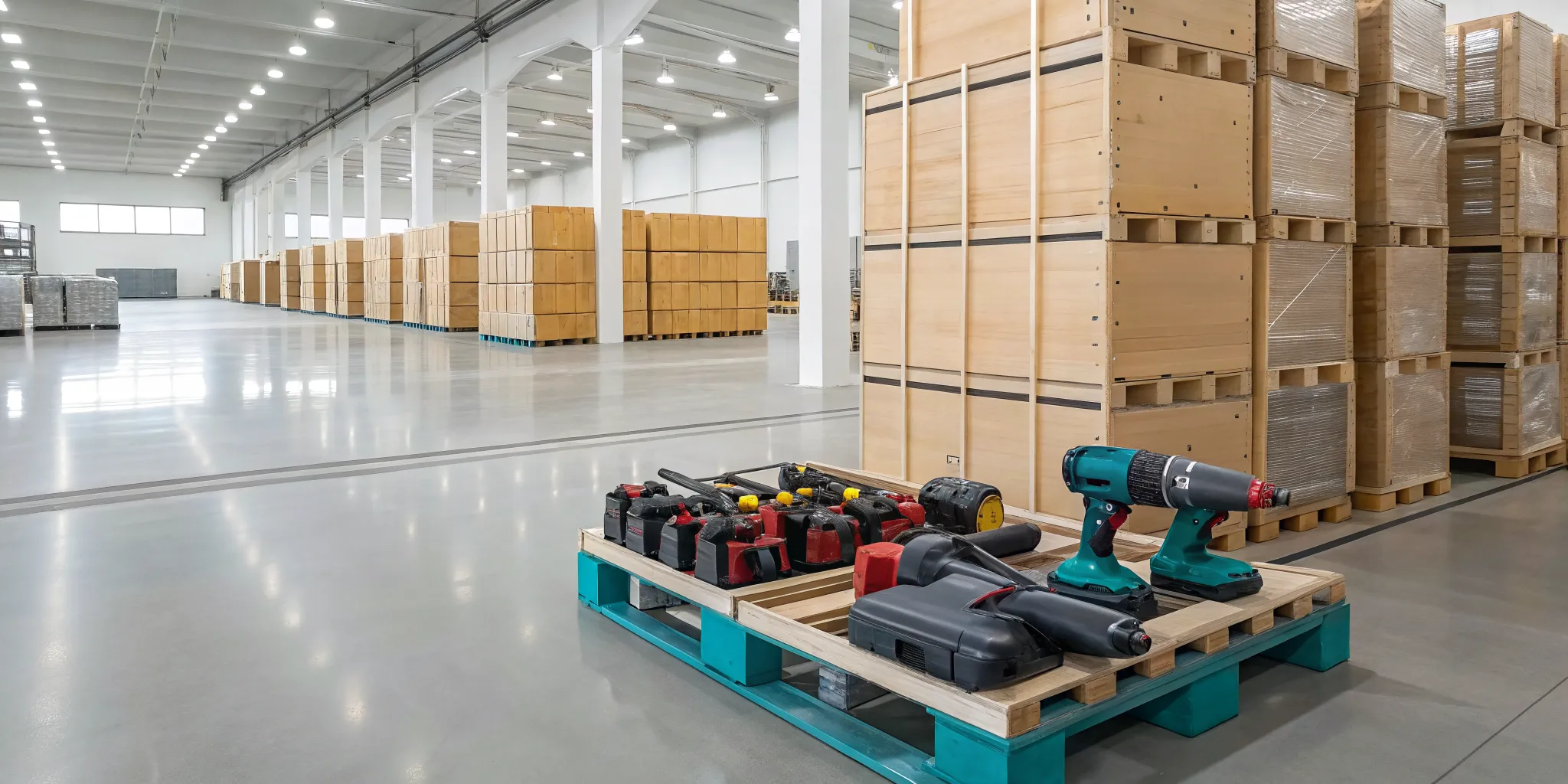
For resellers and bargain hunters in the Dallas-Fort Worth area, one of the biggest hurdles is shipping costs. Heavy items like power tools can be incredibly expensive to transport, eating into your potential profits before you even list an item for sale. That’s why having a local source for inventory is such a huge advantage. When you can buy power tools pallet auction loads from a local company, you can pick them up yourself and eliminate shipping fees entirely. This immediately puts you ahead of the competition. This article is designed specifically for our DFW community, showing you how to find the best local deals, evaluate pallets in person, and turn your finds into a profitable local business.
Key Takeaways
- Evaluate pallets strategically before bidding: Your success depends on smart preparation, not a lucky guess. Always review the pallet’s manifest, calculate your total cost including fees and shipping, and stick with reputable sellers to protect your investment.
- Determine value using real-world data: A tool’s retail price is just a starting point; its true value is what people are actually paying. Check sold listings on sites like eBay to understand current market prices and set a realistic maximum bid that protects your profit margin.
- Turn your tools into profit with a clear plan: Once you win a pallet, focus on a quick and profitable flip. Test every item, be transparent about its condition to build trust with buyers, and price your tools competitively to keep your inventory moving and your cash flow healthy.
What Are Power Tool Pallets?
If you've ever wondered how resellers and small businesses get their hands on brand-name tools for a fraction of the retail price, the answer is often power tool pallets. Think of a pallet as a large, shrink-wrapped bundle of products sourced directly from major retailers. These pallets are filled with items that can no longer be sold on primary store shelves for various reasons, such as customer returns, overstock inventory, or discontinued models. Because retailers need to move this merchandise quickly, they sell it in bulk through liquidation auctions. This process allows you to bid on a whole pallet of tools and outdoor equipment, often getting high-value goods for pennies on the dollar. It’s a fantastic way to stock your own workshop or build an inventory for your resale business.
Common Power Tools You'll Find
Opening a power tool pallet is always a bit of an adventure because you never know exactly what you'll get. Each one contains a different mix of hand tools, power tools, and accessories. It’s common to find items from top-tier brands like DeWalt, Milwaukee, Makita, and Ryobi mixed in with other reliable names like Bosch or Craftsman. You could uncover anything from cordless drills and impact drivers to sanders, saws, and complete toolsets. The variety is part of the appeal, as these pallets can give you a wide range of inventory from a single purchase, making every unboxing feel like a treasure hunt.
Why Tools End Up in Liquidation
You might be thinking, "Why would a store get rid of perfectly good tools?" The reality is that large retailers process thousands of returns every day, and it’s not cost-effective for them to inspect, repackage, and restock every single item. A customer might return a tool because the box was damaged during shipping, they bought the wrong model, or they simply changed their mind. While some items are returned because they have a defect, many are in perfect working condition. This is where liquidators step in. They buy this merchandise in bulk, giving you a chance to sort through it and find the valuable items. You can learn more about how it works and start bidding.
How to Understand Pallet Conditions
It’s important to go into pallet buying with realistic expectations. You’re not getting a pallet of brand-new, in-box items. Instead, you’ll find a mix of conditions. A typical pallet might break down something like this: about 30-40% of the items are in like-new condition and ready to be sold, while another 20-30% might have minor cosmetic damage. You can expect about 15-20% to be missing parts or accessories, and the final 10-20% might be broken or best used for parts. Understanding this breakdown is key to success. By looking at past auctions, you can get a better feel for what to expect and learn how to spot a pallet with great potential.
Where to Find Power Tool Pallet Auctions
Finding a reliable source for power tool pallets is the first major step. You want a place that consistently offers quality inventory without making you jump through hoops. The good news is you have options, from dedicated online platforms designed for resellers to local government sales clearing out surplus equipment. The key is knowing where to look and how to spot a trustworthy seller, because your source directly impacts your inventory quality and potential profit.
Online auction sites are often the most convenient, offering a wide selection you can browse from home. These platforms specialize in liquidation and bring together inventory from major retailers, giving you access to well-known brands. On the other hand, government and local auctions can uncover unique, heavy-duty equipment you might not find elsewhere, sometimes with less competition. Each source has its own rhythm and process, so it's smart to get familiar with a few. We'll cover the best places to start your search, including our favorite spot right here in the DFW area, and what red flags to watch for no matter where you shop. This will help you build a list of go-to sources for high-quality tool pallets and bid with confidence.
Find Your Next Haul at Quickbidz
When it comes to a straightforward and reliable source, we recommend starting right here at Quickbidz. As a popular online auction platform, we specialize in a variety of liquidation pallets, including those packed with power tools. Our site is designed to be easy to use, so you can quickly find what you’re looking for and place bids without any hassle. We’re constantly updating our listings with inventory from different categories, giving you a great selection to choose from. Since we're based in the Dallas-Fort Worth area, local pickup is simple, saving you a ton on shipping costs. It’s the perfect place to find your next big score.
Exploring Government & Local Auctions
Beyond dedicated liquidation sites, don't overlook government auctions. These sales often include surplus items from public agencies, which can mean heavy-duty tools and equipment. Websites like GovDeals list everything from vehicles to office furniture, and you can often find tool lots available at a fraction of their original cost. It’s a great way to find professional-grade equipment. Also, keep an eye out for local, in-person auctions in your area. Estate sales or business closure auctions can be hidden gems for scoring tools. A quick search for auction houses in the DFW area can point you to some great local opportunities.
Seller Red Flags to Watch For
No matter where you source your pallets, it’s important to be a savvy buyer. Always be cautious of sellers who don’t provide a manifest or a detailed description of what’s inside the pallet. According to industry experts, a lack of transparency is a major red flag that could signal problems with the product's quality or condition. Another thing to look out for is a seller with poor reviews or no verified track record. Trustworthy sellers build a history of positive feedback and successful sales. Take a few minutes to check a seller’s reputation before you place a bid; it can save you a lot of headaches later.
How to Evaluate a Pallet Before You Bid
Winning a pallet auction is exciting, but the real win comes from making a smart, informed bid. Before you jump into the action, taking a few minutes to do your homework can be the difference between a profitable haul and a pile of problems. Think of it as your pre-bidding checklist. By carefully examining the pallet’s contents, understanding all the potential costs, and verifying the seller’s credibility, you set yourself up for success. This isn’t about luck; it’s about strategy. Let’s walk through the essential steps to evaluate any power tool pallet before you commit.
Check the Manifest & Condition
The manifest is your single most important tool. This is the detailed list of every item included in the pallet, and you should always review it carefully. A reputable seller will provide a manifest that tells you what you’re getting. If a seller doesn’t offer one, it’s best to walk away. The manifest helps you see the brands, quantities, and sometimes even the model numbers of the tools and outdoor equipment you’re bidding on.
Pay close attention to the condition listed for the items. Terms like "new," "open-box," or "customer returns" mean very different things. Customer returns, for example, might include a mix of perfectly good items and some that need repairs. Understanding these details helps you accurately estimate the pallet’s value.
Factor in Shipping & Hidden Costs
Your winning bid is only part of the total cost. To figure out your true investment, you need to account for all the extra expenses. This includes the buyer's premium (a fee charged by the auction house), sales tax, and any shipping or transportation fees. Since pallets are large and heavy, shipping can be a significant cost, so getting a quote beforehand is a great idea. For local auctions, picking it up yourself can save you a lot of money.
Don’t forget to also consider the costs you’ll face after you get the pallet. You might need to pay for storage space, spend money on repairs, or budget for selling fees on platforms like eBay or Facebook Marketplace. Knowing your auction guidelines and adding up all these costs will give you a clear picture of your potential profit.
Review the Seller's Reputation
Where you buy matters just as much as what you buy. Sticking with trusted liquidation companies is the best way to avoid scams and ensure you’re getting a fair deal. A reputable seller provides clear photos, accurate manifests, and transparent auction processes. Before you bid, take a moment to look into the seller’s history. Do they have positive reviews? Are they responsive to questions?
You can learn a lot by looking at a company’s past auctions. This shows you the types of products they sell and what their winning bids typically look like. Buying from an established seller with a solid track record means you’re less likely to end up with a pallet that has already been picked over for all the valuable items.
Understand the Return Policy
In the world of liquidation, most sales are final. Pallets are typically sold "as-is, where-is," which means you can’t return them if you’re unhappy with the contents. This is a standard practice in the industry and a key reason why the prices are so low. It’s a risk, but it’s a calculated one.
Before placing a bid, always read the auction’s terms and conditions. This is where you’ll find the fine print on payment, pickup deadlines, and the seller’s policy on returns or disputes. Understanding the rules of the auction upfront prevents any surprises later on. Knowing that all sales are final will encourage you to be even more thorough in your pre-bid evaluation, which is always a good thing.
How to Assess a Pallet's Value
Once you’ve found a promising pallet, the real work begins. Assessing its value is part art, part science. It’s not just about what’s inside; it’s about what those items are worth in the current market and how much you can realistically sell them for. A great-looking pallet can be a money pit if you overbid, so going in with a clear valuation strategy is your best defense. By looking at retail prices, calculating your potential profit, and considering factors like brand and seasonality, you can make a smart, informed bid that sets you up for a successful flip.
Research Retail Prices & Market Demand
Before you even think about placing a bid, you need to do some homework. Start by looking up the retail price for every major item listed on the pallet’s manifest. This gives you a baseline understanding of the pallet’s maximum potential value. But don’t stop there. You also need to gauge the current market demand. Are these tools that contractors, DIYers, and homeowners are actively searching for? A quick search on Google Trends or online marketplaces can give you a sense of what’s popular. Understanding what specific tools are in demand helps you make informed purchasing decisions and avoid getting stuck with inventory nobody wants.
Calculate Your Potential Profit Margin
Every reseller’s goal is to make a profit, but it’s important to be realistic. While it’s tempting to dream of a 10x return, a more practical and sustainable goal is to aim for two to four times your initial investment. To figure this out, add up the estimated resale value of the tools on the pallet. Then, work backward to determine your maximum bid. Remember to account for auction fees, transportation costs, and any marketplace fees you’ll pay when you sell the items. Setting a clear budget based on a realistic profit margin prevents you from getting caught up in a bidding war and overpaying.
Consider Brand & Seasonal Demand
Not all tools are created equal. The brands included in a pallet can have a huge impact on its resale value. Pallets with well-known names like DeWalt, Ryobi, and Milwaukee are often easier to sell because customers trust their quality. These brands may also come with transferable warranties, which is a great selling point. You should also think about seasonal demand. A pallet full of leaf blowers and lawnmowers will likely sell much faster in the spring than in the fall. Considering these factors helps you choose pallets with high-demand items that you can flip quickly.
Use Sold Listings to Gauge Value
The manufacturer's suggested retail price (MSRP) is a good starting point, but the true market value is what people are actually paying. The best way to find this is by checking sold listings on platforms like eBay. Searching for your items and filtering by "Sold Items" shows you the real-world prices that similar tools have fetched recently, in various conditions. This data is far more valuable than an item's new retail price. You can also look at Quickbidz’s own past auctions to see what similar tool pallets have sold for. This research helps you set competitive prices for your items and ensures your initial bid is based on solid data.
How to Resell Your Tools for Profit
Winning the auction is just the first step. Now comes the fun part: turning that pallet of tools into profit. Reselling isn't just about snapping a few photos and listing items online; it's about having a smart strategy to get the best return on your investment. A little bit of planning goes a long way in making sure your tools find new homes quickly and your bank account grows. From setting the right price to being honest with your buyers, every decision you make can impact your success.
Think of it as running your own mini-business. You've already sourced your inventory from a great place like our Tools & Outdoor auctions, so you're starting with a huge advantage over people buying at retail. The key is to maintain that advantage through smart selling practices. This means understanding your market, presenting your products professionally, and building a reputation as a trustworthy seller. It’s about more than just making a quick buck on a single item; it’s about creating a sustainable side hustle or even a full-time business. Let's get into the practical steps you can take to make sure your reselling venture is a profitable one.
Price Your Tools Strategically
Setting the right price is a balancing act. Start by finding the original retail price of each tool. This gives you a baseline and helps you show buyers the great deal they're getting. Next, search for the same item on reselling platforms to see what similar used tools are selling for. Your final price should reflect the tool's condition and current market demand. Is it a sought-after brand name drill in like-new condition? You can price it higher. Is it a lesser-known sander with visible wear? Adjust the price accordingly. Remember, your goal is to find the sweet spot that attracts buyers while still leaving you with a healthy profit margin.
Choose the Right Place to Sell
Where you sell your tools can make a big difference. For reaching a national audience, online marketplaces like eBay are a great option, but you'll need to factor in shipping. If you prefer to sell locally and avoid shipping hassles, Facebook Marketplace and Craigslist are excellent choices for connecting with buyers in the Dallas-Fort Worth area. Don't forget about in-person options like local flea markets, which can be great for moving a lot of inventory at once. For a more creative approach, you could even create "mystery boxes" of smaller tools and sell them on platforms like TikTok Shop to tap into a different kind of buyer.
Test Every Tool & Be Transparent
Your reputation as a seller is everything. Before you list a single tool, take the time to test it and make sure it works as it should. When you write your product descriptions, be completely honest about the item's condition. Point out any scratches, dents, or missing parts. It’s always better to under-promise and over-deliver. For example, if you're unsure about an item's condition, list it as 'Used - Good' instead of 'Used - Very Good.' This transparency builds trust with your customers, leads to positive reviews, and encourages repeat business. It also helps you avoid the headache of dealing with unhappy buyers and potential returns down the line.
Flip Your Inventory Quickly
In the world of reselling, cash flow is king. While it might be tempting to hold out for the highest possible price on every single item, it's often smarter to sell your tools quickly for a slightly smaller profit. Inventory that sits around isn't making you money; in fact, it can cost you money if you're paying for storage. A quick flip frees up your cash, allowing you to reinvest in more liquidation pallets and keep your business moving. Focus on consistent sales and steady profits rather than waiting for that one perfect buyer. A fast nickel is better than a slow dime.
Common Mistakes to Avoid When Buying Pallets
Jumping into the world of pallet auctions is exciting, but it’s easy to get swept up in the thrill of the bid and make a few rookie mistakes. Trust me, I’ve seen it happen. The key to turning a profit isn’t just finding a great pallet; it’s about avoiding the common pitfalls that can turn a promising haul into a financial headache. A little bit of strategy goes a long way. Many newcomers focus only on the potential reward, picturing a pallet full of high-value tools they can flip for a huge return. While that's the goal, successful resellers know that the real work is in the preparation and due diligence. They understand that a single oversight, like miscalculating shipping costs or misreading a pallet’s condition, can wipe out their entire profit margin. By learning what to watch out for, you can bid with confidence and protect your investment. Let’s walk through some of the most frequent missteps so you can sidestep them like a pro and keep your focus on what matters: scoring amazing deals on power tools and building a profitable side hustle or business.
Forgetting About the Total Cost
The price you win the auction for is only the starting point. One of the biggest mistakes new buyers make is failing to calculate the total cost of their pallet. Remember to factor in the buyer’s premium, any applicable taxes, and shipping or transportation fees. If you’re planning to resell online, you’ll also have platform fees to consider. And don’t forget about your own time, which is valuable. The hours you spend sorting, cleaning, testing, and listing items all contribute to your overall investment. Before you place a bid, do a quick calculation of all these potential expenses to understand your true break-even point.
Expecting Unrealistic Profits
It’s fun to dream about finding a pallet that makes you 10 times your money back, but it’s not a sustainable business model. Going into an auction with inflated expectations can lead to overbidding and disappointment. A more realistic goal is to aim for two to four times your initial investment. This mindset helps you stay grounded and make smarter, data-driven decisions instead of emotional ones. Building a successful resale business is about hitting consistent singles and doubles, not just swinging for a home run every time. Focus on achievable profit margins, and you’ll build a much more resilient operation.
Ignoring the Manifest & Condition Details
Bidding on a pallet without knowing what’s inside is a huge gamble. Before you even think about bidding, you should always look for a manifest, which is a detailed list of the items included. If a seller won’t provide one, that’s a major red flag. At Quickbidz, we make sure you have access to manifests and clear condition descriptions for our pallets so you can bid with clarity. Pay close attention to the condition notes, whether it’s “new,” “open-box,” or “customer returns.” Carefully review all photos and descriptions to get the most accurate picture of what you’re bidding on.
Not Vetting the Seller
Unfortunately, the liquidation industry has its share of scams. That’s why it’s so important to know who you’re buying from. You should always buy from trusted liquidation websites and local companies with a solid reputation. A trustworthy seller will be transparent about their process, provide clear terms and conditions, and have a verifiable business presence. Look for customer reviews and see what others are saying about their experience. Here at Quickbidz, we’re proud to be a part of the Dallas-Fort Worth community and are committed to providing a fair and transparent auction experience. Knowing how it works with a seller upfront is the best way to protect yourself.
Related Articles
- Pallets | Quickbidz
- Tools & Outdoor | Quickbidz
- Goplus Rolling Tool Chest, 5-Drawer Tool Box Organizer w/Lockable Wheels & Sliding Drawers & Detachable Top & Adjustable Shelf, Tool Storage Cabinet for Garage Workshop(Gray)
Frequently Asked Questions
What if I get a pallet and most of the tools are broken? This is a common concern, and it's important to go in with the right mindset. Liquidation pallets are sold at a deep discount precisely because they contain a mix of conditions. You should expect a certain percentage of items to be damaged or best used for parts. The key is to focus on the total value of the entire pallet, not just individual items. Often, the profit from the perfectly good tools more than covers your initial cost, and you can still sell the broken items for parts to recover even more of your investment.
How much should I expect to pay for a power tool pallet? There isn't a set price, as the final cost depends entirely on the auction. The value is determined by the brands and types of tools listed on the manifest, the overall condition of the items, and how many other people are bidding. A great way to get a feel for pricing is to look at a site's past auctions. This shows you what similar pallets have sold for recently and helps you set a realistic budget for your own bids.
Is it better to pick up my pallet or have it shipped? If you're local to the auction house, picking up the pallet yourself is almost always the better option. Pallets are large and heavy, so shipping can be expensive and can significantly cut into your profit margin. By picking it up, you save a lot on transportation costs. If you aren't local, just be sure to get a shipping quote before you bid so you can factor that expense into your total cost.
What's the single most important thing to check before I bid? Always, always check the manifest. This is the detailed list of what's included in the pallet, and it's the foundation for all your research. Without a manifest, you're bidding completely blind. It tells you the brands, products, and quantities, which allows you to look up retail values, check sold prices on eBay, and accurately calculate your potential profit. If a seller doesn't provide one, it's best to move on.
Can I really make a good profit reselling tools from pallets? Absolutely, but it's a business, not a lottery ticket. Success comes from doing your homework, not from luck. Profitable resellers are the ones who carefully evaluate manifests, calculate all their costs upfront, and set a firm maximum bid based on a realistic profit goal. If you treat it strategically and are prepared to sort, test, and market your items effectively, you can build a very successful and profitable venture.