.png)
Buy Luxury Brand Overstock Without Getting Scammed
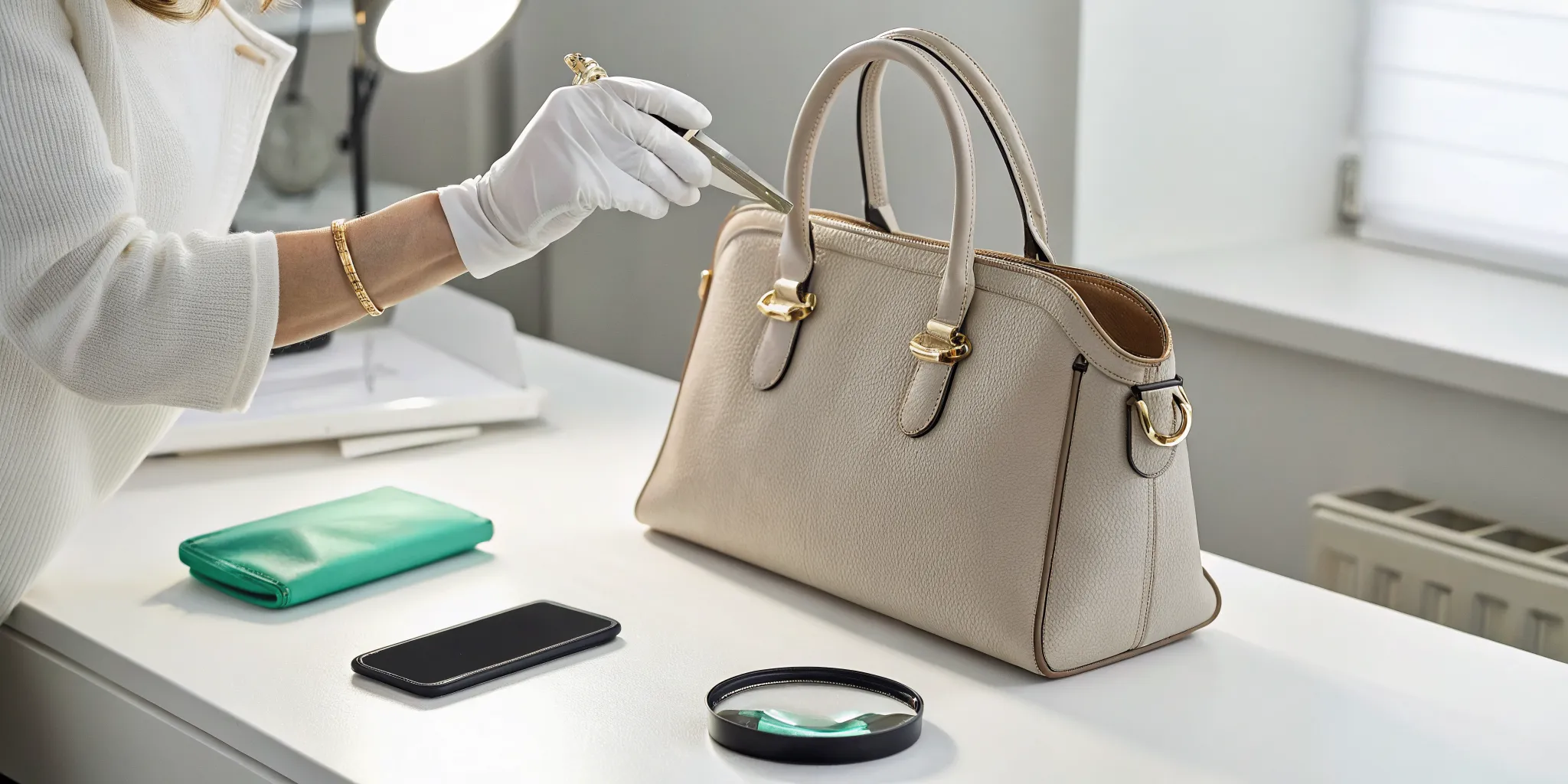
A designer bag for 70% off? It sounds too good to be true, and that skepticism is healthy. The world of discounted luxury goods is filled with myths, from fears that everything is fake to worries about hidden damage. But the biggest myth of all is that you can’t find genuine deals. You absolutely can, if you know how to navigate the market. Reputable sellers get their hands on authentic overstock all the time. When you buy luxury brand overstock from the right source, you’re getting brand-new, high-quality items that retailers simply needed to move. This guide is here to bust the myths and give you the facts, so you can tell a real opportunity from a red flag.
Key Takeaways
- Overstock means authentic, not used: It's brand-new merchandise that brands simply made too much of, giving you a smart way to buy premium goods without the luxury price tag.
- Where you shop is everything: Avoid the gamble of large, general marketplaces and instead focus on trusted sources like local liquidation auctions and certified resellers who can guarantee authenticity.
- Do your homework before you bid: A great deal is only great if it's real, so always check the seller's return policy, read recent reviews, and inspect product photos for signs of quality craftsmanship.
What is Luxury Overstock (And Why Should You Care)?
Have you ever wondered what happens to designer handbags, high-end electronics, or brand-name apparel that doesn't sell at the end of the season? The answer is luxury overstock, and it’s your ticket to getting the real deal for a whole lot less. Simply put, overstock inventory is brand-new, authentic merchandise that a retailer or brand produced too much of. It’s not used, it’s not defective; it’s just extra. These are the exact same items you’d see in a high-end department store, but they've been moved out to make way for the next season's collection.
So, why should you care? Because this is where you find incredible bargains. When brands need to clear out their warehouses, they sell their excess inventory to liquidators. This gives you the chance to buy authentic, high-quality goods at a fraction of their original retail price. Think of it as a backdoor pass to the luxury world, where you can get the quality and style you love without the jaw-dropping price tag. It’s the smartest way to build a high-end wardrobe, furnish your home with premium goods, or snag top-tier gifts without draining your bank account.
Overstock vs. Retail: What's the Difference?
The main difference between buying overstock and shopping at a traditional retail store comes down to price and presentation. Retail is all about the current season’s collection, pristine displays, and paying full price for that brand-new experience. Overstock, on the other hand, is where you’ll find items from past seasons or products that were simply overproduced.
Luxury brands are especially careful about how they manage their inventory to protect their exclusive image. They can’t just put last season’s handbags on a clearance rack. Instead, they offload them through trusted channels, like auctions, which is how you get access to these amazing deals. You get the same authentic, high-quality product, just without the fancy retail storefront and markup.
Why Do Luxury Brands Have Leftovers?
It might seem strange that brands known for exclusivity even have leftovers, but it happens all the time. It’s usually a simple case of supply and demand. A brand might overestimate how popular a certain color will be, or a line of apparel might not sell as quickly as they projected. Sometimes, they experiment with brand extensions or entry-level items to attract new customers, and not every experiment is a runaway success.
Other common reasons include seasonal shifts (selling off winter coats as spring approaches) or minor updates to packaging. The bottom line is that it’s a normal part of business, not a reflection of the product's quality. For savvy shoppers, this logistical challenge for brands becomes a huge opportunity to find incredible fashion and other luxury goods.
The Perks of Buying Luxury Overstock
Let's talk about the fun part: the incredible benefits of shopping for luxury overstock. It’s more than just finding a good deal (though that’s a huge plus). When you know where to look, you open up a world of high-quality goods, unique finds, and smart savings. Think of it as an insider’s secret to building a high-end lifestyle on a real-world budget. You get the brand names you love without the shocking price tags, and you might even stumble upon some hidden gems along the way. It’s a savvy way to shop that’s both rewarding and responsible.
Score Huge Savings on Top Brands
The most obvious perk is the price. You can get authentic, brand-new items from top designers for a fraction of their original retail cost. Why? Because retailers need to clear out last season’s inventory or excess stock to make room for new products. Their need to move merchandise becomes your opportunity to save big. Instead of paying full price for a designer handbag or a premium kitchen appliance, you can find it for pennies on the dollar. Exploring past auctions is a great way to see just how significant these savings can be on everything from fashion to electronics.
Find Rare and Discontinued Treasures
Overstock isn't just about last season's leftovers. Sometimes, brands overestimate demand and produce too much of a particular item. This means you can find limited-edition pieces or styles that are no longer available in stores. It’s like a treasure hunt for fashion lovers and collectors. You might discover that sold-out dress you missed last year or a unique home decor item that sets your space apart. Browsing through different product categories feels less like shopping and more like an adventure, with the potential to uncover something truly special that no one else has.
Get Lasting Quality for Less
When you buy luxury overstock, you’re not just saving money; you’re making a smart investment. These items are designed with superior materials and craftsmanship, meaning they’re built to last. Instead of buying fast fashion that falls apart after a few wears, you get timeless pieces that hold their value and style. This approach is also more sustainable, as it gives perfectly good products a home instead of letting them go to waste. You can furnish your home with high-quality furniture and decor or build a wardrobe of durable, classic apparel, all while making a more eco-friendly choice.
Where to Safely Buy Authentic Luxury Goods
Finding authentic luxury goods for less is completely possible, you just need to know where to look. The key is to stick with reputable sellers who can guarantee the authenticity of their products. When you shop through the right channels, you can confidently score amazing deals on everything from designer handbags to high-end electronics without worrying about fakes. These sellers get their inventory from legitimate sources like brand overstock, department store shelf-pulls, or authenticated pre-owned collections. Let's walk through the best places to find these treasures so you can shop with peace of mind.
Quickbidz: Find Unbeatable Deals at Liquidation Auctions
One of the most exciting ways to find luxury overstock is through local liquidation auctions, and that’s exactly what we do at Quickbidz. We source authentic overstock inventory, which are brand-new products that retailers simply ordered too many of. This means you get to bid on high-quality, untouched items at a fraction of their original price. Our auctions feature a huge range of products, from designer fashion to top-tier electronics and appliances. It’s a fantastic way for bargain hunters and small business owners in the Dallas-Fort Worth area to acquire premium goods for pennies on the dollar.
Shop Certified Consignment Platforms
Certified consignment stores are another excellent source for authentic luxury goods. These platforms specialize in selling pre-owned designer items that are carefully vetted by a team of experts before being listed for sale. This authentication process is what sets them apart and gives you confidence in what you’re buying. Plus, shopping for pre-owned items is a great way to practice sustainable fashion and give a beautiful piece a second life. You can often find rare, vintage, or sold-out items that are no longer available in stores.
Check Out Department Store Outlets
You’ve probably seen outlet malls, and they can be a goldmine for discounted luxury goods. Brands and major department stores use their outlet locations to sell past-season merchandise and excess inventory directly to consumers. Because these stores are run by the brands themselves, you can be 100% certain that the products are authentic. As the luxury industry faces an inventory surplus, outlets are becoming an even more popular way for brands to move products without diluting their value in the primary market.
Look for Authorized Overstock Retailers
Beyond outlets, some online retailers are authorized to sell overstock from luxury brands. These sellers have official agreements with designers to purchase their surplus inventory. This happens more often than you’d think, especially when luxury spending slows down and brands are left with too much product. These retailers offer a curated selection of new, authentic items from previous seasons at a significant discount. Just be sure to verify that the retailer is indeed an authorized partner before making a purchase.
The Pitfalls of Buying from General Overstock Sites
While the promise of scoring a designer handbag for a fraction of the price on a massive overstock website sounds amazing, it’s important to proceed with caution. These general sites often operate more like huge online malls, hosting thousands of different third-party sellers under one digital roof. This structure can create some serious problems for shoppers looking for authentic, high-quality goods. Unlike specialized auction platforms or certified retailers, the oversight on these massive sites can be inconsistent, leaving you to sort through the good, the bad, and the outright fake.
The biggest issue is that you often don't know who you're really buying from. Is it the website itself or an anonymous seller from halfway across the world? This lack of transparency is where the trouble starts. When a site doesn't directly manage its inventory or vet its sellers, you’re the one taking on all the risk. Before you click "buy" on that too-good-to-be-true deal, let's walk through some of the common pitfalls you might encounter. Knowing what to look out for can save you from a major case of buyer's remorse.
The Big Problem: Counterfeit Products
One of the most significant risks of shopping on general overstock sites is the prevalence of counterfeit products. This is especially true for high-demand items like luxury fashion and electronics. Many of these platforms allow third-party sellers to list products with very little oversight, creating a perfect environment for fakes to slip through. Shoppers frequently share stories of being worried about authenticity, noting that some large sites don't have a strong process for verifying whether designer items are real. You might think you’re getting an incredible deal on a luxury bag, only to receive a cheap imitation. It’s a gamble that can leave you with a worthless product and a much lighter wallet.
No Guarantee of Authenticity
Compounding the counterfeit problem is the lack of an authenticity guarantee. When you buy from an authorized retailer, you have peace of mind knowing the product is genuine. On many general overstock sites, that assurance is completely absent. In fact, many experienced shoppers strongly advise against buying high-end goods from these platforms for this very reason. Without a guarantee, you are essentially trusting an unknown seller at their word. This is a huge risk, especially when you’re spending hundreds or even thousands of dollars. A reputable seller will always stand behind their products and offer a clear process for verifying what they sell.
Tricky (or Non-Existent) Return Policies
So, what happens if you receive a fake or damaged item? You might assume you can just return it, but that’s not always the case. Many general overstock sites have incredibly strict or confusing return policies, particularly for luxury goods. Some even state that certain items, like designer bags, are final sale and cannot be returned under any circumstances. This policy puts all the risk squarely on your shoulders. If the item isn't what you expected, you're stuck with it. This is a major red flag and a key reason to be wary of sellers who don't offer a fair and straightforward return process.
Questionable Quality from Unverified Sellers
Even if an item is authentic, the quality can be a major concern when dealing with unverified sellers. Because anyone can set up shop on these large platforms, the quality control is often all over the place. Customer experiences are frequently mixed; while some buyers get lucky and receive a great product, many others report receiving items that are damaged, used, or not as described. You’re essentially rolling the dice. Instead of taking that chance, it’s better to buy from a source that curates its product categories and provides clear, accurate descriptions of what you’re getting.
How to Spot a Fake: Verifying Authenticity
Finding a luxury piece at a great price is a huge win, but the fear of accidentally buying a fake can take all the fun out of it. The good news is you don’t need to be a seasoned expert to protect yourself. Learning to spot the tell-tale signs of authentic and counterfeit goods is a skill any savvy shopper can develop. It’s all about paying attention to the details and trusting your instincts.
Think of it as becoming your own authenticator. When you know what to look for, you can browse with confidence, whether you’re bidding on an auction or scrolling through consignment sites. From the quality of the stitching to the weight of a zipper pull, the clues are always there. We’ll walk through the key markers of a genuine item, the red flags that should make you pause, and what to do when you need a professional second opinion. With a little practice, you’ll be able to separate the real deal from the convincing knock-offs.
Key Markers of an Authentic Item
Authentic luxury goods are all about craftsmanship. When you have an item in your hands, start by examining the little things. The stitching should be tight, even, and perfectly straight with no loose threads. Real designer hardware, like zippers, clasps, and logos, feels heavy and substantial, never cheap or plastic-y. Engravings on the hardware should be crisp and precise. Also, pay attention to the materials. Genuine leather has a distinct smell and a unique grain, while high-end fabrics feel durable and well-made. Finally, check the branding itself. A quick search can show you the brand’s official logo, font, and placement, which counterfeiters often get slightly wrong. These hallmarks of quality are what set genuine pieces apart.
Red Flags That Scream "Counterfeit"
Just as there are signs of quality, there are clear warnings that an item might be fake. The most obvious red flag is a price that seems too good to be true. While overstock and liquidation auctions offer amazing deals, a brand-new designer bag for 95% off retail is almost certainly a fake. Look closely at the seller’s photos and description. Vague details, blurry images, or the use of stock photos instead of pictures of the actual item are all causes for concern. Sloppy details like crooked logos, misspelled brand names, and flimsy packaging are also major giveaways. Authentic items come with high-quality dust bags and boxes, something counterfeiters often neglect. If anything feels off, it’s best to walk away.
Use Third-Party Authentication Services
If you’re about to make a significant purchase and want total peace of mind, consider using a third-party authentication service. For a small fee, these companies use experts to verify the authenticity of luxury items, often just from a set of detailed photos. This step is a smart investment, especially when you're buying from an individual seller or a platform without a strong authenticity guarantee. Services like Real Authentication can provide a certificate of authenticity, which is valuable for both your own confidence and for resale later on. Think of it as a small insurance policy that protects you from a costly mistake and ensures your new treasure is genuine.
Common Myths About Luxury Overstock, Busted
Shopping for luxury overstock can feel like a treasure hunt, but it also comes with a lot of questions. Is it too good to be true? Are the products real? What happens if I don't like it? These are valid concerns, and they're often fueled by common myths that can prevent you from scoring an amazing deal. Let's tackle the biggest ones head-on so you know exactly what to expect and can shop with confidence.
Myth #1: It's All Fake
This is the biggest fear holding people back, and it’s not totally unfounded. The internet has its share of counterfeit goods, and nobody wants to spend their hard-earned money on a knockoff. However, saying all overstock is fake is simply not true. The risk really depends on where you shop. While some general marketplaces have a poor reputation, reputable liquidation platforms and authorized resellers work hard to verify their inventory. The key is to buy from a seller you trust, one that is transparent about where their products come from. Do your homework on the seller first, and you can avoid the fakes.
Myth #2: Returns Are Always Easy
After years of shopping with major retailers, we’ve been trained to expect easy, no-questions-asked returns. This is not always the case with overstock and liquidation sales. Many sellers, especially on auction sites, have very strict return policies to keep their prices low. Often, items are sold "as-is" or are final sale, particularly for high-end designer goods. This can be nerve-wracking, but it shouldn't be a dealbreaker. The solution is simple: always read the fine print. Before you place a bid, understand the seller's terms and conditions. Knowing the policy upfront prevents any surprises later and lets you bid with peace of mind.
Myth #3: It's Always in Perfect Condition
The word "overstock" might make you picture a warehouse of pristine items in their original packaging, but that’s not the full story. These products are unsold for a reason. They might be from a past season, a floor model, or a customer return with a tiny scuff. As some luxury brands face an oversupply of products, more items are hitting the secondary market. This doesn't mean they're damaged goods, but you should set realistic expectations. Reputable sellers are transparent about an item's condition. Always examine the photos closely and read the product description for details on any wear or imperfections before you buy.
How to Find a Reputable Overstock Seller
Finding a great deal on luxury overstock feels amazing, but it’s important to do a little homework before you buy. The world of overstock can be tricky, with a mix of incredible finds and disappointing duds. The key to consistently scoring authentic, high-quality items is knowing how to identify a reputable seller. The best sellers are transparent, stand by the quality of their products, and make it easy for you to feel confident in your purchase. A few simple checks can help you tell the difference between a trustworthy source and one you should probably skip.
Protecting your purchase means looking beyond the price tag. While a low price is what draws you in, the seller’s reputation is what ensures you’re getting a real deal and not just a cheap product. You want to find a seller who is clear about their policies, has a solid history of happy customers, and doesn’t raise any red flags. This means taking a few minutes to investigate their return policy, read through customer reviews on multiple platforms, and learn to spot the common warning signs of a questionable operation. Taking these extra steps will give you peace of mind and ensure your bargain-hunting pays off with an authentic, high-quality item you’ll love for years to come. It’s the difference between a thrilling find and a frustrating waste of money.
Check for Guarantees and Fair Return Policies
A seller’s return policy speaks volumes about their confidence in their products. If a company offers a fair return window or a guarantee of authenticity, it’s a good sign they stand behind what they sell. On the other hand, a strict no-return policy, especially on high-value items, can be a major warning. It can leave you stuck with an item that isn’t what you expected, with no way to get your money back. Before you even think about adding an item to your cart, find the seller’s policy and read it carefully. Reputable auction sites are upfront about how their process works, so you know exactly what to expect before placing a bid.
Read Reviews and Vet Their Reputation
One of the best ways to gauge a seller's reliability is to see what other customers have to say. Look for reviews on their website, but also search for them on third-party sites like Google or Reddit to get a more balanced picture. You’ll often find discussions where some shoppers scored genuine items while others received fakes from the same platform. Pay attention to patterns in the feedback. Are customers consistently happy with their purchases and the service they received? A strong track record, like a history of successful past auctions, shows that a seller has a history of satisfying customers. Consistent negative feedback is a clear sign to look elsewhere.
Spot the Warning Signs of a Bad Seller
Trust your gut. If a deal seems too good to be true or something feels off, it probably is. Be wary of sellers who use blurry or stock photos instead of showing the actual item you’ll receive. Vague product descriptions are another red flag. A trustworthy seller will provide clear details about an item’s condition. Also, be cautious of platforms that rely on third-party sellers but don’t verify the authenticity of the products themselves. A reputable seller will be transparent about where their merchandise comes from and will confidently showcase their wide range of products, from fashion to electronics.
Shop Smarter: Maximize Your Savings
Finding a fantastic deal is thrilling, but being a smart shopper means looking beyond just the price tag. With a little strategy, you can make sure you’re getting the best possible value on authentic luxury goods. It’s all about knowing when and where to look, and what to expect when you find that perfect item. These tips will help you shop with confidence and make your budget stretch further.
Time Your Buys for the Best Discounts
Timing can make all the difference. Recently, many high-end companies produced more inventory than they could sell, leading to a market where luxury brands are overstocked. This creates a huge opportunity for anyone looking for a deal. When brands need to clear out warehouse space for new collections, that excess inventory has to go somewhere, and it often ends up in liquidation sales. Keep an eye out at the end of seasons (like late winter or late summer) and around the end of a company's financial quarter. These are prime times for brands to offload unsold goods, meaning more great finds for you.
Compare Prices Across Different Platforms
Because there’s so much extra product floating around, prices for the same item can vary widely from one seller to the next. The first deal you find might not be the best one available. Before you commit to a purchase, take a few minutes to compare prices across different types of platforms. Check liquidation sites like Quickbidz, but also see what similar items are selling for on resale sites. Looking at some of the best online luxury consignment stores can give you a solid baseline for an item’s market value. A little bit of homework helps you know a truly amazing deal when you see it.
Set Realistic Expectations for Deals and Item Condition
This is probably the most important tip. While you can find incredible bargains, it’s crucial to know exactly what you’re buying. On some general overstock websites, shoppers have voiced concerns about purchasing designer items due to authenticity questions and difficult return policies. Remember, "overstock" doesn't always mean "brand new in a perfect box." The item could be an open-box customer return, from a past season, or have a minor cosmetic flaw. A trustworthy seller will be transparent about an item's condition. Always read the product description carefully, zoom in on the photos, and understand the return policy before you bid.
Frequently Asked Questions
Is "overstock" just another word for "used" or "damaged"? Not at all. Overstock items are typically brand new products that were never sold in a retail store. They might be from a previous season or part of an order that was simply too large. While some items might have minor imperfections from being moved or stored, reputable sellers are always upfront about an item's condition in the description. It's different from pre-owned or consignment, where items have been used before.
Why are return policies on auction sites often so strict? The strict return policies are a key reason the prices are so low. To move large volumes of inventory quickly, sellers often list items as "as-is" or final sale. This model avoids the costs associated with processing returns, which allows them to pass those incredible savings directly on to you. That's why it's so important to read the product description, look at all the photos, and understand the terms before you place a bid.
How can I be sure an item from an auction is authentic? The best way to protect yourself is to buy from a reputable source that is transparent about where its inventory comes from. Trustworthy liquidation companies build their business on sourcing genuine goods directly from retailers and brands. While you should always examine product details and seller reviews, choosing a well-regarded platform is your strongest defense against counterfeit products.
What kinds of products can I find besides designer clothes? While fashion is a popular category, luxury overstock includes a huge variety of high-end goods. You can find everything from top-of-the-line kitchen appliances and electronics to premium home furniture and outdoor equipment. Many liquidation auctions even offer entire pallets of mixed merchandise, which can be a great opportunity for small business owners or dedicated resellers.
If these items are brand new, why are they so cheap? The low prices come down to simple business logistics. Brands and retailers need to make space in their warehouses for new products, and it's more cost-effective for them to sell their excess inventory in bulk to a liquidator than to keep it on their own shelves. This process allows you to buy the exact same high-quality item you'd see in a store, but for a fraction of the price, because you're buying it outside the traditional retail system.