.png)
Top 6 Sites to Buy Liquidation Clothing Boxes
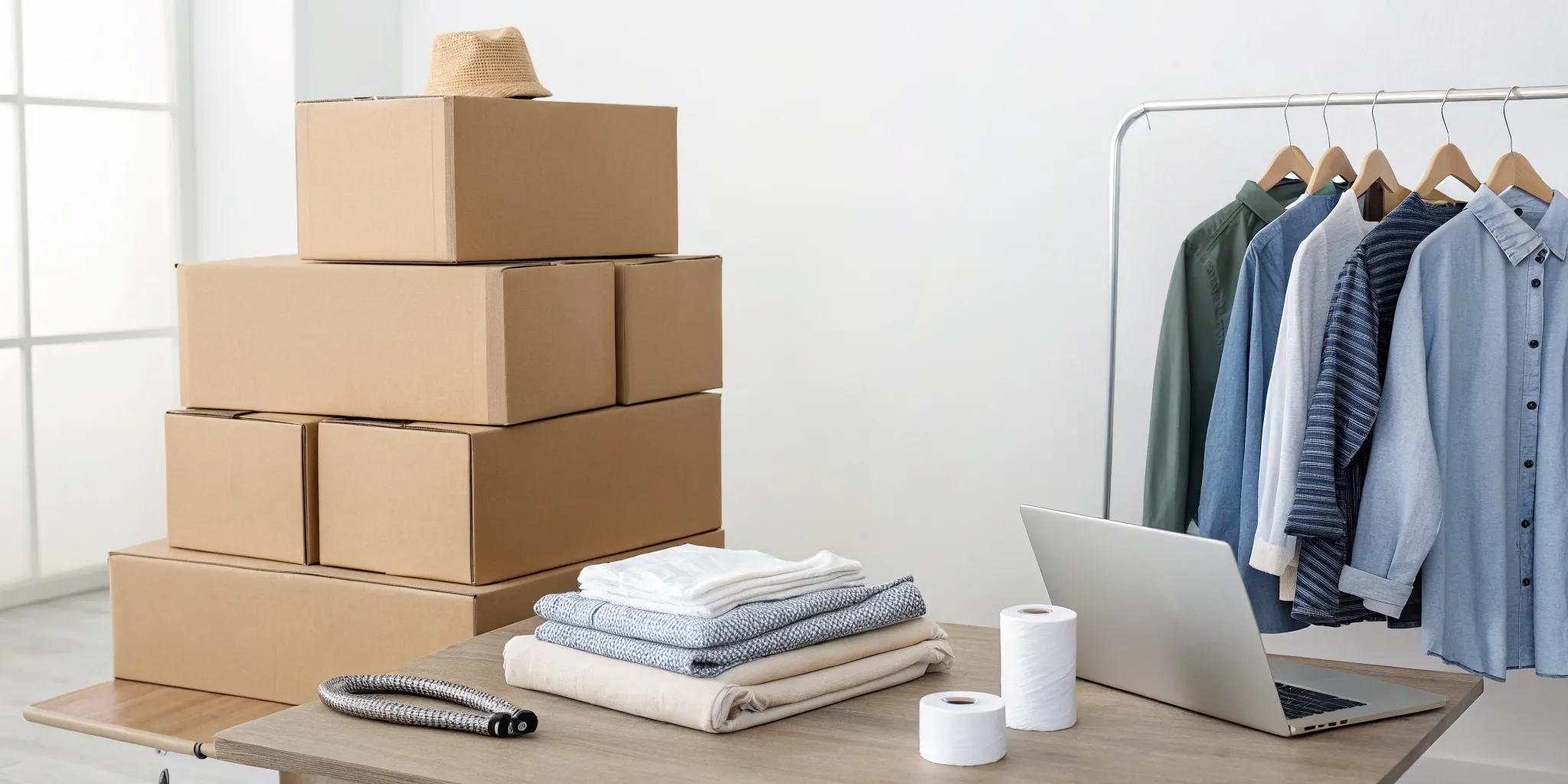
For resellers here in the Dallas-Fort Worth area, we have a unique advantage that many others don’t. We all know that one of the biggest profit killers in this business can be shipping costs, especially when you’re dealing with heavy boxes or entire pallets of clothing. That’s why sourcing locally is such a game-changer. When you buy liquidation clothing boxes from a DFW-based auction house, you can often skip the shipping fees altogether and pick up your inventory yourself. This guide will show you how to leverage that local advantage, find the best deals right in our backyard, and turn them into a profitable resale business.
Key Takeaways
- Source smarter for better profits: Liquidation is a strategic way to acquire high-quality, brand-name apparel for a fraction of its retail cost, which directly improves your profit margins and gives your business a competitive edge.
- Calculate your true cost: The winning bid is only part of the price, so remember to account for shipping, fees, and potential repairs. Partnering with transparent suppliers who offer detailed manifests is the best way to protect your investment.
- Develop a post-purchase plan: The real work begins after the box arrives, so create an efficient system for sorting, cleaning, and listing your items. A clear strategy for pricing and choosing the right sales platform is what turns inventory into income.
What is a Liquidation Clothing Box?
A liquidation clothing box is a collection of unsold or excess inventory from retailers, sold at a deep discount. When big-box stores or major brands need to clear out last season’s styles, handle customer returns, or simply get rid of overstocked items, they can’t just put it all on a clearance rack. They sell this merchandise in bulk to liquidators, who then package the items into boxes or pallets and sell them to resellers and bargain hunters like you.
For a small business owner, this is a fantastic way to acquire a wide range of products without a huge upfront investment. Instead of sourcing items one by one, you get a varied assortment of fashion pieces at a fraction of their original retail price. It’s an opportunity to stock your shop with high-quality goods and discover hidden gems that your customers will love. This approach lets you build a diverse and interesting inventory quickly, giving you a competitive edge without breaking the bank. It’s all about getting great products into your hands so you can get them to your customers.
How Do They Work?
The process is pretty straightforward. Retailers sell their excess clothing in large quantities, often by the pallet or truckload, to liquidation companies. These companies then break down the massive shipments into smaller, more manageable boxes or lots that are sold through online auctions or direct sales. You can bid on or buy these lots, and they’ll contain a mix of clothing items. Because you’re buying in bulk, the cost per item is incredibly low. This model is what allows you to purchase large amounts of inventory, like entire pallets of goods, for pennies on the dollar.
What Kind of Clothing Can You Expect?
When you buy a liquidation clothing box, you can expect a mix of new items, many of which still have their original tags and packaging. The contents are a surprise, but they often include pieces from well-known brands and department stores. You might find anything from designer jeans and dresses to everyday basics and activewear. It’s a good idea to look at a liquidator’s past auctions to get a feel for the types of brands and items they typically offer. This gives you a realistic picture of the quality and variety you can expect before you make a purchase.
Why Should Your Business Buy Liquidation Clothing?
If you're running a resale business, your success hinges on one thing: sourcing great inventory at a price that leaves room for profit. This is where liquidation clothing comes in. Buying liquidated apparel isn't just about finding a good deal; it's a strategic way to build a stronger, more profitable business. By tapping into this market, you can stock your shop with desirable items without paying traditional wholesale prices. It’s a method that allows you to get ahead of the competition by offering your customers fantastic products at compelling prices. Let's look at the key advantages.
Get High-Quality Inventory for Less
The most significant advantage of buying liquidation clothing is the incredible value. You can acquire high-quality, often brand-new apparel for a fraction of its original retail cost. This isn't about buying damaged or defective goods; it's about purchasing overstock, shelf-pulls, or end-of-season items from major retailers. Imagine stocking your inventory with designer brands and popular styles at up to 95% off what a customer would pay in-store. This low entry cost means you can build a diverse and appealing fashion collection without a massive upfront investment, giving your business a solid foundation.
Find Popular, In-Demand Brands
A common misconception is that liquidation only offers outdated or undesirable clothing. In reality, you can find some of the most popular and in-demand brands that customers are actively searching for. Because liquidation inventory often comes from big-box retailers, you’ll see names you and your customers recognize. This gives you a huge advantage. Instead of trying to create demand for an unknown product, you can sell items that already have a built-in audience. A quick look at past auctions shows the caliber of brands that become available, allowing you to stock your store with items that practically sell themselves.
Increase Your Profit Margins
When you combine low acquisition costs with high-demand products, the result is a healthier bottom line. Purchasing clothing for pennies on the dollar allows you to set competitive retail prices while still maintaining a significant profit margin on every sale. This financial flexibility is a game-changer. You can afford to run sales, offer bundles, or simply enjoy a higher return on your investment. Understanding how it works is the first step toward sourcing inventory that truly works for your business model, giving you the breathing room you need to grow and scale your operations effectively.
Where Can You Buy Liquidation Clothing Boxes?
Finding the right supplier is one of the most important steps in building a successful resale business. You need a source you can trust to deliver quality inventory at a price that works for your bottom line. The good news is you have options, each with its own unique model. Whether you prefer bidding in auctions or buying pre-sorted boxes, there’s a supplier out there that fits your business style. Let's look at some of the top places to find liquidation clothing.
Quickbidz - Premium Liquidation Auctions
If you’re looking for high-end brands and premium merchandise without the premium price tag, Quickbidz is a fantastic place to start. Based right here in the Dallas-Fort Worth area, we specialize in liquidation auctions where you can find incredible deals on everything from luxury apparel to home goods. Our auction format means you have the chance to acquire high-value fashion items for just a fraction of their retail cost. Because we get new listings daily, there’s always fresh inventory to discover. This is a great way to source unique, in-demand pieces that will make your boutique or online store stand out.
Boutique by the Box
Boutique by the Box is perfect for resellers who want to focus specifically on trendy, designer clothing. They specialize in curating boxes of wholesale apparel from popular brands, often at up to 95% off retail prices. One of their biggest advantages is a commitment to quality control; they triple-check their inventory, so you can feel more confident about the condition of the clothes you receive. With free shipping in the US, it’s a straightforward way to stock your business with high-end fashion that’s ready to be listed and sold.
Liquidation.com
As one of the largest and most well-known names in the industry, Liquidation.com is a massive online marketplace for surplus goods. Here, you can bid on inventory from major retailers in a variety of lot sizes, from small boxes to entire truckloads. Because of their scale, you’ll find a huge assortment of apparel and accessories available at any given time. This platform is ideal for resellers who are comfortable with an auction environment and want access to a constant flow of inventory from big-box stores.
Via Trading
Via Trading is a large-scale wholesale liquidator that sells merchandise by the case, pallet, or truckload. They are known for providing detailed manifests for many of their lots, which is a huge benefit for resellers. A manifest gives you a list of the items, quantities, and sometimes even the retail value of what’s inside the box or pallet. This transparency helps you make more informed buying decisions and calculate your potential profit before you even commit. They are a great source for those who want to buy in bulk and appreciate knowing exactly what they’re getting.
BULQ
If you’re new to liquidation or value transparency above all else, BULQ is an excellent choice. They are known for their user-friendly website and straightforward process. BULQ partners with major retailers to sell their returned and excess goods in cases and pallets. Their biggest selling point is their guaranteed manifest. What you see on the manifest is what you get in the box, which takes a lot of the guesswork out of buying. They also offer flat-rate shipping, making it easy to budget for your inventory without worrying about surprise fees.
Quicklotz
For resellers ready to handle a high volume of inventory, Quicklotz is a go-to source. They specialize in selling liquidation clothing by the pallet and truckload from well-known, fast-fashion brands like H&M, Zara, and Forever 21. A major advantage is that much of their clothing is new, often still in its original packaging with tags attached. This makes processing and listing the items much faster. If your business model is built on moving a large quantity of trendy, new-with-tags apparel, Quicklotz is definitely a supplier to check out.
How to Choose the Right Liquidation Supplier
Finding a reliable liquidation supplier is the most important step in building a successful resale business. The right partner provides you with quality inventory and transparent service, while the wrong one can leave you with a pile of unsellable items. Think of it as a long-term partnership. You want someone you can trust as you grow your business. Before you place your first bid, take the time to vet potential suppliers by looking at a few key areas. This simple due diligence will save you a lot of headaches and money down the road.
Check Their Reputation and Quality Control
Start by playing detective. What are other resellers saying about the supplier? Look for online reviews, testimonials, and discussions in resale communities. A long-standing reputation is often a good sign. A trustworthy supplier will also have a clear process for quality control. While liquidation inventory is never going to be perfect, you should have a good idea of what to expect. You can get familiar with the types of products they offer by checking out their past auctions. This helps you understand the common condition of items so you can make informed bids.
Look for Clear Product Information and Manifests
Vague listings are a major red flag. A reputable supplier will provide as much detail as possible about what’s inside a liquidation box or pallet. Look for clear photos, detailed descriptions, and, most importantly, a manifest. A manifest is a list of the items included in the lot, often with their condition noted (e.g., new, like new, or customer return). Overlooking the manifest can lead to a box full of items you can’t sell. Always review the product information carefully so you know exactly what you’re bidding on.
Understand if They're a Direct Source or a Middleman
It’s helpful to know where your supplier gets their inventory. Are they a direct liquidator for major retailers, or are they a middleman who buys from other liquidators? Direct sources often have a wider variety and more consistent supply. Some middlemen can be great, but there's a risk that they may have already picked through the lots to pull out the best items for themselves. This isn't always the case, but it’s something to be aware of. A direct relationship with a liquidator often means you get first dibs on fresh inventory.
Review Their Return Policy and Customer Support
While most liquidation sales are final and sold "as-is," a good supplier will have policies to protect you from major issues. What happens if a box arrives completely damaged or full of counterfeit goods? Check their terms of service or help section for information on their return policy. You should also test their customer support. Send them an email with a question and see how quickly and helpfully they respond. Accessible and responsive support is a sign of a company that values its customers and stands behind its products.
Watch Out for Shipping Issues and Hidden Costs
The price you win a bid for is rarely the final price you pay. You need to account for additional costs, which can include a buyer's premium (a percentage of the sale price), sales tax, and shipping fees. Shipping, especially for large pallets, can be expensive. A transparent supplier will make all these potential costs clear before you ever place a bid. Make sure you calculate your total estimated cost to determine your potential profit margin. Surprises here can quickly turn a great deal into a bad one.
What's the Real Cost of a Liquidation Box?
When you're scrolling through liquidation auctions, it’s easy to get excited by the low starting bids. But the price you see on the screen is just the beginning. To figure out if a box or pallet is truly a good deal for your business, you need to look at the total investment. The final cost includes not just the winning bid, but also several other expenses that can add up quickly if you're not prepared.
Understanding the full financial picture is key to making a profit. The price of a liquidation box varies widely based on its size, the type of clothing inside, and the supplier you choose. A small box of designer handbags will have a different price point than a massive pallet of everyday apparel. On top of that, you’ll need to account for fees that aren't always obvious at first glance. Thinking through these costs ahead of time helps you set a realistic budget and bid more strategically, ensuring you have enough room left for a healthy profit margin when you start selling.
Typical Prices by Box Size and Type
The cost of liquidation clothing can range from under a hundred dollars for a small, unmanifested box to thousands for a full truckload. Generally, the more you buy, the lower your cost per item. That’s why you’ll often see resellers focus on buying pallets, which are large, shrink-wrapped bundles of merchandise. While the upfront cost is higher, purchasing in bulk often gives you a better discount and a wider variety of inventory to offer your customers. These lots can contain clothing from well-known department stores and brands, allowing you to stock your shop with desirable items for just a fraction of their original retail price.
Don't Forget These Additional Fees
Your winning bid is just one piece of the puzzle. Many new buyers forget to factor in the additional costs that come with sourcing inventory this way. The most significant extra expense is often shipping, especially for large and heavy pallets. You also need to consider storage for your inventory, the cost of packaging materials for resale, and any expenses related to cleaning or repairing items. Before you place a bid, make sure you understand the supplier’s policies and any associated fees. Reading the How It Works page can save you from unexpected charges and help you calculate your true cost per item.
What Are the Risks of Buying Liquidation Clothing?
Getting a great deal is a huge thrill, but let's be real: buying liquidation clothing isn't without its challenges. Knowing the potential pitfalls ahead of time is the best way to protect your investment and set your business up for success. It’s all about going in with your eyes wide open so you can turn those boxes of clothes into real profit. From items that aren't quite what you expected to fierce competition, being prepared for these hurdles is key. When you understand the landscape, you can build a strategy that minimizes surprises and maximizes your returns. Let's walk through some of the most common risks you might encounter so you can make smarter buying decisions and feel confident in the inventory you choose for your business.
Inconsistent Quality and Condition
A big reason liquidation clothing is so affordable is that it often comes from customer returns or store overstock. This means you're likely to get a mixed bag. While you can find pristine, tags-on items, you might also find pieces with minor defects, signs of wear, or missing components. It's important to understand that not every single item will be in perfect, ready-to-sell condition. You'll need to factor in time for sorting, cleaning, and making small repairs to get your inventory ready for your customers.
The Risk of Counterfeit Items
This is a big one. The last thing you want is to accidentally sell a fake. Buying from unvetted sources can expose you to counterfeit goods, which can lead to serious legal trouble and damage your reputation. This is why it’s so important to partner with a trustworthy supplier who has a clear sourcing process. Reputable auction sites work to verify their merchandise, giving you peace of mind that you're buying authentic apparel from well-known brands.
Facing a Saturated Market
The secret is out: reselling clothing can be a great business. But that also means you'll have some competition. The liquidation market, especially for clothing, can get saturated, which sometimes leads to lower prices and tighter profit margins. To stand out, you'll need a solid strategy. Think about specializing in a specific niche, like vintage finds, outdoor gear, or high-end fashion. Finding your unique angle will help you attract the right buyers and build a loyal following.
Getting Inventory You Can't Sell
It’s easy to get excited by a low price, but if the box is full of items your customers don't want, it's not a deal at all. One of the biggest mistakes new resellers make is buying a pallet without knowing what's inside. You could end up with off-season items, obscure sizes, or styles that just don't sell. This is why manifests are your best friend. Always look for suppliers who provide detailed lists or clear photos of the inventory. This helps you avoid acquiring pallets filled with products that will just sit on your shelves.
How to Successfully Resell Liquidation Clothing
Winning a great box of liquidation clothing is just the first step. The real magic happens when you turn that inventory into profit. Selling successfully isn't about luck; it's about having a solid plan. You need to think like a retailer, even if you're just starting out from your living room. This means knowing where your customers are, how to price your items competitively, and what to do with all that merchandise once it arrives at your door.
Getting these pieces right will make the difference between a fun side hustle and a frustrating pile of unsold clothes. Let's walk through the three key areas you need to master to build a profitable resale business. From choosing the right online marketplace to creating a system for processing your inventory, these actionable steps will help you get organized and start selling with confidence.
Create a Smart Online Marketplace Strategy
Once you have your inventory, you need to decide where to sell it. Different platforms attract different buyers. Poshmark and Depop are great for trendy, brand-name pieces, while eBay can be a good fit for vintage or unique items. Don't forget local options like Facebook Marketplace, which can save you the hassle of shipping. A smart strategy is to research where your ideal customer shops and meet them there. Also, pay attention to your source. If a liquidator is also selling individual items on eBay, they might be keeping the best pieces for themselves. That’s why direct auction sites give you a better shot at scoring top-tier inventory.
Price Your Items and Create Bundles
Pricing can feel tricky, but it boils down to research. Look up what similar items have recently sold for on your chosen platform. This is called checking "comps," and it's the best way to find a price that's both fair and competitive. For lower-priced items, consider creating bundles. Grouping three or four complementary pieces together can create a higher-value sale and help you move inventory faster. You can review past auctions to get a sense of an item's original liquidation cost, which will help you calculate your potential profit margin and set prices that make sense for your business.
Plan for Storage and Processing
Your work begins the moment a box or pallet arrives. You'll need a dedicated space to unpack, sort, and process everything. First, inspect each item for its condition, checking for any flaws. Then, you'll need to clean, steam, or mend items as needed before taking high-quality photos for your listings. An organized system is key. You will need to unpack boxes, organize the items, and store them until they sell. If you're buying large pallets, this step is even more critical, so make sure you have enough room to work efficiently without feeling overwhelmed by your inventory.
Common Myths About Liquidation Clothing (and the Truth)
If you’ve spent any time looking into the world of reselling, you’ve probably heard some wild stories about liquidation clothing. It’s easy to get caught up in the misconceptions, from tales of worthless, damaged goods to promises of getting rich overnight. The reality is usually somewhere in the middle. Let's clear the air and talk about what you can actually expect when you buy liquidation clothing boxes. Understanding the truth behind these common myths is the first step to building a smart, successful reselling business.
Myth: Everything is Damaged
This is probably the biggest fear I hear from new resellers. The word "liquidation" can bring up images of torn, stained, or completely unsellable clothing. While it's true that some items might have minor flaws, liquidation inventory isn't just a box of defects. It often includes overstock items that are brand new, shelf pulls with original tags, or customer returns in near-perfect condition. The key is to understand how it works with your chosen supplier. Reputable auction sites are transparent about what you’re bidding on, so you can make an informed choice. Not every piece will be flawless, but you’re definitely not buying a box of trash.
Myth: It's a Guaranteed High-Profit Business
Wouldn't that be nice? While liquidation clothing offers a fantastic opportunity to get inventory at a low cost and achieve high-profit margins, it’s not a golden ticket. Just like any business, there are risks involved. Some boxes will be amazing finds packed with profitable items, while others might be less impressive. As one expert puts it, "Potential Profit and Potential Loss are two sides of the same coin." Success comes from doing your research, bidding strategically, and knowing what your customers want. You can get a feel for real-world values by checking out the results of past auctions to see what similar items have sold for.
Myth: It's Easy Money with No Effort
Buying the box is just the beginning. Turning that inventory into cash takes real work. This isn't a passive income stream; it's an active business that requires you to sort, inspect, clean, photograph, list, and ship your items. Approaching it with a solid strategy is what separates successful resellers from those who get overwhelmed. You have to be prepared to manage your inventory and market your products effectively. While it’s not "easy money," the effort can be incredibly rewarding. For those willing to put in the work, reselling fashion items can be a fun and profitable venture.
How to Pick the Right Liquidation Box for Your Business
Choosing the right liquidation box is about more than just finding a good deal. It’s about making a smart investment for your business. Before you place a bid, you need a clear plan. Think about who you’re selling to, how much you can realistically spend, and what you’ll do once the box arrives at your door. Getting these three things straight from the start will help you turn that box of inventory into real profit.
Know Your Target Market and Budget
Before you even look at an auction, you need to know exactly who your customer is. What brands do they love? What sizes do they wear? What’s their style? Answering these questions prevents you from buying a box of clothing that won’t sell. Your budget is just as important. Set a firm limit on what you can spend, not just on the box itself but also on potential shipping and fees. Knowing your audience helps you find the right fashion auctions and stick to a budget that makes sense for your business, ensuring you can build your inventory without a huge upfront investment.
Start Small, Then Scale Up
It’s tempting to go all-in on a massive pallet, but it’s smarter to start with a smaller box. Many beginners make the mistake of buying too much inventory at once, which can be a big financial risk if the items aren't what they expected. Starting small lets you get a feel for the quality of the clothing, understand the sorting process, and learn the ropes of reselling without tying up all your cash. Once you’ve sold through a few smaller boxes and have a better handle on the process, you can confidently move up to bidding on larger pallets and scaling your business.
Consider Your Time and Resources
A great deal on a liquidation box is only great if you have the resources to handle it. Remember, these items are often customer returns or overstock, so not everything will be in perfect condition. You need to be prepared for the work that comes after the purchase. Ask yourself: Do I have the space to store and sort all this clothing? Do I have the time to inspect, clean, photograph, and list each item? Understanding the auction process is one thing, but being realistic about the time and effort required to turn those items into cash is what will make your reselling business a success.
So, Are Liquidation Clothing Boxes Worth It?
Ultimately, the answer depends on your goals, resources, and how comfortable you are with a bit of risk. Buying liquidation clothing isn't a passive income stream; it's a hands-on business model that requires you to be a savvy buyer, a smart marketer, and an efficient operator. For the right person, it can be an exciting and profitable way to source inventory. For others, the uncertainty might be too much. Let's break down the final considerations to help you decide.
Weigh the Investment vs. the Potential Return
The main draw of liquidation clothing is the potential for a great return on your investment. When you approach it with a clear strategy, buying liquidation inventory can be a highly profitable way to stock your business. You’re getting access to brand-name apparel for a fraction of its retail price, which gives you plenty of room for markup.
However, it’s crucial to go in with realistic expectations. There are inherent risks involved, and you have to accept that not every piece in a box will be a home run. Some items might be damaged, out of season, or simply not a fit for your customer base. The key is to factor this into your budget. Your profit doesn't come from selling every single item, but from the high-value pieces that more than cover the cost of the entire box.
Is This Business Model Right for You?
Before you place your first bid, take a moment to think about whether this business model aligns with your skills and resources. The inventory you’ll receive often consists of customer returns and overstocks, which means you could get some really popular, in-demand items. The flip side is that you need the time and space to sort, inspect, clean, photograph, and list everything.
Your success also hinges on your supplier. Working with a reputable source like Quickbidz is essential, as buying from unvetted sellers can expose you to legal considerations and counterfeit goods. Even with a great supplier, remember that some boxes will be better than others. If you’re someone who enjoys the treasure hunt, can handle some unpredictability, and is ready to put in the work, then reselling liquidation clothing could be a perfect fit.
Related Articles
Frequently Asked Questions
Are all the clothes in a liquidation box used or damaged? Not at all. While you might find some items with minor flaws, a large portion of liquidation inventory is brand new overstock or shelf-pulls that still have their original tags. You'll also find customer returns, which can be in like-new condition. The key is to expect a mix. You should plan to spend some time sorting, steaming, and making small repairs, but you are certainly not buying a box of defective goods.
Can I see exactly what's inside a box before I bid? This really depends on the supplier. Some companies provide a detailed list, called a manifest, that outlines the items, brands, and quantities inside a box or pallet. Others sell unmanifested lots, which are more of a surprise. A trustworthy auction site will always provide clear photos and detailed descriptions to give you a solid idea of the types of styles and brands you can expect, so you can bid with confidence.
What are the benefits of buying from a local auction company in Dallas-Fort Worth? Buying locally is a game-changer, primarily because of shipping costs. Moving heavy pallets across the country is expensive and can seriously cut into your profits. When you source from a local company, you can often pick up your inventory yourself, which saves you a ton of money. It also allows you to build a relationship with a supplier you can rely on for consistent inventory.
How do I figure out my potential profit on a liquidation box? First, calculate your total investment: the winning bid price plus any buyer's premiums and shipping or pickup costs. Next, research the resale value by looking up what similar items have recently sold for on sites like eBay or Poshmark. This gives you a realistic market price. Your profit is what's left after you subtract your total cost and any platform selling fees from your final sales.
I'm just starting out. Should I buy a small box or a large pallet? I always suggest starting with a smaller box. It’s a fantastic, lower-risk way to learn the ropes of the business. You'll get a feel for a supplier's quality and the entire process of sorting, listing, and shipping without a massive upfront investment. Once you've successfully sold through a few boxes and have a good system in place, you can confidently scale up to buying larger pallets.