.png)
Where to Buy Home Goods Pallets: A Pro's Guide
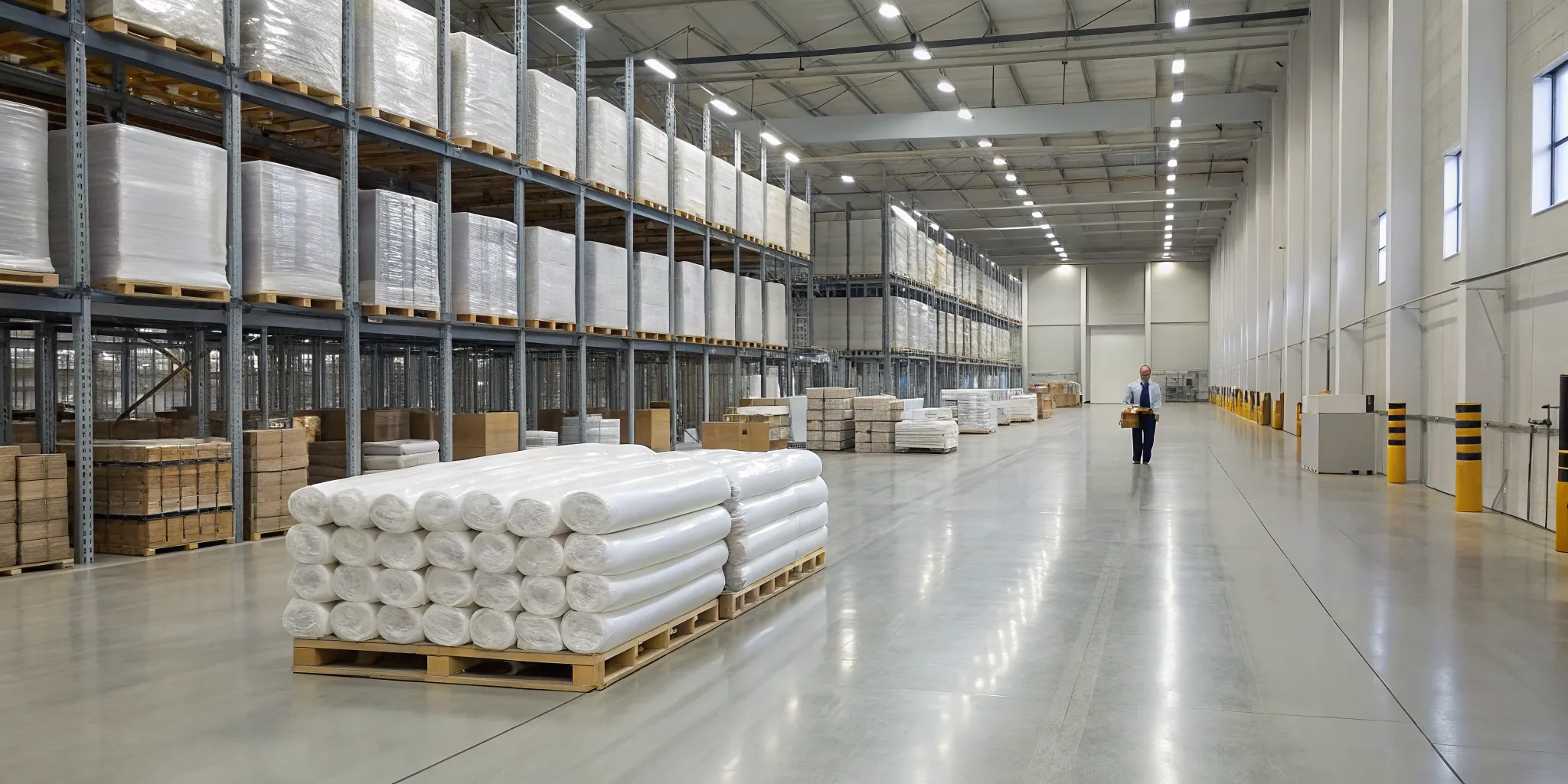
The thrill of finding a great deal is what drives every savvy shopper. But what if you could get an entire collection of high-quality items for a fraction of their retail price? That’s the idea behind liquidation auctions. For anyone looking to furnish a home on a budget or just find some incredible bargains, learning how to buy home goods pallets is a game-changer. It’s a bit like a treasure hunt where you can uncover everything from designer decor to brand-name kitchen appliances. This article will show you exactly how it works, so you can skip the guesswork and start finding amazing deals.
Key Takeaways
- Do your homework before you bid: A successful purchase starts with research. Always review the manifest, understand the condition codes, and stick with reputable sellers to avoid costly surprises.
- Calculate your true cost, not just the bid price: Remember to factor in shipping, marketplace fees, and other prep expenses. Aim for a final sales value that is at least two and a half times your total investment to ensure a healthy profit.
- Have a sales plan ready to go: The goal is to turn inventory into cash quickly. Decide where you will sell your items, whether online or locally, and price them competitively to keep your business moving forward.
What's Inside a Home Goods Pallet?
If you’ve ever wondered what’s really inside those large, shrink-wrapped pallets up for auction, you’re not alone. Think of a home goods pallet as a curated collection of items that a major retailer needs to move out of its warehouse. This could be customer returns, overstocked inventory, or shelf-pulls (items that were on display but never sold). Because retailers need to clear this space quickly, they sell these pallets at a deep discount, which is where you get the incredible value.
For resellers, these pallets are a fantastic way to source a diverse range of inventory without buying each item individually. For savvy shoppers, it’s an opportunity to find high-quality goods for your own home at a fraction of the retail price. The contents of each pallet are different, which adds to the excitement of the treasure hunt. You could uncover anything from designer bedding to high-end kitchen appliances. The key is to understand how it works so you know what you’re buying, from the types of items included to their overall condition.
Common Types of Home Goods
Home goods pallets are typically packed with a wide assortment of products, making each one a unique find. You can expect to see a mix of items that could furnish or decorate an entire living space. Common categories include small furniture, kitchenware, home decor like lamps and rugs, and bedding. You might also find small electronics and appliances or even tools and outdoor equipment. Because these pallets often come from big-box retailers, the items inside are from brands you already know and trust. This mix is ideal for resellers looking to stock their stores or anyone wanting to find great deals on multiple household items at once.
How to Read Pallet Conditions and Grades
It’s crucial to understand that not every item in a pallet will be in perfect, brand-new condition. The contents are usually a mix of new products, open-box items (where the product is fine but the packaging is damaged), and customer returns that may have light signs of use. A realistic expectation is that a small percentage of the pallet, around 10% to 20%, may be damaged or otherwise unsellable. Before placing a bid, carefully read the auction listing for details about the pallet’s condition. Reputable sellers provide a manifest or a detailed description that grades the quality of the items inside. You can get a better sense of how items are listed by looking through past auctions to see real-world examples.
Where to Buy Home Goods Pallets
So, you’re ready to find your first (or next) home goods pallet. The great news is that you have plenty of options, from local auction houses to large online platforms. Finding the right supplier is the most important step in getting quality items at a price that makes sense for your budget or business. The key is knowing where to look and what to look for in a seller.
Some sources specialize in specific categories, while others offer a mix of everything. You might find that a local auction house gives you the best deal on shipping, while a national liquidator has a wider selection of brand-name goods. It’s smart to explore a few different avenues before you place a bid. Think about your goals: are you furnishing your own home on a budget, or are you sourcing inventory for a resale business? Your answer will help you decide which supplier is the right fit. Let's walk through some of the best places to start your search, from local gems to nationwide platforms.
Quickbidz: Find Premium Home Goods at Auction Prices
For those of us in the Dallas-Fort Worth area, Quickbidz is a fantastic place to start. They specialize in offering premium merchandise, including beautiful home goods, through local online auctions. Buying liquidation pallets is a smart way to get a wide variety of products at a much lower cost than buying them new. You can find everything from furniture and decor to small appliances. Because Quickbidz is local, you can often save a ton on shipping by picking up your winnings yourself. Keep an eye on their daily auctions to find some incredible deals on high-quality items for your home or resale business.
Other Major Liquidation Platforms
Beyond local auctions, several large-scale platforms are worth checking out. For example, the Amazon Bulk Liquidation Store sells "lots" of items, which include overstock and customer return pallets at discounted prices. These platforms are designed to help big retailers clear out extra inventory quickly, which is why you can find large groups of items sold together for a lower price. This can be a great way to source a diverse range of products, but be sure to factor in shipping costs, which can be significant for large pallets coming from across the country.
More Reputable Liquidation Sources
If you're looking to expand your search even further, companies like Orotex Liquidation are another solid option. They sell pallets and even full truckloads of extra merchandise from major U.S. retailers. For resellers planning to operate at a larger scale, buying a full truckload can often secure better per-item pricing than purchasing a single pallet. This strategy is best for those with the space to store inventory and a solid plan for selling it, but it’s a great way to maximize your investment if you’re ready to go big.
How Much Do Home Goods Pallets Cost?
Figuring out the cost of a home goods pallet is more than just looking at the price tag. The final price can depend on what’s inside, where it’s coming from, and how you plan to sell the items. While you can find some incredible deals, it’s smart to go in with a clear understanding of the total investment. Think of it in three parts: the initial price of the pallet, the extra costs like shipping, and a simple calculation to see if the pallet is actually a good deal for you. Breaking it down this way helps you find pallets that fit your budget and have a real shot at turning a profit.
Typical Price Ranges
Generally, you can expect to find home goods pallets priced anywhere from $100 to $500. The price varies based on the quality and quantity of the items included. A pallet filled with small kitchen gadgets from a lesser-known brand will naturally cost less than one stacked with high-end furniture or electronics. At Quickbidz, you might find home and furniture pallets at the lower end of this spectrum, especially since the auction format lets you set the price. You can even check out past auctions to get a feel for what similar pallets have sold for recently.
Factoring in Shipping and Other Fees
The price you win a pallet for is just the starting point. Shipping is the biggest extra cost you need to plan for, often running between $100 and $300 per pallet. This can sometimes double your initial investment, so it’s a critical number to know. One of the best ways to manage this is by sourcing locally. Since Quickbidz is based in the Dallas-Fort Worth area, local pickup is an option that completely eliminates this fee. Also, if you plan to resell online, remember to account for marketplace fees. For example, Amazon’s selling fees can take a significant cut of your sales price, so you’ll want to build that into your budget.
How to Calculate Your Total Investment
Before you place a bid, it’s a good idea to run a few numbers to gauge your potential return. A helpful rule of thumb is to estimate your total sales will be about 40% of the pallet’s listed manifest value. Once you have that number, check if it’s at least two and a half times your total cost (the pallet price plus any shipping fees). This simple check helps ensure there’s enough room for you to make a profit after all your costs are covered. Getting comfortable with this quick calculation is a key part of making smart, profitable decisions when buying liquidation pallets.
How to Choose the Right Supplier
Finding the right supplier is the most important step in building a successful resale business. Your inventory quality and potential profit depend on who you buy from. While the thrill of the hunt is fun, you want a trustworthy partner, not a gamble that leaves you with a garage full of junk. A great supplier is transparent about what they’re selling, clear about their policies, and has a track record of happy customers. Vetting your sources carefully saves you headaches and money. Let’s walk through the three non-negotiables to look for.
Look for a Clear Manifest
Think of a manifest as your treasure map: a detailed list of every item in the pallet, its condition, and retail price. Reputable sellers always provide one so you know what you’re bidding on. If a supplier sells "mystery boxes" or unmanifested pallets, consider it a major red flag. Without a manifest, you can’t accurately assess value or calculate potential profit. You can view examples of detailed listings on past auctions to see what a transparent pallet looks like before you commit.
Understand the Return Policy
A crucial rule in the liquidation world: almost all sales are final. Once you buy a pallet, it's yours, even if you're not thrilled with every item. This isn't unfair; it's the nature of selling goods at deep discounts. Because you can't rely on a return policy, your pre-purchase research is critical. This is why reading the manifest and understanding condition codes is so vital. Before you bid, make sure you understand the seller's terms. A good supplier will have their policies in a clear help or FAQ section.
Check Reviews and Reputation
Before buying from any supplier, see what other resellers are saying. A quick search for reviews on Google or social media reveals a lot about a company’s reliability and merchandise quality. You want a supplier who sees you as a partner, not just a one-time buyer. A company with a strong reputation is invested in your success because they want repeat customers. They’ll offer professional service, clear communication, and accurately described products, like those in our Home & Furniture category.
How to Judge Pallet Quality Before You Buy
Buying liquidation pallets can feel like a treasure hunt, but you don’t have to go in blind. With a little bit of detective work, you can get a clear picture of what you’re bidding on and make smarter purchasing decisions. The key is knowing what to look for in a listing and how to interpret the information provided. A reputable seller will give you all the details you need to feel confident in your bid. Think of it less as a game of chance and more as a skill you can develop. The most successful resellers I know are the ones who do their homework before placing a bid. They treat each pallet as a business investment, not a lottery ticket. They know that the real value isn't just in the items themselves, but in the information available about those items. By paying close attention to the manifest, understanding condition codes, and learning to spot potential red flags, you can avoid surprises and find pallets that are packed with value. This approach turns a potential gamble into a calculated business move, setting you up for a much better return on your investment. It’s about minimizing risk and maximizing your opportunity for profit, which is exactly what you want when you're sourcing inventory for your business.
Read the Manifest Carefully
Think of the manifest as your pallet’s packing list. Any legitimate seller will provide a manifest, which is a detailed document listing all the items included in the pallet. It often includes item descriptions, quantities, original retail prices, and sometimes the condition of each product. This document is your single most important tool for assessing a pallet’s worth. It allows you to research individual items, estimate their resale value, and calculate your potential profit margin before you even place a bid. Never buy a "mystery box" or a pallet that doesn't come with a manifest. You can see how we detail our pallet auctions to get a feel for what a transparent listing looks like.
Know the Condition Codes
Not every item on a pallet will be brand new in its original box, and that’s perfectly fine as long as you know what you’re getting. Liquidation inventory comes in various conditions, and sellers use codes to describe them. Common terms you’ll see are "New," "Open-Box," "Used," or "Salvage." "New" items are typically unused and in their original packaging, while "Open-Box" items might have been returned but are still in like-new condition. Understanding these distinctions is vital. It helps you manage your expectations and accurately price your items for resale. Before you bid, make sure you understand how it works and what each condition code means for the specific platform you're using.
Spot Red Flags in the Listing
As you browse different liquidation sites, you’ll learn to spot listings that are best to avoid. A major red flag is the absence of a manifest. You should also be cautious of sellers who don’t have a physical address or contact information listed. Prices that seem too good to be true often are, and high-pressure sales tactics urging you to buy immediately should make you pause. A trustworthy seller provides clear, detailed listings with photos and a comprehensive manifest for all their categories. They operate transparently because they want to build long-term relationships with buyers. Stick with established sellers who have a proven track record and clear business practices.
Common Mistakes to Avoid When Buying Pallets
Buying liquidation pallets is an exciting venture, but it's easy to get tripped up if you're new to the game. I've seen many people make the same few mistakes that can turn a great opportunity into a frustrating experience. The good news is that they are all completely avoidable. By learning what to watch out for, you can set realistic expectations, protect your budget, and build a profitable reselling business from the start. Let's walk through the most common pitfalls so you can approach your first pallet purchase with confidence.
Expecting Every Item to Be Perfect
One of the biggest misconceptions about liquidation is that you're getting a box of pristine, retail-ready products. The reality is that pallets are a mixed bag. It's helpful to understand how liquidation works before you bid. A typical pallet will have a blend of items: some might be like-new customer returns, others could have minor cosmetic damage or missing parts, and you should plan for about 10-20% of the contents to be broken or unsellable. Thinking of it this way helps you factor in potential losses from the beginning. Instead of being disappointed, you'll be prepared to sort, test, and repair items, which is all part of the process.
Overestimating Your Profit Potential
It’s easy to scroll through social media and see videos of people claiming they made a 10x return on a single pallet. While incredible finds happen, they aren't the norm. A more realistic and sustainable goal is to aim for a two to four times return on your investment. Setting practical profit goals keeps you grounded and helps you make smarter bidding decisions. You can get a feel for what items actually sell for by looking through past auctions and comparing the winning bids to the estimated retail values. This data is far more valuable than the hype you see online and will help you build a solid business plan.
Forgetting Shipping and Prep Costs
The winning bid is just the first number to consider. Your total investment includes several other expenses that can eat into your profits if you don't account for them. Beyond the pallet price, you'll need to factor in shipping or transportation costs to get the pallet to your location. If you plan to resell online, remember that platforms have selling fees. You’ll also need supplies for cleaning, testing, and packaging your items for shipment. Before you place a bid on a home and furniture pallet, create a simple budget that includes these extra costs to get a true picture of your potential profit margin.
How to Get the Most From Your Pallet
Winning a pallet auction is just the first step. The real profit comes from what you do next. A smart strategy can make the difference between a garage full of clutter and a successful side hustle. It’s all about making calculated moves, from picking the right products to knowing when to buy. With a little planning, you can turn that pallet of goods into a solid return on your investment.
Choose In-Demand Product Categories
Before you bid, think about what people actually want to buy. Focusing on popular categories gives you a better chance of selling items quickly. For home goods, consider what's always in demand: small kitchen gadgets, stylish decor, and practical storage solutions. You can browse categories like Home & Furniture or Electronics & Appliances to see what's available. Buying liquidation pallets is a great way to get a variety of products at a low cost, but remember the mix and condition of items can vary. Researching current trends will help you spot a pallet with high resale potential.
Start Small and Scale Up
If you’re new to buying pallets, it’s tempting to go for the biggest lot. My advice? Start small. Treat your first purchase as a learning experience, not a huge moneymaker. A great starting point is to buy a single mixed pallet from a trusted source to get a feel for the process. This lets you practice sorting, testing, and listing items without being overwhelmed. You’ll learn firsthand how to value different products and what sells best. Once you’ve sold through your first pallet and understand the workflow, you can confidently scale up to larger lots.
Time Your Purchases to Find Better Deals
Timing is everything. Liquidation inventory changes constantly, so the best deals don’t last long. New lots are added regularly, so it pays to be in the know. The easiest way to stay ahead is to sign up for email alerts from your favorite auction sites so you're notified when new items are available. I also recommend checking the daily new listings on sites like Quickbidz. Making it a habit to check in frequently means you’ll be one of the first to see fresh inventory, giving you a better shot at a high-value pallet.
How to Resell Your Pallet Items
Once you’ve secured your pallet, the real fun begins: turning those goods into profit. Reselling items from a liquidation pallet is a legitimate business model, but it requires a smart strategy. It’s not about getting rich overnight; it’s about creating a sustainable process for moving inventory. Your goal is to find the right buyers for your items, whether they’re online or in your local community.
The key is to have a plan before your pallet even arrives. Think about where you’ll store the items, how you’ll sort and photograph them, and which sales channels make the most sense for your products. By setting up a system, you can efficiently list your items and start making sales. Let’s walk through some of the most effective ways to resell your pallet finds.
Sell Online Through Marketplaces
Taking your business online is one of the fastest ways to reach a massive audience. Platforms like eBay, Facebook Marketplace, and Poshmark are designed for resellers and have built-in communities of eager shoppers. When you list your items, focus on taking clear, well-lit photos and writing detailed descriptions that include the item’s condition and any unique features. This transparency builds trust with buyers.
Remember, you can realistically expect to sell items for 30% to 50% of their original retail value. This is often called the "recovery rate." To get the best price, research what similar items have sold for on your chosen platform. This will help you set competitive prices and move your inventory effectively.
Find Local Selling Opportunities
Don’t underestimate the power of selling locally. You can avoid shipping fees and the hassle of packing boxes by connecting with buyers right in your neighborhood. Setting up a booth at a local flea market or hosting a garage sale are classic methods that still work incredibly well, especially for home goods, tools, and furniture. These venues attract bargain hunters who are ready to buy on the spot.
You can also use online tools to facilitate local sales. Listing items in Dallas-Fort Worth-based Facebook groups or on apps like OfferUp allows you to arrange a simple porch pickup. This is a great option for larger items you don’t want to ship. Selling locally is a fantastic way to build a customer base in your community and turn your inventory into cash quickly.
Price Your Items for a Quick Turnover
Your pricing strategy can make or break your reselling business. While it’s tempting to hold out for the highest possible price, the smarter move is to price your items for a quick sale. Aim to sell your inventory within 30 to 90 days. This approach keeps your cash flowing and prevents storage fees from eating into your profits. The money you make can then be reinvested into your next pallet.
Before you set a price, review the pallet’s manifest to understand the original retail value and condition of each item. This information is your starting point. From there, check the past auctions on Quickbidz and other marketplaces to see what similar items are currently selling for. Pricing competitively doesn’t always mean being the cheapest, but it does mean offering a value that encourages a swift purchase.
Related Articles
- Pallets | Quickbidz
- Pallet of Damaged Tv's (Parts)
- KHNR 5Packs Stackable Storage Bins with Lid, 36 Gal Closet Organizer and Storaging Drawer, Collapsible Storage Box with Wheels, Plastic Clothes Storage Cabinet Containers for Home, Office, Dorm
- Unfinished Wood Bundle, Pack of 10, 36 Inches – Wooden Planks for Arts, Crafts, DIY Projects, and Home or School Decorations
Frequently Asked Questions
Can I buy a pallet just for personal use, or is it only for resellers? Absolutely! While many people buy pallets to resell, they're also a fantastic option for anyone looking to furnish a home, stock up on household essentials, or find unique gifts on a budget. You get a wide variety of items at a price you could never find in a retail store. Just be prepared to find new homes for the items you don't end up keeping.
How much physical space do I really need to handle a pallet? This is a great practical question. You'll want enough space to not only store the pallet itself, which is typically 4 feet by 4 feet, but also to unbox and sort through everything. A clear corner of a garage or a spare room is usually sufficient. Having some shelving ready can also help you organize items as you process them for personal use or for sale.
What's the biggest advantage of buying locally from a place like Quickbidz? The biggest advantage is saving on shipping costs, which can be a huge part of your total investment. When you buy from a local auction house like Quickbidz, you can pick up your pallet yourself, completely eliminating a fee that can sometimes cost as much as the pallet itself. This simple step can significantly improve your potential profit margin right from the start.
What's a realistic profit I can expect to make on my first pallet? It's smart to set practical goals. While you might see stories of huge profits online, a more realistic and sustainable target is to make two to four times your total investment. Your first pallet is a learning experience, so focus on understanding the process of sorting, listing, and selling. This approach helps you build a solid foundation for long-term success.
What happens if I get a pallet with more damaged items than I expected? This is a common concern, and it's why doing your homework is so important. Since most liquidation sales are final, you can't return the pallet. The best strategy is to plan for a certain percentage of loss (around 10-20%) from the beginning. Carefully reading the manifest and understanding the condition codes before you bid is your best defense. This helps you make an informed purchase and minimizes surprises when the pallet arrives.