.png)
Where to Buy Bulk Sports Gear Pallets: A Guide
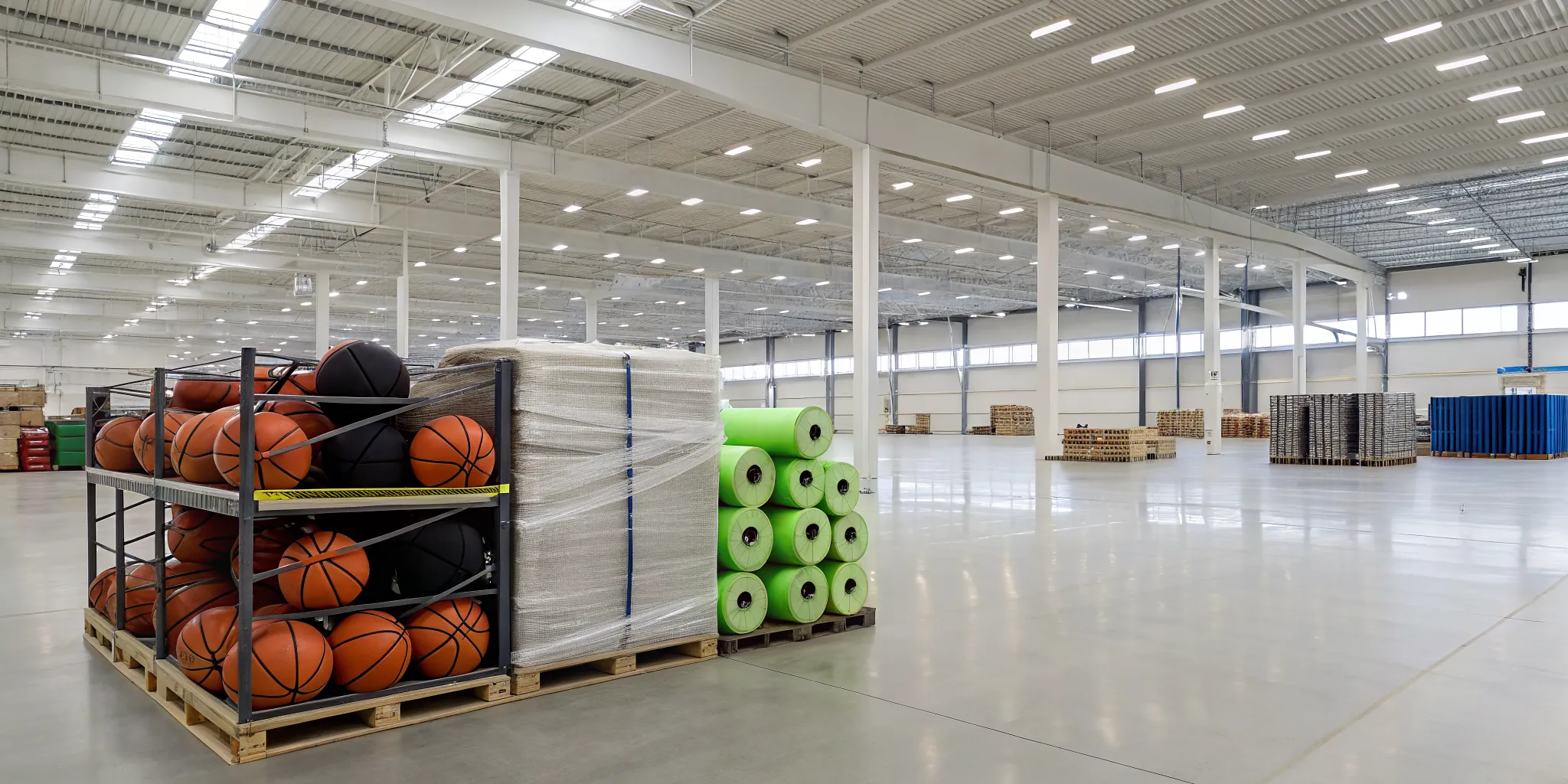
Have you ever wondered what happens to all the products that get returned to big-box stores or the seasonal items that don’t sell? Retailers need to clear that space quickly, so they sell it off in large lots for incredibly low prices. This creates a massive opportunity for savvy shoppers and resellers. By learning to buy bulk sports gear pallets, you get access to this hidden market of high-quality goods. This article pulls back the curtain on the world of liquidation, explaining why it exists and how you can benefit from it. We’ll cover the risks, the rewards, and everything you need to know to start sourcing amazing inventory.
Key Takeaways
- Acquire inventory for less: Sports gear pallets are a cost-effective way to source a large volume of products, from brand-name apparel to fitness equipment, giving you a strong foundation for profitable reselling.
- Bid with a clear strategy: Minimize financial risk by doing your homework before an auction. Set a strict budget, study the product manifest, and research the resale value of the items to ensure your purchase is a smart one.
- Develop a profitable workflow: Turning a pallet into profit requires a solid plan. Systematically sort and grade your items, price them competitively by researching similar sold listings, and choose the best platforms to reach your target customers.
What Are Bulk Sports Gear Pallets?
If you've ever dreamed of getting a massive haul of sports equipment for a fraction of the retail price, you're in the right place. Bulk sports gear pallets are large, shrink-wrapped collections of sports equipment, apparel, and accessories sold together in a single lot. Think of it as a giant mystery box for fitness enthusiasts and resellers. These pallets are often sold through liquidation auctions and can contain a mix of items, including overstocked goods, customer returns, or seasonal inventory that big-box retailers need to clear out to make room for new products.
For small business owners, flea market vendors, or even just savvy shoppers in the Dallas-Fort Worth area, buying pallets is a fantastic way to acquire a large volume of merchandise at a deep discount. Instead of buying items one by one, you get an entire lot, which gives you the inventory you need to stock your shelves or outfit your local sports team without breaking the bank. The contents can range from brand-new gear to slightly used items, but the value is almost always incredible.
How the Liquidation Process Works
You might be wondering why a major retailer would sell perfectly good products for so cheap. It all comes down to space and cash flow. Retailers often use pallet liquidation to quickly clear out excess inventory, whether it's from over-ordering a certain product or processing customer returns. Holding onto that unsold stock costs them money in warehouse space. By selling it off in bulk, they can recover some of their initial investment and make room for new items. This process creates a win-win situation: retailers free up valuable space, and you get access to quality goods at a price you won't find anywhere else.
What Types of Sports Gear Pallets Can You Find?
The variety is what makes buying sports gear pallets so exciting. You truly never know what gems you might uncover. You can find a wide variety of sports gear pallets that include everything from soccer balls and basketballs to tennis rackets and yoga mats. Some pallets might be focused on a specific sport, like golf, containing clubs, bags, and balls. Others could be a mix of general fitness equipment, outdoor gear, or even athletic apparel from top brands. At Quickbidz, we see all kinds of sports and games pallets, so there’s always something new to bid on.
How Pallet Auctions Work
Buying pallets isn't like your typical shopping trip. Instead of adding items to a cart, you’ll likely be bidding in an online auction. This is where you can score those "pennies on the dollar" deals. Liquidation platforms allow you to purchase goods in bulk wholesale lots, giving you the flexibility to buy by the box, the pallet, or even by the truckload, depending on your budget and storage space. The auction format creates a competitive but exciting environment where the final price is determined by demand. To get started, you can learn more about how it works and prepare to place your first bid.
Where to Buy Bulk Sports Gear Pallets
Once you’re ready to start sourcing inventory, you’ll find several places to buy sports gear pallets. Your best option will depend on the quantity you need, your budget, and how much risk you’re willing to take on. The most common sources are local liquidation auctions, national online auction platforms, and direct wholesalers. Each has its own pros and cons, so it’s smart to explore them all before you start bidding. Finding a reliable supplier is the first step to building a profitable resale business, and knowing where to look is half the battle.
Quickbidz: Your Source for Premium Sports Gear
For resellers in the Dallas-Fort Worth area, Quickbidz is your go-to for sourcing high-quality, returned, or overstock merchandise at a fraction of the retail price. We specialize in providing local businesses and bargain hunters with access to premium goods, helping you stock your inventory without breaking the bank. Our auctions feature a wide variety of sports equipment, from high-end apparel and footwear to fitness gear and outdoor essentials. Because we’re local, you can often save significantly on shipping costs compared to national platforms. We focus on creating a transparent and reliable source for resellers to find profitable inventory right in their backyard.
Other Liquidation Auction Platforms
Beyond local options, several national online auction sites specialize in liquidation inventory. Platforms like DirectLiquidation sell surplus sports, fitness, and outdoor items in bulk wholesale lots. These sites can offer a massive variety of products sourced from major retailers across the country. While the selection can be impressive, it’s important to factor in shipping costs, which can be substantial for heavy pallets traveling long distances. These platforms are a great way to see what’s available on a larger scale, but always calculate your total landed cost before placing a bid to ensure your profit margins are protected.
Buying Directly from Wholesalers
For businesses ready to purchase in larger volumes, going directly to a wholesaler can be a great move. Wholesalers often sell by the truckload and source their goods directly from major retailers as overstocks, shelf pulls, or store returns. This route typically requires a larger upfront investment and more storage space, so it’s better suited for established resellers. Companies like Continental Wholesale are examples of suppliers who deal in these large quantities. If you have the capital and the space, buying directly can give you a competitive edge by lowering your cost per item and securing a steady stream of inventory.
How to Vet Reputable Sellers
No matter where you decide to buy, doing your homework on the seller is essential. A pallet of goods with a detailed manifest and glossy photos can still be a disappointment if you aren’t careful. The best way to protect yourself is to work with trusted sellers and established auction platforms. Always double-check manifests for accuracy and be skeptical of deals that seem too good to be true. Reading reviews, understanding the seller’s return policy, and starting with smaller purchases can help you build confidence and find reliable partners for your business.
What Can You Find in a Sports Gear Pallet?
Opening a sports gear pallet is like a treasure hunt for anyone passionate about athletics or the outdoors. Because these pallets are typically filled with retail overstock or customer returns from major stores, the variety can be astounding. You never know exactly what you’ll get, but that’s part of the excitement. One pallet might be packed with equipment for a specific sport, while another could have a mix of apparel, footwear, and accessories for various activities. For resellers, this means you can acquire a diverse inventory in one go. For bargain hunters, it’s a chance to get premium sports gear for a fraction of the retail price.
Athletic and Training Equipment
You can expect to find a wide range of athletic and training equipment inside these pallets. This often includes essentials for popular sports like soccer balls, basketballs, baseball gloves, and tennis rackets. Beyond the basics, you might also uncover workout accessories such as yoga mats, resistance bands, weights, and other fitness gear. This variety is perfect for resellers looking to supply local community teams, school programs, or gyms. Finding a pallet loaded with wholesale athletic gear can give you a fantastic inventory to start with, allowing you to offer great prices to your customers while still turning a healthy profit.
Sports Apparel and Footwear
Apparel and footwear are common finds in sports gear pallets. You could unpack everything from team jerseys and athletic shorts to high-performance running shoes and cleats for different sports. It’s not uncommon to find items from popular, big-name brands, which are always in high demand. Imagine being able to stock your shop with sought-after athletic fashion that you acquired for pennies on the dollar. These pallets can also contain accessories like athletic socks, hats, and bags. For families, buying a pallet can be a cost-effective way to outfit kids for their various sports seasons without breaking the bank.
Outdoor and Camping Gear
If your customers are more into adventures than team sports, you’ll be happy to know many sports pallets include outdoor and camping gear. These lots can contain everything an outdoor enthusiast needs, from tents and sleeping bags to hiking backpacks and cooking equipment. You might also find items for specific activities like fishing rods, bike helmets, or climbing gear. Sourcing from liquidation pallets allows you to offer a great selection of tools and outdoor equipment. This is a fantastic way to cater to the growing market of people who love to explore the great outdoors, providing them with the gear they need at an affordable price.
Seasonal and Specialty Sports Items
One of the most interesting aspects of sports pallets is the potential to find seasonal or specialty items. You might come across a pallet full of ski and snowboard gear just before winter hits, or a collection of swimwear and beach accessories right as summer approaches. This allows savvy resellers to stock up on inventory that meets seasonal demand. Beyond that, you could find equipment for niche sports like pickleball, lacrosse, or even archery. These overstock sporting goods can be highly profitable, as they often cater to dedicated communities looking for a good deal on gear that isn’t always easy to find in big-box stores.
The Risks vs. Rewards of Buying Sports Gear Pallets
Buying liquidation pallets can feel like a treasure hunt. You’re getting a large volume of products for a fraction of their retail price, which is an exciting prospect for any reseller. But just like any business venture, it’s a game of balancing risk and reward. The key is to go in with your eyes open, understanding both the incredible potential and the common pitfalls. Knowing what to look for and how to protect your investment will help you turn those boxes of mystery goods into a profitable business. Let’s break down what you can expect.
The Reward: High Profit Margins
The biggest draw of buying sports gear pallets is the potential for high profit margins. You’re purchasing inventory at wholesale or even below-wholesale prices, which gives you a lot of room to make money on the other side. Think about it: a single pallet could contain dozens of items, from brand-name sneakers to high-tech fitness trackers. Even if you sell each item for just 50% of its original retail price, your return on investment can be substantial. This is especially true for items from well-known brands that retain their value. By checking out past auctions, you can get a real sense of the value packed into these pallets and start to see the financial upside.
The Risk: Red Flags to Watch For
It’s important to remember that merchandise is liquidated for a reason. These items are often customer returns, overstock from last season, or products with slightly damaged packaging. While you can find brand-new items, you’ll likely encounter products that aren’t in perfect condition. Some might be missing parts, show signs of use, or be slightly damaged. The risk is that you could end up with a pallet where a larger-than-expected portion of the inventory is unsellable. This is why it’s so important to manage your expectations and factor in a certain percentage of loss when you’re calculating your potential profits from a sports gear pallet.
How to Read Product Conditions and Manifests
The manifest is your best friend when evaluating a pallet. This document lists the items included in the lot, but it’s crucial to read it carefully. Pay close attention to the product conditions listed. Terms like “new,” “open-box,” and “customer returns” mean very different things. A pallet of unsorted returns carries more risk than a pallet of overstock, as the condition of each item is unknown. While a detailed manifest and great photos are helpful, they don’t always tell the full story. Take the time to understand how the auction process works on the platform you’re using so you know exactly what information to look for before placing a bid.
How to Minimize Your Financial Risk
You can significantly lower your risk with a bit of preparation. First, do your homework. Before you bid, research the market value of the items on the manifest to understand what they might sell for. Second, stick to trusted sellers. Buying from a reputable platform like Quickbidz ensures you’re dealing with a transparent seller who provides clear descriptions and photos. If you’re new to this, consider starting with a smaller pallet to learn the ropes without a huge financial commitment. Finally, always factor in extra costs like transportation and potential unsellable items when setting your budget. A smart, well-researched approach is the best way to protect your investment.
How to Maximize Your Profits from Reselling Sports Gear
Winning a pallet auction is just the beginning. The real work, and the real profit, comes from what you do next. Turning a pallet of mixed sports gear into cash requires a smart strategy for sorting, pricing, and selling. It might seem like a lot at first, but once you have a system in place, it becomes a smooth and profitable process. The key is to approach it methodically, treating each pallet as a treasure chest of opportunities. Some items will be quick flips, while others might require a bit more patience to find the right buyer.
With a little organization and research, you can get the most value out of every single item you acquire. This means moving beyond just listing products and hoping for the best. A successful reseller understands their inventory inside and out, knows what the market is willing to pay, and chooses the right platform to reach interested customers. It’s about creating a repeatable workflow that saves you time and helps you make smart decisions. These steps will help you build that system and turn your auction wins into a successful reselling business, one piece of sports gear at a time.
Grade and Manage Your Inventory
Once your pallet arrives, the first step is to see exactly what you have. Carefully unbox and sort every item, grouping similar products together. As you go, inspect each piece and assign it a condition: new with tags, new without tags, excellent used condition, or gently used. Be honest about any flaws, as this will be crucial for listing later. A reputable liquidator will often provide a manifest detailing the pallet's contents, but it's still your job to verify the condition of each item. Create a simple spreadsheet to track your inventory, noting the item, its condition, and your estimated cost per piece. This will be your command center for the entire reselling process.
Price Your Products to Sell Fast
Pricing is a balancing act. You want to make a healthy profit, but you also want your items to sell quickly so you can reinvest in more inventory. The best way to set your prices is by researching "comps," or what comparable items have recently sold for. Spend some time on sites like eBay and Poshmark searching for the exact items you have. Pay close attention to the condition, as that heavily influences the final sale price. Remember to factor in your cost per item, shipping expenses, and the selling fees for whichever platform you use. This market research will help you find the sweet spot for pricing that attracts buyers and protects your margins.
Find the Best Platforms to Resell Your Gear
Not all reselling platforms are created equal, and certain items perform better on specific sites. For sports apparel and footwear, platforms like Poshmark and Mercari are excellent choices because they have a built-in audience looking for clothing. For a wider variety of items, including equipment and collectibles, eBay offers a massive global marketplace. Don’t forget about local options like Facebook Marketplace, which is perfect for selling larger, heavier items like workout machines or basketball hoops to avoid expensive shipping. You can find many guides on selling pallet goods that offer tips for different platforms. Start with one or two platforms until you get comfortable, then expand as you grow.
Research Market Demand Before You List
Smart resellers think like their customers. Before you even list an item, consider the current market demand. Seasonality plays a huge role in sports gear; you’ll have much better luck selling ski jackets in October than in May. Pay attention to trends in the fitness world. Are pickleball sets popular right now? Is a certain brand of athletic wear flying off the shelves? A quick search on Google Trends or on reselling platforms can give you valuable insight. Understanding what buyers are actively looking for helps you prioritize which items to list first and informs what kind of sports gear pallets you should bid on in the future.
What to Know Before Your First Purchase
Jumping into your first liquidation auction is exciting, but a little preparation goes a long way. Going in with a clear strategy is the best way to turn a great deal into a great profit. Before you place that first bid, let’s walk through a few key steps that will set you up for success from the very beginning. Think of it as your pre-bidding checklist to ensure you’re making smart, informed decisions that will pay off when it’s time to resell.
Set a Realistic Budget and Profit Goals
The fastest way to lose money is to overspend on inventory. It’s easy to get caught up in the thrill of a bidding war, so it’s essential to set a firm budget before you even start looking. Buying the wrong products at too high a price is a common mistake, but you can avoid it with a simple plan. Before bidding, calculate your potential profit margin. Research what similar items are selling for, subtract any auction fees and potential transportation costs, and decide on the maximum price you’re willing to pay for the pallet. This number is your walk-away price. Sticking to it ensures every purchase has a built-in potential for profit.
Do Your Homework Before Bidding
A great photo and a promising manifest can be tempting, but it’s what’s inside that counts. Take the time to thoroughly review the auction listing. Read the manifest carefully to understand the types of products, their conditions, and the total quantity. Before you buy anything, you should also do some market research to understand what will sell. A pallet of high-end golf clubs is only a good deal if you have customers ready to buy them. A great way to get a feel for pricing is to check out past auctions on Quickbidz to see what similar pallets have sold for. This gives you a realistic baseline for what you can expect to pay.
Build Long-Term Relationships with Suppliers
Finding a trustworthy source for your inventory is one of the most important parts of building a resale business. When you work with a reputable platform, you can bid with confidence, knowing there won’t be any negative surprises when your pallet arrives. Instead of spending your time vetting unknown sellers, you can focus on finding the right products for your business. A transparent process, clear product descriptions, and a consistent auction experience are signs of a reliable supplier. Understanding how it works on a platform like Quickbidz helps you build that trust and find great deals time and time again.
Related Articles
- Pallets | Quickbidz
- Sports, Toys & Games | Quickbidz
- Everlast Everlast Powercore Free Standing Indoor Rounded Heavy Duty Fitness Training Bag
- Pack of 4 31 Gal. Utility Storage Bin in Black (4-Pack)
- Fitvids 2" Olympic Bumper Plate Weight Plates with Steel Hub, 45LB,
Frequently Asked Questions
What's the real difference between "customer returns" and "overstock" pallets? Think of overstock pallets as the lowest-risk option. These typically contain brand-new items that a retailer simply ordered too many of or needed to clear out for a new season. The products are usually still in their original packaging. Customer returns, on the other hand, are more of a mixed bag. You might find items that are practically new, but you could also find products that have been opened, used, or have minor cosmetic damage. Returns often carry a higher potential reward because the purchase price is lower, but you have to be prepared for a wider range of product conditions.
How much space do I actually need to start reselling pallets? You probably need less space than you think, but more than just a closet. A standard pallet is about 4 feet by 4 feet, so you'll need a spot in a garage or a spare room to place it. More importantly, you need a dedicated area to sort through everything, inspect items, take photos for your listings, and store the individual products until they sell. A clean corner of a garage or a small storage unit is a perfect place to start your operation without needing a full warehouse.
What if I get a pallet with a lot of damaged or unsellable items? This is a common concern, and it's a normal part of the liquidation business. It's smart to go into every purchase expecting that a small percentage of the inventory won't be sellable. You should factor this potential loss into your budget when you decide how much to bid. The goal isn't for every single item to be perfect; the goal is for the profit from the good items to far outweigh the total cost of the pallet. Sometimes you can even repair items or sell them for parts to recover some cost.
Why should I buy locally from a place like Quickbidz instead of a big national website? The biggest advantage of buying locally is saving a significant amount of money on shipping. Freight costs for a heavy pallet traveling across the country can easily wipe out your profit margin before you even start selling. When you buy from a local source like Quickbidz, you can often pick up the pallet yourself, which reduces your upfront cost. It also allows you to build a relationship with a consistent, reliable supplier right in your own community.
How do I figure out how much to bid on a pallet without overpaying? This all comes down to doing your homework before the auction starts. Start with the manifest and pick a few of the higher-value items listed. Research what those specific products have recently sold for on sites like eBay or Poshmark. This gives you a rough estimate of the pallet's total potential resale value. From there, work backward. Subtract your desired profit, any selling fees, and a buffer for unsellable items. The number you're left with is your maximum bid, and you should stick to it no matter what.