.png)
How to Buy Appliance Pallets at Auction for Profit
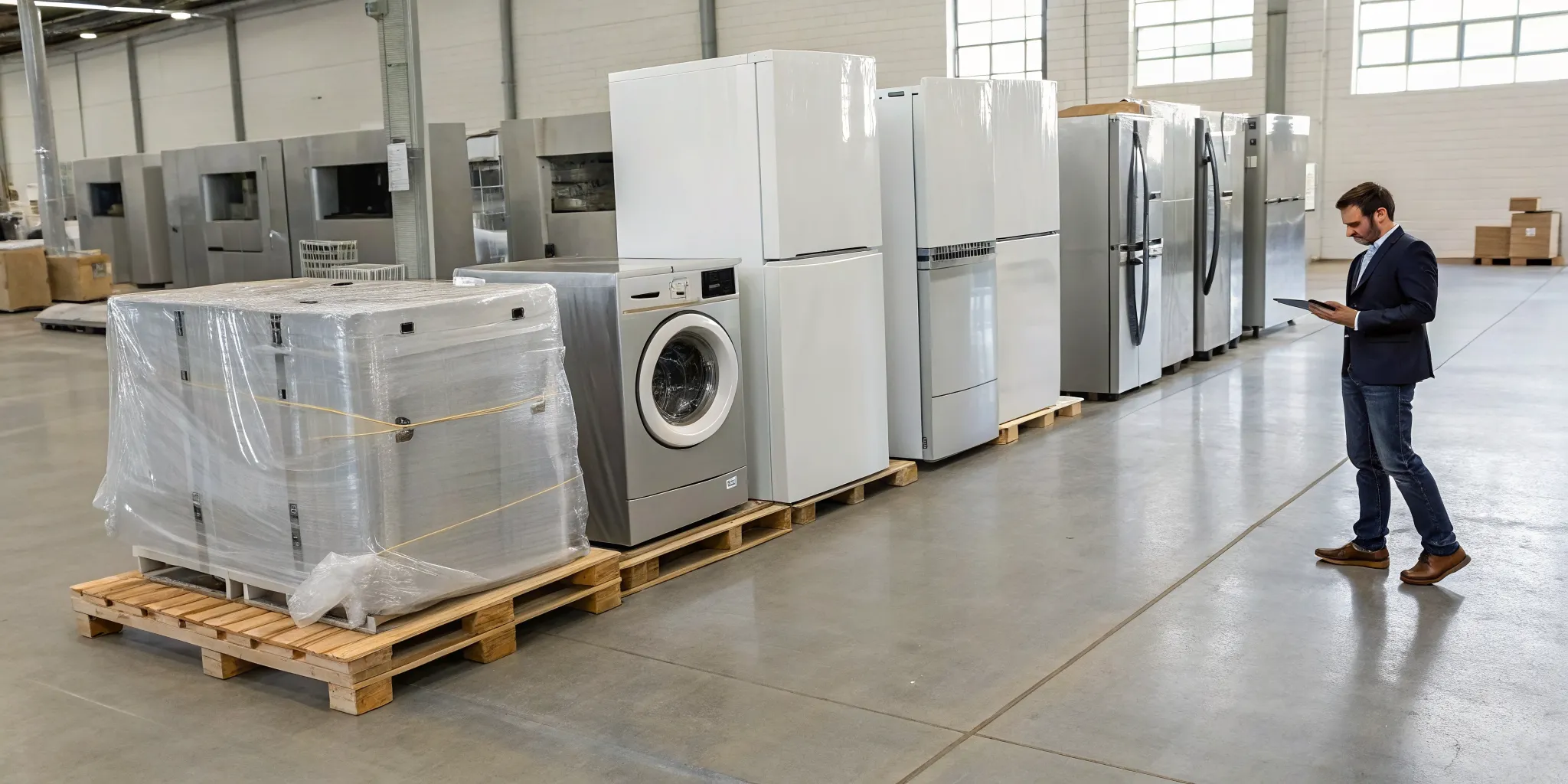
That dream kitchen renovation with shiny, new appliances can feel out of reach when you see the price tags at big-box stores. But what if you could get those same high-end refrigerators, dishwashers, and air fryers for 50-90% off retail? It’s not a gimmick; it’s the world of liquidation. Resellers have used this secret for years to build their businesses, but it’s also a fantastic way for savvy homeowners to score incredible deals. The key is knowing where to buy appliance pallets auction listings that are open to the public. This article will show you exactly how to find and win these deals.
Key Takeaways
- Analyze listings before you bid: Your profit is made before you win the auction. Scrutinize the manifest for item conditions and brands, then research their resale value to know exactly what a pallet is worth to you.
- Create a budget and stick to it: Avoid overpaying by calculating your maximum bid ahead of time. Factor in the buyer's premium, potential repair costs, and your desired profit margin, then refuse to go a penny over that number.
- Plan for imperfections and start small: Remember that liquidation items aren't always perfect. Build a buffer into your budget for damaged goods, and if you're new, start with smaller auctions to learn the ropes without a large financial risk.
What Are Appliance Pallets and How Do Auctions Work?
If you've ever dreamed of scoring major deals on appliances, either for your own home or to resell for a profit, then you need to get familiar with appliance pallets. Buying liquidated goods through an auction might sound complicated, but it's actually a straightforward way to get your hands on high-quality items for a fraction of their retail price. Think of it as a treasure hunt where the prize is a brand-name refrigerator or a pallet full of sought-after kitchen gadgets.
The whole process is designed to move inventory that retailers can no longer sell in their stores. This creates a fantastic opportunity for savvy shoppers and entrepreneurs. Instead of paying full price, you get to bid against others, which often means you can secure incredible value. Whether you're a small business owner looking to stock your inventory or a homeowner hoping to upgrade your kitchen on a budget, understanding how these auctions work is the first step toward finding amazing deals.
What Exactly Is an Appliance Liquidation Pallet?
An appliance liquidation pallet is essentially a large, shrink-wrapped bundle of appliances sold in bulk by a retailer or a liquidation company. These aren't just random items thrown together; they often come from major retailers clearing out inventory. The reasons for liquidation vary. It could be overstocked items, products from a store that is closing, customer returns, or items with minor cosmetic damage like a scratch or a dent.
You can find a wide range of products on these pallets, from large appliances like washers and dryers to smaller electronics and appliances like microwaves, air fryers, and coffee makers. Each pallet is different, which is part of the excitement. You’re buying a curated lot of goods with huge potential.
How the Bidding Process Works
The auction process is simple and exciting. Once a pallet is listed, the auction begins, and you can place bids on it. You’ll be competing with other bidders, and the price increases with each new bid. The person with the highest bid when the auction timer runs out wins the pallet. It’s a transparent system where you can see the current price and decide how much you’re willing to pay.
Some platforms, including Quickbidz, also offer a "Buy Now" option on certain items. This lets you purchase a pallet immediately at a set price, skipping the bidding process entirely. This is a great feature if you see something you really want and prefer not to wait. You can learn more about the specifics of the auction process on our How It Works page.
What You Need to Get Started
Getting started is easier than you might think. First, you'll need to register an account on the auction platform. Next, take some time to read the terms and conditions. This is a crucial step, as it outlines everything you need to know about payment, pickup procedures, and the condition of the items.
Before you place your first bid, set a clear budget for yourself. Decide the maximum amount you're willing to spend on a pallet and stick to it. Finally, do a little research. Look at the manifest, which lists the items on the pallet, and check the retail value of those items. You can even review past auctions to get a feel for what similar pallets have sold for.
What Kinds of Appliances Can You Find?
When you start exploring appliance liquidation auctions, you’ll discover an incredible range of products. The inventory is always changing, which is part of the fun. One week you might find a pallet of high-end coffee makers, and the next, a truckload of refrigerators. This variety comes from major retailers who need to clear out customer returns, shelf pulls, or overstock items. For a reseller, this means you get access to a constantly refreshed source of inventory.
The key is to check the listings frequently. At Quickbidz, we get new items daily, so there’s always a fresh opportunity to find exactly what you’re looking for. Whether you specialize in large home appliances or small kitchen gadgets, you can find pallets that fit your business model. The sheer diversity means you can either stock up on a specific type of product or get a mixed lot to offer your customers a wider selection. It’s a bit like a treasure hunt where the prize is high-quality inventory at a fraction of the retail cost.
Finding Large Appliances
If you’re looking to make a significant profit on a single item, large appliances are where you should focus your attention. Liquidation auctions are a fantastic source for big-ticket items like refrigerators, washing machines, dryers, ovens, and dishwashers. These are often products that were returned to a major retailer for a minor cosmetic flaw, like a scratch or a dent, or were simply floor models. For a reseller, this is a golden opportunity. You can acquire a high-value appliance for a low price, and after a quick clean-up or minor repair, sell it for a healthy profit. You can browse the current Electronics & Appliances to see what’s available right now.
Discovering Small Kitchen Gadgets
Don’t overlook the power of small appliances. Pallets filled with kitchen gadgets like air fryers, stand mixers, blenders, and espresso machines are incredibly popular and can be very profitable. These items are often in high demand and are much easier to store, test, and ship than their larger counterparts. Sometimes you’ll find pallets dedicated to a single type of product, while other times you’ll find mixed lots with a fun variety of gadgets. This is a great way to stock an online store or a local market stall with a diverse range of products that appeal to a broad audience. Exploring the different categories can give you an idea of the possibilities.
Which Brands Might You See?
One of the best parts about buying appliance pallets is that you’re often getting products from well-known, trusted brands. Because the inventory comes from major retailers like Best Buy, Macy’s, and Walmart, you’ll find names you and your customers recognize, such as Samsung, LG, Whirlpool, and KitchenAid. This isn’t generic, no-name merchandise. You’re bidding on quality items that people are actively searching for. Having brand-name products gives your resale business instant credibility and makes it easier to attract buyers. You can always look through past auctions to get a feel for the types of brands that regularly appear.
Where Can You Buy Appliance Pallets?
Once you know what you're looking for, the next step is finding a reliable place to buy appliance pallets. You'll want a source that offers a good mix of products at prices that leave plenty of room for profit. It’s also important to find a platform that’s transparent and easy to use, so you can bid with confidence. For resellers, especially those just starting out, finding a trustworthy supplier is the foundation of your business. You can find pallets from large national liquidators, but the shipping costs can quickly eat into your profits. That's why many resellers prefer to work with local auction houses. A local source simplifies logistics, making pickup faster and cheaper. It also gives you a chance to build a relationship with the seller, which can lead to better deals and first-dibs on new inventory down the line. When you're vetting potential suppliers, look for clear descriptions, photos, and a straightforward bidding process. A good platform will make you feel informed, not confused. If you're in the Dallas-Fort Worth area, you have a fantastic option right here that checks all these boxes and helps you keep your overhead low.
Find Premium Appliance Pallets at Quickbidz
If you're looking to buy appliance pallets for profit, Quickbidz is your go-to platform in the DFW area. We frequently feature pallets packed with a variety of electronics and appliances, giving you a diverse range of products to offer your customers. This variety is key to attracting a wider audience and maximizing your potential returns. Our auction model is designed to help you get name-brand products at seriously low prices, often between 50-90% off retail. This allows you to acquire high-quality inventory at a fraction of its value. You can even browse past auctions to get a feel for final bid prices. Our bidding process is simple, with new auctions running daily, so you always know what you’re bidding on.
How Much Do Appliance Pallets Cost?
Figuring out the cost of an appliance pallet is a key step in your reselling plan. The price isn't just your winning bid; it's a combination of factors that can vary from one auction to the next. While you can find truckloads of appliances for tens of thousands of dollars, most resellers start with single pallets, which are much more affordable. Understanding the typical price range, watching for extra charges, and knowing how to calculate your potential profit will help you make smart, confident bids. Let's walk through what you need to know to budget correctly and set yourself up for a successful flip.
What's the Average Price Range?
The cost of an appliance pallet can swing dramatically based on what’s inside. A pallet of small, open-box kitchen gadgets will have a very different price point than one with scratch-and-dent refrigerators. Large-scale operations might buy full truckloads from major retailers for over $15,000, but that’s not where most people start. At Quickbidz, you can bid on individual pallets, which makes getting into the game much more accessible. The final price depends on the original retailer, the condition of the items, and how many other people are bidding. Your best bet is to watch a few auctions first to get a feel for what similar pallets sell for.
Watch Out for Hidden Fees
One of the biggest mistakes new bidders make is forgetting to account for fees beyond the bid price. Nearly every auction platform has additional costs, and they can eat into your profits if you aren't prepared. The most common fee is the buyer's premium, which is a percentage of the winning bid that you pay to the auction house. You also need to consider pickup or shipping costs. Before you place your first bid, always read the auction's terms and conditions. A good platform will clearly explain all potential charges on a page that details how it works. Factoring these costs in from the start ensures your "great deal" is actually a great deal.
How to Calculate Your Potential Profit
Before you get excited about a pallet, you need to do some quick math to see if it's worth your time and money. Start by researching the estimated resale value of the items listed on the manifest. Then, add your maximum bid to all the expected fees (like the buyer's premium) to find your total cost. The difference between the estimated resale value and your total cost is your potential profit. You can get a good idea of final sale prices by looking at past auctions on the platform. Remember to also account for your time, any potential repair costs, and marketplace fees if you plan to sell the items online.
How to Choose the Right Auction Platform
Finding the right place to buy your appliance pallets is just as important as finding the right pallet to bid on. Not all auction sites are created equal, and picking a reliable one can make all the difference between a profitable haul and a frustrating experience. A great platform offers transparency, clear communication, and a solid track record. Before you get caught up in the excitement of bidding, take a moment to evaluate where you’re spending your money. A little due diligence now will save you a lot of headaches later and set you up for a much smoother reselling business.
Check the Seller's Reputation
The first thing you should do is look into the auction platform's reputation. Sticking with known, trusted sellers is one of the smartest ways to reduce your risk. A platform with a long history of successful sales and happy customers is always a better bet than a brand-new site with no track record. Look for customer reviews and see what other resellers are saying. A reputable company will be transparent about its process and provide clear information. You can often get a feel for a platform by looking through its past auctions to see the types of products they’ve sold and the prices they’ve fetched.
Look for Detailed Product Manifests
A detailed product manifest is your best friend when buying appliance pallets. This document lists everything included in the pallet, and the more detail it has, the better. Be wary of listings with vague descriptions or just a few shiny photos, as they can sometimes hide a pallet full of junk. A good manifest will specify item types, brands, and sometimes even model numbers and condition codes. Some pallets are sold as "unsorted returns," which means the condition of each item is a mystery. While this can sometimes yield treasures, it’s a bigger gamble. Always scrutinize the manifest for clarity before placing a bid.
Review the Support and Return Policies
Before you commit to a bid, make sure you understand the platform’s rules. Every auction site has different policies, so it’s important to read the fine print. Check the platform's help section to learn about the return policy (or lack thereof), any buyer’s premiums, and other fees that might apply to you. Also, pay attention to the pickup and removal rules. If you win a pallet of large appliances, you’ll likely be responsible for dismantling and removing them yourself. Knowing these details upfront ensures there are no surprises after you’ve already won the auction and it's time to collect your items.
How to Analyze a Pallet Listing Before You Bid
Before you place your first bid, it’s time to put on your detective hat. A thorough look at a pallet listing is the single best thing you can do to protect your investment and set yourself up for a profitable flip. Every auction platform is different, but the best ones provide clear, detailed listings that give you a solid idea of what you’re getting. At Quickbidz, we aim for transparency so you can bid with confidence. Knowing what to look for in a manifest, how to interpret item conditions, and how to spot potential red flags will help you find the best appliance pallets and avoid any costly surprises. Think of it as doing your homework; it pays off every time.
Learn to Read Manifests and Condition Grades
The manifest is your best friend. It’s the itemized list of everything included on the pallet, and it’s where you’ll find the most important details. Pay close attention to the condition grades for each item. You’ll often see terms like "Like New," "Functional," or "For Parts." These grades directly impact the potential resale value and the amount of work you might need to put in. A pallet full of "Like New" items is a goldmine, while one with "For Parts" items is better for someone who can repair appliances or sell the components. It’s always a good practice to verify the condition grade so you can accurately estimate your potential profit before you bid.
Decode Appliance Conditions
It’s important to remember that liquidation merchandise is sold for a reason. It could be anything from simple overstock to customer returns with cosmetic damage or functional issues. Understanding this helps you set realistic expectations. An "untested customer return" could be a perfectly good microwave that someone returned because they didn't like the color, or it could be one that doesn't turn on. The price you're willing to pay should reflect that risk. As experts suggest, it's something you need to keep in mind when buying pallets. Being prepared for a few duds is part of the game, but the wins can more than make up for them.
How to Spot Red Flags in a Listing
While you’re looking for great deals, keep an eye out for listings that seem too good to be true. A listing with a perfect manifest and slick, professional photos can sometimes hide a junk load if you’re not careful. The most reliable listings use actual photos of the pallet you’re bidding on, not stock images. Experienced resellers often warn others to watch out for ads with showroom-perfect pallets, as they might not represent the true condition of the items. Authentic photos showing the items in their boxes, even with some wear and tear, are usually a sign of a more transparent seller.
Smart Bidding Strategies for Winning Auctions
Winning at auction is more than just luck; it’s about having a solid game plan. Going in with a clear strategy helps you avoid the thrill of a bidding war that can lead to overpaying. When you bid with intention, you’re more likely to secure the appliance pallets you want at a price that makes sense for your bottom line. These proven strategies will help you place smarter bids and increase your chances of walking away with a great deal.
Set a Firm Budget and Stick to It
The most important rule of auction buying is to know your limit before you even place your first bid. It’s easy to get caught up in the excitement, so do your homework first. Calculate the maximum price you’re willing to pay for a pallet by estimating the resale value of the appliances, then subtracting your desired profit margin and any associated fees. Once you have that number, commit to it. A firm budget is your best defense against buyer’s remorse and ensures you can make a successful purchase that leaves you ready for the next bargain. You can even browse past auctions to get a feel for what similar pallets have sold for.
Time Your Bids for the Best Chance
When you place your bid can be just as important as how much you bid. Some bidders like to place a bid early to establish themselves, while others prefer to wait until the final moments. This second strategy, often called "sniping," can be effective because it gives other bidders less time to react and place a counter-bid. The best approach is to watch a few appliance pallet auctions to see how they unfold. Pay attention to when the bidding activity heats up. This will help you develop a feel for the auction’s rhythm and decide on a timing strategy that works for you.
Bid on Multiple Auctions at Once
Don’t put all your hopes on a single pallet. With thousands of items moving through platforms like Quickbidz, there are always new opportunities right around the corner. By bidding on several different pallets, you increase your odds of winning at least one without getting into a costly bidding war. If the price on one pallet goes beyond your budget, you can simply let it go and focus on the others. This approach helps you stay detached and make decisions based on profit potential, not emotion. Check out all the product categories to find multiple auctions that fit your business needs.
Know When to Use the "Buy Now" Option
While many auctions run until the final second, some listings include a "Buy Now" option. This feature allows you to purchase the pallet immediately for a set price, bypassing the bidding process entirely. This can be a smart move if the price is right. If you’ve done your research and the "Buy Now" price falls comfortably within your budget and allows for a healthy profit, grabbing it can save you time and the stress of a potential bidding war. It removes all the uncertainty and guarantees the inventory is yours, which is a major advantage when you find a pallet you really want.
Common Mistakes to Avoid When Buying Pallets
Jumping into appliance pallet auctions is exciting, but it's easy to make a few wrong turns if you're not careful. Getting a great deal means being a smart bidder, and that involves knowing which common pitfalls to sidestep. A little preparation can be the difference between a profitable haul and a pallet full of problems. Let's walk through some of the most frequent mistakes so you can bid with confidence and protect your bottom line.
Skipping Your Research
One of the biggest missteps you can make is bidding on a pallet without doing your homework first. It’s tempting to jump on a listing that looks good at first glance, but a few minutes of research can save you from a bad investment. Before you place a bid, investigate the items on the manifest. What is their average retail price? More importantly, what are they selling for on secondhand marketplaces? A quick look at past auctions can also give you a realistic idea of what similar pallets have sold for, helping you gauge a fair price and avoid overpaying.
Ignoring the Manifest Details
The manifest is your best friend when it comes to buying pallets, so don't just skim it. A listing with great photos can be misleading if you don't read the fine print. Scrutinize every detail, including brand names, model numbers, quantities, and condition codes. Some pallets are sold as "unsorted returns," which means the condition of each item is a mystery. While these can hold hidden gems, they also carry more risk. Taking the time to fully understand what you're bidding on helps you avoid costly mistakes and ensures there are no unwelcome surprises when your pallet arrives.
Bidding More Than You Can Profit
The thrill of a bidding war can be intense, but letting your emotions take over is a fast track to losing money. A common error is overestimating profit margins and bidding higher than you should. Before you even think about placing a bid, you need to calculate your potential profit. Factor in the final auction price, any buyer's premiums, transportation costs, and a buffer for potential repairs or unsellable items. Set a firm maximum bid for yourself and stick to it. Winning feels great, but winning profitably feels even better.
Assuming Everything Works Perfectly
It’s essential to remember that this merchandise is liquidated for a reason. These pallets often contain a mix of overstock, shelf pulls, and customer returns, so you can't expect every single item to be in pristine, ready-to-sell condition. Some appliances might have cosmetic blemishes, be missing parts, or need minor repairs. Smart buyers go into every purchase assuming a certain percentage of the pallet will be damaged or non-functional. By building this possibility into your budget, you can still turn a healthy profit even if a few items don't work out.
Weighing the Risks and Rewards
Buying appliance pallets can feel like a treasure hunt where the potential rewards are huge, but it’s smart to go in with a map. Like any business venture, it comes with a mix of exciting opportunities and potential challenges. The key is understanding both sides of the coin so you can make informed decisions that protect your investment and set you up for success. The biggest draw is the incredible profit potential, but you also have to be prepared for the reality of liquidation goods.
These pallets are often a mix of overstock, customer returns, and box-damaged items, which means not everything will be in perfect, out-of-the-box condition. This isn't a downside, it's just part of the business model. By balancing the thrill of finding high-value items with a practical strategy for handling the occasional dud, you can build a profitable and sustainable reselling business. Let’s break down what you need to consider before you place your first bid.
The Reward: High-Profit Reselling
The number one reason resellers get into appliance pallets is the potential for high-profit margins. Because you’re buying surplus merchandise in bulk, you can acquire inventory for "pennies on the dollar." This gives you a massive competitive advantage, allowing you to price your items attractively for buyers while still leaving plenty of room for profit. A single pallet can contain appliances that, when sold individually, add up to far more than your initial investment. Browsing through past auctions can give you a real-world sense of what items sell for, helping you spot opportunities for a great return on your money.
The Risk: Handling Damaged Items
It’s important to remember that "the merchandise is liquidated for a reason." While you can find brand-new items, you’ll also encounter customer returns, products with cosmetic flaws, or items that need minor repairs. Don’t let this scare you off; just plan for it. Set aside a small part of your budget for testing and potential repairs. Some resellers find success by selling non-working appliances for parts, ensuring nothing goes to waste. Understanding the condition codes on a manifest is your best defense, so be sure you know how it works on the platform you’re using.
Factor in Market Demand
A pallet of high-end blenders is only a good deal if people are actually buying high-end blenders. Before you place a bid, you need to understand what your customers want. Do some simple market research by checking what’s selling on local marketplaces or what’s popular in your area. Are people looking for air fryers, coffee makers, or vacuum cleaners? Having a clear idea of market demand will help you choose pallets with items that you can flip quickly. You can start by exploring the Electronics & Appliances category to see what’s currently available and trending.
How to Start Small and Scale Up
If you’re new to the world of liquidation, you don’t have to dive in headfirst by buying a massive pallet. A great strategy is to "get your feet wet" by starting with smaller lots or even single-item auctions. This approach allows you to learn the process, understand how to inspect and list items, and build your confidence without a huge financial commitment. Once you’ve had a few successful flips and feel comfortable with the workflow, you can scale up to bidding on full pallets and growing your inventory.
Related Articles
- Electronics & Appliances | Quickbidz
- Pallets | Quickbidz
- Pallet of Damaged Tv's (Parts)
- Pallet of Damaged Tv's (Parts)
- Laundry Room Washer and Dryer Countertop for Organization, 27.5" W x 54" L Solid Pine Wood Washer Dryer Countertop, Laundry Machine Topper with Edge Rails and Non-Slip Pads
Frequently Asked Questions
What happens if I win a pallet and find that many of the items are broken? This is a normal part of the liquidation business, so it's best to plan for it. Since you're buying items as-is, you should build a buffer into your budget for a certain percentage of non-working or damaged goods. Many successful resellers turn this into an opportunity by selling non-functional appliances for parts or learning basic repairs to restore an item's value. The key is to go in with realistic expectations; the incredible deals you get on the working items almost always make up for the few that don't.
Do I need a special license to buy and resell these appliances? The requirements for reselling can vary depending on where you live, so it's a good idea to check with your local city and state authorities. Many resellers operate with a general business license and obtain a reseller's permit, which allows you to buy inventory tax-free since you'll be collecting sales tax from your own customers. Taking a little time to understand the local rules in the Dallas-Fort Worth area will set your business up for smooth, long-term success.
How do I get my pallet home after winning an auction? Since Quickbidz is a local auction platform, you will be responsible for picking up your winnings. You'll need to bring a vehicle large enough to handle the size and weight of a pallet, such as a pickup truck, a van, or a trailer. Each auction has specific pickup times and instructions, so be sure to read the terms carefully before you bid. Planning your transportation ahead of time ensures you can get your new inventory back to your home or storage space without any hitches.
Is it better to start with a pallet of mixed appliances or one with similar items? This really depends on your business strategy. A mixed pallet is a fantastic way to test the market if you're just starting out. It gives you a variety of products to sell, helping you learn what your local customers are looking for without investing heavily in one type of item. A pallet of similar items, like all air fryers or all microwaves, is a great choice once you know what sells well and you're ready to stock up on a proven winner.
Can I see the pallets in person before I place a bid? Whether you can inspect a pallet beforehand depends on the auction platform's policy. Some local auction houses have preview days where you can look at the items in person. Others, especially online-focused platforms, rely on detailed manifests and clear photographs to show you exactly what you're bidding on. Always check the auction listing or the platform's help section for specific details on previews and inspections.