.png)
Top 5 Spots for Cheap Bulk Toys for Resale
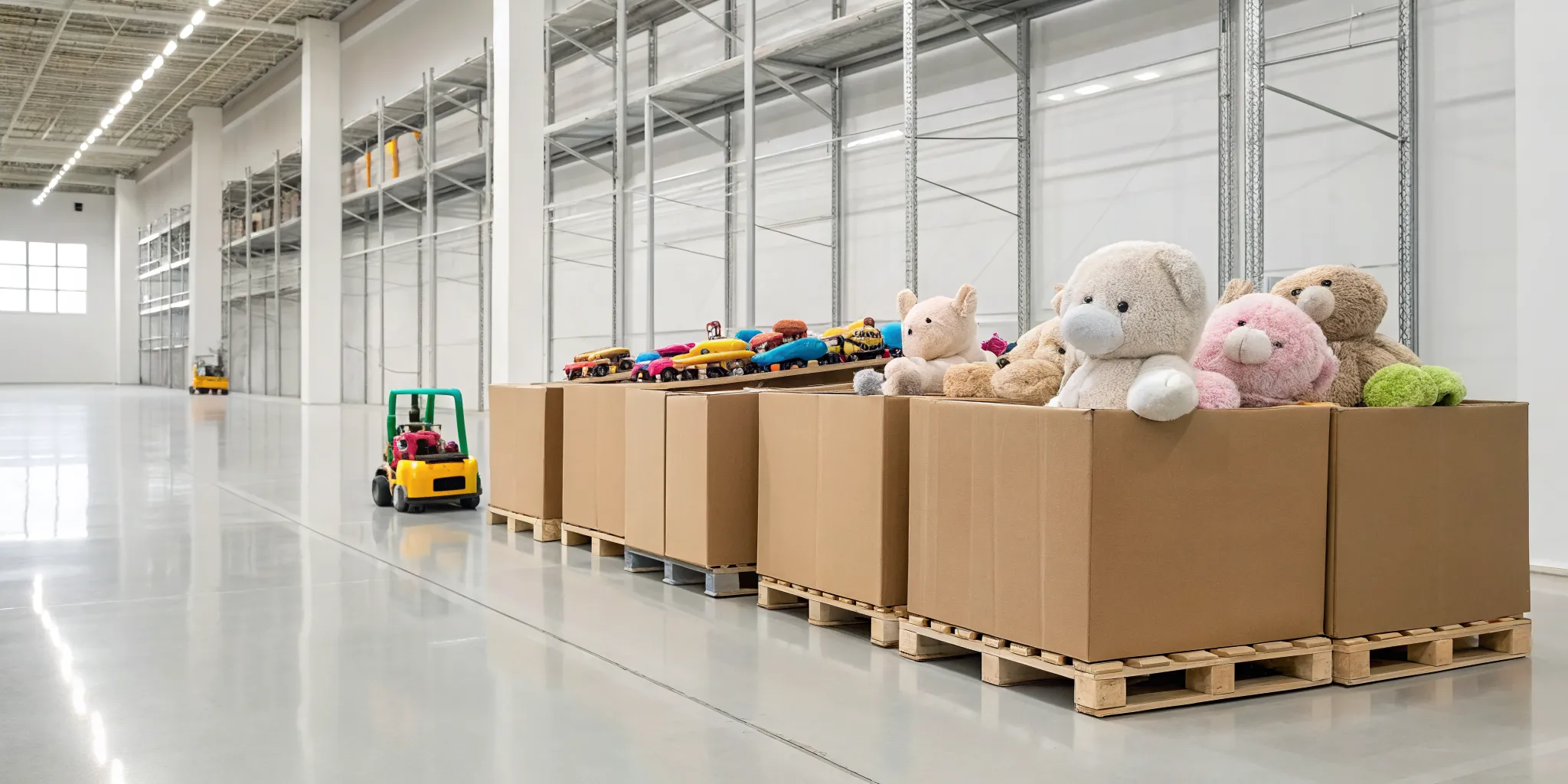
For resellers in the Dallas-Fort Worth area, one of the biggest hurdles to profitability is shipping. Freight costs can quickly eat away at your margins, turning a great deal into a break-even situation. That’s why local sourcing is such a game-changer. When you can find bulk toys for resale cheap right in your own backyard, you eliminate those costly fees and can pick up your inventory the same day you win it. This guide is designed with the DFW reseller in mind, starting with the best local options before exploring other essential strategies for building a successful and profitable toy business.
Key Takeaways
- Cut major costs by sourcing locally: Focus on finding suppliers in your area, like local auction houses, to get bulk toy pallets. This strategy helps you avoid expensive freight fees that can significantly reduce your profit margins.
- Stock a smart mix of popular and classic toys: Build an inventory that sells consistently by combining high-demand trendy toys with evergreen classics and seasonal items. This balanced approach ensures you have something for every customer and maintains a steady cash flow.
- Vet your suppliers and market your products effectively: Your success depends on more than just a good price. Thoroughly check your sources to ensure product quality, then create compelling online listings with clear photos and competitive pricing to turn your inventory into profit.
Where to Find the Best Deals on Bulk Toys for Resale
Finding a reliable source for inventory is the foundation of a successful resale business. When it comes to toys, the right supplier can mean the difference between a warehouse full of duds and a fast-turning, profitable operation. Your goal is to find quality toys at a price low enough to leave a healthy margin for profit, and that means looking beyond standard retail stores. The good news is that there are several avenues for sourcing bulk toys, each with its own set of benefits.
From local liquidation auctions and online wholesale platforms to direct-from-manufacturer deals, your sourcing strategy will likely involve a mix of channels. For resellers in the Dallas-Fort Worth area, local options present a huge advantage by eliminating costly shipping fees that can eat into your profits. Exploring these different avenues will help you find the best fit for your business model, whether you're just starting out with a few items or you're ready to scale up with full pallets of merchandise. Let's walk through the top five places to find amazing deals on bulk toys.
Start with Quickbidz for Discounted Toy Pallets
For resellers in the DFW area, your first stop should be a local auction house like Quickbidz. We specialize in liquidation, which means you get access to brand-name toys from major retailers at a fraction of the original cost. Buying toy pallets is an incredible way to acquire a large volume of mixed inventory for one low bid. The biggest advantage here is avoiding freight costs. Shipping massive boxes of toys across the country can destroy your profit margins, but with local pickup, you can load up your truck and be ready to sell the same day. It’s the most efficient way to get your hands on high-demand inventory without the logistical headaches.
Explore Online Wholesale Marketplaces
Online wholesale marketplaces connect you with distributors from all over the world. These platforms are great for researching different types of toys and getting a feel for wholesale pricing. You can often purchase toys in large quantities at a lower per-unit cost, which is essential for building a profitable retail business. However, be mindful of high minimum order quantities (MOQs) that can tie up your capital. You’ll also need to factor in international shipping costs and lead times, which can be significant. These marketplaces are a fantastic resource, but they require careful vetting of sellers and a clear understanding of the total landed cost.
Go Straight to Manufacturers and Factory Outlets
If you’re ready to buy in very large volumes, going directly to a toy manufacturer can offer the lowest possible prices. This route gives you a direct line to the source, cutting out any middlemen. When you work with a reputable toy manufacturer, you also have more assurance of product quality and safety compliance, which is critical in the toy industry. This option is typically best for established businesses, as manufacturers often require a business license and have very high MOQs. If you have the capital and storage space, building a relationship with a manufacturer can be a game-changer for your business.
Scout Liquidation Sites and Closeout Retailers
Liquidation and closeout sites are treasure troves for resellers. These are where you’ll find overstock inventory, shelf pulls, and customer returns from big-box stores. This is how you can get popular, brand-name toys for pennies on the dollar. A key tip is to work with legitimate liquidators. A professional operation will be transparent about its process and may require you to have a reseller’s permit. You can check out past auctions to get a sense of the types of products and final prices you can expect. This sourcing method provides access to premium goods that you can flip for a significant profit.
Check Out Local Warehouse Sales
Never underestimate the power of sourcing locally. Beyond auctions, keep an eye out for local warehouse sales from distributors or other retailers in the DFW area. The benefits are similar to local pickup from an auction: you can inspect the inventory yourself, avoid shipping costs, and take your products home immediately. Building relationships with local suppliers can also lead to exclusive deals and first looks at new inventory. Good customer service and trust are invaluable, and you’re more likely to find that with a supplier you can meet face-to-face. It’s a great way to build a reliable, local sourcing network.
What Types of Toys Should You Buy for Maximum Profit?
Walking into a warehouse full of toys can feel like a dream, but if you’re buying for resale, you need a strategy. Not every toy is a guaranteed bestseller, and the last thing you want is a garage full of inventory that won’t move. The key to making a profit is knowing what to look for before you even place a bid. It’s about balancing the hot new trends with the timeless classics that parents buy year after year.
Think of yourself as a curator. Your job is to find the hidden gems in bulk lots and toy pallets that will fly off your shelves. This means staying on top of what’s popular, understanding different market segments, and recognizing the long-term value of certain brands. By focusing on specific categories, you can build an inventory that appeals to a wide range of customers and keeps your cash flow healthy. From evergreen favorites to educational toys, let’s break down the most profitable types of toys to source for your resale business.
Find High-Demand Toys That Sell Fast
High-demand toys are the ones currently buzzing on playgrounds and in parenting blogs. These are often tied to a new movie release, a viral social media trend, or a popular TV show. Sourcing these toys can lead to incredibly fast sales because everyone is looking for them right now. The trick is to identify these trends early and act quickly. A great way to stay informed is by following toy industry news and seeing what products are getting major marketing buzz. Keeping a diverse inventory helps you meet these immediate customer demands and builds your reputation as a go-to source for the latest and greatest toys.
Stock Up on Evergreen Classics
While trendy toys create a flash of excitement, evergreen classics provide the steady, reliable income that forms the backbone of a successful resale business. These are the toys that have been popular for generations: think building blocks, classic board games, dolls, and art supplies. Parents trust these brands and often buy them for their own children out of nostalgia. These items aren't subject to the whims of passing fads, so you can stock them with confidence, knowing they will always have a market. You can often find these timeless treasures in bulk auctions, allowing you to acquire dependable inventory at a fantastic price.
Capitalize on Seasonal and Holiday Toys
Timing is everything, especially in the toy business. Seasonal and holiday-themed toys offer a massive opportunity for profit if you plan ahead. Think about stocking up on outdoor toys like water guns and pool floats before summer hits, or sourcing costumes and spooky-themed items ahead of Halloween. The winter holidays are, of course, the biggest season of all. By securing the year’s most anticipated toys a few months in advance, you’ll be perfectly positioned to meet the holiday rush. This strategy requires some forecasting, but the payoff from these peak sales periods can be enormous.
Tap into the Educational and STEM Toy Market
More and more, parents are looking for toys that do more than just entertain; they want products that teach. This has created a booming market for educational and STEM (Science, Technology, Engineering, and Math) toys. Items like coding robots, science experiment kits, and intricate building sets are incredibly popular. These toys appeal to a specific customer base that is often willing to invest more in products that support their child’s development. By offering a selection of educational toys, you can attract a loyal group of customers who value learning through play and see you as a source for quality, enriching products.
Look for Licensed Characters and Trending Brands
Brand recognition is a powerful sales tool. Toys featuring characters from big franchises like Disney, Marvel, Star Wars, or popular video games have a built-in audience. Kids see their favorite characters on screen and immediately want the corresponding merchandise. Sourcing toys from these well-known brands is a smart move because the marketing is already done for you. Keep an eye on upcoming movie releases and new seasons of popular kids' shows to anticipate which characters will be in high demand. Finding these items in our Sports, Toys & Games auctions can be like striking gold, as their popularity often guarantees a quick and profitable sale.
How to Ensure Quality When Buying in Bulk
Getting a fantastic deal on bulk toys feels amazing, but that excitement can fade fast if the products are poor quality. Protecting your investment and your reputation means doing a little homework before you buy. When you're sourcing inventory, especially from liquidation or wholesale suppliers, you need a solid game plan to make sure you’re getting toys that will actually sell and delight your customers. Think of it as your quality control checklist. It might seem like a few extra steps, but trust me, it will save you major headaches and money down the road.
Vet Your Suppliers Thoroughly
Your supplier is your partner in this venture, so you want to choose wisely. A trustworthy supplier is transparent about their process and the condition of their goods. Look for sources that provide clear, detailed descriptions and photos of their products. Retailers often stick with wholesalers that offer a wide variety of products, giving them more options to meet customer demands. When you find a supplier like Quickbidz, check out their past auctions to get a feel for the types of items they offer and the prices they go for. This helps you build confidence in who you’re buying from.
Ask for Samples and Safety Certifications
When working with traditional wholesalers, don't be shy about asking for samples before committing to a large order. This is the best way to physically inspect a toy’s quality. For liquidation auctions, getting a sample isn't usually possible. Instead, you’ll rely on the supplier’s reputation and the detailed information they provide. Also, always inquire about safety certifications. Reputable manufacturers and suppliers should be able to confirm their products meet safety standards, which is a non-negotiable when you’re selling toys for children. This simple step helps ensure you’re sourcing products that are safe and well-made.
Understand Product Conditions and Grades
Not all bulk inventory is brand new, and that’s okay! The key is to know exactly what you’re buying. Liquidation inventory can include overstock, shelf pulls, or customer returns, and each comes with different expectations. A pallet of "customer returns" will have a higher potential for damaged items than a pallet of "overstock." Be sure to read the manifest or description carefully. Understanding the condition helps you calculate your potential profit margins accurately, especially since shipping costs can eat into your profits on lower-priced items. Check out the Sports, Toys & Games category to see how conditions are described.
Verify Compliance with Safety Standards
This is a big one. Selling toys comes with a responsibility to ensure they are safe for kids. A reliable supplier will have quality control systems in place to meet these expectations. Familiarize yourself with the required U.S. safety standards for children's products. This includes things like checking for small parts on toys for young children or ensuring materials are non-toxic. Verifying compliance protects your customers and your business from potential liability. If a supplier can't provide this information, it’s a major red flag.
Review Return Policies and Guarantees
Before you place a bid or make a purchase, make sure you understand the seller’s return policy. Traditional wholesalers often have straightforward return processes for defective goods, which can offer peace of mind. However, liquidation and auction sites like Quickbidz typically sell items "as-is." This is part of why the prices are so low. It doesn't mean you're left in the dark; it just means you need to do your due diligence upfront. Read the terms and conditions on the How It Works page so you know exactly what to expect before you commit.
How to Evaluate Bulk Toy Suppliers
Finding a source for cheap toys is one thing, but finding a reliable source is what will make or break your resale business. A great supplier is a true partner, helping you keep your virtual shelves stocked with high-quality products that your customers will love. But with so many options out there, how do you separate the great ones from the ones that will leave you with a pallet of broken toys and a headache? It comes down to doing a little homework before you commit.
Think of it like hiring a new team member. You want to check their references, understand their work style, and make sure they’re a good fit for your business goals. Evaluating a supplier involves looking at more than just the price tag. You’ll want to consider their stability, how they handle payments, their communication style, and what other resellers have to say about them. Taking the time to vet your suppliers thoroughly upfront will save you a ton of time, money, and stress down the road. It’s the foundation of a profitable and sustainable toy resale business.
Assess Their Supply Chain Stability
A supplier’s great prices don’t mean much if they can’t consistently get you the products you need. Supply chain stability is all about reliability. Can they handle your order volume? Do they have a track record of shipping on time? A stable supplier has a solid system for managing their inventory and fulfilling orders, which means you won't be left scrambling when a popular toy suddenly sells out. You can often gauge this by asking about their stock levels and how they handle backorders. A supplier with a dependable supply chain is usually serving many retailers at once, which is a good sign of a healthy operation.
Compare Pricing and Payment Terms
Of course, price is a huge factor. Your goal is to find toys at a low enough cost to turn a healthy profit. When comparing suppliers, look at the per-unit price, but don't stop there. Dig into any additional costs like shipping, handling, or minimum order requirements. Just as important are the payment terms. Some suppliers require full payment upfront, while others might offer more flexible payment options. For a small business, having the flexibility to pay in 30 or 60 days can make a huge difference in managing your cash flow. Don't be afraid to ask what they can offer; the right terms can be just as valuable as a lower price.
Test Their Customer Service and Communication
Imagine you receive a pallet of toys with damaged boxes. Who do you call? How quickly will they respond? This is where customer service is critical. Before you place a big order, test their communication. Send them an email with a few questions or give them a call. Are they responsive, knowledgeable, and friendly? A supplier who is hard to reach before a sale will likely be impossible to find when there’s a problem. Good customer service builds trust and shows that they value your business, making them a partner you can count on for the long haul.
Check Their Reputation with Reviews and References
You wouldn't buy a car without checking reviews, so don't buy thousands of dollars in inventory without doing the same. Do some digging online for reviews or testimonials from other resellers. Search for the company’s name on forums or in social media groups to see what people are saying. A reputable supplier should also be willing to provide references from other clients. For an extra layer of security, especially with a new supplier, always ask for product samples before committing to a large purchase. This lets you personally inspect the quality and ensure the toys meet your standards and your customers' expectations.
Review Their Product Range and Customization Options
Finally, make sure the supplier’s inventory aligns with your business niche. Do they carry the types of toys you want to sell, whether it's trending brands or classic games? A supplier with a wide and frequently updated product range gives you more options to keep your own store fresh and exciting. While many resellers focus on existing brands, some suppliers also offer customization options. This is more common with direct manufacturers, but it's worth asking about if you ever decide you want to create your own unique product line. A supplier who understands market trends and offers a diverse selection is an invaluable asset.
How to Market and Sell Your Toy Inventory
Once you’ve secured your inventory, the next step is turning those toys into profit. Having a great product is just the beginning; a smart sales and marketing plan is what will make your resale business thrive. It’s all about connecting your fantastic finds with the right buyers. This means knowing who you’re selling to, pricing your items correctly, and creating listings that grab attention. With a little strategy, you can build a loyal customer base that keeps coming back for more. Let’s walk through the key steps to effectively market and sell your toy inventory.
Pinpoint Your Target Market and Sales Channels
Before you list a single toy, take a moment to think about who you’re selling to. Are you targeting parents looking for affordable birthday gifts, or are you catering to serious collectors searching for rare finds? Understanding your audience is the foundation of a solid marketing plan. Once you know your ideal customer, you can choose the best places to sell. Online marketplaces like eBay or Facebook Marketplace are great for reaching a broad audience, while local flea markets can be perfect for moving a lot of sports, toys, and games quickly. If you plan to build a brand, creating your own simple e-commerce website might be the right move.
Price Your Toys Competitively
Pricing can feel like a tricky balancing act, but it doesn’t have to be. The key is to start with a low cost per item, which is easier when you buy in bulk. Sourcing from liquidation auctions, especially by purchasing entire pallets, gives you the margin you need to be competitive. Before setting a price, do a little research. See what similar toys are selling for on the platforms you plan to use. Remember to factor in all your costs, including marketplace fees, shipping supplies, and your time. Your goal is to find that sweet spot where customers feel they’re getting a great deal and you’re still making a healthy profit.
Write Compelling Product Listings
When you sell online, your product listing does all the talking. Great photos are non-negotiable. Use natural light, take pictures from multiple angles, and be upfront about any scuffs or damage to the packaging. In your description, be as detailed as possible. Include the brand, model, dimensions, and condition. Use keywords that a potential buyer might search for. Think about what makes your item special and highlight it. You can look at past auctions to see how different products are described and photographed to get some ideas for creating listings that stand out and build trust with buyers.
Develop a Smart Promotion Strategy
Don’t just list your items and hope for the best. A little promotion can go a long way. Use social media to your advantage by sharing photos of your new inventory on platforms like Instagram or in local Facebook groups. You can also run special offers, like a weekend sale or a discount for bundling multiple items. This is especially effective around holidays when toy sales naturally spike. Think creatively about how you can package different items together from various categories to create unique gift sets that offer great value and help you move more inventory at once.
Build Relationships for Repeat Business
A one-time sale is good, but a repeat customer is even better. Building a reputation for excellent customer service is one of the best ways to ensure long-term success. Always respond to questions promptly and politely. When you make a sale, ship the item quickly and package it securely to prevent damage. A simple handwritten thank-you note can also make a big impression. By providing a positive experience, you build the trust that encourages customers to buy from you again. Being clear and helpful, much like a good How It Works page, sets expectations and makes people feel confident in their purchase.
Related Articles
- Toys
- Wind Up Toy, 28 Pack Assorted Clockwork Toy Set, Wind Up Animal Party Favors Toy Great Gift for Boys Girls Kids Toddlers (Contents and Color May Vary)
- CRAFTY HAPPITOYS Rainbow Painting Set for Kids 12 Pcs - Bulk Stockings & Birthday Goodie Bag Stuffer - Kids Party Favors Toy Return Gifts - Pinata Stuffers - Classroom Treasure Box Carnival Prizes
- Extra Large Toy Storage Box with Lid, Collapsible Sturdy Toys Chest Storage Organizer Bin Basket with Divider for Kids, Boys, Girls, Closet, Playroom, Bedroom, Nursery, 40"X14"X16", Beige & White
- Sports, Toys & Games | Quickbidz
Frequently Asked Questions
What's the real difference between overstock, shelf pulls, and customer returns? These terms tell you the story of where your inventory came from, which is key to understanding its condition. Overstock items are brand new products that a retailer simply ordered too many of; they have never been on a store shelf. Shelf pulls are also new but were displayed in the store, so the packaging might show minor wear from being handled. Customer returns are the most varied category, as they could be anything from an unopened gift to a product that was used and found to be defective. Knowing the difference helps you gauge the potential risk and reward of a particular lot.
Do I need a special permit to start reselling toys? While you can often start buying and selling casually without one, getting a reseller's permit (also called a seller's permit or sales tax ID) is a smart move if you're serious about your business. This permit allows you to buy inventory wholesale without paying sales tax, since the tax will be collected from your end customer instead. The requirements vary, so it's best to check with the Texas Comptroller's office for the specific steps to get registered. It makes your business official and can save you money on your inventory purchases.
I'm just starting out. Is buying an entire pallet of toys a good idea for a beginner? Buying a full pallet can be an amazing way to acquire a lot of inventory for a very low cost per item, but it's a big step. Before you jump in, be honest about the space you have for storage and the time you can commit to sorting, listing, and selling everything. If a full pallet feels too overwhelming, you can always start with smaller case lots or even mystery boxes to get a feel for the process. Some new resellers also partner with a friend to split the cost and the inventory of their first pallet.
How do I figure out how much to bid on a toy pallet at an auction? A smart bid is a researched bid. Before the auction begins, spend some time looking at the manifest or photos to identify a few of the higher-value items in the pallet. Then, look up what those specific toys are currently selling for on sites like eBay. This gives you a baseline for the pallet's potential resale value. From there, decide on your maximum bid by working backward, making sure to account for marketplace fees, shipping supplies, and the profit you want to make. The most important part is to set your maximum price and stick to it.
Besides selling online, what are some good local options for selling toys in the DFW area? Selling locally is a fantastic way to move inventory quickly and avoid shipping costs. Facebook Marketplace is a great starting point for listing individual items for local pickup. You can also join specific Dallas-Fort Worth buy, sell, and trade groups on social media that are focused on kids' items. For moving a large volume of toys at once, consider renting a booth at a local flea market or pop-up event. These venues attract bargain hunters who are ready to buy on the spot.