.png)
A Pro's Guide to Bulk Electronics Pallets for Sale
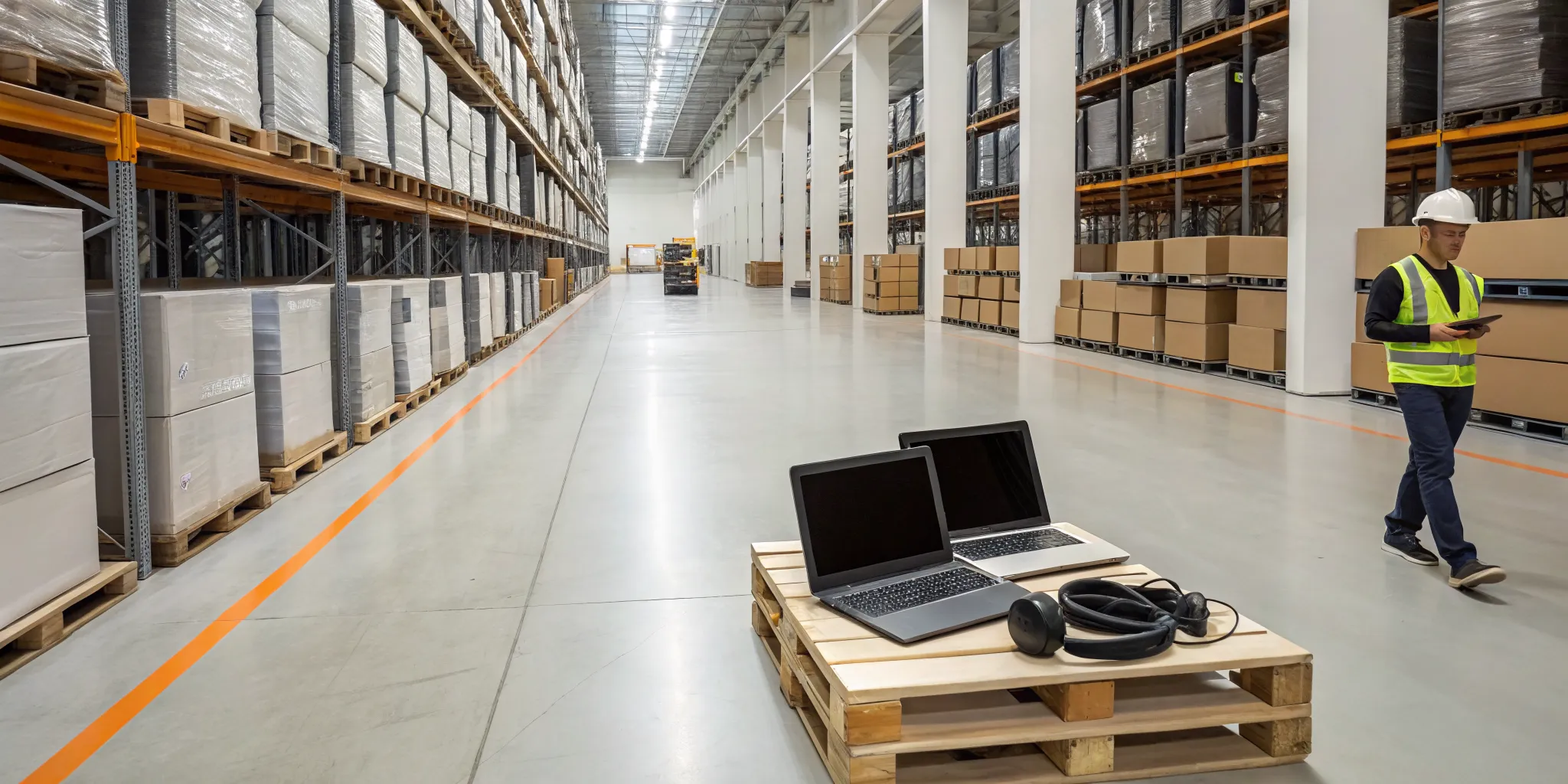 For resellers here in the Dallas-Fort Worth area, the cost of shipping can eat into profits before you've even listed your first item. That's why sourcing inventory locally is such a powerful advantage. Instead of dealing with cross-country freight, you can find amazing deals right in your own backyard. At Quickbidz, we connect local business owners and bargain hunters with premium merchandise at liquidation prices. If you're looking for bulk electronics pallets for sale, you don't have to look far. This guide will show you how to leverage local auctions to your advantage, evaluate pallets with confidence, and turn your finds into a thriving resale business without the shipping headaches.
Key Takeaways
- Analyze pallets before you bid: Your profit is often decided when you buy, not when you sell. Always review the manifest, understand item conditions, and calculate your total cost, including fees and transport, to know a pallet's real value.
- Develop a smart reselling strategy: Price items based on current market value by checking sold listings online. Create honest, detailed product pages with clear photos, and choose the right sales platform for each item to reach the most interested buyers.
- Start small and scale intelligently: Begin with lower-cost pallets to learn the process with minimal risk. Track your return on investment (ROI) for every purchase to make smarter buying decisions, and build a relationship with a trusted supplier for consistent inventory.
What Exactly Is an Electronics Pallet?
If you've ever dreamed of getting a massive haul of gadgets for a fraction of their retail price, you've probably heard of electronics pallets. Think of an electronics pallet as a giant mystery box for tech lovers and resellers. It’s a standard wooden pallet stacked high with various electronic goods, all shrink-wrapped together and sold as a single unit. For resellers and small business owners, buying pallets is a popular way to acquire a large volume of inventory at a deep discount.
The contents of these pallets can be a mixed bag, which is part of the appeal. You might find a collection of brand-new items, customer returns, or overstock products from major retailers. Each pallet is a unique treasure hunt, offering the potential for huge profits if you know what you're looking for. Whether you're aiming to stock your online store, supply a local flea market booth, or just find amazing deals for yourself, understanding what these pallets are is the first step. They represent an opportunity to buy in bulk and get access to products you might not otherwise be able to source affordably.
What's Inside an Electronics Pallet?
So, what can you actually expect to find when you cut open the plastic wrap? The contents of an electronics pallet can vary dramatically, but they are typically categorized by product type and condition. You might find a pallet dedicated to a single item, like smartphones, or a mixed lot of general consumer electronics and appliances. A single pallet can hold anywhere from 50 to 500 individual items, ranging from high-end brands to generic accessories.
The condition of the items is key. You’ll see terms like "new/unused," which are often factory-sealed or open-box products perfect for reselling at a premium. "Refurbished" items have been professionally restored to working order. Many pallets also contain customer returns, which can be a mix of perfectly fine products, slightly used items, or products that need minor repairs.
Where Do These Pallets Come From?
You might be wondering where all this merchandise originates. Most electronics pallets come from major retailers and e-commerce giants. When these companies have too much of a certain product (overstock), need to clear out seasonal items, or process customer returns, they often bundle these goods onto pallets. Instead of trying to inspect and restock every single returned item, it's more efficient for them to sell them in bulk to liquidation companies.
This process creates a win-win situation. The big retailers clear out their warehouse space, and savvy resellers get the chance to buy wholesale electronics without paying retail prices. It’s a direct pipeline from the retail world to your small business, giving you access to inventory that would otherwise be difficult to source. This is how you can get your hands on popular brands and in-demand gadgets at a price that leaves plenty of room for profit.
How the Buying Process Works
Getting started with buying pallets is pretty straightforward. The process usually involves finding a supplier, like an online auction site, and browsing their available pallets. Each listing should provide a manifest, which is a list of the items included on the pallet, along with their estimated condition and retail value. This is your most important tool for evaluating a potential purchase.
Before you place a bid, it’s crucial to do your homework. Carefully review the manifest, evaluate the condition of the products, and look for any red flags like mixed-condition items that aren't priced accordingly. You also need to consider logistics. Factor in costs like shipping or the logistics of picking up the pallet yourself. Understanding how it works on your chosen platform will help you make smarter, more profitable decisions from the very beginning.
Where to Find Electronics Pallets for Sale
Once you know what you’re looking for, the next step is finding it. Sourcing electronics pallets isn't a one-size-fits-all process. You have several options, each with its own pros and cons. The best place for you will depend on your budget, business size, and the type of inventory you want to sell. Exploring different avenues can help you find the perfect supplier for your resale business. Let's walk through the most common places to find quality electronics pallets for sale.
Bid on Pallets at Quickbidz
Starting your search locally is always a smart move, and that’s where we come in. At Quickbidz, you can bid on a wide variety of electronics pallets right here in the Dallas-Fort Worth area. Because we’re a local auction platform, you can often save a bundle on shipping costs. Beyond just electronics, we also offer pallets of general merchandise, home goods, and apparel, giving you plenty of options to diversify your inventory. Our auctions are straightforward and transparent, making it easy for you to find great deals on premium goods without the hassle of dealing with national shipping logistics.
Explore Major Liquidation Marketplaces
If you want to see a massive volume of inventory from major US retailers, large liquidation marketplaces are a great place to look. These online platforms host liquidation auctions where you can bid on surplus and customer-returned stock from big-name stores. You’ll find a huge range of products, from laptops and TVs to smaller gadgets and accessories. While the selection is vast, remember to factor in shipping costs, as these marketplaces are often national and will ship pallets from warehouses across the country. This option is excellent for resellers who want access to a steady stream of inventory from well-known brands.
Find Specialty Electronics Liquidators
For those who want to focus exclusively on electronics, a specialty liquidator is your best bet. These companies deal only in tech, so they often have a deeper understanding of the products they’re selling. Companies like Tech Liquidators, which is a Best Buy company, sell overstock and returned products directly from the source. Working with a specialist can give you access to more accurately graded items and specific categories of electronics, like computer components or mobile accessories. It’s a fantastic route if you’re building a niche business and need a consistent supply of specific tech products.
Go Direct to Retailers
If you’re ready to buy in larger volumes, you might consider going straight to the source. Many major retailers have their own business-to-business or liquidation programs that sell surplus and returned inventory directly to resellers. This approach can help you get products at a lower price by cutting out the middleman. However, it often requires a registered business and the ability to meet higher minimum purchase requirements. This path is typically best for more established resellers who have the capital and warehouse space to handle larger, more frequent inventory shipments.
How to Evaluate an Electronics Pallet
Finding a great electronics pallet is more than just luck; it’s about knowing what to look for. Before you place a bid, taking the time to properly assess a pallet can be the difference between a profitable flip and a garage full of duds. A smart evaluation process helps you understand the potential value, calculate your costs, and bid with confidence. It all comes down to a few key steps: understanding what you’re buying, reading the fine print, doing the math, trusting your source, and planning for the practical details. By looking at each pallet with a critical eye, you can spot the hidden gems and avoid the common pitfalls of liquidation buying. Let's walk through exactly how to do it.
Decode Item Conditions and Grades
First things first, you need to become fluent in condition codes. Not all electronics on a pallet are brand new, and their condition directly impacts their resale value. "New" or "Unused" items are often still in their factory-sealed packaging, making them the easiest to sell at a premium. You'll also see "Open-Box," which usually means the product is like-new but the packaging has been opened. Then there are "Refurbished" items, which have been professionally restored to working order. Understanding these grades helps you estimate the pallet's true worth and price your items correctly later on. When you browse electronics & appliances, pay close attention to these descriptions.
Read the Manifest Carefully
The manifest is your best friend when buying a pallet. This document lists everything included, from item names and quantities to model numbers and conditions. A detailed manifest is a sign of a transparent seller and gives you a clear picture of what you’re bidding on. Use it to research the retail value of the key items and identify any potential high-profit winners. Some pallets are categorized by type, like "smartphones only," while others are mixed. The manifest helps you decide if the pallet’s contents align with what you want to sell. You can look at past auctions to get a feel for how manifests are structured.
Calculate Your True Cost
Your final bid price is just one part of the equation. To figure out if a pallet is truly a good deal, you need to calculate your total investment. Start with your winning bid, then add any auction fees or buyer's premiums. Next, factor in logistics. How will you get the pallet home? Consider the cost of renting a truck or paying for shipping. You also need a place to store it, which might have its own costs. Adding all these expenses together gives you the pallet's true cost, which you can then use to determine your potential profit margin. Our guide on how it works can help you understand any associated fees.
Check the Supplier's Reputation
Where you buy your pallets from matters. A lot. Buying liquidation electronics always comes with some level of risk, but choosing a reputable supplier can save you a world of headaches. A trustworthy source will provide clear, accurate manifests, good photos, and a consistent track record of satisfied customers. Look for sellers who are transparent about item conditions and have a straightforward bidding process. Sourcing from a reliable platform like Quickbidz ensures you’re getting access to quality pallets and reduces the chances of ending up with a pallet full of junk.
Consider Packaging and Storage Needs
Finally, think about the practical side of things. Once you win a pallet, it's yours to handle. Before you bid, make sure you have a plan for transportation and storage. A standard pallet is 48x40 inches and can be stacked high, so you'll need a dry, secure space to keep it. When evaluating a listing, look at the photos to see how the items are packaged. Good packaging helps protect your investment from damage during transit. Having a solid plan for these logistics ensures a smooth process from the moment you win the auction to the moment you sell your last item.
How Much Do Electronics Pallets Cost?
The price of an electronics pallet can swing from a few hundred to several thousand dollars. There’s no single price tag because the cost depends entirely on what’s inside, its condition, and where it’s coming from. Understanding these variables is the first step to figuring out if a pallet is a good deal and how much you should be willing to pay. It’s less about finding a magic number and more about learning how to assess value like a pro.
What Determines a Pallet's Price?
The biggest factor influencing a pallet's price is the condition of the electronics. A pallet of brand-new, factory-sealed items will always command a premium. Next are open-box returns or refurbished products, which are still highly valuable but priced a bit lower. The contents also matter immensely. Pallets are often categorized by type, so a pallet filled with recent-model smartphones will be more expensive than a mixed lot of older gadgets and accessories. Finally, consider the total retail value (MSRP) of the items. Liquidators typically price pallets at a fraction of their original worth, so a higher MSRP usually means a higher starting bid.
Smart Bidding Strategies to Win
Winning an auction isn't just about placing the highest bid; it's about winning at the right price. Before you even think about bidding, evaluate the condition of the products by carefully reading the manifest and looking at any available photos. Calculate your potential profit margin, factoring in auction fees, shipping, and a buffer for any non-working items. This helps you set a firm maximum bid. Remember, liquidation prices can be 25% to 50% below wholesale, which gives you a benchmark for what a good deal looks like. Sticking to your budget prevents you from getting swept up in the excitement and overpaying.
How to Budget for Your Purchase
Buying electronics pallets is a business investment, and it requires a clear budget. The upfront costs can be significant, so it’s smart to set aside a specific amount of capital for your inventory purchases. This ensures you don't strain your finances or dip into funds needed for other things, like shipping supplies or marketing. I always recommend adding a small cushion to your budget, maybe 10-15%, to cover unexpected costs like damaged goods or higher-than-anticipated shipping fees. If you're just starting, begin with a smaller, lower-cost pallet to learn the process before you invest in a truckload.
The Pros and Cons of Buying Electronics Pallets
Buying electronics pallets can feel like a modern-day treasure hunt, but it’s important to know what you’re getting into. Like any business venture, it comes with its own set of rewards and risks. The key is to go in with a clear strategy and your eyes wide open. Understanding both the good and the bad will help you make smarter purchasing decisions and protect your investment. Let’s break down what you can expect.
The Upside: Big Savings and More Variety
The biggest draw of buying electronics pallets is, without a doubt, the price. You can often get products for a fraction of their retail value, sometimes even 25% to 50% below standard wholesale costs. This deep discount is what creates the potential for a great profit margin when you resell the items. Instead of sourcing products one by one, you get a large volume of inventory in a single transaction. This gives you a diverse range of electronics to sell, from headphones and smart speakers to kitchen gadgets and computer accessories, all from one pallet purchase.
The Risks: Quality Issues and Unsellable Stock
Now for the reality check. The main risk is the unknown condition of the items. Pallets are often sold "as-is," which means you could end up with a mix of fully functional, slightly used, and completely broken products. Many liquidation companies don’t provide a detailed inventory list, or the manifest might be vague. This means you’re making an educated guess about what’s inside. There’s always a chance you’ll get a pallet with a higher-than-expected percentage of unsellable stock, which can eat into your profits and leave you with items you can’t move.
Watch Out for Common Pitfalls
A few common mistakes can turn a great deal sour. First, always factor in the extra costs. The bid price is just the beginning; you also need to account for the buyer's premium, sales tax, and any shipping or transportation fees. These can add up quickly. Second, pay close attention to the product descriptions and condition codes. A pallet of "customer returns" is very different from "overstock." Understanding the terminology helps you set realistic expectations. I recommend checking past auctions to see what similar pallets have sold for, which can help you avoid overbidding in the heat of the moment.
Don't Forget About Storage and Logistics
A pallet of electronics is big, heavy, and takes up a lot of space. Before you even place a bid, you need a plan for how you’ll get it home and where you’ll put it. Do you have a truck or a vehicle that can handle the load? Do you have a garage, spare room, or storage unit where you can safely sort, test, and store your inventory? You’ll need an organized workspace to process everything. Also, take a look at the packaging in the auction photos. While not always a perfect indicator, moisture-resistant or secure packaging is a much better sign than torn, water-damaged boxes.
Which Electronics Have the Best Resale Value?
Once you get your pallet, the goal is turning those items into profit. The key is knowing which electronics have strong resale demand. While every pallet is a treasure hunt, certain categories consistently offer a great return. Focusing on popular items helps you build a more predictable resale business. Let's break down the electronics with the best resale value.
High-Demand Smartphones and Gadgets
Smartphones are almost always a safe bet. Brands like Apple and Samsung hold their value well, with a constant market for new and used models. You might even find pallets categorized as "smartphones only." Even older phones have value for parts or as affordable replacements. Tablets and smartwatches also fall into this high-demand category. These items are quick to sell and easy to ship, making them a reseller’s favorite. You can often find them in our electronics auctions.
Audio Gear and Gaming Accessories
Audio equipment is another top performer. Headphones, speakers, and soundbars from brands like JBL and Sony are always popular. The same goes for gaming accessories. Headsets, controllers, and specialty keyboards from companies like Logitech are in constant demand from a dedicated community of gamers. These items are often found in mixed pallets and attract buyers looking for quality gear without the brand-new price tag. They are great finds for any reseller.
Computer Parts and Peripherals
Don’t overlook the components. There’s a huge market for computer parts, from monitors and keyboards to graphics cards. DIY PC builders and people making repairs are always hunting for deals. Condition is key; factory-sealed or open-box items command a premium price. Peripherals like webcams and mice are also solid sellers. These parts can provide steady sales from a knowledgeable customer base. Check our Electronics & Appliances category for these items.
Trending and Seasonal Electronics
This category requires market awareness but can deliver big profits. Think about drones, smart home devices, or digital cameras. These items can pop up in mixed pallets and become hot sellers if you catch the trend at the right time. Seasonal items, like portable projectors for summer or digital photo frames around the holidays, also see predictable demand. It’s a good idea to review past auctions to see what kinds of trending items have been available.
How to Maximize Your Profit on Resale
Winning a pallet from Quickbidz is an exciting first step, but the real magic happens when you turn those electronics into cash. Reselling is both an art and a science, requiring a smart strategy to get the best return on your investment. It’s not just about listing items online; it’s about pricing them correctly, finding the right buyers, and creating a trustworthy reputation. By focusing on a few key areas, you can build a profitable system for flipping your pallet finds. Let's walk through how to handle your inventory from pricing to post-sale so you can see those profits roll in.
Price Your Items Strategically
Setting the right price is a balancing act. You want to make a healthy profit, but you also need to move your inventory. A great starting point is to research each item's current retail value and then price it at about 50% to 60% of that number. Check sites like Amazon and look at "sold" listings on eBay to see what people are actually paying. Don't forget to factor in your initial cost per item, marketplace fees, and potential shipping expenses. Be prepared to adjust your pricing based on demand. If an item sits for too long, a small price drop might be all it takes to attract a buyer.
Choose the Right Place to Sell
Where you sell your electronics can make a huge difference. Each platform attracts a different kind of shopper. For high-demand gadgets and collectibles, eBay’s auction format can drive up the price. If you prefer local, cash-in-hand sales without the hassle of shipping, Facebook Marketplace is your best friend. For items that are in new or like-new condition, you might consider selling on Amazon, though their seller requirements can be strict. The key is to match the item to the marketplace. Successful online selling requires a bit of planning, so think about where your ideal customer is most likely to be shopping.
Create Listings That Convert
Your product listing is your digital storefront, so make it count. Start with clear, well-lit photos from every angle, making sure to capture any scratches or cosmetic flaws. Honesty is your best policy here. In your description, be detailed and upfront about the item's condition. Is it open-box? A customer return? Tested and working? Use specific keywords in your title that buyers would search for, like the brand, model number, and condition. A well-crafted listing not only attracts buyers but also builds trust and reduces the chance of returns by setting clear expectations from the start.
Manage Customer Expectations and Returns
When you're selling liquidation goods, managing expectations is everything. Be transparent in your listings about where the products came from and their condition. This prevents surprises and helps build a loyal customer base. It’s also smart to establish a clear and simple return policy. Even a limited 14-day return window can give buyers the confidence they need to make a purchase. A good return policy can actually reduce returns because it shows you stand behind what you sell. By being upfront and fair, you create a positive experience that encourages repeat business and great reviews.
Your Game Plan for Success
Turning a profit with electronics pallets isn't just about finding a good deal; it's about having a solid strategy. Winning an auction is only the first step. The real work begins when that pallet arrives at your door, and to consistently make money, you need a clear plan of action. It’s easy to get caught up in the excitement of the bid, but the most successful resellers are the ones who treat this like a business from day one.
This means thinking beyond a single pallet. You need to consider how you’ll learn the ropes, who you’ll buy from, how you’ll manage your money, and what your long-term growth looks like. By focusing on a few key areas, you can create a repeatable process that reduces your risk and improves your chances of success. Let’s walk through the four essential pillars of a winning game plan: starting small, building relationships, tracking your return, and scaling intelligently.
Start Small and Test the Waters
It’s tempting to go all-in on a massive pallet packed with high-value items, but it’s much wiser to ease into it. Starting small allows you to minimize risk while you gain valuable experience. Think of your first few purchases as your education in pallet flipping. You’ll learn how to inspect items, what sells quickly, and how to handle unexpected duds without betting your entire budget. Plus, smaller lots are more affordable, giving you a low-cost way to learn the business. You can often find great starter pallets by checking out a supplier's past auctions to see what similar lots have sold for. This approach lets you get a feel for the market and build your confidence before you start bidding on the big-ticket items.
Build Relationships with Suppliers
In the liquidation world, who you know can be just as important as what you know. Don’t think of your supplier as just a website; think of them as a business partner. Building a strong relationship with a trusted source like Quickbidz can lead to better deals and sometimes even access to high-quality inventory before it hits the main auction floor. When you’re a regular, reliable buyer, suppliers are more likely to work with you. Take some time to understand how it works on their platform, follow their auctions, and become a familiar face. A good supplier wants to see you succeed because your success means more business for them. This partnership is key to getting consistent, quality inventory.
Track Your ROI
If you’re not tracking your numbers, you’re just guessing. To run a profitable resale business, you have to know your return on investment (ROI) for every pallet. This means calculating all your expenses, not just the winning bid. Factor in the buyer’s premium, shipping costs, and any fees from the marketplaces where you sell your items. Subtract that total from your final sales revenue to find your true profit. Tracking your ROI helps you make smarter decisions over time. You’ll learn which types of electronics and appliances are most profitable for you and which ones to avoid. This data is your secret weapon for placing more intelligent bids in the future.
Scale Your Business Smartly
Once you’ve had a few successful flips and are consistently turning a profit, you can think about growing your operation. But scaling smartly requires careful planning. While purchasing larger or more expensive pallets can be lucrative, it also comes with higher upfront costs that can strain your finances if you’re not prepared. Instead of just buying more, think about how you can work more efficiently. Can you streamline your listing process? Have you found a better shipping provider? Reinvest your profits thoughtfully and grow at a pace you can manage. Smart scaling is about building a stable business, not just getting bigger for the sake of it.
Related Articles
- Pallets | Quickbidz
- Electronics & Appliances | Quickbidz
- 10410464 Gaylord of Electronics
- Pallet of Damaged Tv's (Parts)
- Pallet of Damaged Tv's (Parts)
Frequently Asked Questions
What happens if most of the items on my pallet are broken? This is the biggest risk in the liquidation business, and it's smart to plan for it. While it's rare to get a pallet where everything is a loss, you should always budget for a certain percentage of unsellable items. Think of it as a cost of doing business. You can often recover some value by selling non-working electronics for parts or bundling functional accessories with other items. The best way to protect yourself is to buy from transparent suppliers who provide clear condition codes and detailed manifests whenever possible.
Do I need a business license to buy and resell these pallets? The rules for this can vary depending on where you live, so it's always a good idea to check with your local city and state government. Generally, if you plan to resell regularly, you will likely need a reseller's permit or a business license. This not only keeps you compliant with local laws but also allows you to buy inventory without paying sales tax, which is a huge advantage for your business.
How much space do I actually need to handle a pallet? While a standard pallet is about 4 feet by 3.5 feet, you'll need much more room than that. You need a clear, dry space to break down the pallet, unbox everything, and then sort it all into categories like "test," "photograph," and "store." A cleared-out garage, a dedicated spare room, or a small storage unit is usually enough to get started. Just be sure you have enough workspace to stay organized without tripping over boxes.
Is it better to buy a pallet with a detailed list of items or a mystery pallet? For anyone starting out, I always recommend buying pallets with a manifest, which is a detailed list of the contents. This allows you to research the items, estimate your potential profit, and make a calculated business decision. Mystery pallets can be tempting because they offer the thrill of a treasure hunt, but the risk is significantly higher. It's best to stick with manifested pallets until you have more experience and a financial cushion to absorb a potential loss.
What's the most common mistake new resellers make? The most frequent mistake I see is forgetting to calculate the total cost of a pallet. It's easy to get focused on the winning bid price and forget about all the other expenses. You have to account for the buyer's premium (the auction house fee), transportation costs to get the pallet home, and the fees you'll pay to the platform where you eventually sell your items. Forgetting these costs can completely wipe out your profit margin.