.png)
Appliance Pallet Auction For Sale: A Buyer's Guide
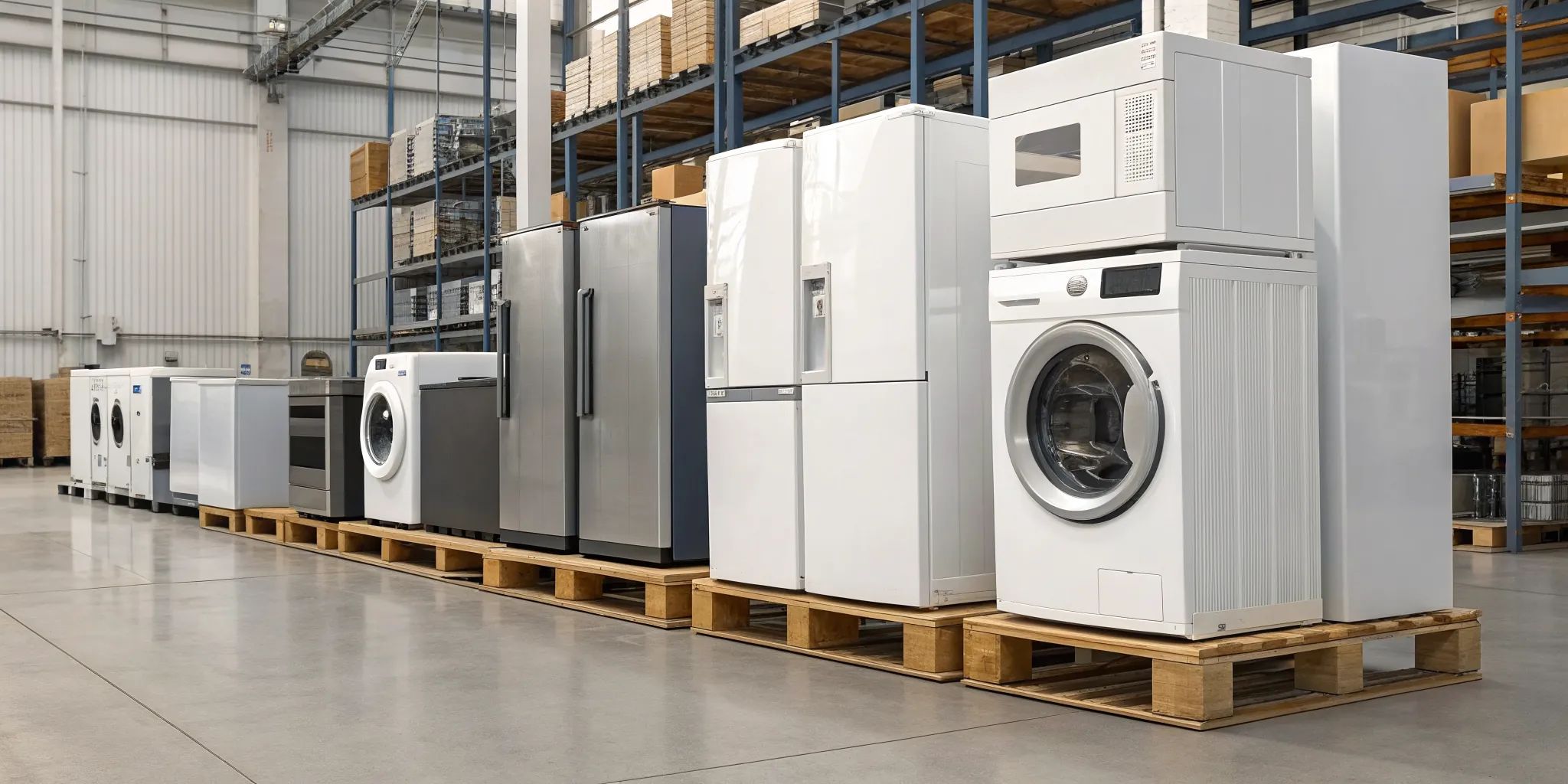
Let's clear up a common myth: "customer returns" does not mean "broken junk." In reality, many items are returned for simple reasons, like a damaged box, buyer's remorse, or because it was an unwanted gift. These products are often brand new or have only been lightly used. This is the hidden world of liquidation, where you can find incredible value if you know where to look. By participating in an appliance pallet auction for sale, you get the chance to bid on these perfectly good items that big-box stores can no longer sell. This article will show you how to tell the difference between a pallet of treasures and a pallet of trouble, so you can bid confidently and uncover amazing deals.
Key Takeaways
- Calculate a pallet's true value before you bid: A smart bid is an informed one. Always review the manifest to see what's inside, research the market price for those items, and factor in extra costs like fees and transportation to set your maximum budget.
- Understand what condition grades mean for your profit: The difference between "new," "open-box," and "as-is" merchandise directly impacts its resale value. Knowing these classifications helps you set realistic expectations and avoid pallets that require unexpected repairs.
- Plan your post-auction strategy in advance: Winning the bid is just the beginning. You need a solid plan for how you will pick up, transport, and store your appliances, plus a clear idea of who your target customer is and where you will sell the items.
What Are Appliance Pallet Auctions?
If you've ever wondered where major retailers send their surplus, customer returns, or overstock appliances, the answer is often an appliance pallet auction. Think of it as a way for big-box stores to clear out inventory they can no longer sell on their main shelves. Instead of dealing with items one by one, they bundle them onto large wooden pallets and sell them in bulk to the highest bidder. This is where savvy shoppers and small business owners come in.
These auctions give you direct access to a huge variety of goods, from microwaves and coffee makers to refrigerators and washing machines, at prices well below retail. Companies that host these sales, like Quickbidz, act as the bridge between you and these major retailers. You get the chance to bid on liquidation pallets filled with valuable merchandise, turning their need to clear space into your opportunity to find incredible deals. Whether you're looking to furnish a home on a budget, stock your resale business, or find parts for repairs, appliance pallet auctions are a fantastic resource.
How Do They Work?
The process is more straightforward than you might think. First, you’ll register on an auction site. Once you’re set up, you can browse the available pallets. Each listing will typically include photos and a manifest, which is a list of the items on the pallet. When you find a pallet you’re interested in, you place a bid. You’ll be competing against other buyers, and the pallet goes to whoever has the highest bid when the auction ends. You can often choose to buy a single pallet or go bigger by bidding on entire truckloads. Many platforms provide a helpful how-it-works guide to walk you through the specific steps for registering and placing your first bid.
Common Types of Appliance Pallets
Not all appliance pallets are created equal, and the variety is part of the appeal. You might find a pallet dedicated entirely to small kitchen appliances, while another could be a mixed lot of electronics and larger appliances. The contents can also vary by condition. Some pallets contain brand-new, in-box items (overstock), while others are filled with customer returns that might be lightly used or have minor cosmetic flaws. You can even find "salvage" pallets, which are sold as-is and are perfect for people who can repair items or use them for parts. Always read the description carefully to understand exactly what you're bidding on.
What Appliances Can You Find in Pallet Auctions?
One of the best parts of appliance pallet auctions is the sheer variety. You aren't just bidding on one type of product; you're getting access to a wide range of items that can stock a store, furnish a home, or simply give you an incredible deal. The inventory is always changing, which adds to the excitement of the auction, but you can generally expect to find appliances that fall into a few key categories. Let's look at what you might uncover in your next pallet.
Kitchen Appliances
The kitchen is the heart of the home, and it's also a goldmine in pallet auctions. You can frequently find major kitchen appliances like refrigerators, ovens, microwaves, and dishwashers. Because these items often come from major retail liquidations, you’ll see familiar brand names. This is a fantastic way to get high-end appliances for a fraction of their retail price, whether you're renovating your own kitchen or sourcing inventory for your resale business. Keep an eye on the Electronics & Appliances category to see what's currently up for bid.
Laundry Equipment
Beyond the kitchen, you'll often find essential laundry equipment. Pallets filled with washers and dryers are common finds in liquidation auctions. These are perfect for landlords, property managers, or small business owners who need to furnish multiple units without breaking the bank. You can also find great deals for your own home, upgrading your laundry room with a high-quality machine for much less than you'd pay in a store. Since these are sold in bulk, you get incredible value on items that are always in demand.
HVAC and Cooling Systems
It might surprise you, but even large-scale systems like HVAC units and air conditioners make their way into liquidation auctions. These items are especially valuable for contractors, builders, or anyone managing commercial properties. While they may appear less frequently than smaller appliances, finding a pallet of cooling systems can be a huge win, especially ahead of the hot Texas summer. These larger items are typically sold as full pallets, so be prepared for a bigger haul that offers an even bigger return on your investment.
Small Home Appliances
Don't forget about the little guys. Pallets are often packed with a mix of small home appliances that are easy to resell or use right away. Think blenders, toasters, coffee makers, air fryers, and vacuum cleaners. These items come in various conditions, from brand new overstock to open-box customer returns. This variety makes them perfect for flea market sellers, online resellers, or anyone looking for amazing deals on everyday household gadgets. You can often find these mixed in with other Home & Furniture items.
Understanding the Condition of Auctioned Appliances
When you’re bidding on appliance pallets, the condition of the items is the biggest variable. Unlike buying directly from a store, liquidation merchandise comes in a range of states, from pristine to parts-only. Knowing how to read the descriptions and understand what you’re bidding on is the key to turning a profit and avoiding unpleasant surprises.
Every pallet is different, but the items inside generally fall into a few main categories. A reputable auction house like Quickbidz will be transparent about the condition of the merchandise, often providing a detailed manifest that lists the contents and their state. Before you place a bid, take the time to learn these classifications. This knowledge will help you assess the pallet’s true value and decide how much you’re willing to spend. Let’s break down the most common conditions you’ll encounter.
New and Overstock
Finding a pallet of new or overstock appliances is like hitting the jackpot. These are items that have never been sold to a customer. "New" means the product is in its original packaging, untouched and ready for the retail shelf. "Overstock" refers to excess inventory that a retailer needs to clear out, often to make room for newer models. These appliances are also brand new and in perfect working order. For resellers, these pallets offer the highest profit potential because you’re getting pristine, in-demand products like electronics and appliances for a fraction of their retail price.
Customer Returns and Open-Box
This is the most common category in liquidation, and it’s where you can find some incredible deals. A widespread myth is that all returned items are broken, but that’s rarely the case. Many products are returned for simple reasons like buyer’s remorse, a damaged box, or the wrong color. These "open-box" items are often in like-new or lightly used condition. While some may have minor cosmetic blemishes or be missing a manual, they are typically fully functional. Carefully reading the auction manifest will give you a better idea of what to expect from a pallet of customer returns.
Refurbished and Tested
Refurbished appliances are items that were previously returned, used as floor models, or had a minor defect, but have since been professionally repaired and tested to ensure they work perfectly. These products offer a great middle ground, providing the reliability of a new item at a much lower cost. A trustworthy liquidator will always provide an accurate manifest that details what’s on each pallet, including any notes about testing or repairs. Understanding how it works on a specific auction platform will help you find these manifests and make an informed bid.
Salvage and As-Is
Pallets sold as "salvage" or "as-is" are the riskiest but can sometimes offer the highest reward. These often contain unsorted customer returns, and the condition of each item is unknown. You might find a mix of perfectly good products, items that need minor repairs, and some that are only good for parts. These pallets are best suited for experienced buyers who are comfortable with repairs or have a plan for using spare parts. While you can get an entire pallet for an incredibly low price, you have to be prepared for the gamble.
Where to Find Appliance Pallet Auctions
Once you know what you’re looking for, the next step is finding the right auction. Appliance pallets are available through several channels, from local online platforms to national liquidators. Knowing where to look can save you time and help you find the best deals for your resale business or personal use.
Quickbidz Liquidation Auctions
For those in the Dallas-Fort Worth area, Quickbidz is a fantastic place to start. We specialize in offering liquidation pallets sourced directly from major retailers and manufacturers. You can browse and bid on a wide variety of goods, including high-demand electronics and appliances, all from a trusted local source. This means you can often inspect items in person and avoid the high shipping costs associated with national sellers. Our platform makes it simple to find premium merchandise at a fraction of the retail price, giving you a direct line to quality inventory.
Other Online Liquidation Platforms
Beyond local options, several national online platforms host appliance auctions. Companies like DirectLiquidation and B-Stock operate on a larger scale, connecting buyers with surplus inventory from big-box stores across the country. These sites can offer a massive selection, which is great if you’re looking for something specific or want to compare prices nationally. Just remember to factor in shipping costs, as they can significantly impact your total investment. These platforms are a solid alternative if you can’t find what you need locally.
Local Auction Houses
Don’t forget to check out traditional, in-person auction houses in your area. While they may not specialize exclusively in appliance pallets, they often receive them as part of larger estate or business liquidations. The key is to find an auction company with a good reputation and experience selling the type of goods you’re interested in. Attending a live auction can be a great experience, and you might find a hidden gem that online bidders overlook. Keep an eye on their websites for upcoming sales.
Directly from Retailers
Some major retailers run their own liquidation programs, selling customer returns and overstock inventory directly to the public or to registered resellers. You can often find these programs by searching for a specific retailer’s name plus terms like “liquidation,” “wholesale,” or “auction.” It’s a common myth that all returned items are broken; many are simply in opened boxes or were never used at all. Going directly to the source can sometimes give you access to pallets before they hit third-party auction sites.
How to Evaluate an Appliance Pallet Before You Bid
Jumping into an auction without a plan is a recipe for buyer's remorse. The key to finding a great deal on an appliance pallet is doing your homework before you place that first bid. Think of it as your pre-flight check. By carefully assessing the pallet's contents, condition, and potential value, you can bid with confidence and avoid costly surprises. This process helps you separate the truly valuable pallets from the ones that might be more trouble than they're worth. A reputable auction platform like Quickbidz provides the details you need, but it's up to you to use that information to make a smart decision. Taking a few extra minutes to evaluate the details will make all the difference in your final profit margin. It’s the difference between a profitable flip and a garage full of non-working toasters. Let's walk through the four essential steps to take before you commit to a bid on any of our appliance pallets. These steps will help you build a solid bidding strategy and turn your auction finds into real income.
Read the Manifest and Item List
The manifest is your best friend. This document is a detailed inventory of everything included on the pallet. A trustworthy liquidator will always provide an accurate manifest with comprehensive product descriptions, so you know exactly what you’re bidding on. Before you get excited about a pallet, take the time to read through this list carefully. Look for brand names, model numbers, and quantities. This information is your primary tool for determining the pallet's potential value. You can usually find the manifest directly on the auction listing page, just like in our past auctions. It’s the first and most important step in making an informed decision.
Understand the Condition Grades
Not all liquidated appliances are in the same condition, and this directly impacts their resale value. Always check the manifest or auction details for condition grades. These terms tell you the story behind the items, whether they are "new," "open-box," "customer returns," or "as-is." Understanding these grades is essential for setting realistic resale expectations and avoiding unexpected losses. For example, an "open-box" microwave might only need a quick cleaning, while an "as-is" item could require significant repairs or be used only for parts. Knowing the condition helps you calculate potential repair costs and decide how much you're willing to bid.
Research the Market Value
Once you know what’s on the pallet and its condition, it’s time to play detective. An effective bidding strategy relies on an accurate estimate of the pallet's total market value. Research the potential resale price for each major appliance on the manifest. A quick search on sites like eBay or Facebook Marketplace for the same model number can show you what similar items are currently selling for. This research is critical for setting your maximum bid. It ensures you leave enough room for profit after all your costs are accounted for. You can browse our electronics and appliances category to get a feel for the types of items you'll be researching.
Calculate Your Total Costs
Your winning bid is just one part of your total investment. To figure out your true profit potential, you need to calculate all associated costs. This includes the buyer's premium (a percentage added to your winning bid), sales tax, and transportation costs to get the pallet from our warehouse to your location. You should also factor in a budget for potential repairs, especially for pallets with customer returns or "as-is" items. Buying at what seems like a great price can quickly become a loss if you don't account for these extra expenses. Our How It Works page explains our fees so you can plan accordingly.
The Benefits and Risks of Buying Appliance Pallets
Buying appliance pallets can feel like a treasure hunt, offering huge rewards but also carrying a few risks. Understanding both sides of the coin is the key to making smart bids and turning a real profit. When you know what to look for and what to watch out for, you can confidently find incredible deals on everything from refrigerators to blenders. Let's walk through the major benefits, potential downsides, and logistical considerations you should keep in mind.
Benefit: Major Cost Savings and Profit Potential
The biggest draw of buying appliance pallets is the incredible value. For resellers and small businesses, this is where you can really build your profit margins. Because you're buying returned or overstocked goods in bulk, you can acquire high-quality appliances for a fraction of their original retail price. Platforms that host liquidation auctions make it possible to access inventory that might otherwise be hard to find. This allows you to stock your inventory with sought-after items while keeping your initial investment low, giving your business a serious competitive edge.
Risk: Hidden Damage and No Warranties
While the savings are significant, it's important to remember that liquidated merchandise is sold as-is. These items are often customer returns, and while many are in perfect, unopened condition, some may have hidden defects or cosmetic damage. Since these pallets typically don't come with warranties, you accept the risk that some items may need repairs or can only be used for parts. The key is to factor this possibility into your budget. A few non-working items are much easier to absorb when the overall cost of the pallet is incredibly low. You can learn more about the process on our How It Works page.
Consideration: Transportation and Storage
Once you win a bid, the logistics are all on you. Appliance pallets are large, heavy, and require proper transportation. Before you even place a bid, you need a solid plan for how you'll get the pallet from the auction site to your home or warehouse. Do you have a truck or trailer? Do you need to rent one? You'll also need adequate space to store and sort through your new inventory. Quickbidz offers various pallet auctions, so be sure to check the size and weight details in the listing to ensure you can handle the pickup and storage.
Common Mistakes to Avoid as a First-Time Buyer
Jumping into your first appliance pallet auction is exciting, but it's easy to make a few rookie mistakes. The thrill of the bid can sometimes overshadow smart decision-making. Knowing what to watch out for will help you place smarter bids, protect your investment, and turn a great deal into a real profit. Let's walk through some of the most common pitfalls so you can approach your first auction with confidence and a clear strategy.
Bidding Without a Firm Budget
The fast-paced nature of an auction can create a sense of urgency, making it easy to get swept up in a bidding war. This is where having a strict budget is your best defense. Bidding without a clear budget can lead to overspending on a pallet that might not give you the return you need. Before you even place your first bid, you need to do the math. Calculate your absolute maximum price by considering the pallet's potential resale value, the buyer's premium, transportation costs, and any potential repair expenses. This number is your hard limit. Stick to it, no matter what.
Forgetting to Research Market Demand
A pallet of high-end refrigerators at a rock-bottom price seems like a sure win, but not if no one in your area is buying them. Before you buy anything, you should conduct some market research to understand what will actually sell. Failing to do this can leave you with a garage full of inventory that’s hard to move. Spend some time looking at what similar appliances are selling for on local marketplaces. Check the prices for the specific models listed in the auction manifest. Knowing what your potential customers want is the key to choosing a profitable pallet.
Misunderstanding Pallet Grades
A great photo can be deceiving. That’s why it’s so important to understand the grading system for liquidation pallets. The grade tells you the story behind the products, whether they are new overstock, customer returns, or salvage items. Understanding the grading system is crucial, as it directly impacts the quality and condition of the items you’re bidding on. Always read the auction description carefully to find the pallet’s grade. This information is far more valuable than a picture and will help you set realistic expectations for the condition of the appliances inside.
Skipping an Inspection When Possible
While you can't always inspect pallets from an online auction in person, you should absolutely take the opportunity when it's available. Photos and manifests provide a good overview, but nothing beats seeing the items with your own eyes. Skipping an inspection can lead to unexpected surprises, like hidden cosmetic damage or missing parts that weren't obvious online. If you can inspect a pallet, look for signs of physical damage to the packaging, water stains, or any clues about the overall condition. This simple step can save you from a purchase you might later regret.
How to Get Started in Appliance Pallet Auctions
Ready to jump in? Getting started with appliance pallet auctions is more straightforward than you might think. It really comes down to three key steps: getting your account set up, planning your bids, and knowing the rules for payment and pickup. Let's walk through each one so you can feel confident placing your first bid.
Register and Set Up Your Account
Your first move is to sign up on a trusted auction site. Here at Quickbidz, we make the process simple so you can start browsing right away. You’ll just need to provide some basic information to create your account. This gives you access to view all the current electronics and appliances auctions and get a feel for the platform. Take a moment to explore the site and familiarize yourself with the layout. Understanding how to find item details and place a bid is a great first step before an auction goes live. It’s all about getting comfortable with the tools you’ll be using.
Create Your Bidding Strategy
Going into an auction with a plan is the best way to get a great deal. Before you bid, take time to review the pallet’s manifest to see exactly what’s included. Pay close attention to the condition grades and do some quick research on the potential resale value of the items. This helps you set a firm maximum bid for yourself, which is key to protecting your budget. A good strategy is to decide the absolute highest price you’re willing to pay and stick to it. This prevents you from getting caught up in the excitement and overspending. Looking at past auctions can also give you a good idea of what similar pallets have sold for.
Know the Payment and Pickup Rules
Every auction has its own set of rules, so it’s important to understand the logistics before you win. Make sure you know what payment methods are accepted and what the deadlines are. For local auctions like ours, you’ll also need a plan for pickup. Check the location, available pickup times, and what kind of vehicle you’ll need to transport a large pallet of appliances. Reading the fine print ahead of time prevents any surprises after the hammer falls. Our help page outlines all of our policies, so you can bid with total peace of mind, knowing exactly what to expect when you win.
Tips for Success in Appliance Auctions
Jumping into the world of appliance auctions is exciting, and with the right approach, it can be incredibly rewarding. Whether you're looking to furnish a home on a budget or start a resale business, a little preparation goes a long way. It's easy to get caught up in the thrill of bidding, but success comes from being strategic and informed. To help you make smart bids and find the best deals, we've put together our top tips. Think of this as your guide to turning liquidated appliances into major wins.
Start Small to Learn the Process
When you’re new to auctions, it’s wise to walk before you run. Starting with a single appliance or a smaller, lower-cost pallet is a great way to learn the ropes. Buying unsuitable products in the wrong quantities is an easy mistake to make, so this approach minimizes your risk while you get comfortable. Use your first few purchases as a learning experience. You’ll get a feel for the bidding process, understand how item conditions translate in person, and figure out the logistics of pickup and transportation. This hands-on practice is invaluable and builds the confidence you need to bid on those larger, high-value pallets later on. You can review how our auction process works to get familiar with the steps.
Stick to Reputable Auction Platforms
Where you buy matters just as much as what you buy. Always place your bids on a trustworthy and transparent auction platform. A reputable site will provide clear photos, detailed descriptions, and an easy-to-understand bidding system. Look for platforms that have a history of successful sales and a physical location you can verify, like our warehouse in the Dallas-Fort Worth area. At Quickbidz, we aim to make the process straightforward so you can bid with confidence. You can even browse our past auctions to see the types of items we’ve sold and the prices they went for. This helps you get a sense of our inventory and what to expect.
Factor in All Additional Costs
The winning bid is just one part of your total investment. To make sure your great deal stays a great deal, you need to account for all the extra costs. Before you even place a bid, be aware of the buyer’s premium, which is a percentage added to your winning bid. Also, remember to include sales tax in your calculations. Finally, consider how you’ll get your items. Will you need to rent a truck or pay for shipping? These transportation costs can add up. To avoid losses, always set a strict maximum bid based on your total expected costs and realistic resale expectations. This financial planning is key to ensuring your purchase is profitable.
Know Your Target Market
If you’re planning to resell your auction finds, this step is non-negotiable. You need to know what people actually want to buy. Before bidding on a pallet of microwaves, do some quick market research. Check local online marketplaces or community groups to see what similar appliances are selling for and how quickly they move. Understanding your customer helps you choose the right pallets and avoid getting stuck with inventory nobody wants. Are you selling to college students who need affordable basics, or homeowners looking for high-end brands at a discount? Answering this question will guide your bidding strategy and help you spot the most profitable opportunities in our electronics and appliances category.
Related Articles
- Pallets | Quickbidz
- Electronics & Appliances | Quickbidz
- Pallet of Damaged Tv's (Parts)
- Pallet of Damaged Tv's (Parts)
Frequently Asked Questions
What happens if some appliances on my pallet don't work? This is the most common concern, and it's a valid one. Since most liquidation merchandise is sold as-is, you should expect that a certain percentage of items, especially in customer return pallets, might need repairs or can only be used for parts. The key is to build this possibility into your bidding strategy. When you calculate your maximum bid, factor in a buffer for potential duds. This way, the incredible value you get from the working appliances more than covers the cost of the few that don't.
Do I need a business license to buy these pallets? For most auctions on our platform, you do not need a special business or reseller's license to participate. We welcome everyone, from small business owners looking to source inventory to individuals hunting for amazing deals for their own homes. The registration process is straightforward and designed to get you bidding quickly without any unnecessary hurdles.
How do I physically get a huge pallet home after I win? Once you win an auction, you are responsible for picking up your pallet from our warehouse. These pallets are large and heavy, so you'll need to come prepared. Most people use a pickup truck, a box truck, or a trailer to transport their winnings. Before you bid, make sure you have a solid transportation plan and check the auction details for the specific pickup window and location.
Can I look at the pallets in person before I bid? While our online listings provide detailed photos and manifests, we understand the value of seeing things for yourself. Whenever possible, we offer in-person preview days where you can inspect the pallets before an auction goes live. We highly recommend taking advantage of this opportunity. Be sure to check the details for each specific auction, as inspection availability and times can vary.
What's the real difference between "overstock" and "customer returns"? Think of overstock items as brand new products that never made it to a customer's home. They are typically in their original packaging and are being sold simply because a retailer ordered too many. Customer returns, on the other hand, are a mixed bag. An item might have been returned because the box was damaged, the customer changed their mind, or it has a minor cosmetic flaw. While some returns may need repairs, many are in like-new condition, making them a fantastic source for high-value deals.